
Best Comfortable Shoes for Walking All Day in 2026: Guide
Disclosure: We may earn a commission when you buy through links on this page, at no extra cost to you. As an Amazon Associate I earn from qualifying purchases. Learn more
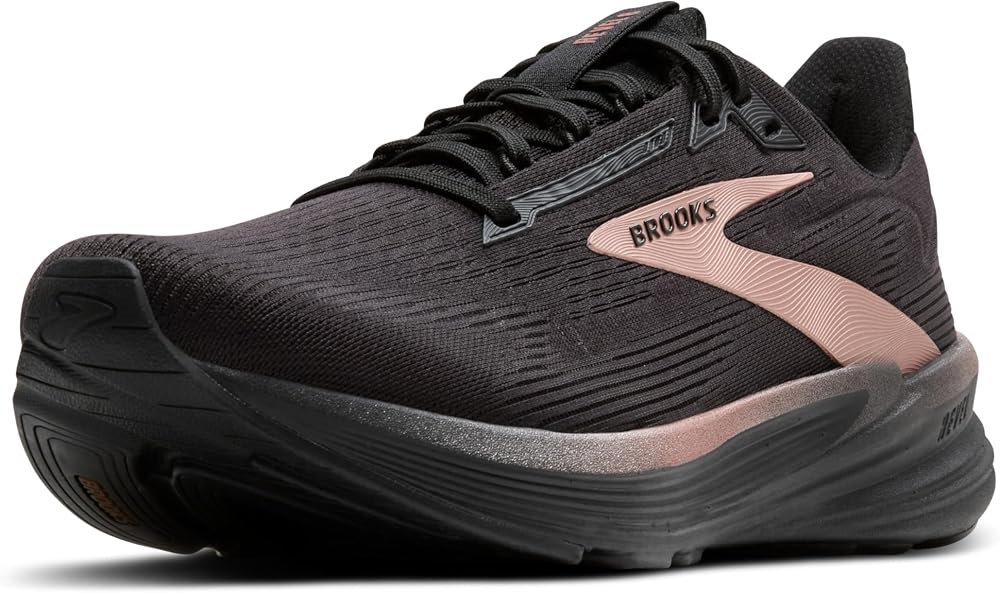
Compare cushioning, arch support, fit and sole flex to choose the best comfortable shoes for walking all day, for city, travel or work.
A shoe that feels fine for an hour can feel very different after eight hours on pavement. The best comfortable shoes for walking all day keep cushioning that does not flatten, support that holds your arch steady and a fit that leaves room for swelling feet. This guide explains how to judge each of those before a long day out, for city walking, travel or a job that keeps you moving.
The comparison table below sets out the main shoe styles, and the sections that follow explain what to check before you buy.


Who Should Buy Which Type
For city walkers
City walkers need a shoe that handles pavements, steps and long stretches without hot spots. A cushioned midsole, a flexible forefoot and a breathable upper help over a full day. A secure heel and a roomy toe box stop the foot sliding forward on downhill streets.
For workers on the move
Workers who walk all shift, such as delivery staff, guides and retail floor staff, need support that lasts plus grip for smooth floors. A stable heel, a supportive arch and a durable outsole matter more than a soft first feel, and a wipe clean upper helps when the day is messy.
For travelers
Travelers need one shoe that walks all day, packs well and suits changing weather. A light shoe with good grip and a washable upper covers most trips. Break the shoe in before travel, and carry a spare pair of socks for long walking days.
Key Features Explained
Cushioning that lasts
Cushioning should feel even after many hours, not just in the shop. Foam that compresses too quickly leaves the foot working harder by afternoon. Look for a midsole that springs back after you press it, and judge the shoe after a long walk when possible.
Arch and heel support
Arch support keeps the foot aligned and reduces strain on the ankles and knees. A firm heel counter holds the heel steady, while a shaped insole supports the arch without pressing. If you use custom insoles, check that the shoe accepts them without crowding the toes.
Fit and toe room
Fit matters more than brand or style. Toes should wiggle freely, the heel should not slip and the widest part of the foot should match the widest part of the shoe. Try shoes later in the day, when feet are slightly larger, and wear the socks you plan to use.
Grip and sole flex
Grip keeps you steady on wet pavements and smooth floors, while flex lets the foot roll naturally. A sole that is too stiff fights the foot, and one that is too soft wears quickly. Bend the shoe gently to check flex at the ball of the foot.
Main Types Compared
Cushioned walking shoes
Cushioned walking shoes suit most all day walkers, with soft midsoles and breathable uppers. They work well for city walking, travel and daily errands. They may lack the firm support some feet need, so check the arch shape before you buy.
Supportive leather walkers
Supportive leather walkers suit people who want a firmer, longer lasting shoe. Leather molds to the foot over time and resists scuffs. They need a break in period, so wear them for short walks first.
Stability running style shoes
Many runners' shoes with a guiding heel and a wide platform double as excellent walking shoes. They suit walkers who roll inward as they tire, and they usually offer generous cushioning, though they are heavier than minimal styles.
Walking sandals
Walking sandals suit warm weather and wet paths, with open uppers and grippy soles. A contoured footbed and adjustable straps keep the foot secure. They give less protection than a closed shoe, so they suit gentle terrain best.
Building Up to a Long Day on Foot
Feet and legs adapt to distance, so build up gradually. Start with an hour at home or on short errands, add time over a week, and notice whether any spot warms or rubs. Hot spots can be taped or padded before they become blisters. Never start a long trip in brand new shoes, however comfortable they seem in the shop.
Socks matter as much as shoes. Moisture wicking socks that fit smoothly, with no seams across the toes, reduce blisters. Carry a spare pair on very long or hot days and change when they get damp. Lacing helps too: a looser lace over the forefoot gives toes room, a snug lace over the midfoot holds the arch, and a heel lock at the top stops the heel lifting.
Checks Before You Order
Before you buy, walk in the shoes for at least ten minutes, check both feet, and try stairs and turns. Think about socks, insoles and the surfaces you walk on most. A good all day shoe feels steady from the first step and still feels steady at the end of the day. If pain appears in the shop, it will usually grow worse on a long walk, so choose another pair. Check the return terms so a trial walk at home is possible.
Care and Long Term Use
Rotate two pairs when possible, since rest lets foam recover and keeps shoes drier. Air shoes after use, remove insoles to dry, and clean the uppers as the maker advises. Replace shoes when cushioning feels flat, the heel tilts or the tread wears smooth. Good care extends comfort, but no shoe lasts forever under daily long walks.
Frequently Asked Questions
How should walking shoes fit for all day comfort?
The heel should sit firmly without slipping, the toes should have room to spread and the arch should feel supported without pressure. Try both shoes, walk around the shop and climb stairs if you can. Feet swell during the day, so try shoes in the afternoon for a truer fit. If the shoe pinches anywhere, choose another size or width.
Do I need to break in walking shoes?
Most modern walking shoes need little break in, but leather styles and firm support shoes need short walks first. Start with an hour at home, then build up over several days. Soreness that fades quickly is normal, while sharp pain or blisters mean the fit is wrong. Never start a long trip in brand new shoes.
Are soft shoes better for walking all day?
Very soft shoes feel pleasant at first but can lack the support that keeps legs fresh. A balanced shoe combines soft cushioning with a stable heel and arch support. The sole should flex at the ball of the foot and hold its shape under load. Comfort after eight hours matters more than comfort after eight minutes.
When should I replace all day walking shoes?
Replace walking shoes when the midsole feels flat, the heel leans to one side or the tread wears smooth. Many daily walkers need new shoes after several months of heavy use. Keep track of how the shoes feel at the end of the day, since fading support is easy to miss.
What socks work best for long walking days?
Choose socks that wick moisture, fit snugly without bunching and match the shoe height. Cushioned socks add comfort for long days, while thin socks suit tight shoes. Change socks if they get damp, since damp socks cause blisters faster. Carry a spare pair on very long or hot walks.
Final Thoughts
All day comfort comes from fit, support and lasting cushioning working together. The right best comfortable shoes for walking all day feel steady from the first step to the last. Use the product table above to compare styles, then try your shortlist on real walks before you commit. For related choices, see our guides to the best walking shoes, best shoes for walking all day, best comfortable walking shoes, best shoes for standing walking all day and best sandals for walking all day.


