
Best Casual Shoes For Wide Feet 2026: How to Find a Comfortable Wide Fit
Disclosure: We may earn a commission when you buy through links on this page, at no extra cost to you. As an Amazon Associate I earn from qualifying purchases. Learn more

Learn how to choose casual shoes for wide feet with proper width, toe room, and support. Compare fits, materials, and styles for daily wear.
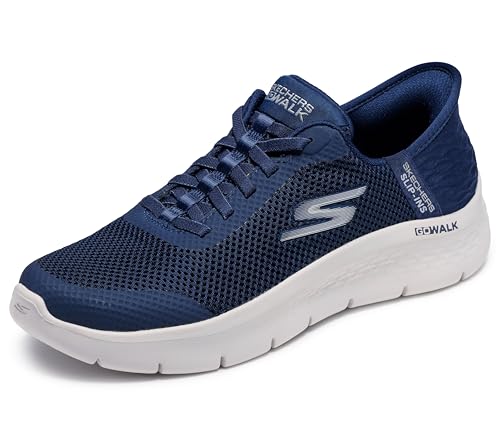
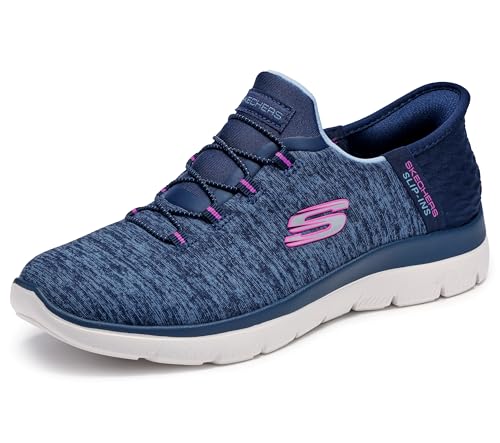
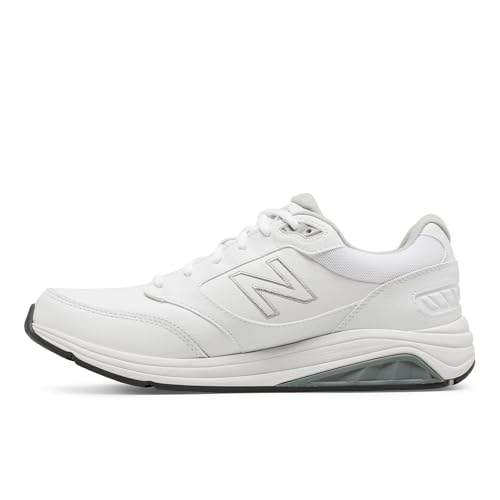
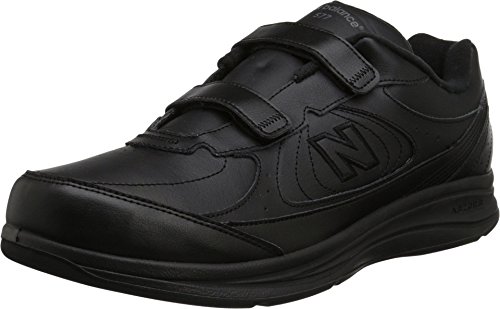
Finding the best casual shoes for wide feet is about width first, because a shoe that is long enough but too narrow will pinch no matter how you lace it. Wide feet need room across the forefoot and midfoot, plus a toe box that lets toes spread naturally. The right shoe balances width with support and style, so comfort does not mean clumsy looks. The comparison table below shows the main shoe types side by side.
Width varies between makers, so a wide size from one brand may feel like a standard size from another. Measuring your feet, trying wide widths, and checking toe box shape matter more than letter labels alone. This guide explains width sizing, materials, fit checks, and styles in plain terms. Check the product table below when you want a quick recap of the types.




Understanding Width Sizing
Shoe widths use letters such as D for standard men's width and 2E for wide, while women's widths use B for standard and D for wide. These letters vary by maker, so two shoes labeled wide can fit differently. Measure both feet at their widest point in the afternoon, when feet are slightly larger, and compare with maker size charts. If one foot is wider, fit the wider foot and use lacing or insoles to balance the other.
Some makers offer wide and extra wide options across many styles, while others offer wide only in a few models. A shoe with a naturally roomy toe box may fit wide feet even without a wide label, especially in round toe designs. Pointed or narrow fashion toes rarely suit wide feet, however attractive they look. Prioritize measured width over style labels, and keep receipts until fit is proven over several days.
Toe Box Shape and Forefoot Room
Toe box shape decides whether toes can spread or stay squeezed together during walking. Round and square toe boxes give more room than pointed boxes, which compress outer toes and can cause blisters or nail problems. Depth matters too, since shallow toe boxes press down on toes even when width seems adequate. Look inside the shoe and feel for seams that cross the widest part of the foot, since those seams rub first.
Forefoot flexibility helps wide feet, because a stiff forefoot resists natural spreading with each step. Soft leather, knit, and stretch panels adapt to foot shape better than rigid synthetics. Mesh uppers breathe well and stretch slightly, but they may lack support for long days. Balance stretch with structure: a shoe that stretches too much can lose support and let the foot slide.
Materials That Adapt to Wide Feet
Leather molds to foot shape over days of wear, making it a strong choice for wide feet despite a short break in. Suede stretches similarly but needs care against water and stains. Knit and mesh uppers adapt quickly and feel light, which suits warm weather and casual days. Synthetic leather often stretches least, so wide feet should try it carefully and avoid models that pinch from the first wear.
Elastic panels and adjustable lacing help wide feet more than fixed slip on designs, since they let you tune fit across the midfoot. Wide straps on sandals and adjustable closures on casual shoes both serve the same purpose. Avoid shoes with a single narrow strap across the widest point, since pressure concentrates there. A shoe that adapts without losing heel hold usually gives the best long term comfort.
Fit Checks and Break In
Fit checks should happen later in the day, wearing the socks you plan to use daily. Stand and check that the widest part of your foot sits within the widest part of the shoe, not over the sole edge. Toes should have room to wiggle, and the shoe should not bulge sharply at the sides, which signals too much pressure. Walk on hard floors and note any pinching at the little toe or across the midfoot.
Break in for wide feet should be short and gentle: leather may soften slightly, but a shoe that pinches badly on day one rarely becomes comfortable. Wear new shoes for short periods at first, and check for red marks after removing them. Red marks that fade quickly are normal, while marks that persist or blister signal a poor fit. Keep the receipt until you have worn the shoes for several normal days.
Styles for Wide Feet and Daily Life
Casual sneakers offer the widest range of wide sizes and support options, suiting active days and travel. Loafers and slip ons can work if they fit securely, but loose slip ons force toes to grip and tire feet. Leather casual shoes look smarter for work and mold to feet over time, though they need a short break in. Sandals with adjustable straps suit warm weather, provided the footbed is wide enough to hold the whole foot.
Choose style by routine: an office worker may need a smart leather shoe in wide, while a parent may need a washable sneaker. If one pair cannot cover all needs, two pairs for different settings may serve better than one compromise. The product table above can help you compare the main types once more before you choose.
Frequently Asked Questions
Should I buy a larger size or a wide size?
Buy a wide size rather than a larger length size when feet are wide but length is correct. A longer shoe adds toe room yet leaves the heel loose and the widest point misaligned. Wide sizes add room across the forefoot and midfoot while keeping length and heel fit right. Measure width in the afternoon and compare with maker charts, since wide labels vary between brands.
How do I measure my feet for wide shoes?
Measure both feet in the afternoon, standing, at the widest point across the forefoot, wearing normal socks. Compare length and width with the maker size chart, and fit the larger foot if feet differ. Note that charts vary by brand, so use them as a guide rather than a guarantee. Try shoes on and walk on hard floors before deciding, keeping receipts for several days of wear.
Do wide shoes look bulky?
Modern wide shoes look much like standard shoes, since makers now design wide lasts that keep a neat profile. Round and square toes look natural in wide sizes, while pointed toes tend to look strained on wide feet. Color and material affect appearance more than width alone, so a dark leather wide shoe can look smart for work. Choose a style you like, since a shoe you enjoy wearing gets used more.
Can wide feet wear slip on shoes?
Slip on shoes can work for wide feet if they fit securely, offer a wide footbed, and hold the heel without slipping. Loose slip ons force toes to grip, which tires feet over long days. Check elastic, heel grip, and arch contour, and favor slip ons for short errands rather than all day wear. For long days, laced shoes usually give more secure and adjustable support.
What if wide sizes still pinch my feet?
If wide sizes still pinch, try extra wide sizes, a different maker last, or a round toe design with stretch panels. Leather that molds over days may help, but a shoe that pinches badly on day one rarely improves enough. Check whether seams cross the widest point, since seam placement causes many pinch points. If pain persists, swelling appears, or skin breaks, seek clinician or podiatrist advice.
Final Thoughts
Choose wide shoes by measured width, toe box shape, and fit later in the day, not by length alone. Round toes, adaptable materials, and adjustable lacing help wide feet far more than a longer standard shoe. Test fit over several days, watch for persistent red marks, and seek professional advice if pain continues.
The product table above sums up the main types, so compare them once more before ordering. With the right width and a toe box that lets toes spread, the best casual shoes for wide feet can make daily walking feel easy rather than pinched.
Related Buying Guides
For a closely related choice, see our guide to best shoes for wide feet. You may also find our guide to best wide casual shoes. For more on a related option, read our guide to best running shoes for wide feet.
Another useful comparison is our guide to best gym shoes for wide feet. For a related buying angle, see our guide to best athletic shoes for wide feet.


