
Best Boots for Walking All Day in 2026 at Every Price: What Your Money Really Gets You
Disclosure: We may earn a commission when you buy through links on this page, at no extra cost to you. As an Amazon Associate I earn from qualifying purchases. Learn more

See what each price tier gives you in boots made for walking all day, from cushioning and fit to sole life, so you can spend where it counts most.
Boots for long days on your feet span a wide price range, and the tag alone tells you little about how a pair will feel at hour eight. The best boots for walking all day are not always the priciest pair on the shelf. They are the pair whose fit, cushion, and sole match the ground you cover and the hours you keep.
This guide reads price through comfort rather than through labels. It starts with the floor beneath you, then shows what each price tier usually delivers, which upgrades earn their cost, and which ones you can skip. Compare the tiers against the classes in the comparison table below, and spend first on the parts of the boot you will feel on every step.
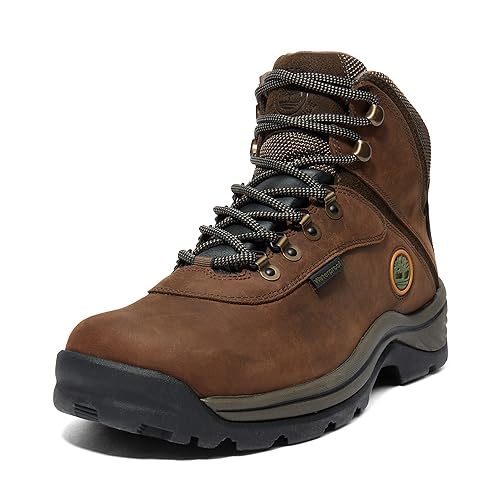
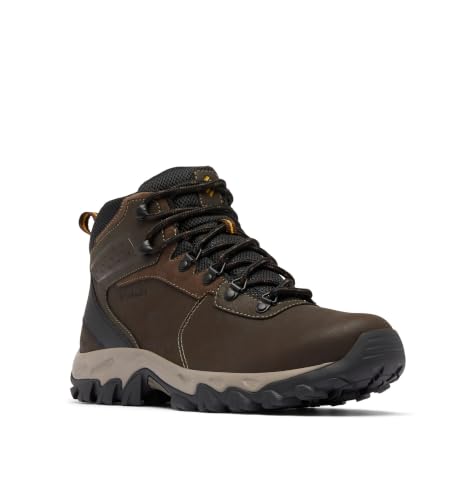


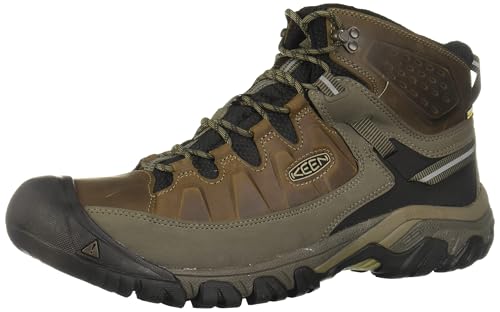
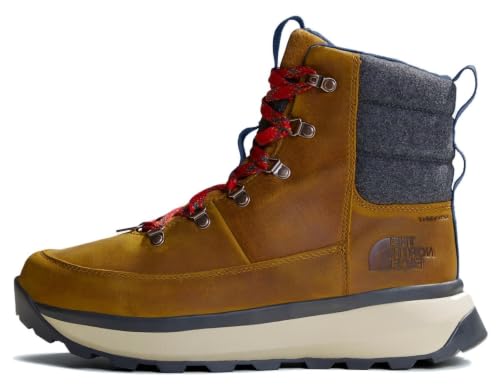


The Floor Comes Before the Price Tag
All day walking is a fit and cushion question, stated plainly. The boot is the only cushion between the foot and the floor, so every hour of pavement, tile, gravel, or packed earth passes through a few millimeters of foam and rubber before it reaches you. A boot that fits well and cushions evenly lets you finish the day thinking about the walk rather than about your feet.
Fit decides more than foam thickness does. A thick midsole inside a boot that pinches the toes or lets the heel lift will still leave feet tired and sore by evening. Judge a pair in the order your feet will judge it: length and width first, heel hold second, cushion third, and only then the extras that fill out a product page.
One limit belongs near the start. This guide covers comfort and fit only, and no boot in any tier treats, prevents, or fixes foot, knee, or back pain. Pain, numbness, or swelling that persists belongs to a clinician rather than to a new pair of boots, so book that visit first and shop for comfort once you have real guidance.
Surface changes what good cushion feels like. Concrete and tile give almost nothing back, so a firmer midsole with a shaped insole often feels steadier across a long day of walking than a very soft one. Packed earth and gravel forgive more, because the ground itself absorbs part of each step. When you test a pair indoors, walk on the hardest floor you can find, since that surface tells the truth about a sole fastest.
What Your Money Gets You at Each Price Tier
Tiers describe typical construction, not a guarantee for any single pair. A well fitted budget boot can feel better across a full day than a premium boot in the wrong width, so use the tiers to set expectations and then judge fit in person. Prices also move with sales and seasons, so read each band as a guide to what the money usually buys rather than as a fixed shelf label.
Budget Tier: What to Expect
Pairs at about $60 to $100 usually pair synthetic uppers with basic foam midsoles and simple rubber soles. Fit runs average in width, cushion feels fine for the first hours, and sole grip suits dry pavement and light trails. This tier suits walkers covering moderate daily distances, new walkers testing whether boots suit their routine, and buyers who need a spare pair. Expect the foam to feel flatter sooner and the upper to show wear earlier than in higher tiers.
Midrange Tier: The Balance Point for Most Daily Walkers
Pairs at about $100 to $170 usually bring denser midsoles that hold their cushion longer, shaped insoles, and uppers in leather or reinforced fabric. Width choices widen at this level, soles grip better on wet ground, and stitching and linings tend to last through a full season of daily use. For walkers out most days of the week, this tier buys the comfort features that matter without paying for rare materials or heavy construction you may never need.
Premium Tier: When Spending More Pays Off
Pairs at about $170 to $260 focus on material quality, careful construction, and longevity. Expect tougher leather, firmer heel counters, soles that can sometimes be replaced, and linings that manage moisture over long hours. The first walk may feel similar to a good midrange pair, so the value appears over years of use and in fit options for feet that standard lasts serve poorly. High daily mileage and hard floors make this tier easier to justify.
Features Worth Paying For and Ones to Skip
Cushioning and Support
Cushioning is worth paying for when it stays resilient, because cheap foam can feel soft in the shop and flat within weeks. A midsole with moderate thickness, a shaped footbed, and a stable heel cup spread each step across the whole foot. Heel to toe drop around 8 to 12 mm feels natural for most walkers, while very flat or very tall designs take longer to adapt to. Skip extreme softness marketed as luxury, since a sole that collapses sideways adds wobble rather than comfort.
Features That Matter for Walking All Day
Hours change the priorities. Breathable panels keep feet cooler through a long afternoon, a padded collar stops the boot top from rubbing the ankle, and a gusseted tongue keeps grit out on unpaved routes. Weight matters through repetition as well, because a lighter pair asks less of your legs across thousands of steps. Pay for these quiet features before paying for tall shafts, heavy lugs, or styling details that add cost without adding comfort.
Fit, Sizing, and Toe Box
Measure both feet late in the day and shop in the socks you walk in, because feet swell with hours and heat. Look for a thumb width of space ahead of the longest toe, no pinch across the forefoot, and a heel that stays down when you climb stairs. A wide toe box suits feet that spread under load, and women shopping in a dedicated size run can compare best boots for walking all day women's for pairs lasted and sized around women feet.
Arch Support and Foot Type
Arch support should match the shape of your foot rather than the height of the price tag. Flat feet often feel steadier with a firm shaped insole, high arches often prefer more cushion under the midfoot, and neutral feet do well in most midrange designs. Many walkers gain more from a replaceable insole chosen for their arch than from a costlier boot with a generic footbed, so treat the insole as a tuning part you can swap as your needs change.
Outsole Traction and Terrain
Match the sole to the surface you walk most. Shallow lugs around 3 to 5 mm grip pavement, wet tile, and packed paths without feeling harsh underfoot, while deeper lugs suit mud and loose gravel at the cost of faster wear on hard floors. Rubber hardness is a quiet price divide: softer compounds grip better and wear sooner, and harder compounds last longer with less bite on slick ground. Skip aggressive mountain style soles for city routes, since the tall lugs add cost and weight you will never use.
When Shoes or Sandals Make More Sense
Low best walking shoes sit below the ankle and trade boot coverage and support for lighter weight, while best sandals for walking all day add air flow for warm weather but no ankle support. Days that mix standing with walking in a shoe form are covered in best shoes for standing walking all day.
Long Term Costs to Factor In
The purchase price is only the first cost. Insoles compress and usually need replacing every six to twelve months of daily use at about $20 to $40, and socks that manage moisture add a small steady cost that protects both feet and linings. Readers whose walking happens on the job can compare best work boots for walking all day for the work class, where safety toes and job site rules shape the budget further.
Rotation is the quiet saving many walkers miss. Two midrange pairs used on alternate days often outlast the same money spent in sequence, because foam and linings get a full day to dry and recover between outings. Rotation also leaves you a ready pair when laces snap or a sole needs repair. Counted across three years, that habit can cost less than a single premium purchase while keeping every day in a boot that feels fresh.
Replacement timing drives the real total. A budget pair replaced twice in the span of one midrange pair can cost more over three years, even before you count the weeks spent breaking in each new set. Leather care products, spare laces, and the occasional resole on premium pairs belong in the same ledger, so judge each tier by cost per year of comfortable use rather than by the number on the first receipt.
Boots: Your Questions Answered
What features matter most in boots for walking all day?
Fit, resilient cushioning, and a sole matched to your surface matter most in boots for walking all day. Those three decide how the boot feels at the end of the day rather than in the shop. One factor buyers rarely price in is lacing: a runner loop at the top eyelet can lock the heel for a few cents of lace, and that small change often improves a borderline fit more than a tier upgrade would.
How long does break in take for boots worn all day?
Most boots need about one to two weeks of shorter walks before a full day feels natural. Leather pairs sit at the longer end of that range, while soft synthetic pairs often settle within a few outings. Build distance in stages and keep a known good pair in rotation during the process, because swapping back for one day lets a new boot finish adapting without forcing your feet to do all the adjusting at once.
How often should daily walking boots be replaced?
Daily walking boots should be replaced when the midsole feels flat, the sole tread wears smooth at the heel, or the upper no longer holds the foot steady. Heavy daily use can reach that point in about a year, while lighter use stretches it further. A useful home check is the counter squeeze: a heel counter that folds under light thumb pressure has lost the structure that once kept your stride stable.
Is a waterproof boot worth paying for daily walking?
A waterproof boot is worth paying for when your routes stay wet for much of the year. The membrane adds cost and warmth, so dry climate walkers often get better value from a breathable pair and a spare set for rainy weeks. Remember the height limit as well: a membrane guards only up to the top of its lining, so deep puddles and soaked trousers can still leave feet wet at any price.
Can a pricier boot cure sore feet after long walks?
No, a pricier boot cannot cure sore feet after long walks. Price buys better materials, wider fit choices, and longer sole life, and those gains can make a day feel more comfortable without treating any underlying problem. If soreness keeps returning in the same spot, note where it sits and when it starts, and share that record with a clinician, since a clear pattern helps more than another purchase.
The Bottom Line
Spend first on fit, then on cushion that lasts, then on the sole your ground demands. The tiers above show where extra money turns into real comfort and where it turns into decoration, and the product table above gathers the classes side by side for a quick compare. The right best boots for walking all day purchase is the pair your feet forget by midday, at a price you only think about once.


