
Best Black Shoes for Walking All Day Made Simple: A Clear Buying Guide for 2026
Disclosure: We may earn a commission when you buy through links on this page, at no extra cost to you. As an Amazon Associate I earn from qualifying purchases. Learn more

Shopping for the best black shoes for walking all day for the first time? Learn the terms, compare options, and avoid rookie mistakes with this easy guide.
If you have never bought walking shoes on purpose before, the choices can feel confusing. Color is the easy part, since black goes with almost everything, but comfort over a full day depends on fit, cushioning, and support. This guide explains the best black shoes for walking all day in plain language, starting with the basic terms and moving step by step toward a confident choice.
You do not need to know shoe jargon before you start. By the end, you will know how to measure your feet, how to read a product description, and which details matter for your job, your commute, or your travel days. Use the comparison table below to see how the main options differ once you know what to look for.


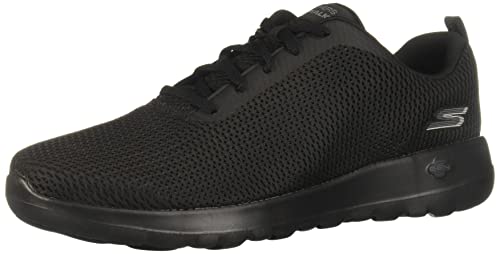

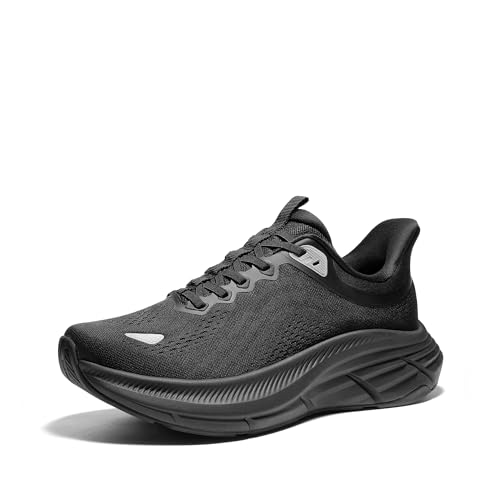


Black Shoes 101: The Basics
A walking shoe is built for repeated forward motion, which is different from a running shoe built for speed or a court shoe built for side to side moves. The sole bends where your foot bends, the heel is stable rather than tall, and the upper holds your foot without squeezing it. In black, the same shoe often doubles as a work shoe, which is why so many nurses, servers, teachers, and retail staff choose this category.
A few terms show up everywhere. The outsole is the rubber layer that touches the ground and gives grip. The midsole is the foam layer above it that absorbs impact. Cushioning describes how soft that impact feels, while arch support describes how the shoe fills the space under the middle of your foot. The toe box is the front area where your toes sit, and the heel to toe drop is the height difference between the heel and the front of the shoe.
Black uppers come in mesh, leather, and knit. Mesh feels light and breathable, leather looks polished and resists scuffs, and knit stretches to fit wider feet. None is best for everyone. Your daily surface, your dress code, and your local weather should decide which material leads your list.
Key Specs Explained in Plain English
Features That Matter for Walking All Day
Walking for eight or more hours loads your feet in a slow, steady way, so small problems grow large by evening. Look for a cushioned midsole that still feels stable when you press your thumb into it, a rubber outsole with a clear tread pattern, and a heel counter that holds the back of your foot firmly. A removable insole is a real plus, because you can swap in your own support if you need it. Aim for a shoe that feels secure at the midfoot and free at the toes, with no slipping at the heel when you walk across the store.
Fit, Sizing, and Toe Box
Measure your feet in the afternoon, when they are at their largest after hours of standing. Stand on a sheet of paper, trace each foot, and measure the length and width, since your two feet may differ by half a size. Try shoes on with the socks you plan to wear, and leave about a thumb width of space in front of your longest toe. The toe box should let your toes spread and wiggle. If a shoe feels tight across the front in the store, it will feel worse after ten thousand steps, so move up a size or choose a wide option instead of hoping it stretches.
Arch Support and Foot Type
Your arch shape guides how much support you need. Flat feet tend to roll inward as you walk, a pattern called overpronation, and they usually feel best with a firmer midsole and a supportive insole that limits that roll. High arches roll outward and put more pressure on the heel and the ball of the foot, so extra cushioning helps spread the load. Neutral arches sit in the middle and suit most standard walking shoes. A simple home check is the wet footprint test. A full footprint suggests a low arch, while a footprint with a thin middle band suggests a high arch.
Upper Materials and Breathability
Mesh uppers move air well and keep weight low, which suits warm workplaces and summer travel. Leather uppers shed light rain, wipe clean with a damp cloth, and look right with uniforms and office clothing, but they weigh more and breathe less. Knit uppers stretch over bunions and wide forefeet, though they offer less structure. If you walk outdoors in wet weather, look for a waterproof membrane version, and accept that it will feel warmer in summer. Think about where most of your steps happen, indoors or outdoors, before you rank materials.
Break In Period and Comfort Out of the Box
A good walking shoe should feel comfortable in the store, with no pinching, rubbing, or hot spots. Modern foam shoes need very little break in time, often just a few shorter walks before a full day. Leather shoes soften over one to two weeks as the material shapes to your foot. Wear new shoes at home for an hour, then for a half shift, then for a full day. If pain appears in the same spot twice, the fit is wrong, and more time will rarely fix it. Keep your receipt until you have walked a full day in them indoors.
Rookie Mistakes to Avoid
- Buying by looks alone. A sleek black shoe with a thin sole may suit a short outing but punish your knees on a long shift.
- Choosing your usual size without trying. Sizes vary between brands, and your feet change with age, weight, and pregnancy.
- Ignoring your socks. Thin dress socks in a roomy shoe cause sliding and blisters, so test the full combination together.
- Keeping shoes past their life. Foam loses its spring long before the upper looks worn, so comfort fades first.
- Skipping the return policy check. A store that allows indoor trial walks protects you when the fit feels wrong at home.
For a broader starting point on fit and categories, see our guide to the best walking shoes before you narrow your list to black styles. Readers who stand as much as they walk may also want our guide to the best shoes for standing walking all day, since standing adds pressure that pure walking shoes handle differently.
Getting Started: Setup and First Use
Start by lacing the shoe so the heel stays locked. Use the extra top eyelet if your heel slips, since a runner loop takes ten seconds to thread and stops most sliding. Wear the shoes around your home for the first evening, then on a short errand, and check your feet for red marks afterward. Redness that fades in twenty minutes is normal pressure. Blistering or sharp pain is a stop sign.
Care is simple. Loosen the laces before you take the shoes off so the heel counter keeps its shape. Air dry wet shoes away from direct heat, stuffed with plain paper if they are soaked, because heaters crack leather and warp foam. Rotate two pairs if you walk daily, since foam needs a day to recover its shape. Most walking shoes last about 300 to 500 miles of use. If you walk five miles a day at work, plan on a new pair roughly every four to six months, and sooner if aches return.
If your job involves sandals in summer or recovery time at home, note that support needs stay the same. Our guide to the best sandals for walking all day covers open styles, while our guide to the best shoes for walking all day covers all colors if black is not required. For a closer look at black styles in general, see our guide to the best black walking shoes as well.
Frequently Asked Questions About Black Shoes for Walking All Day
What features matter most in black shoes for walking all day?
Fit matters most, followed by cushioning and a stable heel. A shoe that fits your length, width, and arch shape will beat a costly shoe that fits poorly. After fit, look at the outsole grip for your usual surface and an upper that suits your weather and dress code. A removable insole adds flexibility if your needs change later.
How often should I replace my black shoes?
Replace them when the midsole feels flat or new aches appear, which for daily walkers is often every four to six months. Track your mileage in a simple phone note if you walk for exercise. Visible clues include worn tread at the heel, creases deep in the foam, and shoes that tilt inward when placed on a table. Color rarely fades before comfort does.
Are expensive black shoes worth it?
They can be, but price alone proves nothing. Higher prices often buy better foam, stronger leather, and a longer warranty, yet fit still decides comfort. A mid priced shoe that matches your arch and width will serve you better than a premium shoe that pinches. Spend first on correct fit and a good insole, then consider upgrades.
Can I wear black walking shoes all day?
Yes, that is exactly what this category is built for, as long as the fit is right and the shoes are broken in gradually. Start with shorter periods, use quality socks, and change position when you can during long standing stretches. If you develop ongoing heel pain, sharp joint pain, or numbness that keeps returning, stop and talk with a clinician or a podiatrist about your personal needs.
Do I need waterproof shoes?
You need them only if your walking is often wet. A waterproof membrane keeps rain and puddles out during commutes and outdoor routes, but it traps heat during indoor shifts. Many buyers keep one waterproof pair for winter and one breathable mesh pair for summer. If you work indoors and drive to work, standard mesh or leather is usually the cooler, cheaper choice.
How should black shoes fit?
They should feel snug at the heel and midfoot, with open space at the toes. Your heel should not lift with each step, your toes should spread without pressing the sides, and no area should feel numb after ten minutes of walking. Shop late in the day, bring your usual socks, and walk on a hard floor in the store, since carpet hides fit problems.
Wrapping Up
Start with fit, then match arch support to your foot type, then pick the upper that suits your workplace and weather. Those three steps will guide you to the best black shoes for walking all day for your own routine, without guesswork. Check the product table above to compare the styles that match your criteria, and try your final choice indoors first so a return stays easy if the fit is not right.


