
Best Comfortable Shoes for Bartenders 2026: Shift Long Comfort Guide
Disclosure: We may earn a commission when you buy through links on this page, at no extra cost to you. As an Amazon Associate I earn from qualifying purchases. Learn more

Compare the best comfortable shoes for bartenders by grip, cushioning, spill resistance and fit for long, busy shifts.
A long bar shift punishes feet that are not supported well, so the best comfortable shoes for bartenders need to balance cushioning, grip, and easy cleaning in one practical pair. The comparison table below lays out the main types to consider before you buy. Look for a pair that stays stable on wet floors, gives the arch steady support, and still feels light after hours of standing and walking.
Bar work mixes standing, quick turns, lifting, and constant contact with water and spills. A good pair should handle all of that without forcing you to think about your feet during service. The sections that follow explain what to check in the sole, the upper, the fit, and the care routine.

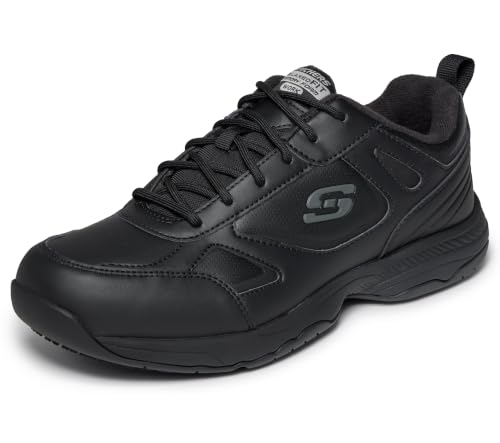


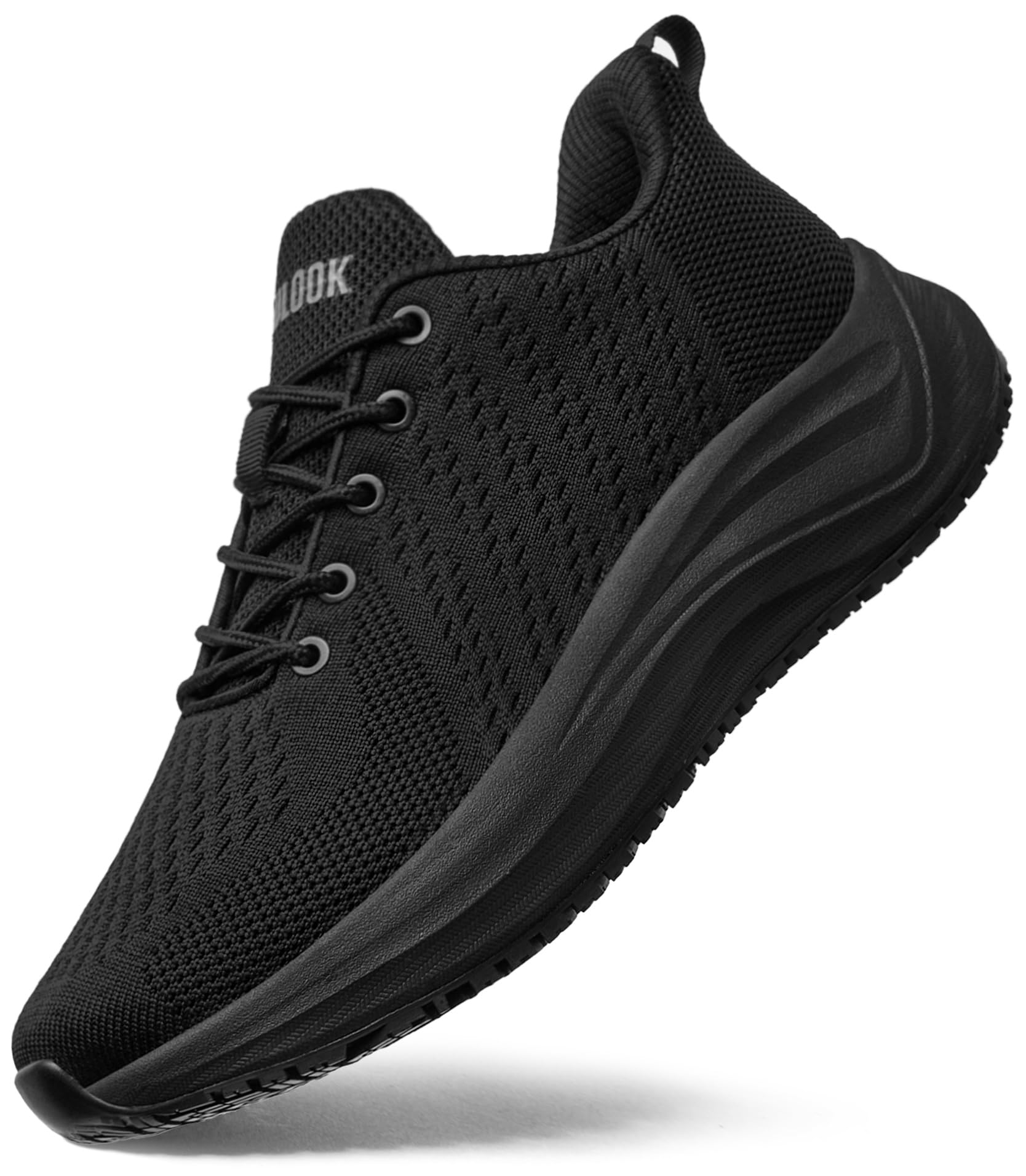
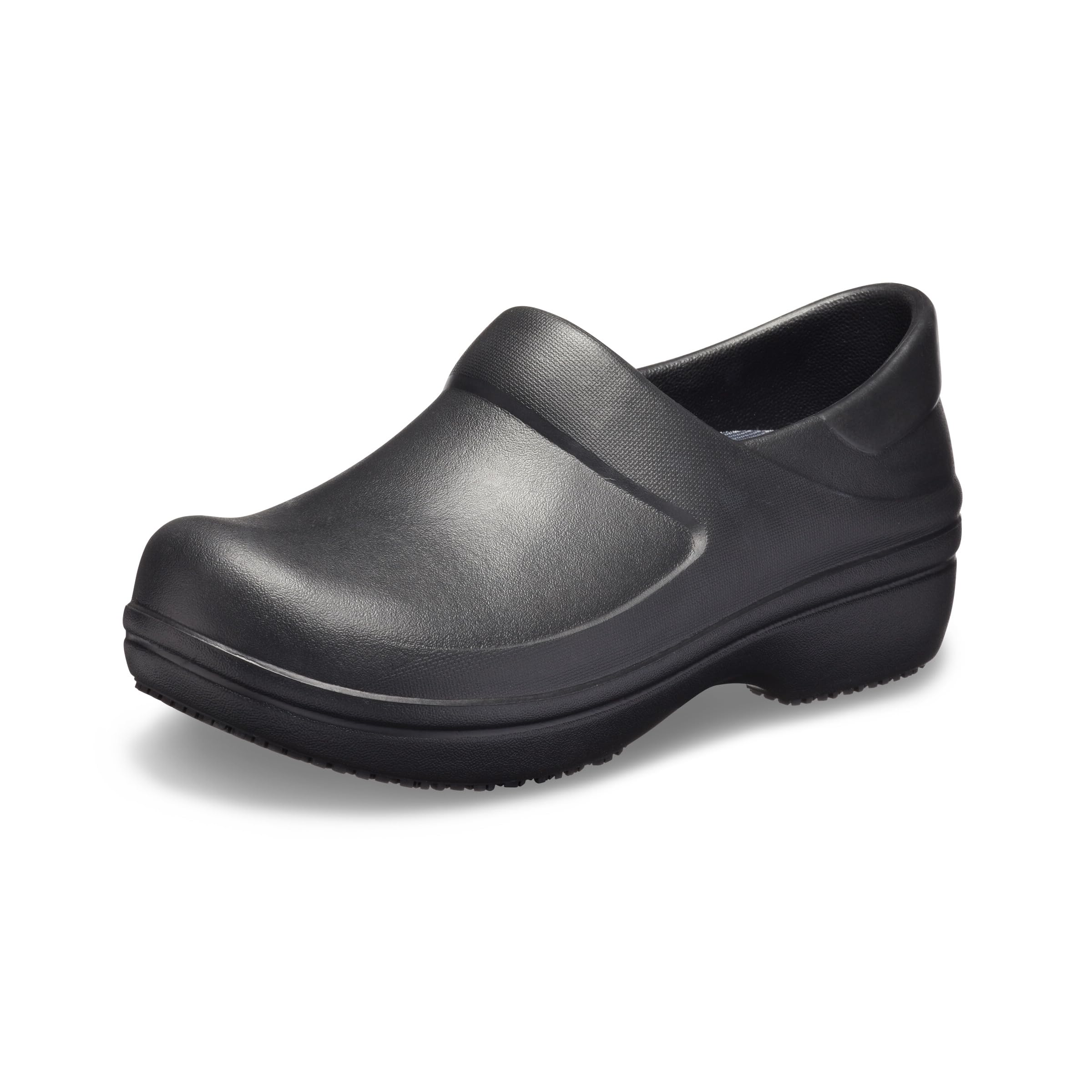


Who Should Buy This Type of Shoe
Bartenders, barbacks, and servers who spend most of a shift on their feet will benefit most from this kind of footwear. People who work on tile, concrete, or sealed wood floors need grip that holds on wet patches and a midsole that softens each step. If you walk between the bar, the storeroom, and the dining room all night, a lighter pair with a secure fit will reduce fatigue. Anyone with sore arches or tired knees at the end of a shift should pay extra attention to cushioning and heel stability.
Key Features Worth Comparing
Grip on Wet and Sticky Floors
The outsole is the first feature to check, because bar floors get wet, sticky, and greasy during service. Look for a deep tread pattern that channels liquid away and a rubber compound rated for slip resistance on wet surfaces. A flat, broad contact area gives more stability than a narrow heel when you pivot to reach a tap or a shelf. Check the grip on a damp surface at home before a full shift, and replace the pair when the tread wears smooth.
Cushioning That Lasts a Full Shift
Foam that feels soft in the shop can flatten after a few hours, so ask how the midsole is built rather than trusting the first step. A layered midsole with a firmer base and a softer top layer usually holds its shape longer through a long night. Removable insoles are useful because you can swap in an insole that matches your arch height. If your feet ache near the end of service, the cushioning is probably too thin or too soft for your weight and stride.
Spill Resistance and Easy Cleaning
Spills are part of the job, so the upper should resist liquid and wipe clean without staining. Smooth leather or coated synthetic uppers handle beer, juice, and syrup better than open mesh, which soaks up liquid and holds odors. Sealed seams help keep moisture out of the inside of the shoe. At the end of a shift, a quick wipe and time to air out will keep the pair fresher and extend its life.
Fit, Support, and Ankle Stability
A secure fit matters more than a soft feel when you move quickly behind a bar. The heel should sit firmly without lifting, the midfoot should feel held rather than squeezed, and the toe box should give your toes room to spread. Low ankle collars suit fast movement, while a slightly higher collar can help if you often carry heavy crates. Try both feet on in the evening, when feet are a little swollen, to judge the true fit.
Sizing and Break In Advice
Order your usual size first, but check the return policy so you can swap sizes after a trial shift at home. New pairs often feel stiff for the first few wears, so break them in with short shifts or walks around the house before a busy weekend. If a seam rubs or a toe pinches during the trial, that problem will usually grow worse, not better, over time. Keep the receipt and the box until you are sure the fit works for a full night.
Care Routine for Bar Shoes
Rotate two pairs if you can, because a day of rest lets foam recover and moisture dry out fully. Remove the insoles after a shift and let the shoes air in a ventilated spot away from direct heat. Wash removable insoles on a regular schedule and wipe the uppers after spills rather than letting sticky residue build up. Check the tread each month, and retire the pair when grip fades or the midsole collapses on one side.
Living With Your Choice
Over weeks of service, small habits protect both your feet and your shoes. Stretch your calves and arches before and after shifts, and sit briefly when the bar allows it to take pressure off your feet. Keep a spare pair of socks at work so wet socks do not stay on all night. If pain appears in a new spot after changing shoes, review the fit and the insole before assuming the problem will pass on its own.
Related Guides Worth Reading
If you want a broader view of everyday comfort, the guide to best comfortable shoes compares cushioning and support across many styles. For the wider world of bar footwear, see best shoes for bartenders for grip and spill resistance advice. Women readers may prefer best comfortable shoes for women, while men can check best comfortable shoes for men for fit and sizing notes.
A Final Check Before You Order
Before ordering, confirm the sole rating matches the floors in your bar, since a sole made for dry retail floors will disappoint on wet tile. Check the size chart against your evening foot measurement, and read the return terms so a trial shift at home is possible. Compare the weight of the pair with your current shoes, because a heavy shoe adds fatigue over a long night. If the maker lists a slip rating, note the surface it was measured on so the claim matches your real floor.
Try the pair on a quiet shift before a busy weekend, and note any rubbing during the first two hours. Check that the toe box gives room when your feet swell later in the night. Walk on a damp patch at home to check grip before trusting the pair during service. If anything pinches or slips during the trial, exchange the size promptly rather than hoping the shoe will stretch.
Frequently Asked Questions
How much grip do bar shoes really need?
Bar shoes need strong grip because floors get wet from ice, spills, and glass washing during every shift. A slip resistant outsole with a deep tread pattern reduces the chance of sliding when you turn quickly or carry a tray. Check the tread depth regularly, since worn tread loses grip even if the upper still looks fine. Replace the pair when the sole feels smooth underfoot on a damp floor.
Should bar shoes be waterproof?
Bar shoes do not need to be fully waterproof, but a spill resistant upper makes a real difference over a long shift. Smooth leather or coated synthetics shed liquid and wipe clean, while open mesh absorbs spills and holds odors. Sealed seams add extra protection around the toe and the sides. If your bar has frequent floor washing, a more water resistant upper is worth the extra cost.
Are insoles worth changing in bar shoes?
Changing the insole is often the cheapest way to improve comfort, because factory insoles are usually thin and flat. A supportive insole that matches your arch height can reduce arch ache and heel soreness during long standing periods. Make sure the replacement insole fits the shoe without crowding your toes or lifting your heel. If pain continues after an insole change, talk with a clinician or podiatrist about your feet.
How often should bartenders replace work shoes?
Most bartenders need a new pair every six to twelve months, depending on hours worked and floor surfaces. Heavy shifts on concrete wear foam and tread faster than lighter shifts on wood. Watch for collapsed cushioning, uneven wear, or grip that no longer holds on wet floors. Keeping two pairs in rotation can extend the life of each pair and give foam time to recover.
Can I wear running shoes behind the bar?
Running shoes feel soft, but many lack the slip resistance and spill protection that bar work demands. Mesh uppers absorb liquid, and running tread patterns are made for forward motion rather than quick pivots on wet tile. If you prefer a sporty feel, choose a work shoe with a similar cushioning style plus a slip resistant sole. Always check your workplace dress code before choosing a casual style.
Final Thoughts
The right pair should feel secure, stay grippy on wet floors, and still feel comfortable when the last guest leaves. Compare grip, cushioning, spill resistance, and fit side by side, and use the product table above to narrow the field. Take time to break in a new pair before a busy shift, and talk with a clinician or podiatrist if foot pain persists. With the right fit, the best comfortable shoes for bartenders can make long nights noticeably easier.


