Best Bar Shoes: Slip-Resistant Work Shoes for Bartenders in 2026
Disclosure: We may earn a commission when you buy through links on this page, at no extra cost to you. As an Amazon Associate I earn from qualifying purchases. Learn more

Best bar shoes for bartenders: slip-resistant soles, easy-clean uppers, cushioning, and fit advice for long shifts on wet floors.
A bartender spends hours on hard floors that are often wet with spilled drinks, melted ice, and cleaning water. The best bar shoes give you a grippy slip-resistant sole, a water-resistant upper, and enough cushioning to stay comfortable through a long shift. This guide explains what to look for, so you can pick shoes that protect your feet and keep you steady behind the bar.
The product table lists slip-resistant work shoes from several brands in men's and women's styles. Use the sections below to decide on sole, upper, support, and fit, then compare the table against that list.
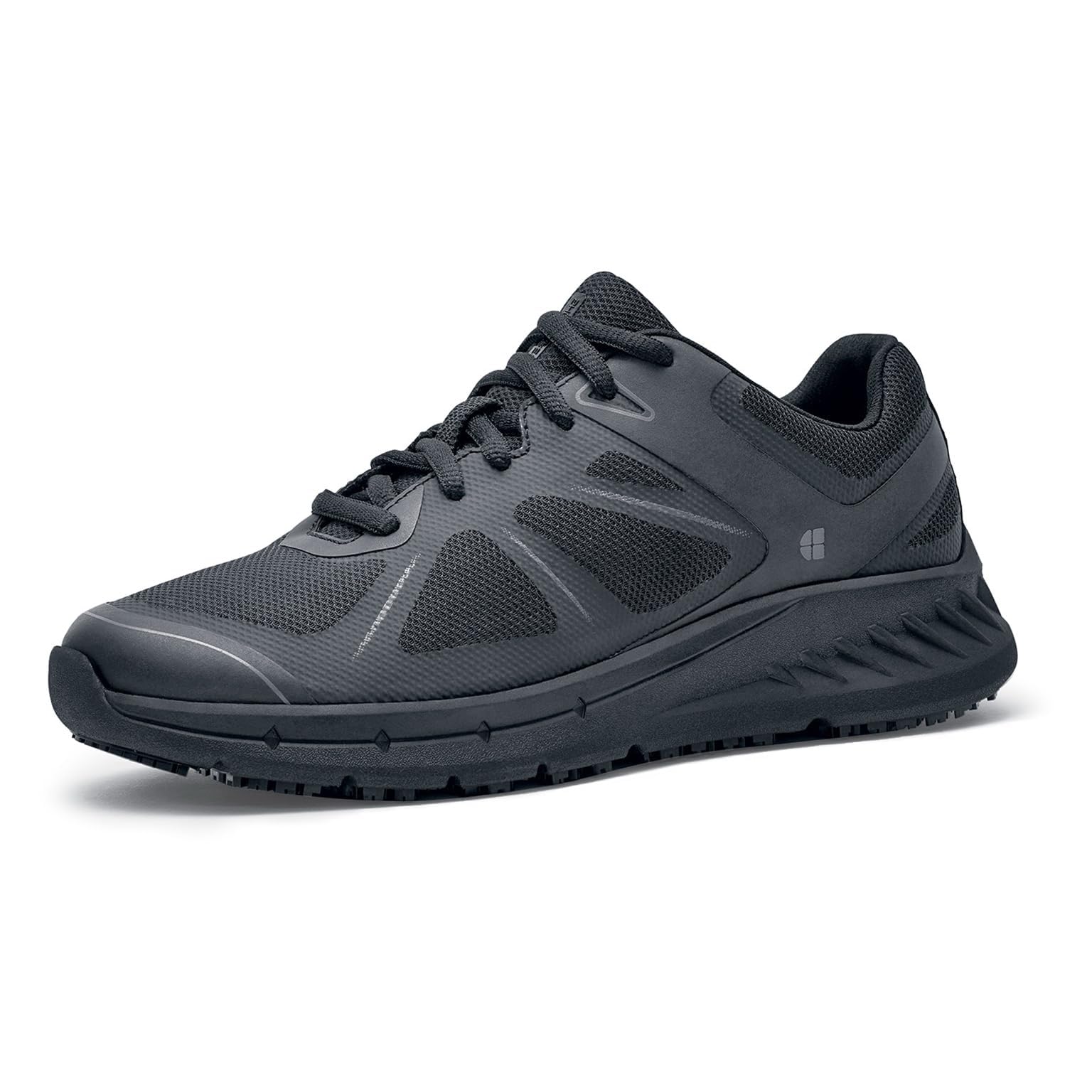
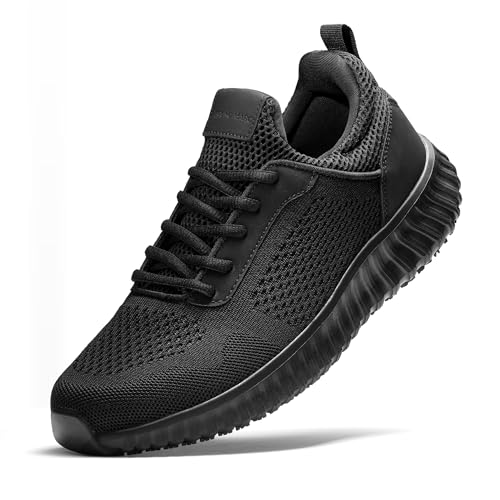

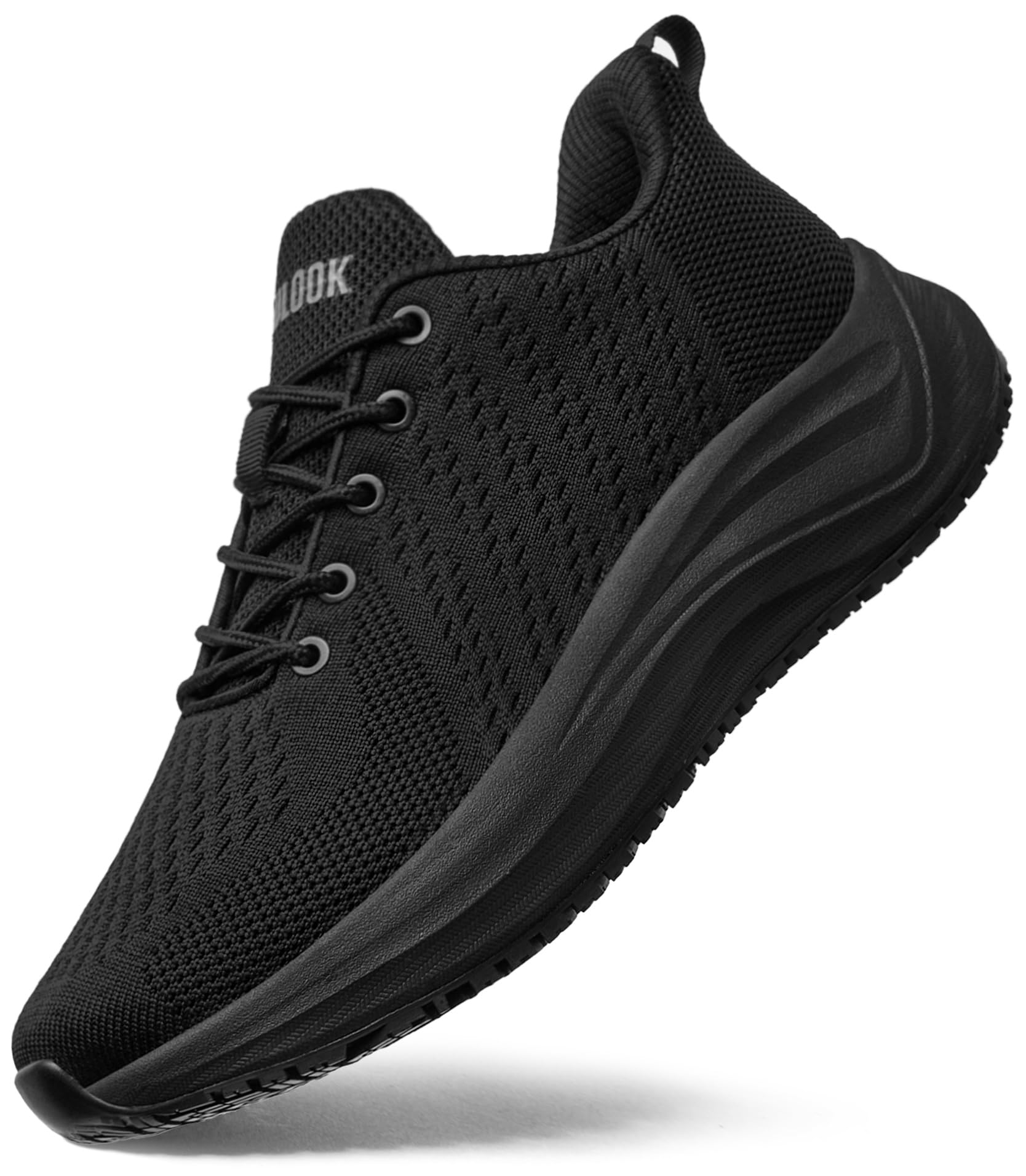
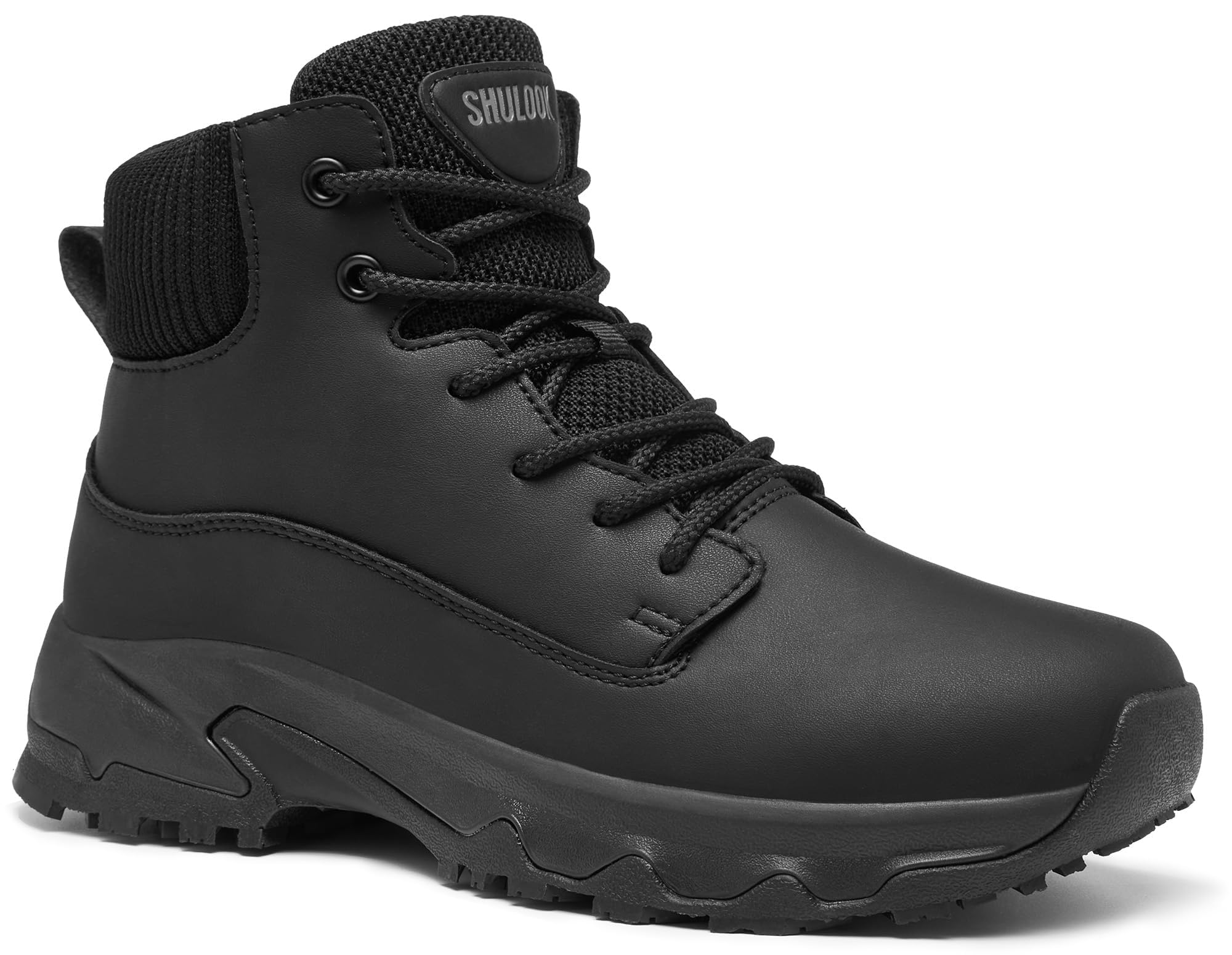


What Makes a Good Bar Shoe
Bar work combines standing, quick turns, reaching, and carrying trays or cases. The right shoe has to handle all of these, which means grip, comfort, and easy cleaning matter more than looks. A good shoe is also stable enough that your ankles and knees do not tire out as the night goes on.
Slip-Resistant Soles
Look for soles that are described as slip resistant or oil resistant, with a tread pattern made of small channels that move liquid away from the surface. Soft rubber compounds grip better on wet tile and sealed concrete than hard plastic. Replace shoes when the tread wears smooth, because grip fades with use even when the upper still looks good.
Water-Resistant, Easy-to-Clean Uppers
Spills are part of the job, so a leather or synthetic upper that wipes clean is far more practical than mesh or fabric that soaks up liquid. Waterproof shoes keep your feet dry, but they can run warm, so look for a breathable lining and a moisture-wicking insole.
Cushioning and Arch Support
Standing for six to ten hours puts constant pressure on the heels and arches. A cushioned midsole, a supportive arch, and a roomy toe box help reduce fatigue. If you have specific foot concerns, ask your doctor or a podiatrist about inserts, and follow the manufacturer's instructions for the shoe.
Styles of Bar Shoes
Work Sneakers
Athletic-style slip-resistant sneakers are the most popular choice because they feel familiar and light. They suit busy bars where you walk a lot, and many come in black, which matches most dress codes.
Slip-On Work Shoes
Slip-ons are quick to put on and often have a clean look that suits cocktail bars and restaurants. Look for a snug heel and an elastic panel that holds the shoe in place, so they do not slide off during fast movement.
Work Boots
Short slip-resistant boots add ankle support and extra water protection. They suit bars that clean with lots of water, outdoor venues, and anyone who carries heavy kegs or cases. They can feel warmer, so check ventilation.
Fit and Sizing Tips
Try shoes on late in the day when your feet are slightly swollen, and wear the socks you use at work. Leave about a thumb's width of space beyond your longest toe, and check that the heel does not slip when you walk. If you are between sizes, choose the larger one and use a good insole. Wide-fit options are available in several styles for people who need more room.
Break in new shoes over a few shorter shifts instead of starting with a full night. Rotate between two pairs if you can, because shoes recover their cushioning when they have a day to dry and rest.
Best Bar Shoes by Budget
Under $50
Basic slip-resistant work shoes at this price work for occasional shifts or a trial period. Check the sole closely, since thin treads wear out fast.
$50 to $80
This range holds most of the best options. You get more durable soles, better cushioning, and waterproof or oil-resistant uppers from established work-shoe brands.
Above $80
Higher-priced shoes offer premium cushioning, leather uppers, and longer life. They make sense for full-time bartenders who stand for long shifts every week.
Care and Replacement
Wipe shoes after every shift, let them dry away from direct heat, and brush dirt out of the tread so it keeps its grip. Replace insoles when they compress, and replace the shoes when the sole is smooth, the midsole feels flat, or the upper cracks.
Common Mistakes to Avoid
Wearing everyday sneakers behind the bar is the most common error, since they are not designed for wet floors. Another is choosing shoes by style alone and ignoring cushioning. Finally, avoid keeping shoes after the tread wears out, because slips cause injuries that cost far more than a new pair.
Frequently Asked Questions
What features matter most in bar shoes?
A slip-resistant sole, a water-resistant upper, and cushioning with arch support matter most. Fit and weight come next, because they affect how you feel at the end of a long shift.
Are slip-resistant shoes the same as non-slip shoes?
The terms are used interchangeably. Check for wording such as slip resistant or oil resistant, and avoid relying on the name alone. A real work-shoe sole is designed with a specialized tread and rubber compound.
Do I need waterproof shoes?
Not always, but water-resistant uppers help keep your feet dry and make cleaning easier. If you choose fully waterproof shoes, look for breathable linings to avoid sweaty feet.
How often should I replace bar shoes?
Most people replace them every six to twelve months of full-time use, or sooner if the tread wears down or the cushioning feels flat.
Can I wear sneakers behind the bar?
Only if they are made to be slip resistant. Regular running or casual sneakers have soles meant for dry surfaces and can be dangerous on wet floors.
What if my feet hurt after a shift?
Check the fit and cushioning first, and try a supportive insole. If pain, swelling, or numbness continues, talk with your doctor before continuing to wear the shoes.
Final Thoughts
Choose a shoe built for wet floors, fit it carefully, and replace it before the grip is gone. Use the product table above to compare current styles and prices, and remember that the best bar shoes are the ones that keep you safe and comfortable from the first order to closing time.