Best Brown Leather Riding Boots: Our 2026 Checklist and Buying Guide
Disclosure: We may earn a commission when you buy through links on this page, at no extra cost to you. As an Amazon Associate I earn from qualifying purchases. Learn more
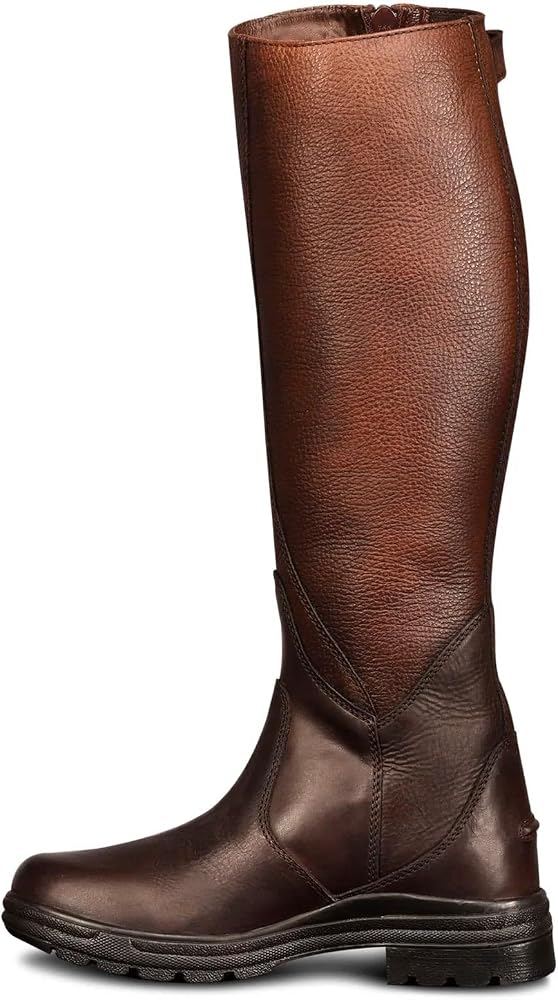
Compare brown leather riding boots by calf fit, shaft height, heel, sole and leather quality, with a clear checklist for English riding and daily barn wear.
A tall riding boot has two jobs at once. It must protect your leg and hold your heel steady in the stirrup, and it must look right with your breeches and tack. The best brown leather riding boots do both without pinching your calf or slipping at the ankle. This guide gives you a checklist, so you can read the comparison table below and judge each pair on fit, leather and safety.
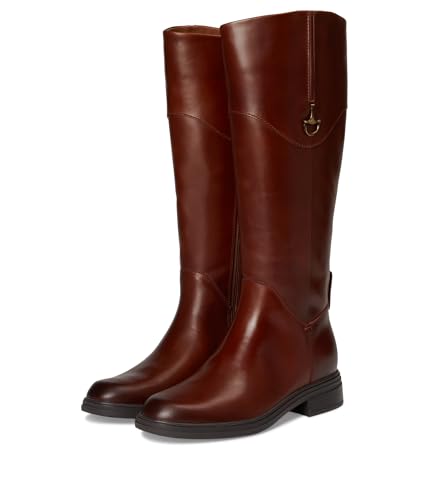
Brown adds one more choice that black boots do not. Shades range from pale tan to deep chocolate, and the right shade depends on your tack and how formal your riding is.



Who Should Buy Which Brown Leather Riding Boots?
Start with the riding you do most weeks, since your discipline points you to the right style faster than price does.
Dressage and Flatwork Riders Who Want a Clean Line
You ride mostly on the flat and value a smooth, quiet leg. Choose a dress style boot with no laces, a firm shaft and a shape that sits close to your calf. Brown dress boots pair well with tweed jackets and brown tack for schooling and local shows. Check your discipline rules before a rated show, since some formal classes expect black boots.
Jumping and Eventing Riders Who Need Ankle Flex
You shorten your stirrups and need your ankle to bend as you fold over a fence. Choose a field style boot with laces at the front of the ankle, since the laces let the ankle flex and give some fit adjustment. Look for a heel that keeps your foot from sliding through the stirrup and light tread for grip on wet grass.
Riders Who School Daily and Walk the Barn Grounds
You ride, muck stalls, lead horses and cross gravel and mud in the same pair. Choose sturdy leather, a cushioned footbed and a sole that grips on concrete without holding deep mud. A back zip saves time on a busy day. If you walk far more than you ride, a paddock boot with half chaps may serve you better on the ground.
Key Features to Compare
Compare each pair in the same order, starting with fit. When you shop for best brown leather riding boots in a new brand, that brand size chart matters more than the size you wore in another one.
Calf Fit, Shaft Height and Toe Box Room
Your calf decides whether a tall boot works at all. Brands offer slim, regular and wide calf widths, and the widest point of your calf must match the chart for the height you choose. Shaft height should reach just below the back of your knee when new, since leather drops a little with wear. Wear riding socks and check that your toes can spread in the toe box.
Leather Quality and Brown Shade
Full grain leather costs more, resists scuffs and takes polish well, so it suits riders who show. Softer corrected leather feels supple sooner and costs less, but it shows wear sooner at the inner calf. Hold the shade next to your saddle in daylight before you commit. Brown leather darkens with conditioner, so a shade that looks light when new often settles to the tone you want.
Heel, Outsole and Stirrup Safety
A riding boot needs a heel, usually about 1 to 1.5 inches, to stop your foot sliding forward through the stirrup. The outsole should offer steady grip in the stirrup, yet stay smooth enough to release if you fall. Deep chunky tread belongs on yard boots. A firm shank under the arch keeps your foot stable when your weight drops into your heels.
Dress, Field and Zip Closure Styles
Dress boots have a clean front and the most formal look, and most now close with a back zip so you no longer need boot pulls. Field boots add laces at the ankle, which help if your ankle and calf sizes do not match standard charts. Pull on styles demand a very close calf fit. Choose the closure by your leg shape, not by looks alone.
Lining, Footbed and All Day Comfort
A leather lining feels smooth against breeches and molds to your leg, while a moisture wicking fabric lining feels cooler in summer. Inside the foot, look for arch support and cushioning under the heel, since you stand on concrete between rides. If your feet swell on hot days, try boots on in the afternoon, when your feet are largest.
Water Resistance for Wet Arenas and Barn Work
Leather resists light rain and arena splashes, and treated leather sheds more water in wet climates. No tall leather boot is a rubber boot, so deep mud will soak seams and zips in time. A waterproof membrane adds protection, but it holds heat around your calf. Most riders do better with treated leather and rubber boots for turnout.
How to Measure Your Calf and Foot for Brown Leather Riding Boots
Sit with your leg bent at a right angle, wearing the breeches and socks you ride in. Wrap a soft tape around the widest point of your calf without pulling it tight. Then measure from the floor up the back of your leg to the crease behind your knee. Measure both legs and use the larger numbers.
Measure your foot length in the afternoon and compare it with the brand chart, not your shoe size. Before you order, run through this checklist.
- Does the chart calf width match your wider calf with riding socks on?
- Does the shaft sit below the back of your knee when you bend your leg?
- Can you fit one finger behind your knee at the top of the boot?
- Does the heel match the safety range your trainer recommends for your stirrups?
- Does the brown shade sit well with your saddle and bridle in daylight?
- Can you exchange the boots if the calf fit is wrong when they arrive?
If you fall between calf widths, a field boot with laces or a stretch panel gives you more room to adjust than a plain dress boot. For the show ring, see our guide to the best black leather riding boots for the formal option, or see our guide to the best leather riding boots across all shades.
Common Mistakes to Avoid
- Ordering by shoe size alone ignores calf width, so the boot zips halfway and never closes.
- Choosing a shaft that is too tall digs into the back of your knee when you shorten your stirrups.
- Riding in boots with deep chunky tread risks your foot catching in the stirrup during a fall.
- Buying a pale shade without checking your tack leaves you with boots that clash with a dark saddle.
- Forcing a stiff new boot through a long first ride blisters your heel and creases the ankle badly.
- Storing wet boots beside a heater cracks the leather and weakens the glue at the sole.
Care and Maintenance for Brown Leather Riding Boots
Wipe dust and sand off after each ride with a soft damp cloth, then let the boots dry at room temperature away from heat. Clean off sweat and mud with a leather cleaner about once a week if you ride daily, since salt from sweat dries leather out. Work conditioner into the shaft and foot, but keep heavy grease off the inner calf panel.
Store tall boots upright with boot trees inside, so the shaft keeps its shape. Open zips fully before you pull the boots off, and clear grit from the zip teeth with a brush. Match brown polish to the boot shade, since black polish darkens brown leather for good. For the brown look away from horses, see our guide to the best brown leather boots.
FAQ
Can I wear brown leather riding boots all day at the barn?
Yes, you can wear brown leather riding boots for a full barn day once they have softened to your leg. Bring spare socks and change at midday, since fresh socks reduce rubbing. If your day is mostly mucking and turnout with one short ride, change into yard footwear for wet jobs and save the leather from soaking.
Are expensive brown leather riding boots worth the higher price?
Expensive brown leather riding boots can be worth it if you ride several days a week and keep one pair for years. Higher prices usually buy thicker full grain leather and replaceable zips. One detail many buyers miss is resoling, since a stitched sole can often be resoled, while a glued sole usually cannot.
How should brown leather riding boots fit when they are new?
New brown leather riding boots should feel snug at the calf and firm at the ankle, with your toes clear of the front. A small amount of heel lift is normal at first and fades as the footbed settles. Try stairs at home, since stairs show knee pinch faster than flat ground, and keep the tags on until that test feels right.
How long does the break in period last for leather riding boots?
The break in period for leather riding boots usually lasts about five to ten rides, depending on leather thickness. Wear new boots around the house first, then ride in them for short sessions. A heel blister in week one is common, but sharp pain at the front of your ankle points to a shaft that is too tall or too stiff, and that fit problem will not fix itself.
Do brown leather riding boots work for casual wear away from the barn?
Brown leather riding boots can work as casual wear with jeans or a skirt, and the tall shaft suits cool weather outfits. Keep in mind that a riding sole has light tread, so it can feel slick on wet tile. Many riders keep an older pair for town wear, since street salt wears the heel down faster than arena surfaces do.
The Bottom Line
Fit comes first, safety second and shade third. A boot that matches your calf and holds your heel in the stirrup will serve you for seasons, while a poor fit fails no matter how fine the leather looks. Use the product table above to compare calf widths, shaft heights and closures.
When you judge best brown leather riding boots by that order, the right pair is the one you forget about in the saddle. Measure carefully and keep the leather clean.