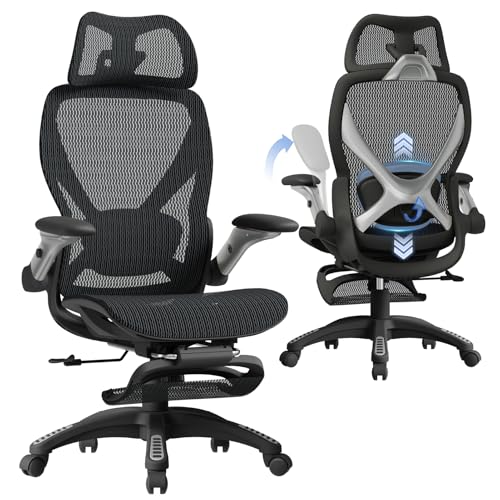
Best Comfortable Office Chairs for Home by Budget: Smart Picks for 2026
Disclosure: We may earn a commission when you buy through links on this page, at no extra cost to you. As an Amazon Associate I earn from qualifying purchases. Learn more
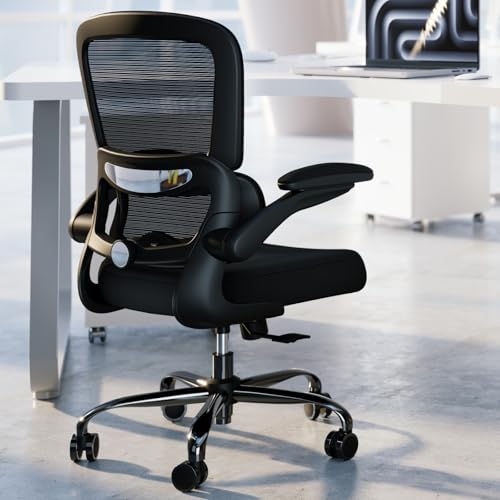
Compare the best comfortable office chairs for home by budget, with clear guidance on foam, lumbar support, armrests, sizing and long term costs.
Home office chairs range from under $100 to well over a thousand dollars, and the price gap alone tells you very little about how a chair will feel at the end of a long day. Choosing the best comfortable office chairs for home starts with knowing which upgrades genuinely change your comfort and which ones only change the product photo. A smart budget simply puts money toward the parts your body touches for hours at a time.
This guide walks through what each price tier really delivers, which features are worth paying for, and which extras you can safely skip. Use the comparison table below to see how current models stack up on price and core specs side by side. If you want a broader look at the category first, see our guide to the best home office chairs for general options beyond a comfort first shortlist.
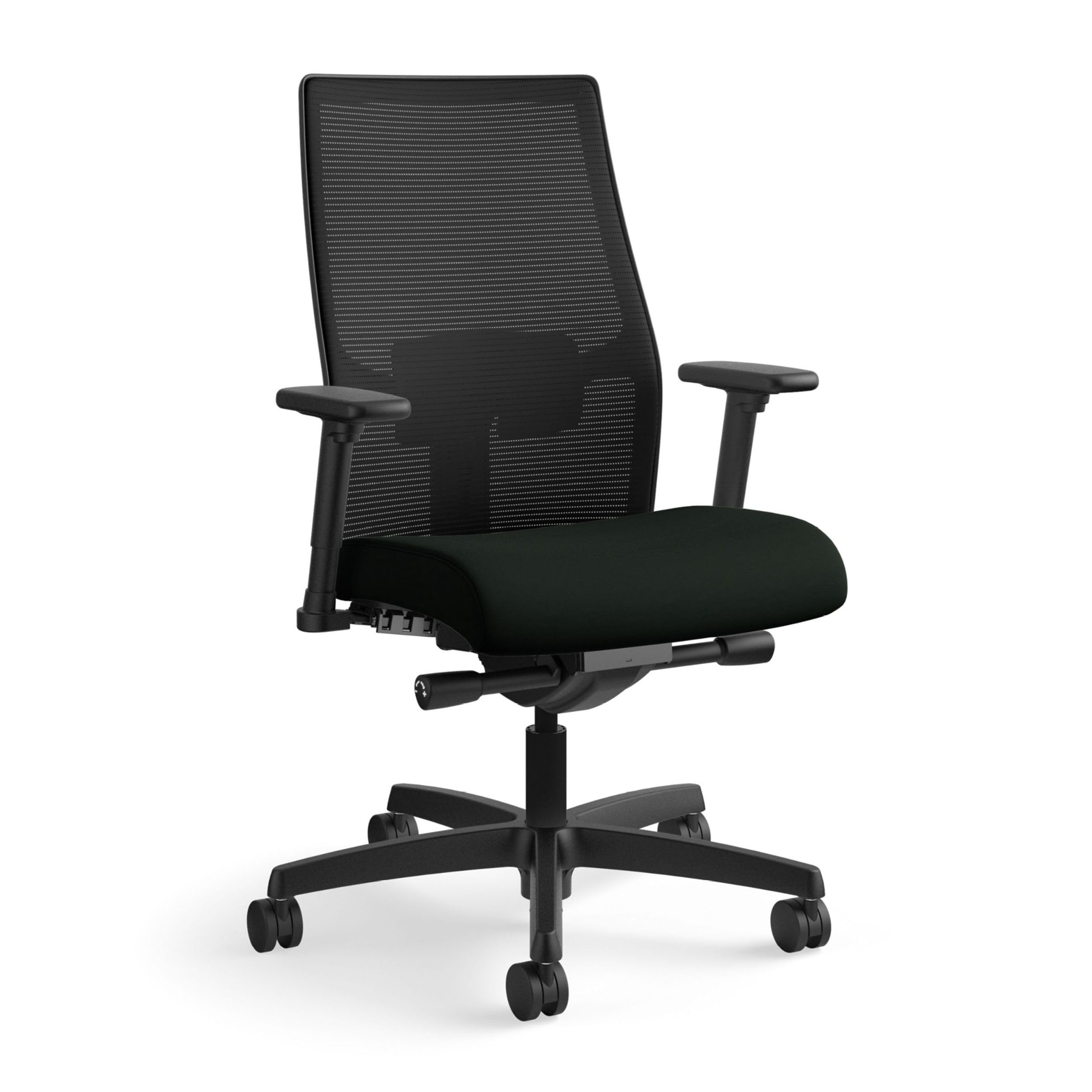
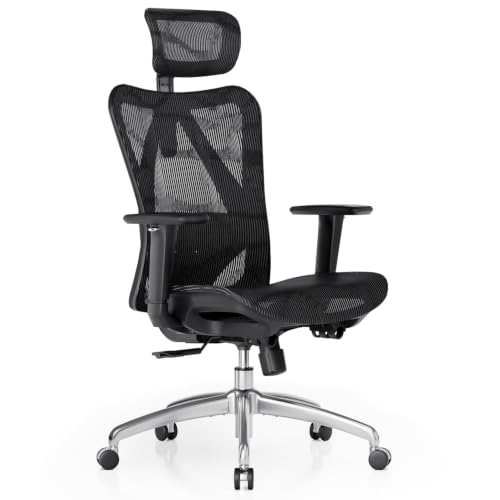
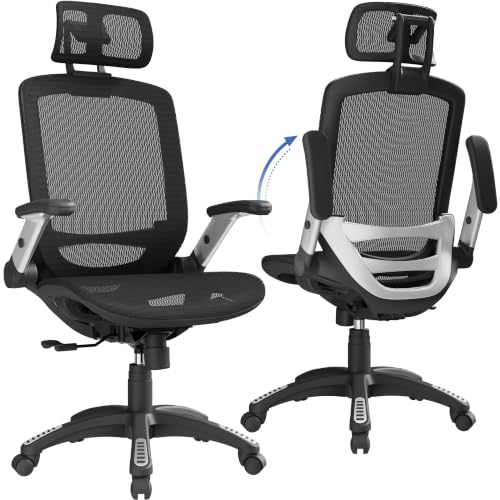
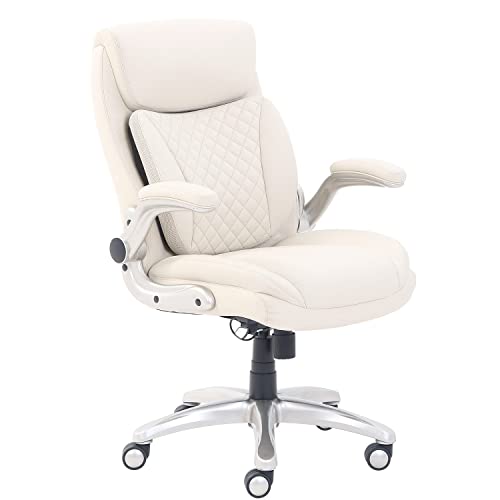
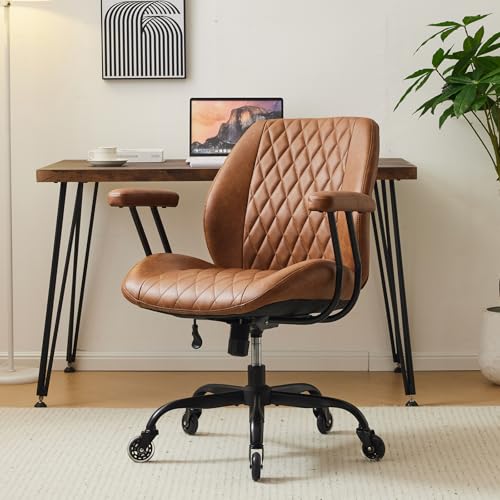
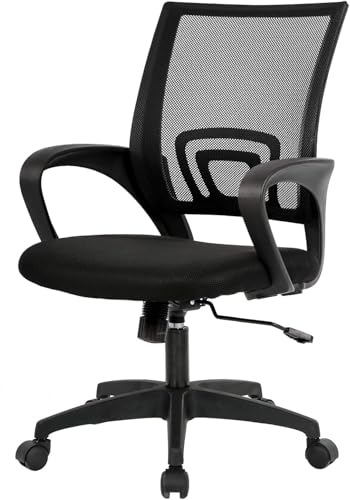
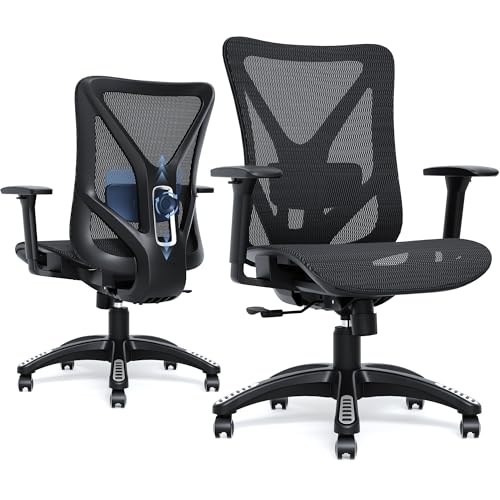
How to Shop by Budget Without Overspending
The right budget depends less on the room the chair sits in and more on how you actually use it. Hours per day, the kind of work you do, and any comfort problems you already notice should set your spending ceiling long before you look at colors or brands. Start with the group below that sounds most like your routine, then use the price tiers in the next section to narrow the field.
If You Sit for Short Sessions Each Day
If your chair hosts an hour of email, homework help, or bill paying at a time, a modest budget usually covers your needs well. Prioritize a padded seat with enough depth for your legs, a backrest that supports your natural curve, and a stable five point base. Deep recline ranges and elaborate armrest adjustments matter far less at this usage level. Spend the savings on a good desk lamp or a footrest instead, since short sessions rarely punish simple chairs.
If You Work Full Days From Home
Full time remote work is where comfort spending starts paying you back, because small annoyances compound across forty hours a week. Look for stronger lumbar support, a seat cushion that resists flattening, and armrests that adjust to your desk height. Many shoppers in this group start by reviewing the best office task chairs, since task designs concentrate on adjustability rather than decoration. Plan on the midrange tier at minimum, and treat anything below it as a short term fix.
If Aches Already Distract You From Work
If your shoulders climb toward your ears by noon or your lower back protests every afternoon, budget for the features that address posture directly. That means a backrest with adjustable lumbar support, a tilt lock that lets you change positions, and a seat you can raise until your feet rest flat. One caution matters here: numbness, sharp pain, or discomfort that lingers after you stand up deserves a conversation with a clinician, because no chair corrects a medical problem on its own.
What Your Money Gets You at Each Price Tier
Price tiers in this category follow a fairly predictable pattern. Each step up buys you better cushioning materials, more adjustment points, and stronger parts under the seat. Knowing what a tier normally includes keeps you from paying premium prices for budget construction, and it also keeps you from expecting miracles from the cheapest models in the product table above.
Budget Tier: What to Expect Under About $150
Budget models usually give you a foam padded seat, a fixed or lightly adjustable backrest, basic height adjustment, and plastic armrests that may not move at all. They suit students, spare rooms, and anyone sitting a few hours a day. The trade offs show up over time: thinner foam compresses sooner, tilt mechanisms feel loose, and upholstery wears faster.
Midrange Tier: The Sweet Spot for Most Buyers
Between about $150 and $400, chairs gain the features full time home workers actually feel. Expect high density foam or a breathable mesh back, adjustable armrests, a tilt lock with tension control, and lumbar support that moves or firms up on demand. Bases get sturdier, warranties stretch longer, and replacement parts become easier to find. For most people, this tier delivers the best balance of daily comfort and total cost, without paying for executive styling.
Premium Tier: When Spending More Pays Off
Above about $400, with many models costing a thousand dollars or more, premium chairs refine everything rather than reinventing it. You get multi direction armrests, seat depth adjustment, polished frames, richer upholstery, and engineering that keeps adjustments smooth for years. These chairs make the most sense for tall or heavy users, people who share a chair across shifts, and workers who sit ten hours daily.
Features Worth Paying For and Ones to Skip
Feature lists grow long at every price, so it helps to sort them by what changes your day. The five areas below decide most of your comfort, fit, and long term satisfaction. As you read the product table above, score each chair on these points before you look at extras like headrest pillows or decorative stitching, which rarely justify a higher price on their own.
Style and Room Fit
A home chair shares space with your living area, so looks matter more here than in a corporate office. Measure the spot before ordering: doorway width, desk clearance, and floor space for rolling backward all limit your choices. Neutral fabric hides wear gracefully, while bold colors can overwhelm a small room. If blending in is a priority, see our guide to the best desk chairs for home office for styles that suit shared spaces. Skip oversized executive silhouettes in tight rooms, since they crowd the desk and block walkways.
Comfort and Cushioning
Cushioning quality decides how a chair feels in hour six, not minute six. High density foam holds its shape and support far longer than the soft, low density padding common in budget models, which can feel plush in a showroom and flat within a year. A mesh back trades plushness for airflow, a real advantage in warm rooms. Look for a gently curved seat front, often called a waterfall edge, because it reduces pressure behind your thighs and helps circulation during long sessions.
Ergonomics and Adjustability
Adjustability is what turns a decent chair into one fitted to your body. Seat height should let your feet rest flat with knees near a right angle, and lumbar support should meet the curve of your lower back rather than pushing at a random spot. A tilt lock lets you recline slightly and hold that angle, easing pressure on your spine. For a deeper look at posture focused designs, see our guide to the best ergonomic home office chairs. Adjustable armrests matter too, since fixed arms at the wrong height shrug your shoulders upward all day.
Size, Dimensions, and Weight Capacity
Fit numbers deserve as much attention as comfort features. Check seat width against your hips, seat depth against your thigh length, and backrest height against your shoulders. Every chair lists a weight capacity, and staying comfortably below that rating protects the gas lift and frame from early wear. Tall users should confirm the maximum seat height, since a chair that sits too low bends knees sharply and strains hips. Petite users face the opposite problem and may need a lower minimum height plus a shallower seat.
Materials and Upholstery
Upholstery shapes cleaning effort, durability, and how the chair feels against your skin. Mesh breathes well and shrugs off spills, fabric feels soft and grips clothing so you slide less, and faux leather wipes clean but can crack as it ages if the surface layer is thin. Underneath, a metal base outlasts a plastic one, and larger casters roll more smoothly on carpet. When a listing leads with rich looking material names but stays vague about foam and frame, treat the comfort claims with caution.
Long Term Costs to Factor In
The purchase price is only part of what a home office chair costs you. Foam slowly compresses, casters pick up hair and grit, and the gas lift can lose pressure after years of daily use, so a chair with available replacement parts protects your budget better than a sealed design. Longer warranties, especially those covering the lift and mechanism, signal that the maker expects the chair to last. Readers comparing total setup spending can also see our guide to the best at home office chairs for the wider picture.
A few habits keep those costs down. Vacuum casters monthly so they roll instead of dragging, wipe upholstery with a damp cloth before stains set, and avoid using the armrests as a step when you stand. Tighten the bolts under the seat once or twice a year, since small movements loosen hardware gradually. Chairs treated this way often stay comfortable well past their warranty, which is where the real savings live.
Common Mistakes to Avoid
- Choosing by looks alone, because a handsome chair with thin foam becomes a daily regret within months.
- Ignoring seat depth, because a seat that is too deep forces you to perch on the edge without back support.
- Skipping the weight capacity check, because running a chair near its limit wears the lift and frame out early.
- Buying the largest executive model for a small room, because it crowds the desk and limits how far you can roll back.
- Assuming a higher price guarantees comfort, because fit to your body matters more than the size of the price tag.
- Forgetting floor protection, because hard casters on wood floors create scratches that cost more than a chair mat.
Frequently Asked Questions
How long should a comfortable office chair for home use last?
A well built comfortable office chair for home use should last about seven to ten years of daily work. The earliest wear signs are a seat that stays compressed after you stand, a lift that slowly sinks, or a new creak in the tilt mechanism. Catching those signs early matters, because replacing one part, such as the lift cylinder, can restore the chair for a fraction of the cost of a new one.
Is an expensive comfortable office chair for home worth the extra cost?
An expensive comfortable office chair for home is worth it when you sit most of the day and the higher price buys repairable construction. Premium models often sell replacement cushions, arm pads, and lifts years later, which stretches the cost across a much longer life. If your sitting time is short, the same money usually serves you better in the midrange tier, paired with a monitor arm or a better desk.
What features matter most in a comfortable office chair for long work hours?
For long work hours, the features that matter most are supportive lumbar contact, a seat cushion that holds its shape, and the freedom to change positions often. Small posture shifts throughout the day do as much for comfort as any single adjustment, so stand and stretch briefly each hour as well. A chair that encourages movement, through smooth tilt and easy height changes, protects you better than one that locks you into a single perfect pose.
How do I choose the right size comfortable office chair for my home desk?
To choose the right size, sit in your normal work shoes and measure from the floor to the underside of your thigh, then compare that number with the seat height range in the listing. Leave a gap of about two fingers between the seat edge and the back of your knees. Also confirm the armrests slide under your desktop, since arms that collide with the desk push you farther from your keyboard than is comfortable.
Final Thoughts
Comfort at home comes from fit, cushioning that lasts, and adjustments you will actually use, all matched to an honest budget. Set your tier by the hours you sit, score your shortlist on foam, lumbar support, and sizing, and glance back at the product table above to confirm the details before you order. Chosen that way, the best comfortable office chairs for home stop being a gamble and become one of the hardest working pieces of furniture you own.