
Best Comfortable Cowboy Boots 2026: Which One Fits the Way You Use It
Disclosure: We may earn a commission when you buy through links on this page, at no extra cost to you. As an Amazon Associate I earn from qualifying purchases. Learn more

Compare comfortable cowboy boots by heel, shaft, insole and toe shape, with waterproofing, break in and price guidance for riding and all day wear.
No single cowboy boot feels right for every wearer, because comfort comes from how the boot matches the way you use it. A pair that feels fine for a night of dancing can ache after ten hours of barn work, and the best comfortable cowboy boots for riding are built differently from a pair meant for walking around town. A few fit details matter far more than the price tag.
This guide starts with your routine, then covers the heel, insole, toe shape and break in period that decide whether a boot stays comfortable all day. The comparison table below lines up the main boot types side by side so you can spot the differences before reading the detail.

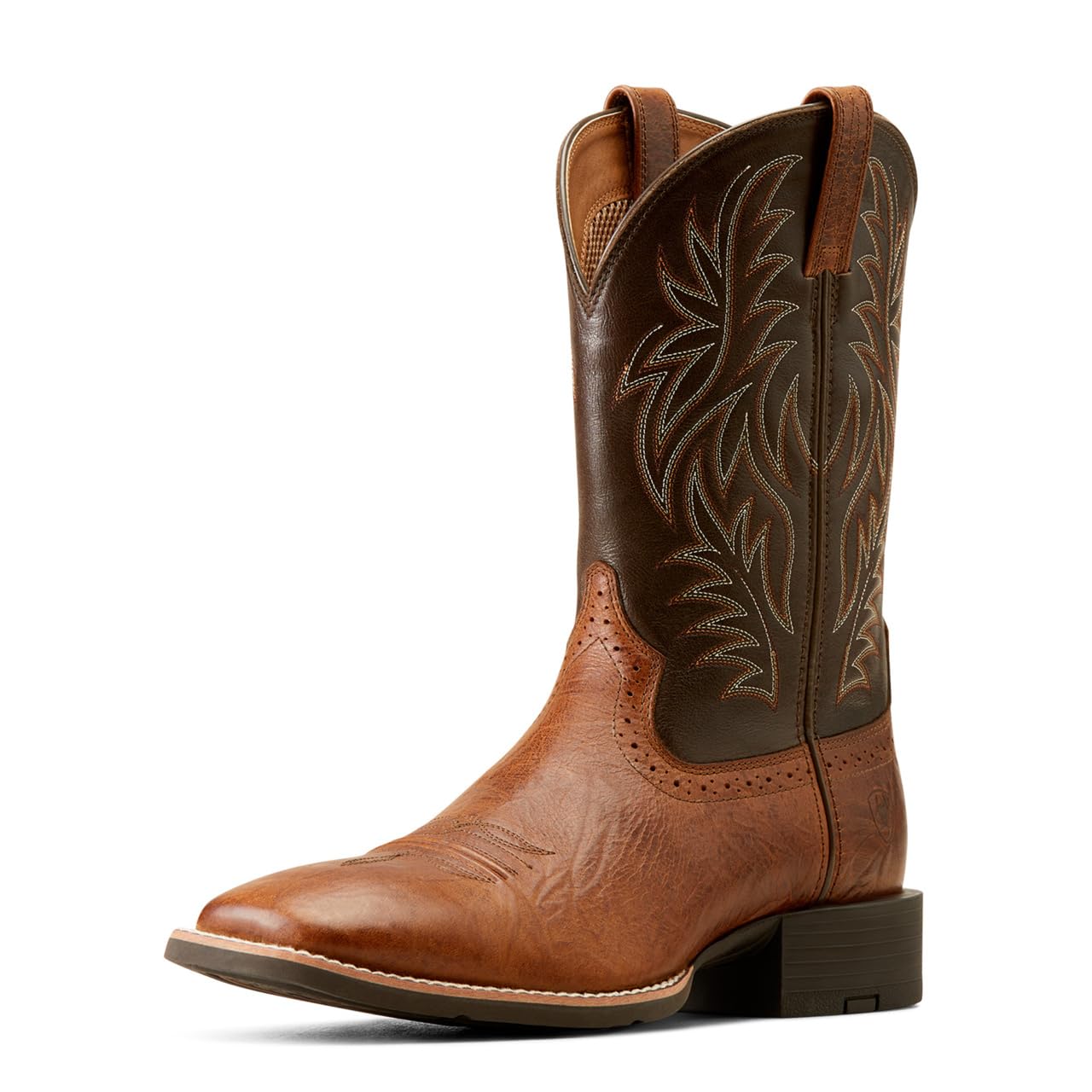
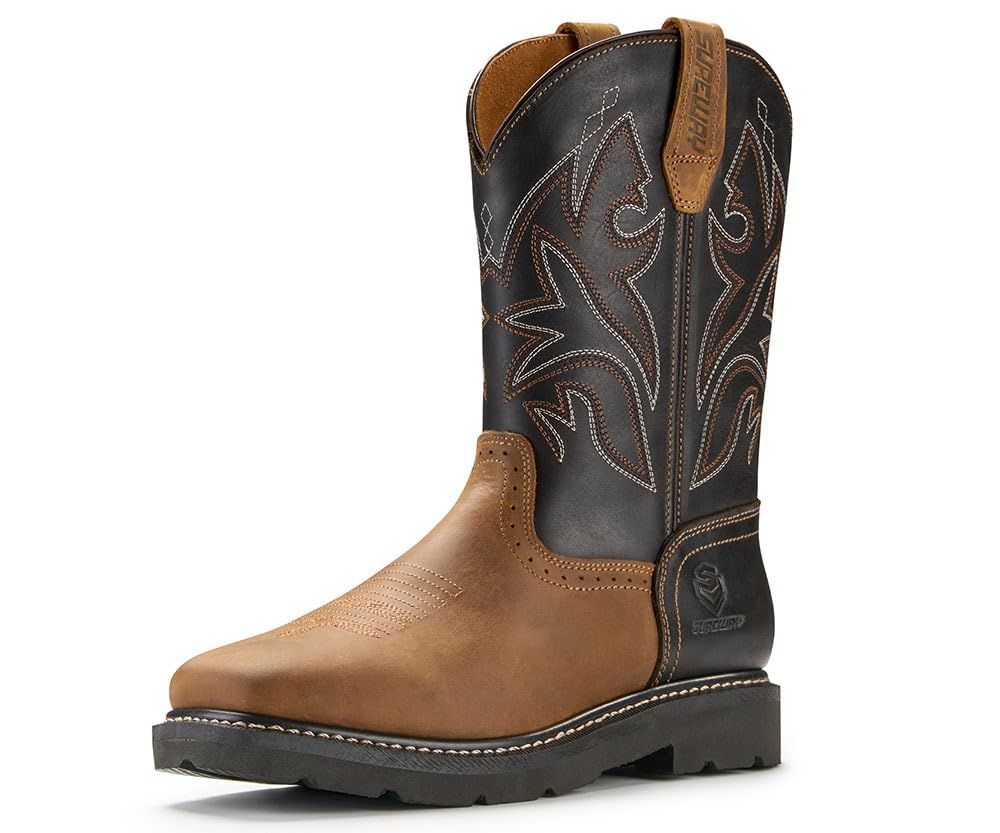


Who Should Buy Which Comfortable Cowboy Boots?
For Weekend Beginners
If you ride or go out in boots only now and then, you do not need the toughest leather or the tallest shaft. Look for a moderate heel, a cushioned insole you can feel the moment you step in, and a price around $150 to $250. A rounder toe gives your toes room while you learn how the fit should feel, and a rubber outsole grips better than smooth leather on wet pavement.
For Riders in the Saddle All Day
Riders need the boot to work with the stirrup first and the ground second. A riding heel keeps your foot from sliding too far through the stirrup, and a tall shaft shields your calf from the saddle and stirrup leather. Choose a slimmer toe that slips in and out of the stirrup cleanly, and expect to pay about $300 to $500 for leather that holds up to daily riding.
For Wet Weather and Rough Ground
Mud, rain and cold mornings call for a waterproof membrane and a lugged rubber outsole. The membrane keeps water out during chores, while deeper lugs shed mud and hold on slick ground. The trade off is warmth, because a lined boot breathes less on hot days. If wet work is rare, a plain leather boot plus a protector spray may serve you better for less money.
For Frequent or Serious Users
If boots are your daily footwear, build quality decides whether the pair still feels good after a year of wear. Full grain leather, a stitched sole you can have resoled, and a firm insole that does not pack down are worth about $400 to $600. Check the warranty before you buy, and read how the maker handles sole wear. Shoppers comparing construction details can also look at the best quality cowboy boots for a deeper take on materials.
Key Features of the Best Comfortable Cowboy Boots
Heel Height and Shaft
The heel is the first thing to read on a cowboy boot, because it decides how the boot behaves in a stirrup. A riding heel of about 1 to 1.5 inches catches the stirrup and helps keep your foot from sliding through it. A shorter, wider walking heel feels steadier when you spend the day on foot instead.
The tall shaft covers the calf, so the saddle and stirrup leather do not pinch or rub bare skin. The shaft must also work with your pants, and the guide to best jeans for cowboy boots covers leg openings that slide over a tall boot.
Insoles and Arch Support
Cushioning is where all day comfort is won or lost. A padded insole with real arch support keeps your weight spread across the foot, and a removable insole lets you swap in your own insert later. Flat feet usually want firmer support, while high arches often feel better with more cushion under the arch.
Outsole Traction and Terrain
A smooth leather outsole looks traditional and slides easily into a stirrup, but it can skate on wet floors and worn concrete. A rubber outsole with shallow lugs grips mud, gravel and barn aisles far better, at the cost of a slightly heavier step. Deep lug soles suit work boots more than riding boots, because thick tread can hang up in a stirrup. Match the sole to the ground you cross most, not the ground you cross once a year.
Fit, Sizing and Toe Shape
Measure and try boots in the afternoon, when your feet are at their largest. A new pair should feel snug across the instep, with the toes able to lie flat and a slight heel slip that fades as the leather softens. Women shopping for a narrower cut can compare the best ladies cowboy boots, while men with wide feet should look at the width options in the best cowboy boots for men guide. A broad square toe leaves the most room, and a pointed toe looks classic but squeezes wide feet.
Waterproofing and Breathability
A waterproof membrane inside the boot keeps rain and puddle water from soaking the leather, which matters for chores and wet pastures. The same lining slows airflow, so a waterproof pair runs warmer in summer. If you ride mostly in dry arenas, plain leather with regular conditioning stays cooler and costs less. Decide by your wettest normal week, not by the worst storm you can imagine.
The Break In Period
Stiff leather needs time to shape itself to your foot, and that shaping is the break in period. Wear a new pair around the house for short stretches first, then on short outings, before trusting it for a full day. A leather boot is broken in over days and weeks of wear, not in a single long day. Boots with soft linings and flexible soles feel kinder sooner, but they may give up some support later.
Common Mistakes to Avoid When Buying Comfortable Cowboy Boots
- Buying by looks alone, because a sharp pointed toe can crowd your toes for hours.
- Choosing a size up to get more width, since a longer boot lets the foot slide and rub.
- Ignoring the outsole, because a smooth leather sole slips on wet floors and mud.
- Skipping the break in period, so the first long day ends with sore feet and blisters.
- Never checking the warranty, which leaves sole and stitching faults for you to pay for.
How to Make Your Comfortable Cowboy Boots Last Longer
Brush off dirt after wear and condition the leather every few weeks so it stays supple instead of cracking. Let wet boots air dry at room temperature away from direct heat, which dries leather out and warps its shape. Rotating two pairs on heavy weeks gives the insoles a day to recover their cushion. Pull the boots off with a boot jack rather than stepping on the heel, so the heel counter keeps its shape.
Frequently Asked Questions
How should comfortable cowboy boots fit when they are brand new?
They should feel snug across the instep, firm at the heel, and roomy enough at the toes that you can wiggle them. A small amount of heel lift, roughly a quarter inch, is normal in a stiff new pair and shrinks as the sole flexes. If your toes press the front or the sides ache in the shop, that size will not improve with wear. Try the next width before you try a longer size.
How long does it take to break in cowboy boots?
Most leather pairs feel noticeably easier after about one to two weeks of regular short wear. Thick work leather can take longer, while soft fashion leather may feel fine in two or three days. Wearing the boots for an hour or two at a time, then resting them a day, speeds the process without punishing your feet. Thick socks during the first wears add a layer of protection against rubbing.
Are the most comfortable cowboy boots always the most expensive ones?
No, price buys better leather and construction, but comfort still comes from fit. A mid priced boot with the right toe shape and insole often beats a costly pair that pinches. Spend more when you ride daily and need a resoleable sole and stronger stitching. If you wear boots twice a month, a sound pair at a mid price usually serves you just as well.
Can I wear cowboy boots all day on concrete floors?
Yes, if the pair has a cushioned insole and a rubber outsole rather than a smooth leather one. Concrete punishes heels and arches, so a walking heel and real arch support matter more than shaft height on hard floors. Standing mats help at a fixed work spot, and swapping to a second pair on alternate days rests your feet. If foot pain keeps coming back, a clinician can check whether you need a different insert.
Do waterproof cowboy boots need different care from plain leather ones?
The outer leather still needs cleaning and conditioning, but skip heavy oils and waxes that can clog the membrane behind it. Use products the maker lists as safe for waterproof leather, and let the boots dry slowly with the insoles removed. Reproofing sprays restore water beading on the surface without sealing the lining. Store the pair upright with boot trees so the shaft keeps its shape between wears.
Wrapping Up
Comfort in a cowboy boot comes from three things: a heel and shaft matched to the saddle, an insole and toe shape matched to your foot, and enough patience for the break in period. Match those to your routine first, and the price bands in the product table above will make a lot more sense. For most buyers, the best comfortable cowboy boots are the ones chosen by use, not by looks alone.


