
Best Bootcut Jeans for Cowboy Boots: Types Compared and How to Choose for 2026
Disclosure: We may earn a commission when you buy through links on this page, at no extra cost to you. As an Amazon Associate I earn from qualifying purchases. Learn more

Compare the best bootcut jeans for cowboy boots by type, leg opening, inseam, rise, and denim to get a clean fit over the boot.
Choosing jeans to wear over cowboy boots sounds simple until you stand in front of four different bootcut styles and wonder which one will actually clear your boot shaft without bunching, riding up, or swallowing your heel. The best bootcut jeans for cowboy boots share one job: they fit your body well up top and open wide enough at the hem to drape cleanly over the boot below.
This guide compares the main bootcut types side by side, then walks through leg opening, inseam, rise, and denim so you can match a cut to your boots and your day. Use the comparison table below to see how the types differ at a glance before you read the detail.
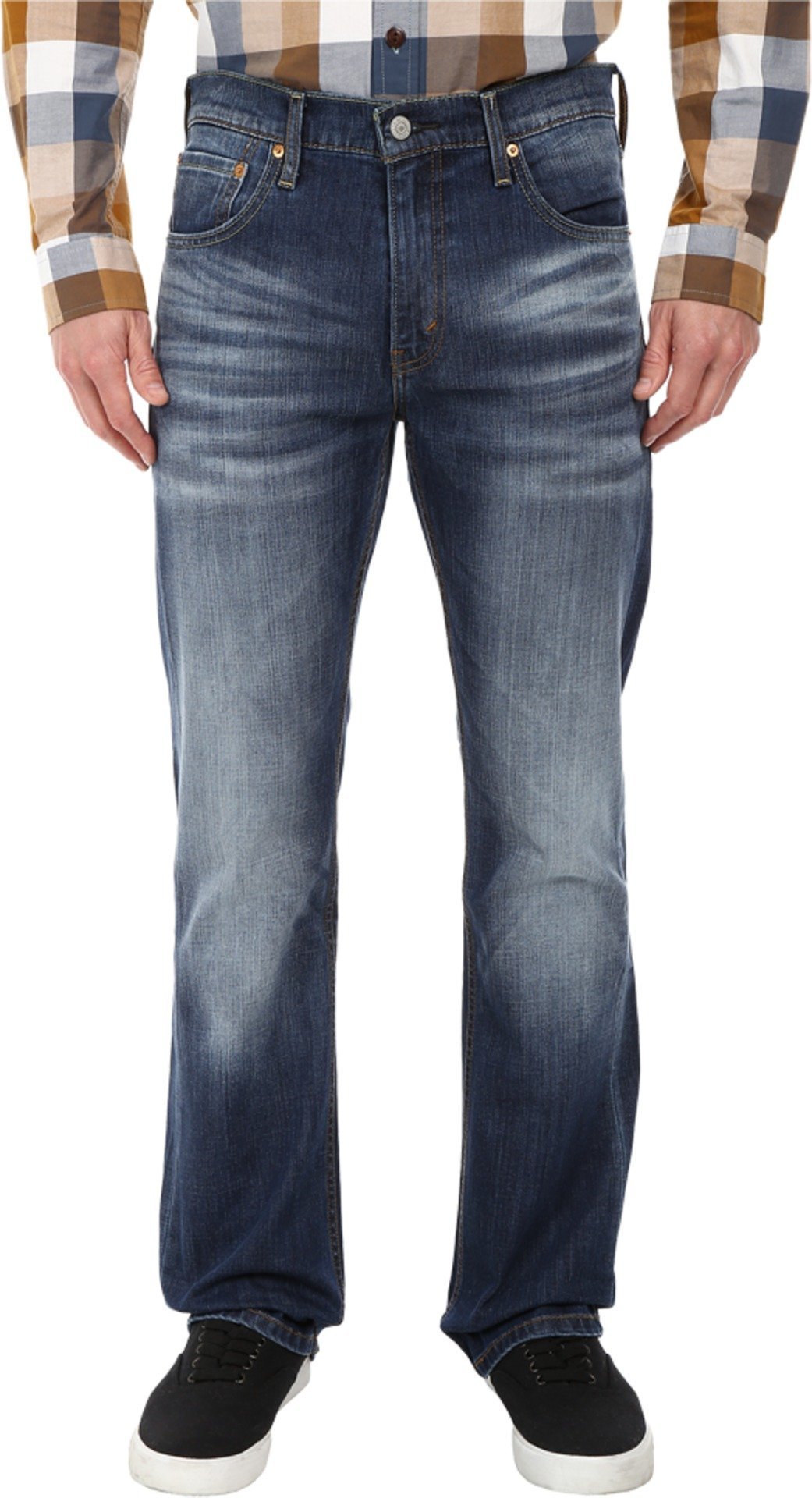


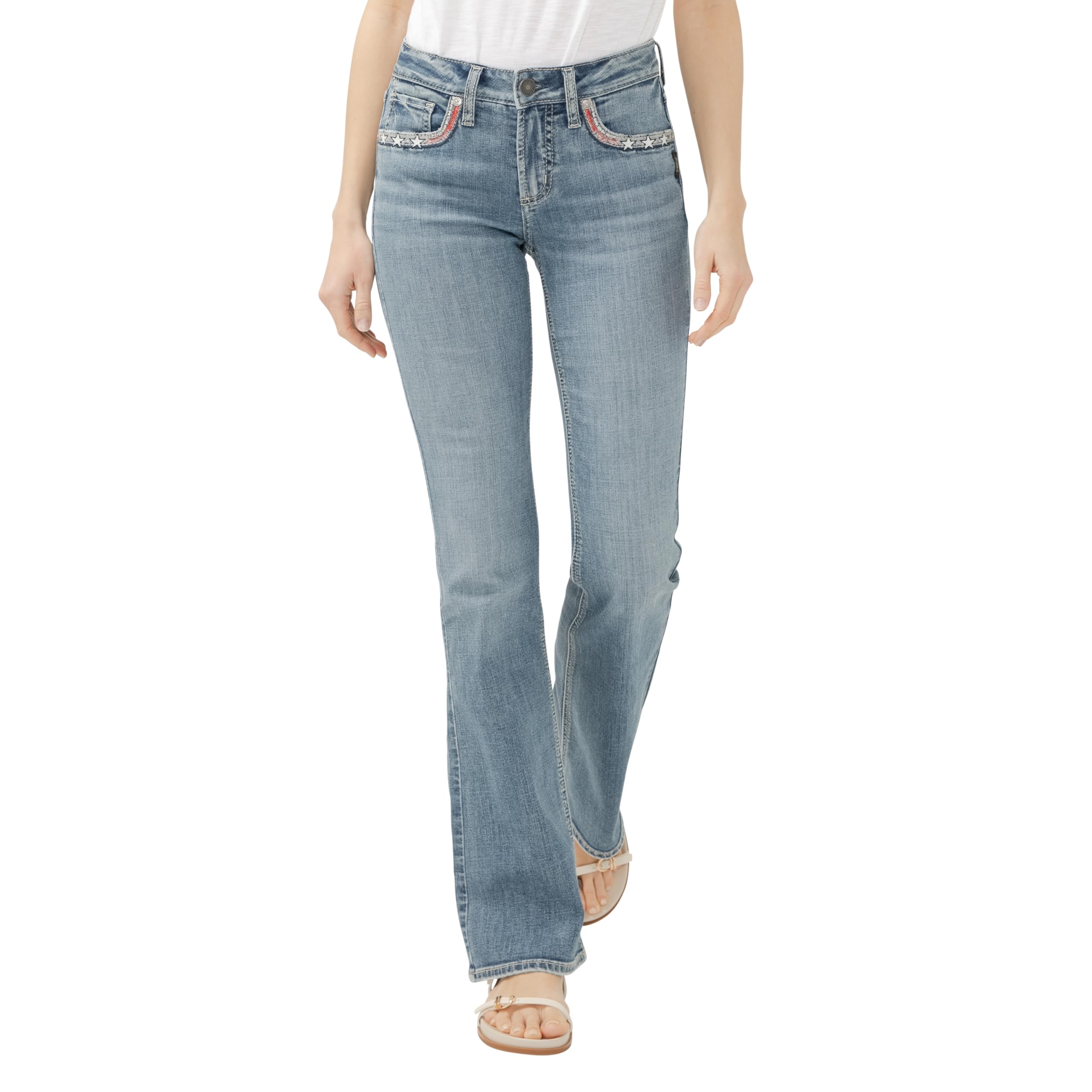
Types of Bootcut Jeans Compared
Bootcut jeans are fitted or relaxed through the thigh, then widen from the knee down so the hem can pass over a boot. Within that basic shape, brands vary the thigh room, the amount of flare, the rise, and the fabric, and those small changes decide whether a pair looks sharp with dress boots or works all day with sturdy work boots.
Classic Bootcut Jeans
The classic cut is the reference point for this style. It sits at the natural waist, gives the seat and thigh moderate room, and opens to a clear flare at the hem that covers most standard boot shafts with ease. It pairs well with traditional boots that have a taller shaft and a regular heel.
Choose the classic cut if you want one versatile pair for riding, town wear, and casual office days. Its main tradeoff is that the wider hem can look a little full with short boots or with shoes, so it reads best when you actually wear it over boots.
Slim Bootcut Jeans
Slim bootcut jeans follow the leg more closely through the seat and thigh, then open just enough at the hem to clear a boot. The flare is smaller and neater, which gives a cleaner line with lower profile boots and with dress boots that have a narrower shaft.
This cut suits leaner builds and anyone who likes a tailored look without moving to straight leg jeans that catch on the shaft. The tradeoff is room: a slim thigh can feel tight when you sit, climb, or spend hours in the saddle, and a very wide shaft may push the smaller hem outward.
Relaxed Bootcut Jeans
Relaxed bootcut jeans add room through the seat, thigh, and knee before the hem opens. That extra space makes them the most forgiving option for muscular thighs, for physical work, and for long days when you bend, lift, and move a lot.
They also clear tall, wide work boot shafts more easily than any other type. The tradeoff is shape: the extra fabric can look loose or sloppy in dress settings, and a hem that is too long will drag and fray quickly because there is more cloth near the ground.
Stretch Bootcut Jeans
Stretch bootcut jeans blend mostly cotton denim with a small amount of elastic fiber, so the fabric gives when you sit, step up, or swing a leg over a saddle. The cut itself can be classic or slim, but the flexible fabric changes how the pair feels across a full day.
Stretch helps if your weight shifts a little, if you travel in your jeans, or if a rigid waistband digs in when you sit. The tradeoff is recovery: fabric with more stretch can bag at the knee and seat over time, and it usually feels less crisp than firm traditional denim.
Classic, Slim, or Relaxed: Which Bootcut Should You Choose?
Start with your boots when you shop for the best bootcut jeans for cowboy boots, because shaft height and shaft width narrow the choice fast. Tall, wide shafts point you toward classic or relaxed cuts with a generous hem. Lower, narrower dress shafts work with slim cuts that keep the silhouette tidy.
Next, think about your build and your day. Athletic thighs and physical work favor relaxed room, while a lean build and mostly seated or social wear favor the slim shape. If you are between those poles, the classic cut is the balanced middle, and adding stretch to any of these cuts helps when comfort across a long day matters more than a firm, structured feel. The product table above sums up these tradeoffs by type.
Boot style matters beyond jeans alone, and readers comparing footwear can see our guide to the best boots for bootcut jeans for shaft and heel details that pair well with each cut.
How to Choose the Right Bootcut Jeans
Once you know your type, four details decide whether a specific pair works with your boots: leg opening, inseam, rise, and denim. Check each one against the boots you wear most often, not the pair you wear once a year.
Leg Opening and Boot Shaft Fit
Leg opening is the width across the hem, and it must be wider than the widest part of your boot shaft or the fabric will ride up and stack in hard folds above the boot. Most bootcut hems measure about 16 to 20 inches around, and wider shafts need the upper end of that range.
Measure your shaft circumference at its top, then try the jeans on while wearing the actual boots. The hem should slide down over the shaft without tugging and should rest over the boot rather than perching on top of it. If you shop for other jean styles as well, see our guide to the best jeans for cowboy boots to compare how bootcut hems differ from straight and relaxed styles.
Inseam Length and Stacking
Inseam is the inner leg measurement from crotch to hem, and bootcut jeans usually need a little more length than jeans you wear with shoes. A small amount of extra fabric, called stacking, settles in soft folds just above the boot and keeps the hem from pulling up when you walk or sit.
Aim for the hem to reach near the bottom of the boot heel area without pooling on the ground. Too short and the hem catches on the top of the shaft when you move. Too long and the back of the hem drags, wears thin, and picks up dirt with every step.
Rise, Waist, and Thigh Fit
Rise is the distance from the front waistband down and up to the back waistband, and it decides where the jeans sit and how they feel when you sit in a saddle or a truck seat. A mid rise or high rise gives coverage and keeps the waistband in place when you bend, while a low rise can slip and feel exposed.
Thigh fit should match the type you chose: slim thighs hug, classic thighs allow a finger of ease, and relaxed thighs leave clear room. Women comparing cuts shaped for hips and a higher rise can see our guide to the best women's bootcut jeans for cowboy boots for fit notes specific to those patterns.
Denim Weight, Stretch, and Wash
Denim weight is measured in ounces per square yard. Lighter denim, around 10 to 12 ounces, feels cooler and softer right away. Heavier denim, around 13 to 15 ounces, holds its shape longer, resists wear at the hem and thigh, and suits work and riding, though it feels stiff at first.
A small amount of stretch, often about 1 to 2 percent elastic fiber in the blend, adds comfort without changing the look. Wash is mostly style: dark washes read dressier and hide wear, while lighter washes and fading read casual and show dirt sooner. Men comparing weight and wash across cuts can see our guide to the best men's bootcut jeans for cowboy boots for more detail.
Common Mistakes to Avoid
Most bad pairings come from buying the jeans and the boots in isolation. Watch for these frequent errors before you order.
- Choosing an inseam based on your shoe size habits, which leaves the hem too short to clear the shaft and makes it catch every time you walk.
- Buying a slim hem for a wide work boot shaft, which forces the fabric up and creates tight folds above the boot.
- Ordering your usual size in rigid denim when the cut runs snug, which leaves the waist and thigh uncomfortably tight after a full day.
- Letting a long hem drag on the ground, which frays the back edge fast and ruins the clean line the cut is meant to give.
- Judging fit while standing only, which hides waistband slip and thigh tightness that show up as soon as you sit or climb.
- Matching a very light wash and thin denim to heavy daily work, which wears through at stress points far sooner than you expect.
Men who want a broader view beyond the bootcut shape can also see our guide to the best men's jeans for cowboy boots for how other cuts handle the same shaft and heel pairing.
How to Make Your Bootcut Jeans Last Longer
Wash bootcut jeans inside out in cold water to protect the wash and reduce fading along the creases. Turn them right side out to check pockets before washing, and close zippers and buttons so hardware does not snag or stress the fabric in the drum.
Air dry your jeans or use the lowest heat setting, because high heat weakens elastic fibers in stretch denim and can shrink the inseam you chose so carefully. Hang them by the waistband or lay them flat, and store them folded or on sturdy hangers rather than bunched in a drawer.
Wear each pair on a rotation instead of on back to back days, since a rest day lets the fibers recover their shape at the knee and seat. Brush off dust and spot clean small marks between washes, and mend a thinning hem or a loose button early, before a small flaw turns into a tear.
Bootcut Jeans for Cowboy Boots: Your Questions Answered
What features matter most in bootcut jeans for cowboy boots?
Leg opening, inseam, and rise matter most in bootcut jeans for cowboy boots. A hem wider than your shaft, enough length for light stacking, and a rise that stays put when you sit will decide comfort more than brand or wash. One extra check is the back yoke and pocket placement, since pockets that sit too low can catch on a saddle and change how the seat feels.
Are expensive bootcut jeans for cowboy boots worth paying more for?
Expensive bootcut jeans for cowboy boots can be worth it when the higher price buys heavier denim, stronger stitching, and a cut that holds its shape. You pay for durability and consistency between pairs more than for a label. A useful test is cost per wear: a sturdy pair worn weekly for years often beats a thin pair that bags out and needs replacing within a season.
How often should you replace bootcut jeans worn with cowboy boots?
You should replace bootcut jeans worn with cowboy boots when the fabric thins, the hem frays through, or the waist no longer recovers after washing. There is no fixed month count, because rotation and wash habits change the timeline a lot. Check the inner thigh and the back of the hem in bright light, since those spots wear first and can fail suddenly once the weave looks pale and fuzzy.
How long is the break in period for bootcut jeans for cowboy boots?
The break in period for bootcut jeans for cowboy boots is usually a few wears for stretch denim and a few weeks of regular wear for rigid heavy denim. The waist eases first, then the thigh and knee soften as the fibers relax with movement and washing. Wearing rigid pairs around the house for short stretches before a long day helps you spot pressure points before they become a problem.
How should bootcut jeans fit over cowboy boots?
Bootcut jeans should fit over cowboy boots by covering most of the shaft, resting over the instep, and leaving only the toe and heel clearly visible. The hem should not balloon around the boot or cling to the shaft. From behind, the fabric should fall in one smooth line to the heel, and you should be able to slide a finger between denim and shaft at the top of the boot.
Can you wear bootcut jeans with cowboy boots all day?
You can wear bootcut jeans with cowboy boots all day when the waist, thigh, and hem are right for your body and your boots. Stretch fabric and a rise that stays in place help most during long seated stretches. Take a short walk and a few sits during your first full day in a new pair, and note any digging at the waist or pulling at the knee so you can exchange sizes early if needed.
Final Thoughts
Match the type to your boots and your build first, then confirm leg opening, inseam, and denim weight before you buy. Classic cuts cover most needs, slim cuts tidy the line for dress boots, relaxed cuts handle work and stronger thighs, and stretch adds comfort to any shape. Review the product table above one more time, and choose the best bootcut jeans for cowboy boots for the boots you reach for most.


