
Best Comfortable Construction Boots 2026: A Buyer Checklist for Long Shifts
Disclosure: We may earn a commission when you buy through links on this page, at no extra cost to you. As an Amazon Associate I earn from qualifying purchases. Learn more

Use this checklist to choose comfortable construction boots for long shifts, covering fit, cushioning, arch support, traction, waterproofing and safety toes.
Comfort on a building site is not a luxury. It decides how your feet, knees and back feel at the end of a ten hour shift, and whether you can focus on the work in front of you. This guide uses a simple checklist to judge the best comfortable construction boots for your trade, your surfaces and your foot shape.
You will learn how fit, cushioning, arch support, traction and waterproofing work together, and which build suits which job. Start with the comparison table below.
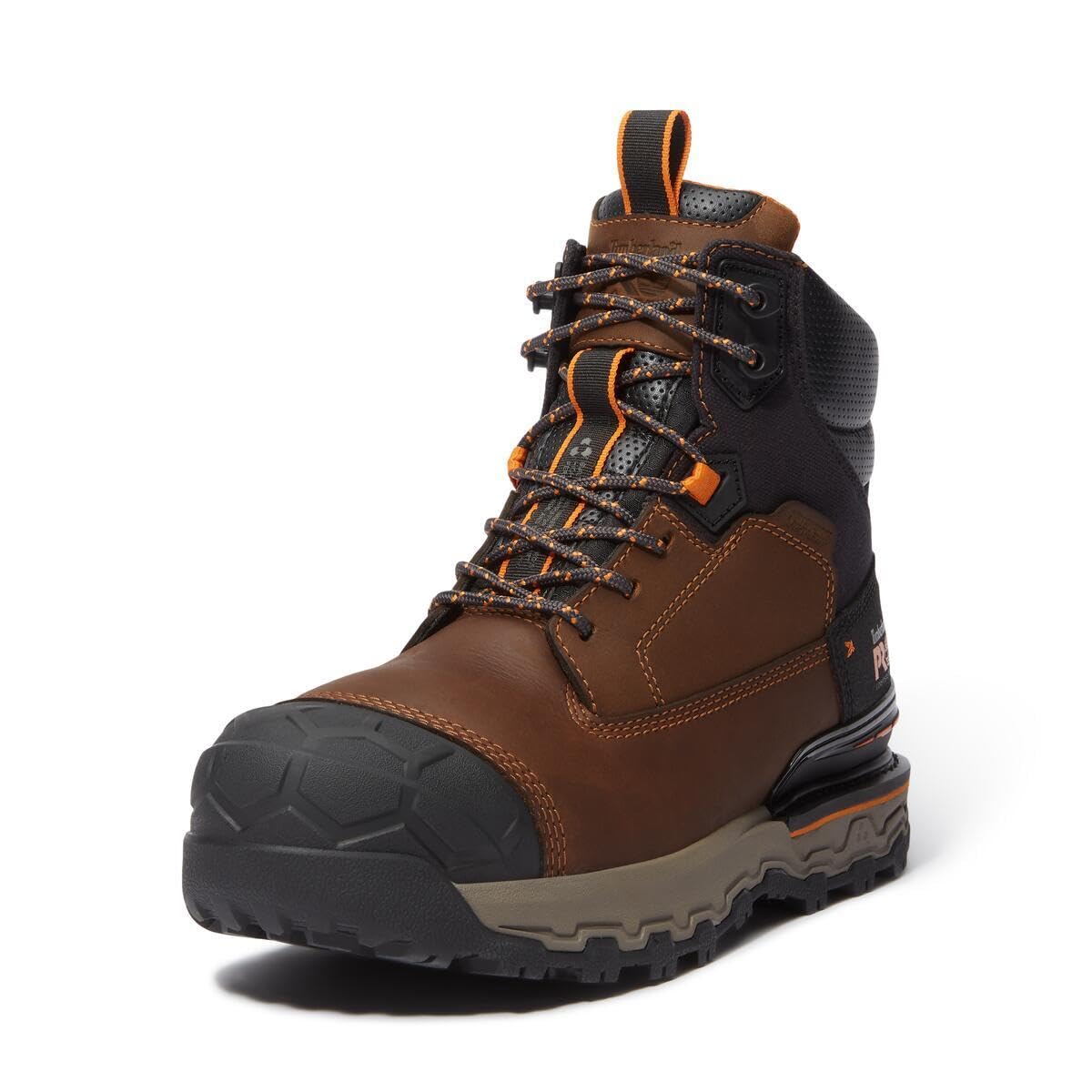


Who Should Buy Comfortable Construction Boots for Long Shifts
The right pair depends on where you stand, what you carry and what the ground does to your feet each day.
Crews Who Stand and Walk on Concrete All Day
Concrete and deck plates return almost every step straight back into your heels and knees. If you pour, frame or finish floors for hours, put cushioning and a stable, fairly flat sole first. A wedge style outsole spreads pressure across the whole foot and suits smooth hard surfaces well.
Workers Who Climb, Kneel and Carry Heavy Loads
Ladder work, scaffolding and carrying materials change what comfort means. You need a defined heel that locks onto a rung, firm support through the midfoot so the boot does not twist under load, and ankle coverage that steadies you on uneven ground. An 8 inch shaft helps here, while a 6 inch boot feels better if you kneel and crouch often.
Workers in Wet, Muddy or Cold Conditions
If you start in mud, stand in shallow water or work through winter weather, dry feet matter as much as soft feet. A waterproof membrane and a sealed tongue keep water out, while deep lugs clear mud instead of skating on it. For a broader view of site footwear, see our guide to the best construction boots.
Key Features to Compare
Score each pair against these six factors. Treat fit as the first filter and the rest as tie breakers, because a boot that fails on fit will still leave you sore.
Fitting Construction Boots Around a Safety Toe Cap
Measure both feet late in the day, when they are at their largest, and size to the longer foot. Your toes should move freely inside the toe box without pressing the safety cap, and your heel should stay seated when you walk down stairs. Leave roughly a thumb width in front of your longest toe while standing, and bring your real work socks to the fitting.
Cushioning, Stability and Heel to Toe Drop
Cushioning lives in the midsole foam and the insole, and it should feel supportive rather than soft and wobbly. Stability comes from a firm heel counter and a sole that resists twisting when you step on rubble. Heel to toe drop is the height difference between heel and forefoot. A modest drop eases calf strain for many workers, while a flatter feel suits people who stand in one place.
Arch Support for Flat Feet and High Arches
Arch support should match your foot shape. Flat feet often roll inward under load, so a firmer arch and a stable heel help keep your ankles aligned. High arches usually need more cushioning under the heel and forefoot. If you get persistent numbness, sharp heel pain or swelling that does not ease overnight, talk with your clinician about your personal needs.
Waterproofing With Gore Tex and Other Membranes
A waterproof membrane such as Gore Tex blocks rain and puddle water while letting some sweat vapor escape, but no membrane feels truly breathable during heavy summer labor. Choose full waterproofing if you work in wet ground, snow or frequent rain. Choose a water resistant leather upper with mesh panels if your site is dry and hot, because airflow keeps your feet cooler and less prone to blisters.
Outsole Traction for Concrete, Mud and Steel
The outsole is your only contact with the site, so match the tread to your surface. Deep, widely spaced lugs grip mud and loose soil and shed debris as you walk. A flatter wedge sole gives more contact and grip on concrete, dry steel and roof decks, but it can clog in mud.
Weight, Flexibility and Safety Toe Choice
Every extra ounce is lifted thousands of times a day, so lighter boots reduce leg fatigue when protection levels are equal. Steel toes offer strong protection in a slim profile but conduct cold and add weight. Composite toes are lighter and do not conduct temperature, while alloy toes sit between the two. A boot that bends at the toes but stays stiff through the midfoot lets you crouch without fighting the leather.
Boot Types Compared: Which Build Fits Which Job
Instead of chasing a single winner, match the build to your work. When people ask what the best comfortable construction boots are for their crew, the honest answer is that the best build changes with the surface, the weather and the hazards on your site.
Lace up boots in a 6 inch height are the most versatile choice. They are easier to walk in and suit drivers and finish trades who move between indoor and outdoor work. Taller 8 inch lace up boots add ankle support and keep out more debris, which suits framers, masons and anyone on rough ground.
Pull on boots remove laces that can snag or loosen, and they suit workers who take boots off often at clean indoor areas. Their fit is looser around the ankle, so they are not the first choice for ladder heavy work. Wedge sole boots favor comfort on flat floors, while lug sole boots favor grip outdoors. If your work mixes both, compare options in our guide to the best work boots for construction.
Site Ready Checks Before Buying Construction Boots
Run through these questions for every pair on your short list. A no answer should make you pause and compare.
- Does the toe box let your toes spread without touching the safety cap?
- Does the heel stay in place when you walk, climb steps and crouch?
- Does the arch feel supportive without pressing or causing tingling?
- Is the outsole tread matched to your main surface, mud, concrete or steel?
- Is the waterproofing level right for your weather without trapping heat?
- Does the safety toe meet the standard your employer or site requires?
- Can you replace the insole when the original cushioning packs down?
- Does the total weight feel manageable for a full shift on your feet?
For softer everyday styles, see our guide to the best comfortable boots.
Common Mistakes to Avoid
- Buying your sneaker size without measuring, so the safety toe rubs your toes raw.
- Choosing the softest insole in the store, so your ankles roll on uneven ground.
- Picking deep lug soles for smooth concrete, so you get less contact and more slipping.
- Ignoring your site safety toe requirement, so a new pair is refused at the gate.
- Wearing new boots for a full overtime shift, so blisters sideline you for days.
- Judging comfort in five minutes, so you miss heel slip that only shows on stairs.
Care and Maintenance for Construction Boots
Brush off mud and concrete dust after each shift, because dried concrete draws moisture from leather and grit grinds at stitching. Stuff damp boots with newspaper and let them air dry away from direct heat, since heaters crack leather and weaken glue lines. Rotating two pairs gives each pair a full day to dry and lets the cushioning recover.
Condition leather uppers when they look dry, and reproof them if water stops beading on the surface. Check laces and sole edges each month, and replace insoles when the heel area feels flat. For a wider short list, see our guide to the best comfortable work boots. Retire a pair when the tread is smooth at the heel.
Frequently Asked Questions
Are expensive comfortable construction boots worth it for daily site work?
Yes, they can be worth it if the extra cost buys better leather, a resoleable build and a fit that matches your foot. Higher prices do not guarantee comfort, though. A mid priced boot in the right width often beats a premium boot in the wrong size.
Do comfortable construction boots need to be waterproof?
No, comfortable construction boots do not always need to be waterproof. Waterproof membranes help in rain, mud and snow, but they hold heat during summer work on dry sites. If your ground is dry, a breathable leather upper will usually feel better. Keep a waterproof pair for the wet season if your climate changes sharply.
How often should I replace comfortable construction boots?
Replace comfortable construction boots when the tread wears smooth, the cushioning stays flat or the upper cracks at the flex points. For full time site work that is often about 12 to 24 months. A useful new check is the table test. Set the boot on a flat surface and look from behind. If it leans inward or outward, the sole no longer supports you evenly.
Can I wear comfortable construction boots all day on concrete?
Yes, you can wear comfortable construction boots all day on concrete if the cushioning, arch support and fit suit your feet. Concrete punishes flat, worn soles, so rotate pairs when you can. Short sitting breaks also help more than most people expect. Even five minutes off your feet at lunch reduces the pressure that makes the last two hours feel so hard.
How long is the break in period for comfortable construction boots?
The break in period for comfortable construction boots is usually a few short wears over one to two weeks. Start with half days or light duties, then build up to full shifts as the leather softens. Thick socks reduce friction during this stage. Sharp pain, numb toes or a blister in the same spot each day signal a fit problem, not a boot that needs more time.
Wrapping Up
Start with fit, then match cushioning and arch support to your feet, and match the outsole and waterproofing to your site. Give any new pair a proper break in. When those pieces line up, the best comfortable construction boots stop being something you think about and just let you work. Compare your final choices in the product table above before you order.


