Best Comfortable Chairs for Small Spaces 2026: A Checklist and Buying Guide
Disclosure: We may earn a commission when you buy through links on this page, at no extra cost to you. As an Amazon Associate I earn from qualifying purchases. Learn more

Use this checklist to compare the best comfortable chairs for small spaces by footprint, seat comfort, adjustability, frame strength, and lasting value.
A small room does not have to mean an uncomfortable seat. The trick is judging comfort against the space you actually have, so the best comfortable chairs for small spaces earn their footprint instead of crowding the room. This guide uses a simple checklist covering footprint, cushioning, adjustability, and frame strength, so you can compare options with confidence before you order.
Start with the comparison table below to narrow your shortlist by size and style, then use the sections that follow to check each detail that matters. A chair that fits your room, your body, and your daily routine will feel comfortable long after a larger, poorly matched chair starts to annoy you.


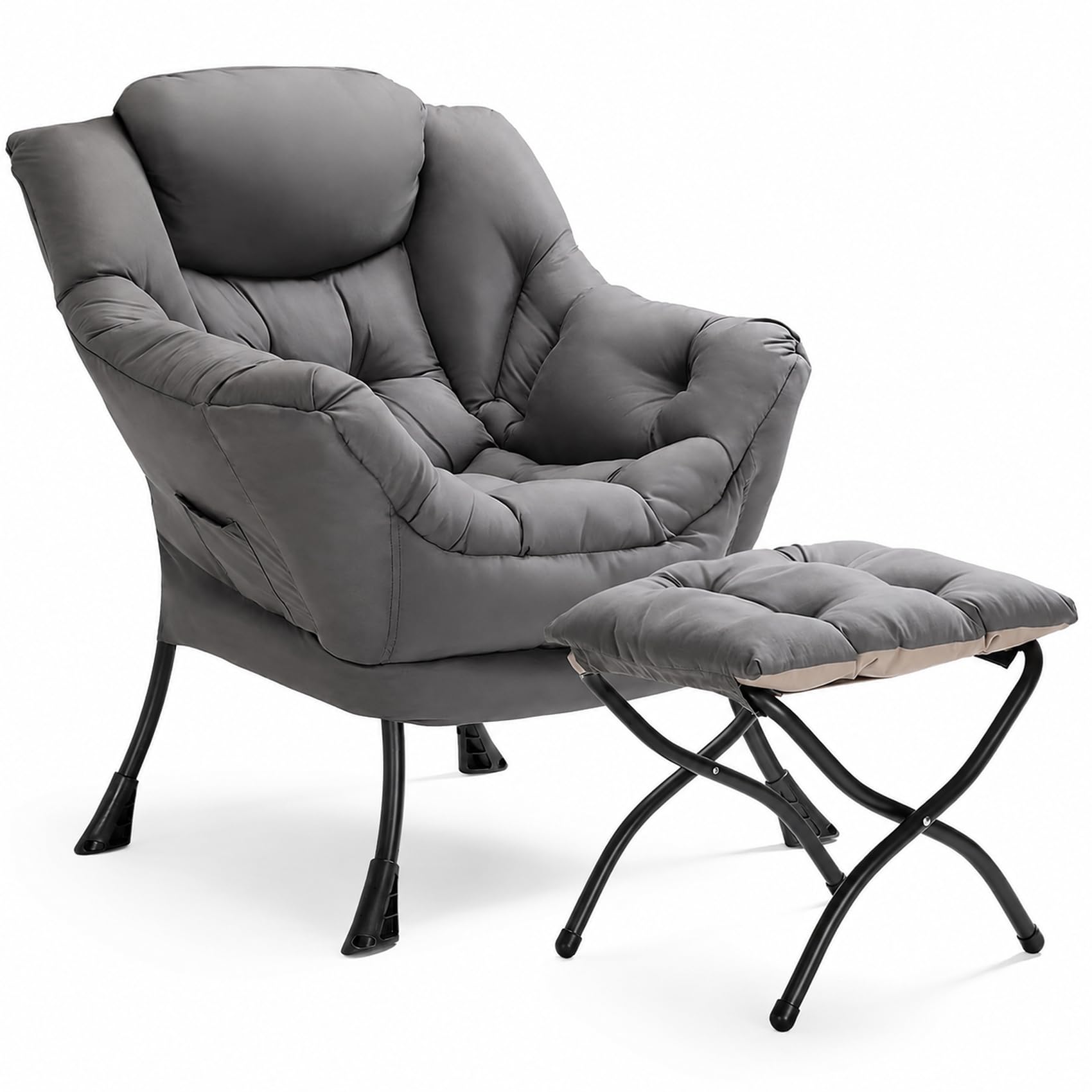


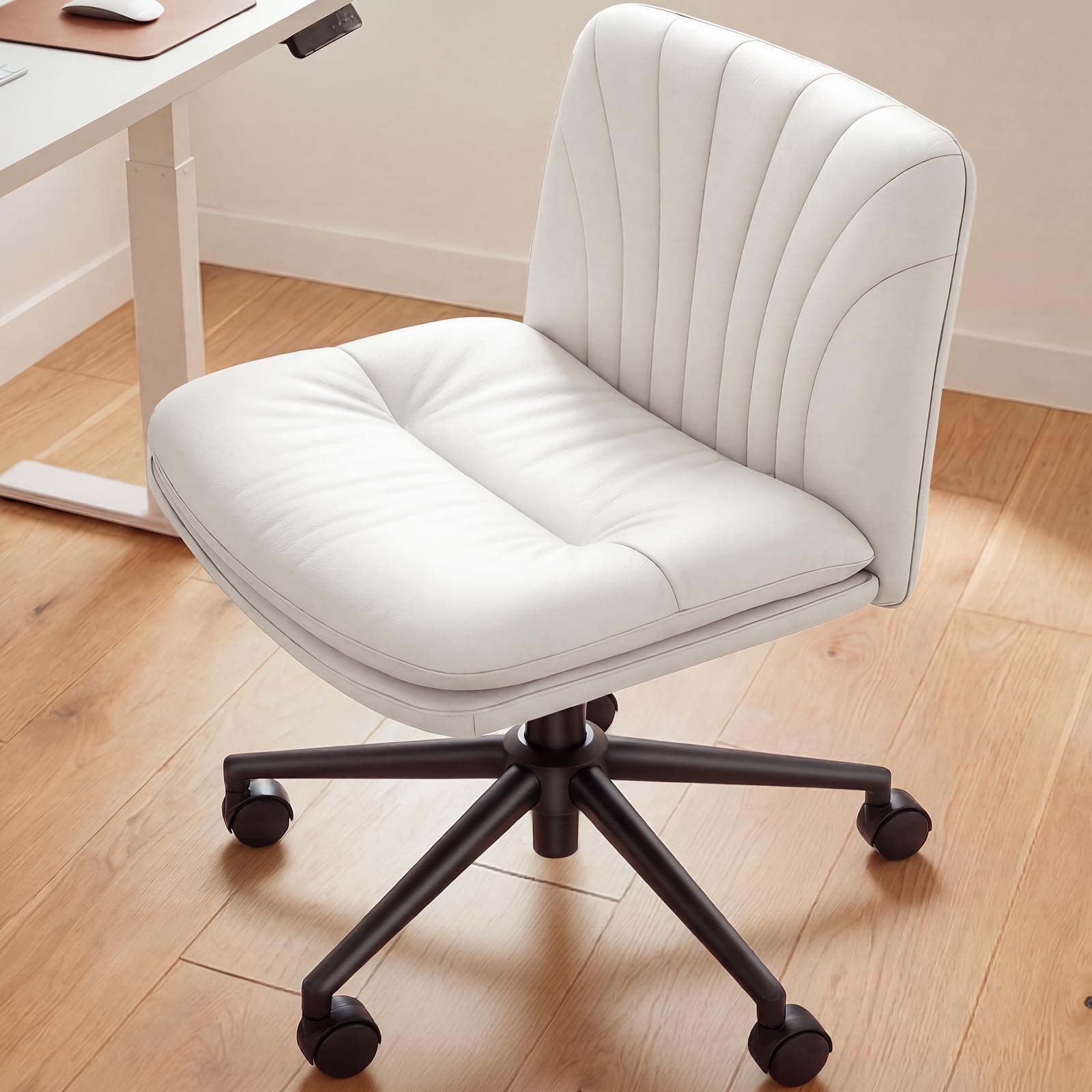
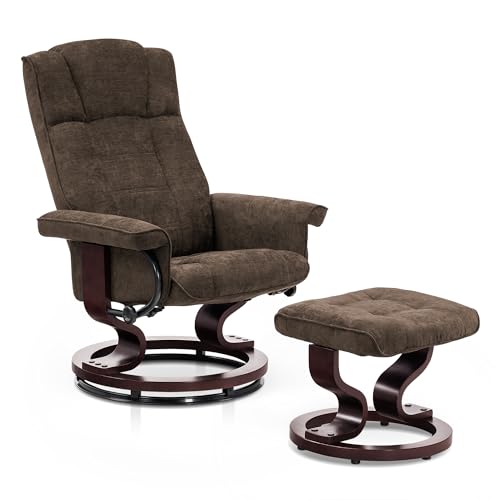

Key Features to Compare
Comfort in a tight room comes from a balance of measurements and materials, not from one headline feature. Work through the factors below in order, because a chair that fails on footprint or seat depth rarely redeems itself with extras. Each factor includes the numbers and details worth checking on a product page before you buy.
Features That Matter for Small Spaces
Compact models earn their place by doing more with less floor area. Look for a narrow overall width, arms that stay inside the frame line, and a back that supports you without towering over low furniture nearby. Space saving designs often skip bulky padding at the sides and put the cushioning where your body actually rests. A swivel base can help in tight rooms because you can turn toward a desk or conversation area without dragging the chair across the floor.
Measuring for Size and Portability
Measure the spot where the chair will live, then measure every doorway, hallway turn, and stairwell corner it must pass through on delivery day. Leave at least a few inches of clearance around the chair so you can walk past it and clean behind it. Compare the full width, depth, and height on the product page against your tape measurements, not against the room size alone. Weight matters if you plan to move the chair between rooms or store it away, since a lighter frame is far easier to carry through a narrow door.
Ergonomics and Adjustability
Good ergonomic support keeps a compact chair comfortable through long work or reading sessions. Seat height should let your feet rest flat on the floor with your knees near a right angle, and adjustable height makes that easier to achieve at different desks. Lumbar support that follows the curve of your lower back reduces the urge to slump, while a mesh back can add airflow on warm days. A tilt lock lets you fix a slight recline for calls or reading, and adjustable armrests help your shoulders relax when they sit at the right height. In a small room, check that the recline and swivel range still clear the wall and nearby furniture.
Build Quality and Frame
A sturdy frame decides whether a chair still feels solid after a year of daily use. Solid wood, reinforced plastic, and metal frames all work in compact chairs, and the joints matter more than the material name alone. Look for clear information about the base, the hardware, and how parts connect, since vague descriptions often hide thin materials. On desk style chairs, a rated gas lift and a stable five point base support smooth height changes without wobbling. Wobble at delivery is a warning sign, because looseness rarely improves with use.
Comfort and Cushioning
Cushioning should support you, not swallow you. High density foam holds its shape longer than soft, low density padding, so the seat still feels even after months of daily sitting. A seat that feels plush in the first minute can bottom out quickly if the foam is too thin, leaving you resting on the frame beneath. Look for a seat depth that supports your thighs without pressing behind your knees, and a waterfall front edge helps circulation on longer sits.
Size, Dimensions, and Weight Capacity
Always match the stated weight capacity to the people who will actually use the chair, with a comfortable margin rather than sitting right at the limit. Capacity reflects the frame, base, and hardware working together, so it is a useful honesty check on overall build quality. Seat width between the arms matters just as much, because a chair can meet a capacity rating yet feel cramped across the hips. Taller readers should confirm the back height and seat height suit longer legs, while shorter readers need a seat low enough for flat feet.
How to Choose by Room and Daily Use
The right chair depends on what happens in the room each day. The product table above gives you the shortlist, and the guidance below matches chair styles to the three jobs small space chairs do most often. In practice, the best comfortable chairs for small spaces are the ones matched to one clear job first, then checked against the rest of your routine. If you are comparing general options first, see our guide to the best chairs for small spaces for a broader look at sizes and layouts.
Desk Work in a Tight Corner
A work corner needs a chair that tucks fully under the desk when you are done, so measure the desk height and the space beneath it before choosing. Armless designs and chairs with flip up arms slide in more easily and free floor space in walkways. Rolling casters suit hard floors, while glides protect wood and keep the chair from drifting. If turning between a desk and shelves is part of your routine, see our guide to the best swivel chairs for small spaces for rotation friendly options that still fit tight layouts.
Reading and Relaxing in a Small Corner
A reading chair can sit slightly deeper than a desk chair, because you will lean back rather than perch upright. Prioritize a supportive back angle, a seat you can curl into, and room for a small side table and lamp within reach. A compact recliner or a chair with a matching ottoman can work if the walking path stays clear when the footrest is open. For more ideas shaped around books and long chapters, see our guide to the best reading chairs for small spaces and compare back heights and seat depths there.
Guest Seating and Accent Pieces
Extra seating for guests has to balance comfort with a footprint that disappears into the room the rest of the week. A neat accent chair adds a seat and a style point without the bulk of a second sofa, and lighter frames move easily when you rearrange for company. If guests sometimes stay overnight, a chair that opens into a bed solves two problems in one footprint, though you must measure the full extended length before buying. See our guide to the best accent chairs for small spaces for living room styling, and see our guide to the best sleeper chairs for small spaces if overnight guests are part of the plan.
Quick Buyer Checklist
Run through these questions before you order. A chair that earns a yes on nearly every line is very likely to suit your room and your routine.
- Does the full width and depth fit your measured spot with walking room to spare?
- Will the packaged chair pass through your doorways and hallway turns?
- Does the seat height let your feet rest flat at your desk or table?
- Is the weight capacity comfortably above the heaviest regular user?
- Does the cushion use firm, supportive foam rather than thin padding?
- Can the chair tuck in, fold, or move aside when you need the floor space?
- Does the upholstery suit your household, including kids, pets, and spills?
- Are assembly steps, hardware, and warranty terms clearly stated?
Red Flags to Watch For
Weak listings usually reveal themselves in what they leave out. Watch for these warning signs while you compare options in the product table above.
- Missing dimensions or weight capacity, which makes it impossible to confirm the chair fits your room or your body.
- Vague foam descriptions with no density or thickness detail, which often means thin padding that flattens fast.
- No warranty information or an unusually short coverage period, which suggests the maker expects a short service life.
- Photos that never show the chair from the side or back, which can hide a deep frame that eats floor space.
- Assembly hardware described as included tools only, with no spare bolts, which leaves you stuck if one part arrives damaged.
Setup and Care Tips
Assembly on compact chairs is usually simple, but the order matters. Build the chair in the room where it will live if your hallway is narrow, and keep the packaging until you have sat in it and confirmed the fit. Set the seat height so your feet rest flat, then adjust the tilt tension and armrests before your first long session, because small changes early prevent habits that strain your back later.
Ongoing care is light. Tighten bolts every few months, since regular sitting slowly works hardware loose, and vacuum fabric upholstery weekly to keep dust out of the weave. Wipe smooth finishes with a damp cloth and dry them right away to protect the surface. If casters start to drag, clear hair and grit from the wheels so the base rolls instead of scraping your floor.
Frequently Asked Questions
What features matter most in a comfortable chair for a small space?
Footprint, seat depth, and cushion quality matter most in a comfortable chair for a small space. A narrow frame with supportive foam gives you lasting comfort without crowding the room. Adjustable height and a base that tucks under your desk or table add flexibility. One detail many buyers miss is the chair silhouette, since slim arms and open legs keep the room feeling open even when two chairs share a similar footprint.
How do I choose the right size comfortable chair for my room?
Start with the tape measure, not the product photos. Record the width, depth, and height of your space, then compare them with the full chair dimensions and leave clearance to walk around it. Sit depth should support your thighs without pressing behind your knees. A useful extra check is the delivery path, because the best sized chair is worthless if it cannot pass your doorway and turn into the room.
How long should a comfortable chair for a small space last?
A well built comfortable chair for a small space should serve you for several years of daily use. Frame materials, joint quality, and foam density decide most of that lifespan, and a stated warranty gives a fair clue about maker confidence. Rotating the chair slightly or shifting where you sit can even out cushion wear, a small habit that extends comfort when one seat does all the work in a compact home.
Which comfortable chair features help most during long hours of sitting?
Lumbar support, adjustable seat height, and a tilt lock help most during long hours. Together they keep your lower back supported, your feet flat, and your posture varied instead of frozen in one position. Breathable materials such as a mesh back reduce heat buildup in a warm room. Stand and stretch briefly each hour as well, because no chair feature fully replaces regular movement during a long workday.
Is an expensive comfortable chair for a small space worth the extra cost?
It can be, when the higher price buys denser foam, a stronger frame, and a longer warranty rather than styling alone. Expensive models around $250 and above often add smoother adjustment and better upholstery, while plenty of chairs under $150 cover basic needs well. Compare the checklist points side by side, and pay for the upgrades you will feel daily, such as cushion quality and height range, instead of extras you will rarely touch.
Final Thoughts
Small rooms reward careful measuring and honest priorities. Match the footprint to your space, the cushion to your sitting hours, and the frame to the people who will use the chair every day. Use the product table above for a final side by side look, and the best comfortable chairs for small spaces for your home will be the ones that fit your room, support your body, and stay comfortable long after delivery day.