Best Club Chairs for Small Spaces in 2026: What Actually Matters Before You Buy
Disclosure: We may earn a commission when you buy through links on this page, at no extra cost to you. As an Amazon Associate I earn from qualifying purchases. Learn more

The best club chairs for small spaces keep the deep seat and padded arms without crowding the room: a sizing and comfort checklist for compact rooms.
A club chair can give a small room a real place to sit, read and relax, but only if its scale suits the floor you have. The best club chairs for small spaces keep the deep seat and padded arms you want while leaving room to walk and open doors. Use the checklist in this guide and the comparison table below to judge size first, then comfort and fabric.
Start by picturing where the chair will live for most of the week. A chair that suits a quiet bedroom corner may block a busy living room path. The sections below match your room and habits to footprint, seat size, arm shape and cushion feel.



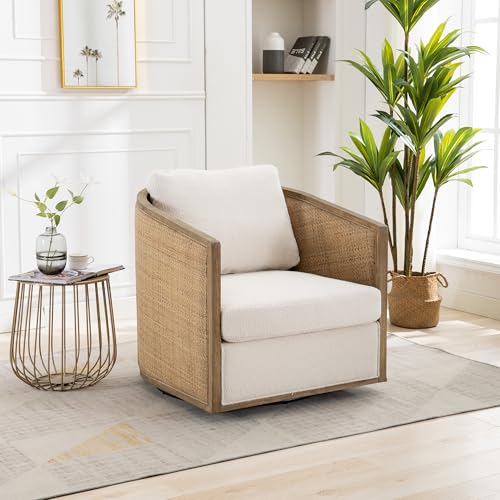
Who Should Buy a Club Chair for a Small Space?
Buy by the job the chair must do in your tightest room. Your daily routine should decide its shape, fabric and base.
Apartment Renters With One Multipurpose Living Room
You need seating that earns its footprint because the same room may hold a sofa, a desk and your dining spot. Choose a chair about 28 to 32 inches wide with slim arms and raised legs, so more floor stays visible. A lighter frame helps when you shift the room for guests or cleaning.
Readers Who Need a Cozy Corner in a Bedroom or Nook
You sit for long chapters, so seat depth and back support matter more than a bold silhouette. Look for a seat depth of about 20 to 22 inches and arms at a height that supports a book without lifting your elbows. If reading is your main use, see our guide to the best reading chairs for small spaces for corner layouts.
Hosts Who Need Extra Guest Seating Without Blocking Walkways
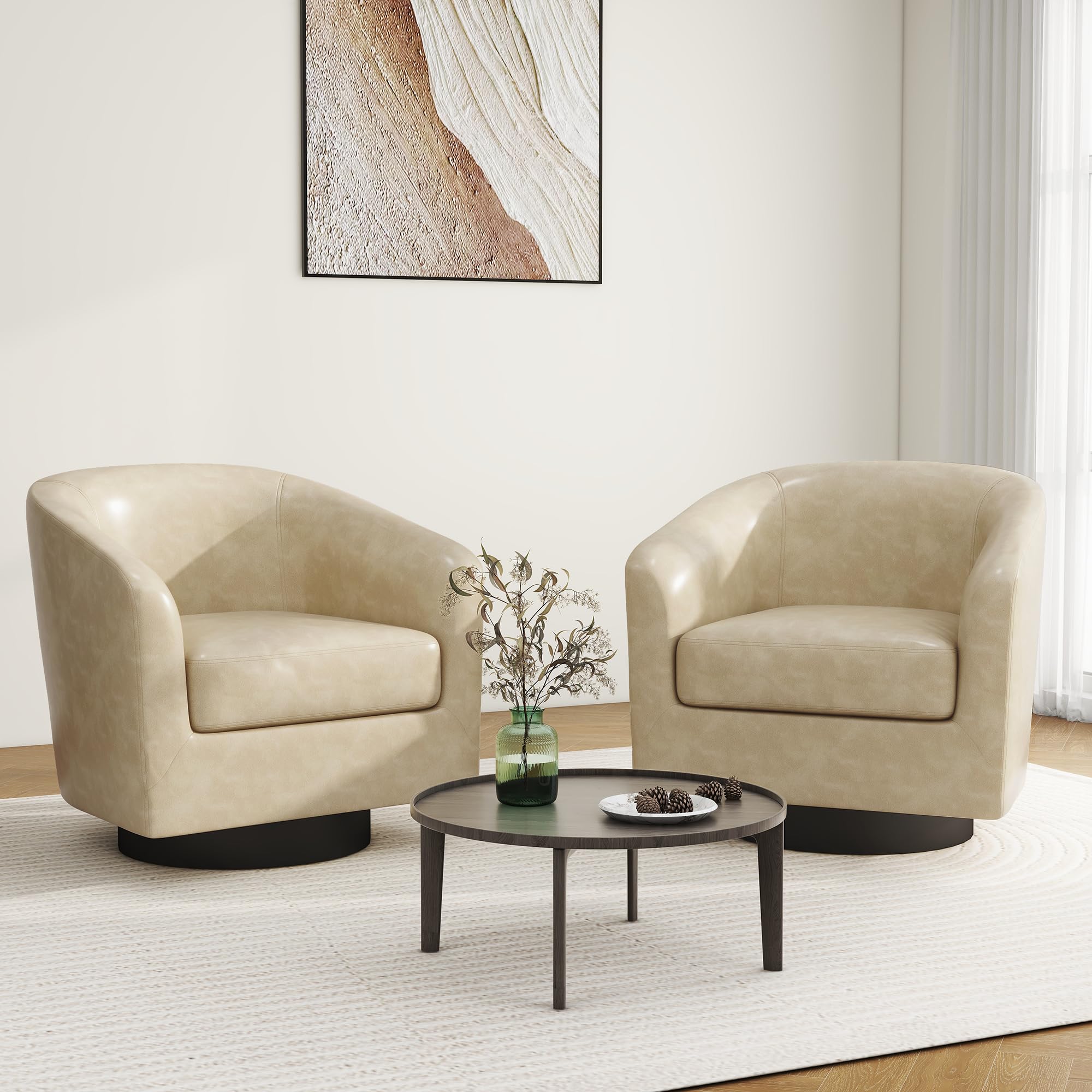
You want a chair a guest can enjoy for an evening, yet one that does not trap everyone behind a coffee table. A swivel base or a lighter chair you can turn toward conversation helps in a narrow room. If overnight guests are part of the plan, see our guide to the best sleeper chairs for small spaces instead.
Key Features to Compare
Compare these factors in order, because lovely fabric cannot fix a chair that is too wide or too low for you.
Overall Width, Depth and Total Footprint
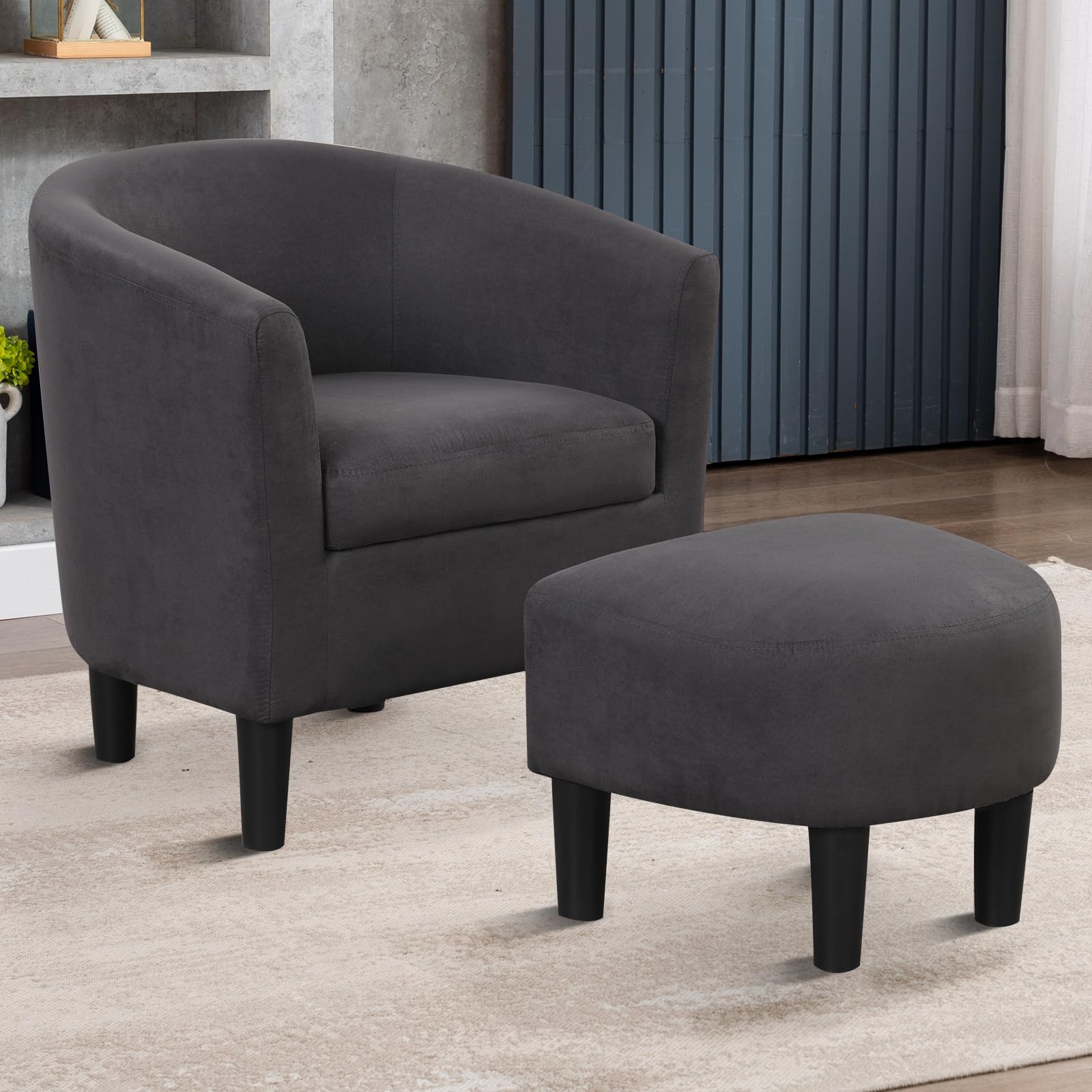
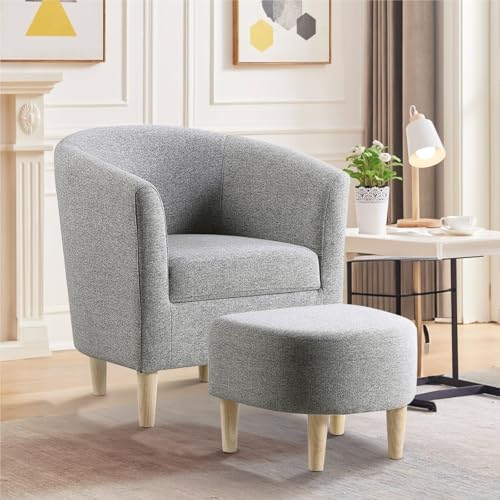
The best club chairs for small spaces usually measure about 28 to 34 inches wide and about 30 to 36 inches deep, including the back angle. Measure the full footprint, not just the seat, because rolled backs and wide arms add inches you will feel in a walkway. Leave about 24 to 30 inches of clear path in front and beside the chair.
Seat Height, Seat Depth and Ease of Rising
Most compact club chairs have a seat height of about 17 to 19 inches and a seat depth of about 20 to 22 inches. Your feet should rest flat, your knees should bend at a comfortable angle, and the seat front should not press hard behind your thighs. A deeper seat suits taller readers who like to curl up, while a shallower seat helps shorter sitters rise with less effort.
Arm Profile and Back Height in a Compact Room
Arm shape decides much of the total width. Slim track arms and low slope arms keep the classic club chair feel while saving about two to four inches compared with large rolled arms. Armless slipper styles save even more width but give you nowhere to rest your elbows. A back of about 28 to 34 inches keeps a lower profile under windows and shelves, while a taller back can dominate a tiny wall.
Cushion Foam and Support for Longer Sits
Look for a firm seat cushion with high density foam at the core, often wrapped in softer fiber for surface comfort. A cushion that feels very soft in the first minute may bottom out after an hour, leaving you sitting on the frame. A removable seat cushion is easier to rotate and fluff. If you share the chair, choose medium firm support, because it suits more bodies than a very deep, soft seat.
Frame Build, Legs and Weight Capacity
A sturdy club chair frame is often made from solid wood or kiln dried hardwood with reinforced corners, and many adult models are rated for about 250 to 300 pounds. Check that rating against the heaviest regular user, plus a child or pet who may climb up. Tapered wood legs raise the seat and let light pass underneath, which helps a small room feel open. Felt pads under each leg protect wood and tile floors when the chair shifts.
Fabric, Color and Visual Weight
Tight weave fabrics and faux leather both work in compact rooms, but they feel different in daily use. Woven fabric breathes better and hides light wear, while faux leather wipes clean after spills yet can feel warm in summer. A stain resistant finish helps where the chair doubles as a snack seat. Light colors usually make a bulky shape look smaller, and if color is your main goal, see our guide to the best accent chairs for small spaces.
How to Measure Your Room and Choose a Club Chair Type
Tape the full outline of the chair on your floor before you order, using the listed width and depth. Sit inside that outline on a dining chair, stand up, and walk past it the way you normally would. Check door swings, floor vents and the path to a balcony door. Also measure your entry doorway, because a chair that fits the room still has to reach it.
Then pick the type that solves your main problem. A barrel shape wraps around you and suits a corner, while a swivel club chair turns toward a sofa without moving the base. If you want broader seating ideas first, see our guide to the best chairs for small spaces, and if turning in place matters most, see our guide to the best swivel chairs for small spaces.
- Can you walk around the taped outline without turning sideways?
- Do your feet rest flat at the listed seat height?
- Does the chair clear your doorway and room door swing?
- Will the arms fit your reading or guest seating habits?
- Can you clean under and behind the chair in its final spot?
- Does the fabric suit pets, children and sunlight in that room?
Common Mistakes to Avoid
Most regrets come from scale, not style.
- Judging size from photos alone leaves you with a chair that swallows the only clear walkway.
- Choosing large rolled arms for looks adds width that steals inches from a side table or path.
- Picking a very deep seat makes shorter sitters perch on the edge and lose back support.
- Placing the chair tight against a wall vent or radiator warms the fabric and blocks airflow.
- Ignoring the doorway measurement leads to a delivery you cannot bring into the room.
- Buying white or delicate fabric for a busy family corner turns every spill into urgent cleaning.
Care and Maintenance for Club Chairs
Vacuum the seat, arms and creases weekly with a soft brush tool, because grit trapped in a tight weave wears the fibers each time you sit. Rotate a removable seat cushion if the maker allows it, so one side does not compress faster than the other. Keep the chair out of harsh direct sun, since strong light can fade fabric and dry faux leather.
Blot spills at once with a clean cloth and follow the fabric care code on the tag, trying cleaner on a hidden spot first. Tighten leg screws by hand every few months and replace worn felt pads. If a swivel base starts to rock, stop using it until you have checked the base bolts or contacted the maker.
FAQ
What matters most when choosing a club chair for a small living room?
Total footprint matters most when you choose a club chair for a small living room. Width and depth decide whether walkways stay clear, while seat height decides daily comfort. Also check the chair against your largest item already in the room, such as a sofa or bookshelf, so its scale looks balanced beside furniture you already own.
Can you sit comfortably for long reading sessions in a small club chair?
Yes, you can sit comfortably for long reading sessions in a small club chair if the seat depth supports your thighs without pushing your back away from the backrest. Add a small pillow only if the seat still feels deep enough with it in place. A nearby floor lamp matters too, because leaning toward weak light will tire your neck faster than the chair itself.
Is a more expensive club chair for a small space worth the extra cost?
A more expensive club chair for a small space is worth it when the extra money buys a stronger frame, denser cushion foam and better fabric. Those parts decide how the chair feels after years of daily use. Paying more only for a fashion color or oversized arms adds little in a compact room.
How long should a well made club chair for a small room last?
A well made club chair for a small room should last about seven to ten years with regular home use. The seat cushion usually softens first, while a solid frame lasts longer. Ask whether replacement cushions are available before you buy, because renewing the seat pad is far cheaper than replacing a chair that still fits your floor.
How do you fit a club chair through a narrow apartment doorway?
You fit a club chair through a narrow apartment doorway by turning the chair on its side so the back becomes the narrow dimension. Remove loose cushions first. Never force the arms through, because pressure on one arm can crack the frame joint inside the upholstery.
Final Thoughts
Focus first on footprint, seat height and arm width, because those three numbers decide whether a club chair helps or crowds your room. Next, choose cushion firmness and fabric for how you really sit, read and host. Use the product table above to compare listed dimensions before you decide.
When you shop with those checks in hand, the best club chairs for small spaces become easy to spot, since a good design gives you full comfort without taking over your floor.