
Best Accent Chairs for Small Spaces: A Buyer Checklist for 2026
Disclosure: We may earn a commission when you buy through links on this page, at no extra cost to you. As an Amazon Associate I earn from qualifying purchases. Learn more

A plain checklist for choosing the best accent chairs for small spaces, covering footprint, seat fit, frame, cushion, fabric, and style.
A small room leaves little room for error, so best accent chairs for small spaces must earn their place by fitting the floor, the doorway, and the way you actually sit. The right chair adds a useful seat and a clear style note without crowding the walkway or blocking light. The product table can help you compare sizes and features side by side before you narrow the choice.
This guide turns the buying checklist into plain questions you can answer at home. Measure first, then judge seat fit, frame, cushion, fabric, and style in that order. A chair that passes on size but fails on comfort will sit unused, and a comfortable chair that blocks a door will cause daily friction.


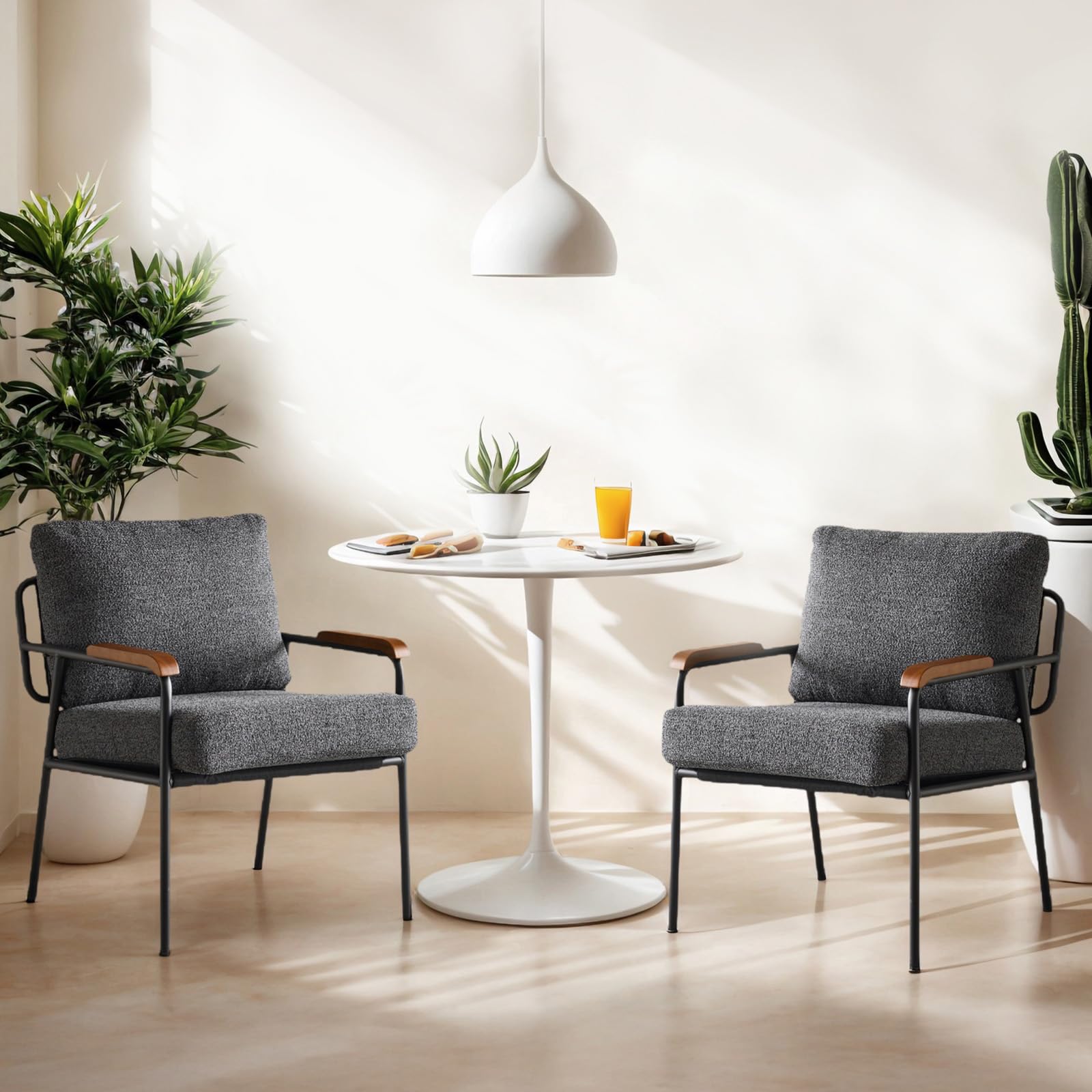

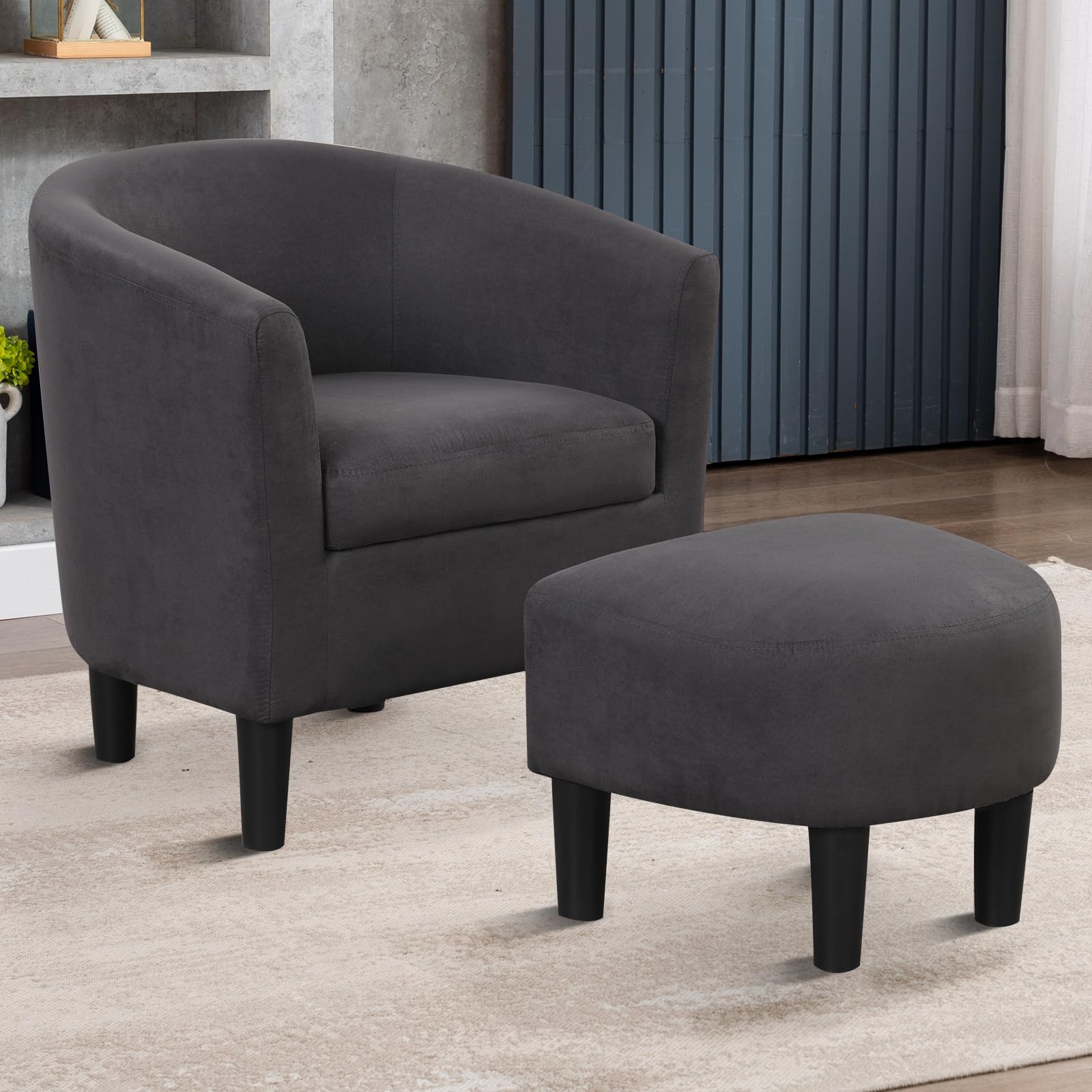
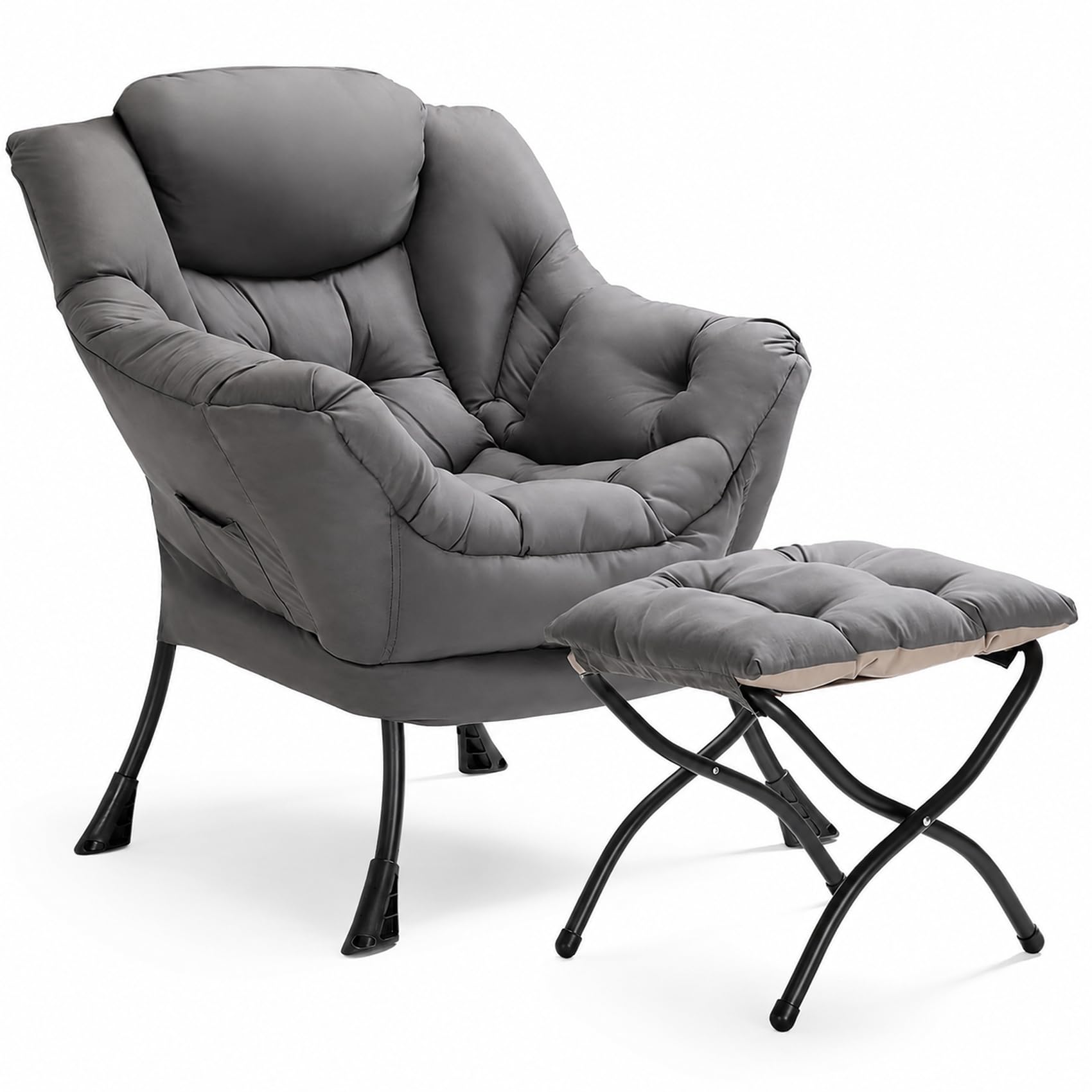

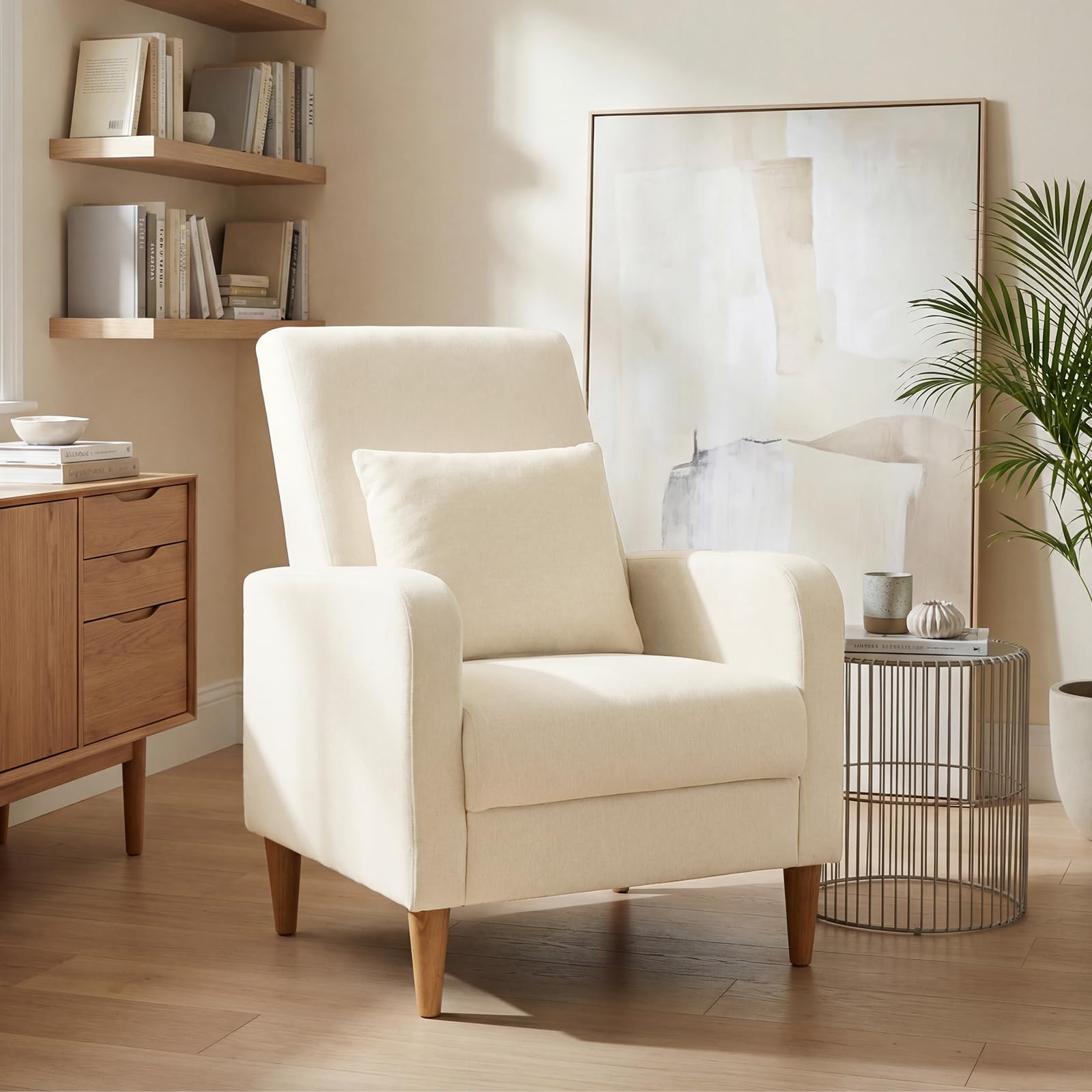


What Small Spaces Demand From an Accent Chair
A compact room changes every buying decision. A chair with a wide base can steal floor space that a coffee table, a plant, or a reading lamp also needs. A tall back can cut a sight line across a studio and make the room feel smaller. A deep seat can push your knees into a table or leave too little space to stand up with ease.
Think about traffic first. Leave a clear path from the door to the main seating area, and check how far the chair back sits from the wall when someone leans back. If you often host an overnight guest, see our guide to the best sleeper chairs for small spaces before you settle on a fixed accent chair. A chair that folds or converts may serve a small home better than a larger fixed seat.
Visual weight matters as much as inches. Slim legs, an open base, and a lighter fabric can make a chair look smaller even when its seat is generous. Dark, bulky upholstery and a solid base to the floor tend to read as a block in a small room. For a broader view of compact seating, see our guide to the best chairs for small spaces and compare chair shapes before you commit to one style.
Buyer Checklist: How to Judge the Best Accent Chairs for Small Spaces
Use this checklist as a set of pass or fail checks rather than a promise of quality. A good chair for a small space should pass on size, seat fit, build, and care. If it fails on two or more checks, keep looking, even if the style appeals to you.
Footprint and Clearance
Measure the width, depth, and height of the space, then add room for legs, arms, and movement around the chair. A compact accent chair often measures about 24 to 30 inches wide, but the arm shape can add several inches on each side. Check the diagonal depth too, since a chair that fits through a doorway on paper may still snag on a tight hallway turn. For a closer look at smaller profiles, see our guide to the best small accent chairs and note how armless and slim arm designs change the footprint.
Measuring for Size and Fit
Tape the shape of the chair on the floor before you buy. Mark the front edge, the back, and the swing of any door nearby. Sit in the taped space and check whether you can stand, reach a side table, and pass behind the chair without turning sideways. Measure doorways, stair turns, and elevator doors as well, since delivery can fail on a chair that fits the room but not the route into it.
Seat Comfort and Support
Seat height should let your feet rest flat on the floor with knees near a right angle. Seat depth should support most of your thigh without pressing behind your knees. A lower back curve and a firm back pad help during longer sits, while a very soft back can leave you slumped after an hour. If you plan to read for long stretches, see our guide to the best reading chairs for small spaces and compare seat depth and back height for that use.
Cushioning and Upholstery
High density foam holds its shape better than very soft fill, and a removable cover makes cleaning easier in a home with pets or children. Tight cushions look neat and suit a small room, while loose cushions need regular plumping and can look untidy. Check the fabric for texture, warmth, and ease of wiping. A fabric that traps heat may feel fine for a short visit but tiring for an evening of reading.
Frame, Legs, and Build
A solid wood or metal frame should feel steady when you sit and shift your weight. Wobble, creaking, or flex at the joints can signal weak joinery that will worsen with daily use. Slim tapered legs free visual space under the chair and make cleaning easier, while a low plinth base can trap dust and look heavy. Check the stated weight capacity and compare it with the needs of everyone who will use the chair.
Style and Room Fit
Choose a color and pattern that works with the largest pieces in the room rather than competing with them. A bold pattern can work as a single accent in a plain room, but it can overwhelm a room that already has patterned rugs or curtains. A chair that turns toward conversation or a window can add flexibility in a tight layout, so see our guide to the best swivel chairs for small spaces if turning matters to you. Keep the leg finish and arm shape in harmony with nearby tables and lamps.
Spending Levels Without the Guesswork
At a modest spend, focus on a steady frame, a seat that fits, and fabric you can clean. Expect simple legs and basic cushioning, and check return terms carefully, since fit is hard to judge from photos alone. A middle spend often buys better foam, stronger joinery, and more fabric choices, which can matter if the chair will be used every day. A higher spend may add finer upholstery, a more refined frame, and longer warranty cover, but it does not fix a poor footprint, so measure before you stretch the budget.
Quick Buyer Checklist
- Does the taped footprint leave a clear walkway and door swing?
- Can you sit with feet flat and stand without shifting the chair?
- Does the seat depth support your thighs without pressing behind your knees?
- Is the frame steady, and is the weight capacity enough for all users?
- Can you clean the fabric, and does the cover remove if needed?
- Does the style suit the room without adding visual bulk?
- Have you measured the delivery route, including doors and turns?
Red Flags to Watch For
Vague size listings are a clear warning. If a seller lists only a seat width or omits depth and height, you cannot judge fit for a small room. Very short warranty cover on the frame can also signal weak construction.
Unclear fabric details, missing weight capacity, and photos that hide the back or base should all prompt more questions. A chair described only in superlatives, with no stated measurements, is hard to compare fairly with the product table.
Tips to Get the Most From Your Accent Chair
Adjust the chair position so your feet rest flat and a side table sits within easy reach. Tighten bolts every few months, since small movement can loosen joints over time. Vacuum or wipe upholstery regularly, and rotate a cushion if the design allows it, so wear stays even. Keep the chair out of direct sun where possible, since strong light can fade fabric and dry out leather over time.
Frequently Asked Questions
What features matter most in accent chairs for small spaces?
Footprint, seat fit, and visual weight matter most in accent chairs for small spaces. A slim base, a seat depth that suits your height, and legs that leave open space under the chair help a small room feel larger. Check the full width including arms, not just the seat width, and confirm that the chair leaves a clear path to doors and other seats. A chair that meets those checks will usually serve a compact room better than a larger, softer seat.
How long should a good accent chair last?
A well built accent chair can last many years with daily use, but lifespan depends on frame quality, cushion density, and care. A solid frame with firm joinery and high density foam tends to hold shape longer than a light frame with soft fill. Regular tightening, prompt cleaning, and keeping the chair away from strong sun and damp air also extend its life. If cushions flatten quickly or joints loosen within months, the build may not suit daily use.
How do I choose the right size accent chair?
Choose the right size accent chair by measuring the room, the doorway, and your own seat needs. Tape the chair shape on the floor and check the walkway, the door swing, and the reach to a side table. Sit with feet flat and knees near a right angle, and check that the seat depth does not press behind your knees. Also measure the delivery route, since a chair that fits the room may still fail on a narrow stair turn.
Is an expensive accent chair worth it?
An expensive accent chair can be worth it when the extra spend buys a stronger frame, better foam, and fabric that suits daily use. It is less useful when the chair still fails on footprint or seat fit, since no finish can fix a chair that blocks a walkway. Compare warranty cover and return terms as well, because a higher price should bring clearer support. For occasional use in a guest corner, a modest chair that fits well may be the wiser choice.
What features matter most for long hours in an accent chair?
For long hours in an accent chair, seat support, back shape, and cushion firmness matter most. A seat that holds its shape, a back that supports the lower back, and arm height that lets shoulders relax can reduce fidgeting during reading or conversation. A footrest or ottoman can also help, but only if it fits the room without blocking the walkway. Try sitting for a while in a store when possible, and check whether the cushion recovers its shape after you stand.
Final Thoughts
Start with the tape measure, then judge comfort, build, and style in that order. A chair that fits the room, supports a relaxed sit, and suits the existing decor will serve a small home far better than a larger showpiece. Use the product table to compare sizes side by side, and revisit the checklist before you order. The best accent chairs for small spaces are the ones that leave the room feeling open, not crowded.


