
Best Chairs for Small Spaces in 2026 Made Simple: A Clear Buying Guide
Disclosure: We may earn a commission when you buy through links on this page, at no extra cost to you. As an Amazon Associate I earn from qualifying purchases. Learn more

Buying the best chairs for small spaces for the first time? Learn the key terms, measurements, and features that keep a compact room comfortable.
Buying a chair for a compact room feels risky when every inch counts. A chair that looks modest in a showroom can swallow a studio apartment corner, block a doorway swing, or crowd the one walkway you use all day. That is why the best chairs for small spaces are chosen by measurements first and looks second.
This guide is written for first time buyers. It starts with the basic terms, explains each key spec in plain English, and ends with the mistakes that cost new buyers money. The comparison table below shows the main options at a glance, and the sections after it help you match a chair to your room, your body, and your budget.

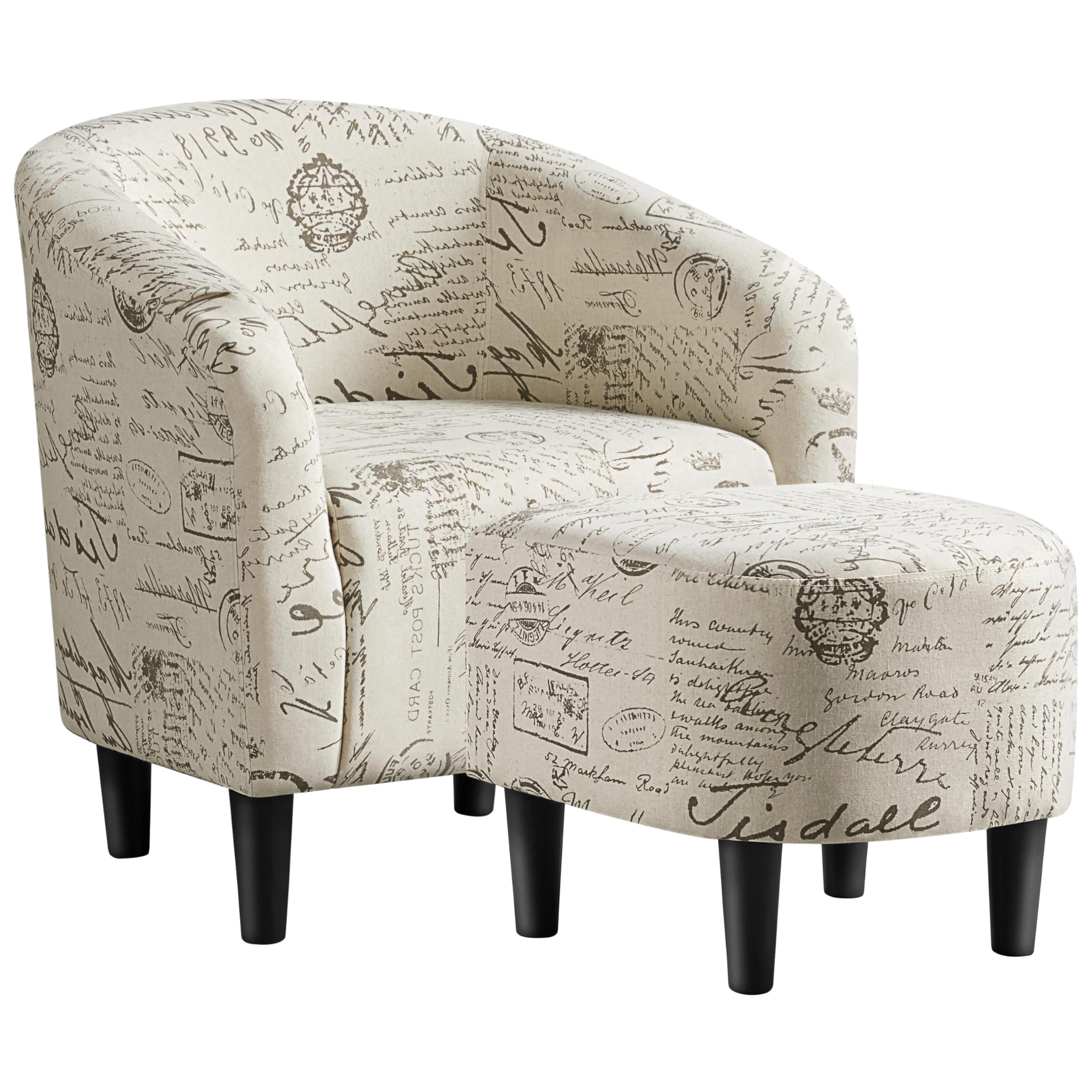
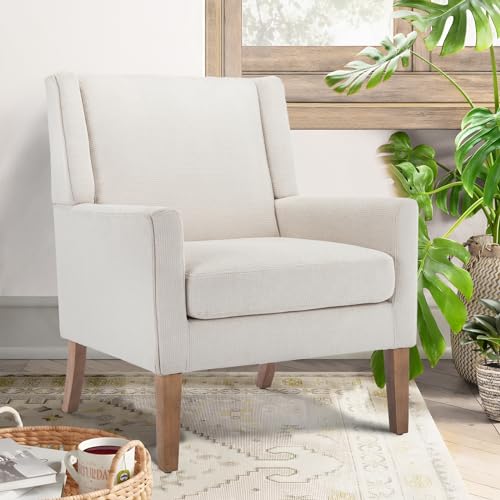


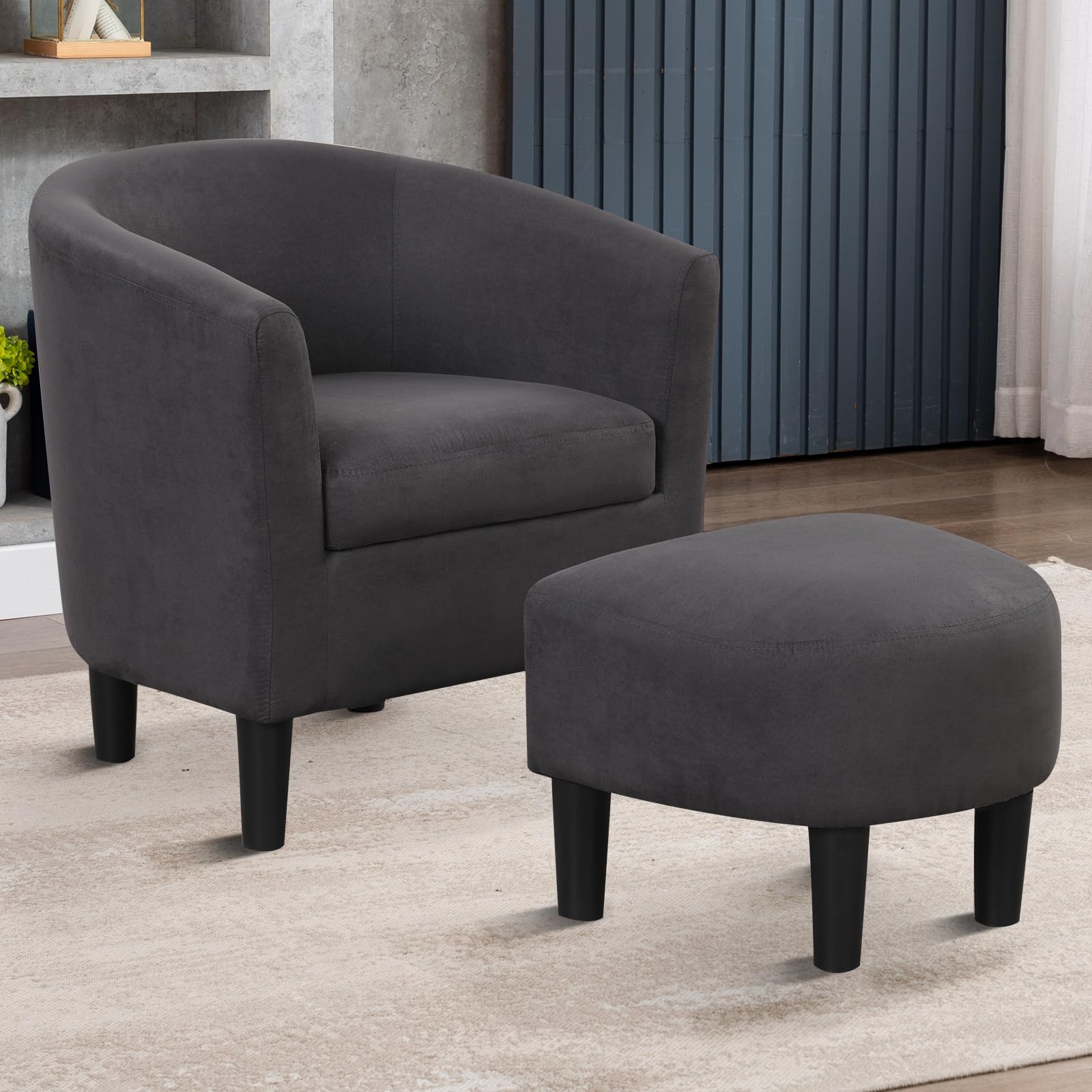


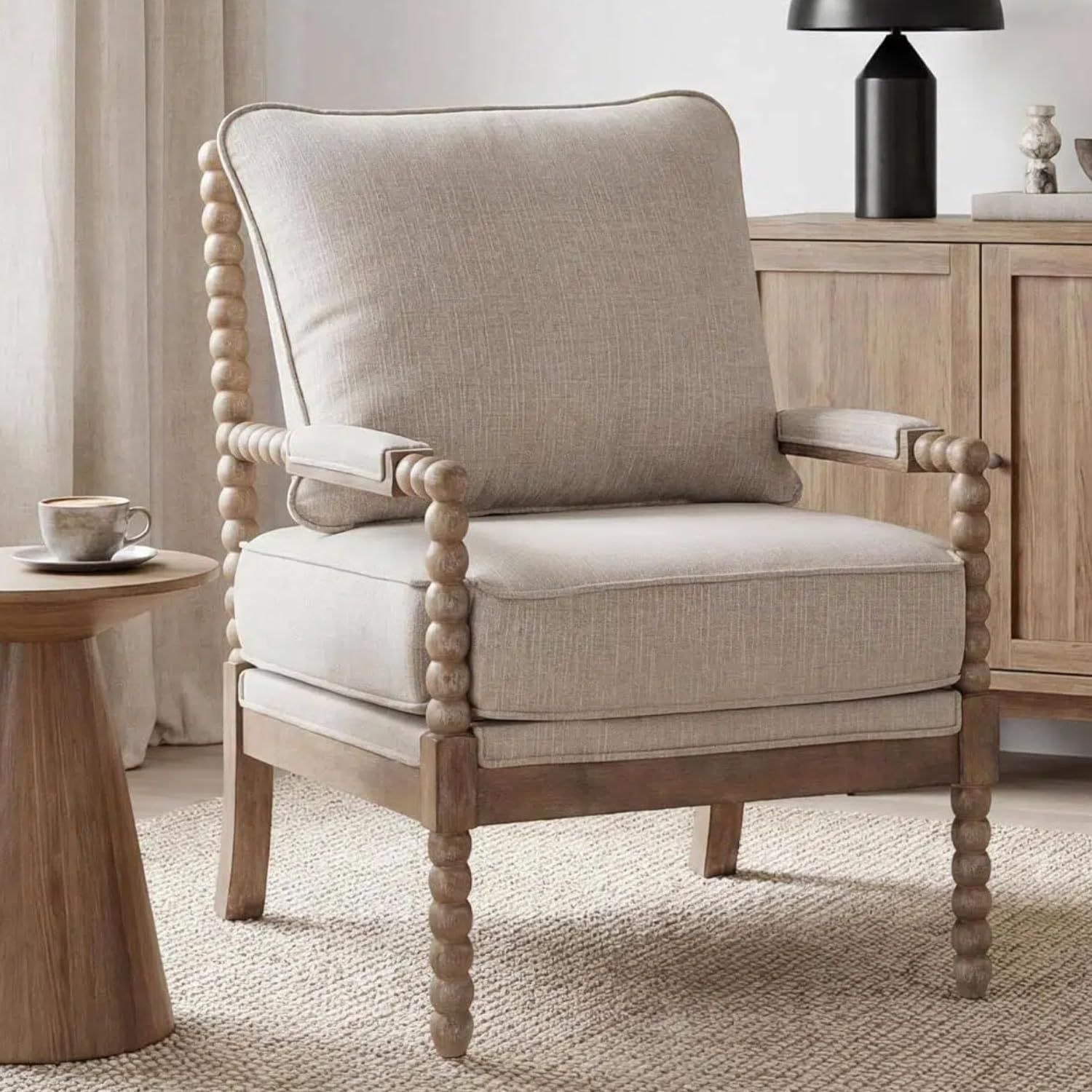
Chairs 101: The Basics
A chair is a seat with a back, and the parts have simple names worth knowing before you shop. The seat is the surface you sit on, the backrest supports your spine, armrests hold your forearms, and the base is the legs, pedestal, or frame that carries your weight. On office style chairs, a gas lift is the piston under the seat that raises and lowers it with a lever.
Chair types differ mainly in footprint and purpose. Dining and side chairs have four legs and no adjustments, while task chairs add a swivel base and height lever. Accent and reading chairs trade adjustments for softer padding and a smaller visual profile. Knowing which family a chair belongs to tells you most of what it will and will not do in a tight room.
Key Specs Explained in Plain English
Features That Matter for Small Spaces
Small rooms reward chairs that give back space when you are not sitting. Armless designs slide fully under a table, which can return about 20 inches of floor depth to the room, and a swivel base lets you turn without dragging legs across the floor. Slim backs and open leg frames keep sight lines clear, so the room feels larger. Look for overall widths under about 24 inches and depths under about 26 inches for truly tight corners.
Measuring for Size and Portability
Measure the spot where the chair will live, then measure the path it travels to get there, including doorways and hallway turns. Leave about 24 inches behind a dining chair so you can slide back and stand, and about 18 inches of knee space under a desk. Weight matters too: a chair under about 25 pounds is easy to move for cleaning or guests. The trade off is that the lightest chairs often have thinner padding, so balance portability against how long you sit each day.
Ergonomics and Adjustability
Ergonomics simply means the chair fits your body instead of forcing your body to fit it. Seat height is the key number: your feet should rest flat with your knees near a right angle, which for most adults means a seat about 17 to 20 inches high, or an adjustable range that covers it. Lumbar support is a curve or pad that fills the hollow of your lower back. Tilt lock holds the backrest at a set angle, and adjustable armrests help when one chair serves both a desk and a table.
Size, Dimensions, and Weight Capacity
Product pages list width, depth, and height, and the number that fools buyers most is depth, because a reclined back extends well past the base. Weight capacity is the maximum load the frame and lift are rated to hold, commonly about 220 to 330 pounds on compact models. Stay comfortably below the rating rather than at it, since daily use stresses joints and pistons. Also check seat width between the armrests, because that is the space your hips actually get.
Build Quality and Frame
A strong frame uses steel or solid wood at the stress points, while thin plastic shells flex and creak within a year. On lift chairs, look for a class 4 gas lift, the heaviest duty rating sold for home seating. Five point bases resist tipping better than four point ones when you lean to reach something. Tight, even stitching and dense foam that springs back when pressed are quick signs the chair will hold its shape in daily use.
Choosing Chairs for Your Situation
Best Lift Chairs for Small Spaces: Tips for First Time Buyers
Lift chairs add a motor that tilts the seat forward to help you stand, and compact versions are built for rooms where a full recliner would never fit. Measure the wall distance first, because wall hugger designs need only about 4 to 6 inches of clearance behind them to recline. Check the backup battery feature, which lowers the chair safely during a power cut. If standing up is the hard part of sitting down, the best lift chairs for small spaces solve that problem without taking the whole room.
Beyond lift models, match the type to the job. Flexible seating such as best swivel chairs for small spaces works where one chair must face several directions, while best sleeper chairs for small spaces give guests a bed without a spare room. For a reading corner, best reading chairs for small spaces focus on back support and arm height for book holding comfort.
Rookie Mistakes to Avoid
- Buying by photo alone, then learning the chair is 4 inches wider than the space you measured for it.
- Forgetting the recline path, so the backrest hits the wall or a shelf every time you lean back.
- Choosing style over seat height, which leaves your feet dangling or your knees pressed into a desk edge.
- Ignoring the delivery path, including narrow doors and stairs the boxed chair must pass through.
- Skipping the return policy, even though first time buyers guess wrong about comfort more often than anyone.
Getting Started: Setup and First Use
Unbox the chair in the room where it will live, because compact chairs are far easier to carry in parts than assembled. Build it on a rug or blanket to protect the floor, and leave every bolt slightly loose until all parts are joined, then tighten them in turns. Adjust the seat height so your feet rest flat, sit for a full hour before deciding the fit is wrong, and tighten the bolts again after the first week, since new joints settle. If a corner still feels bare, best accent chairs for small spaces can fill it without crowding the room.
Frequently Asked Questions
What features matter most in chairs for small spaces?
Footprint, armless or slim arm designs, and a base that tucks close to furniture matter most in small spaces. A chair under about 24 inches wide fits most tight corners, and a swivel or light frame makes daily moving painless. Comfort features come second, but seat height still has to match your body. Start with measurements, then compare padding and support inside the size that fits.
How long should a good compact chair last?
A good compact chair lasts about 5 to 8 years of daily use when the frame is steel or solid wood and the foam is dense. Gas lifts usually wear first, often around year four or five, and many can be replaced for about $20 to $40. Fabric covers fade and thin sooner in sunny rooms. Tightening bolts twice a year and keeping weight within the rating adds real time to that lifespan.
What features matter most for long hours in a small chair?
For long hours, lumbar support and seat depth matter more than saving the last inch of floor space. A back that follows your spine curve, a seat deep enough to support your thighs, and armrests at elbow height prevent the ache that builds by afternoon. Breathable mesh helps in warm rooms. If you sit all day, choose the supportive model that fits your space rather than the smallest chair in the store.
Is an expensive compact chair worth the money?
An expensive chair is worth it when the extra money buys a stronger frame, a class 4 lift, and foam that keeps its shape for years. Price alone does not shrink a footprint, so a costly oversized chair is still the wrong buy for a tight room. Spend first on fit and build quality. Decorative finishes and brand names add cost without adding comfort or space.
How do you choose the right chair size for a small room?
Choose the size by measuring your room, your body, and the path between them. Mark the chair footprint on the floor with tape and live with it for a day to feel the space it takes, and match seat height to your lower leg length so your feet rest flat. Leave walking room of about 30 inches on the main path through the room. When two sizes both fit, pick the one with the better support.
Wrapping Up
First time buyers do best when they measure first, learn the few terms that matter, and buy for the way they actually sit. The product table above pulls the main types together so you can compare footprints and prices in one place. Check your doorway widths, confirm the weight capacity, and keep the return policy in mind. Do that, and the best chairs for small spaces stop being a gamble and become a simple, confident choice.


