
Best Classroom Desks for Every Need: How to Pick the Right One for 2026
Disclosure: We may earn a commission when you buy through links on this page, at no extra cost to you. As an Amazon Associate I earn from qualifying purchases. Learn more

Discover the best classroom desks for your needs. We match features to real use cases so you avoid overpaying and get the right fit the first time.
There is no single desk that suits every classroom, because a kindergarten corner, a science room, and a flexible high school space ask for different things. The best classroom desks for you depend on the age of your students, how often the room layout changes, and how hard the furniture will be used each day. This guide matches desk types to real use cases so you can buy once and buy well.
Start with your room and your routine, not with a catalog photo. Measure your floor space, count your students, and note whether desks move daily or stay in rows for months. Then use the comparison table below to compare sizes, shapes, and storage options against that picture.


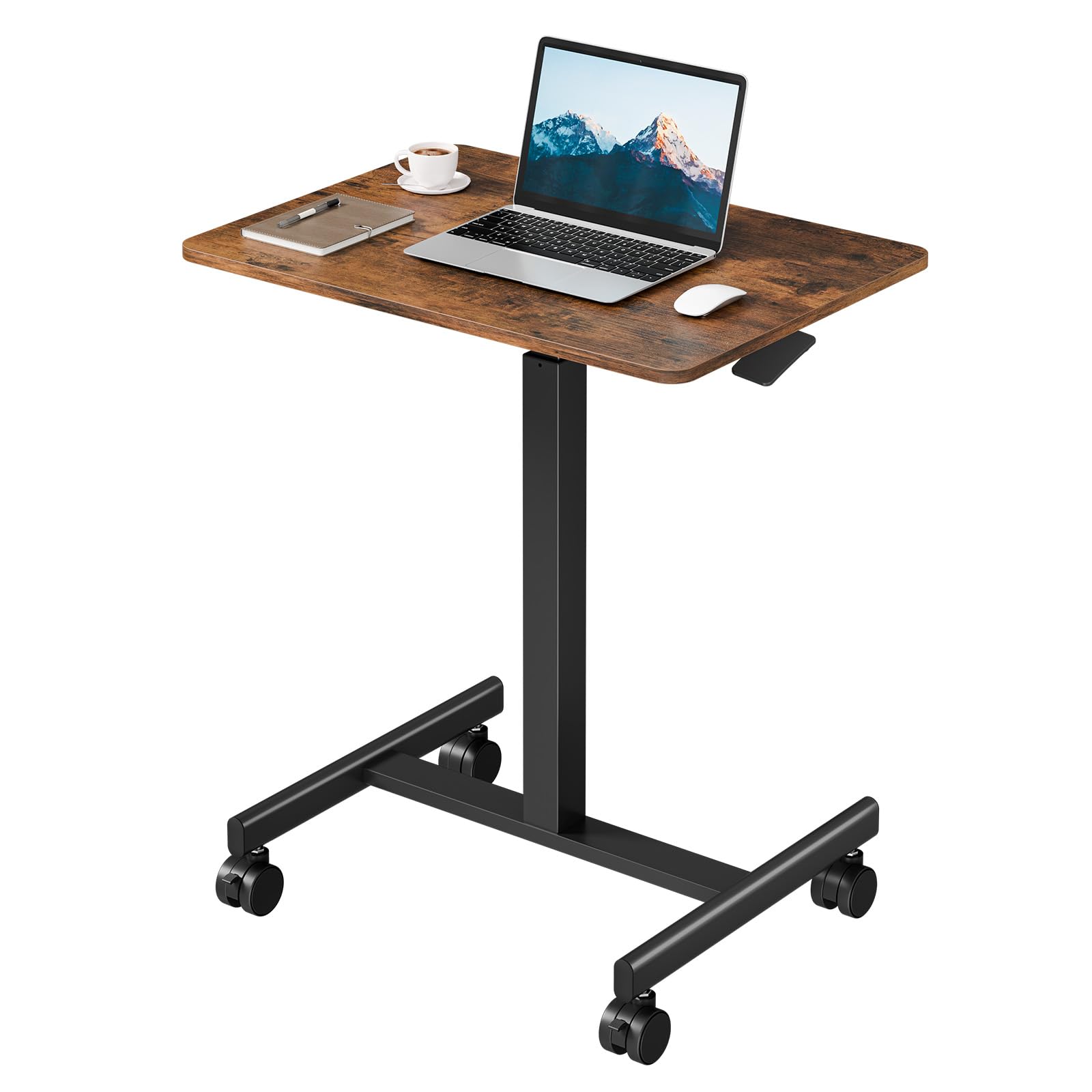

Who Should Buy Which Classroom Desks?
For People Who Want the Best Performance
If your desks face heavy daily use across several class periods, premium construction earns its price. Look for thick laminate tops that resist scratches and marker stains, steel frames with welded joints, and glides or casters rated for constant movement. A strong weight capacity matters when older students lean, perch, or stack books and laptops on one corner. You also gain better stability, so desks stay quiet and steady during tests and group work instead of rocking and distracting the room.
For Value Seekers
Value seekers should balance price against service life rather than chasing the lowest sticker. A mid priced desk with a replaceable top and standard hardware often costs less over five years than a bargain desk that cracks in year two. Buy in classroom sets when you can, since matching desks stack, store, and rearrange more easily. Keep one or two spare desks in your order if storage allows, because a single damaged desk is cheaper to swap than to repair mid term.
For First Time Buyers
If you are furnishing a room for the first time, favor simple, proven designs over novelty shapes. A rectangular or gently curved top fits rows, pairs, and small groups without wasted corners. Choose desks that one adult can move alone and that clean with a standard spray and cloth. Clear assembly, common tools, and a named warranty contact reduce stress during a busy setup week. Start with one classroom, live with the desks for a term, and then repeat or adjust your choice for the next room.
For Gift Shoppers
Teachers and schools often receive desks through donations and grants, so gift buyers should prioritize fit and durability over style. Confirm the desk height suits the age group named by the school, and ask about delivery access, stairs, and room numbers before ordering. A desk with a book box or under desk storage is a welcome extra for younger pupils who lack lockers. Choose neutral colors that blend with existing furniture, and favor suppliers whose warranty covers school use, not only home use.
Picking the Right Classroom Desks for Different Uses
Best Classroom Desks on Wheels: What to Prioritize
When you shop for the best classroom desks on wheels, judge the casters first. Large locking casters roll smoothly over thresholds and lock firmly, so desks stay put during writing. Check that two casters lock at minimum, that the frame does not flex when pushed from one corner, and that the desk still feels stable when a student leans on the edge. Wheeled desks suit rooms that shift between lecture, group work, and testing layouts several times a week.
Key Features to Compare
Assembly and Delivery
Plan assembly and delivery before you fall for a design. Some desks arrive fully welded, while others need legs, casters, and modesty panels fitted on site, which can take ten to twenty minutes per desk. Ask how many desks come per pallet, whether a liftgate truck is needed, and who removes the packaging. For a full school order, a delivery window during a break saves real pain. If assembly falls to your staff, favor designs with few bolt sizes and clear printed guides.
Ergonomics and Adjustability
Good ergonomics start with desk height matched to chair height and student size, so feet rest flat and forearms sit level with the writing surface. Adjustable height legs help in rooms shared by different age groups, though they add cost and moving parts. A rounded front edge is kinder to wrists during long writing sessions than a sharp square edge. If you are pairing desks with new seating, see our guide to the best ergonomic desk chairs for sizing basics that apply to students and teachers alike.
Comfort and Cushioning
Desks do not have cushioning, but comfort still shows up in surface feel, edge shape, and leg room. A smooth matte top cuts glare from windows and overhead lights, which reduces eye strain during reading. Knees need clear space with no low crossbar, especially for taller students. Modesty panels can add privacy during tests yet trap heat and block leg room, so treat them as optional. The right desk disappears during a lesson, letting students focus on work instead of fidgeting with furniture.
Build Quality and Frame
The frame decides how long a desk survives school life. Steel tube frames with powder coating resist chips and rust, and welded joints outlast bolt only joints at stress points. Top thickness matters too, since thin tops bow under book stacks and crack around screws. Check the stated weight capacity and the warranty length for the frame, and ask whether replacement glides, casters, and tops are sold separately. A desk you can repair with a ten dollar part beats a desk you must replace whole.
Style and Room Fit
Shape drives how your room can work. Trapezoid and curved tops push together into pods for group tasks, while plain rectangles give the most usable writing area per dollar in rows. Color is not trivial either, because light tops show pencil marks while very dark tops show dust and scratches. Think about sight lines, since lower desks keep a room feeling open for younger children. For layout ideas once desks arrive, see our guide to the best classroom arrangement of desks for proven patterns by grade level.
Common Mistakes to Avoid When Buying Classroom Desks
- Buying on price alone. The cheapest desk that fails in two years costs more than a sturdier desk that serves for eight.
- Skipping the room measure. Desks that fit on paper can block doors, radiators, and walking lanes in a real room.
- Ignoring assembly and delivery. Thirty desks that need an hour each will consume your whole setup week.
- Mixing heights in one room. Uneven surfaces distract students and make shared group tops awkward to use.
- Forgetting the warranty terms. Some warranties exclude school use, so read the wording before a bulk order.
Tips to Get the Most From Your Classroom Desk
Set each desk at a height where students can sit with feet flat and elbows level, and recheck after any chair swap. Tighten bolts every few months, because daily movement slowly loosens leg and caster fittings. Wipe tops weekly with a mild cleaner and lift marker stains early before they set into the laminate. Teach students a simple end of day routine, chairs up, tops clear, and desks aligned, and your furniture will look cared for years longer. Small rooms can also gain space by pairing desks with options from our guide to the best tiny desks for reading corners and teacher stations.
Frequently Asked Questions
Is an expensive classroom desk worth it?
It is worth it when the room sees heavy daily use and layout changes, because stronger frames, better casters, and replaceable parts extend service life. In a lightly used room, a sound mid priced desk gives nearly the same daily experience for much less. For mixed use across grades, the honest answer is a sturdy adjustable model rather than the priciest design in the catalog.
How do I choose the right size?
Match desk height to the age group first, then check top size against your largest class activity, such as a textbook, a notebook, and a laptop side by side. Leave walking lanes of at least about 30 inches where you can, and test one desk in the room before ordering thirty. Younger pupils need smaller tops they can reach across, while older students value depth for books and devices.
How long should a good classroom desk last?
A good classroom desk should serve about eight to twelve years in normal school use, with minor part swaps along the way. Tops in busy rooms may need refinishing or replacement sooner where students carve or stain them. Frames usually outlast tops, so designs with replaceable tops age best. Keep spare glides and casters on hand, log damage early, and small repairs will keep the set in service far longer.
What features matter most for long hours?
For long hours, correct height, a glare free surface, and clear leg room matter most, because they shape posture all day. A stable frame that does not rock also reduces the small distractions that build into fatigue. If students use lamps for close work, our guide to the best desk lamp options can help you plan lighting. Finally, smooth edges and quiet glides keep a full day of lessons calm.
Final Thoughts
Buy for your room, your age group, and your layout habits, in that order. Prioritize frame quality, correct height, and a top size that fits real classwork, and compare total cost over the life of the desk rather than the sticker alone. Educators who compare the best classroom desks carefully usually land on a durable mid range design, and that instinct is sound. Check the product table above, and choose the best classroom desks that your students can use hard and your staff can move with ease.


