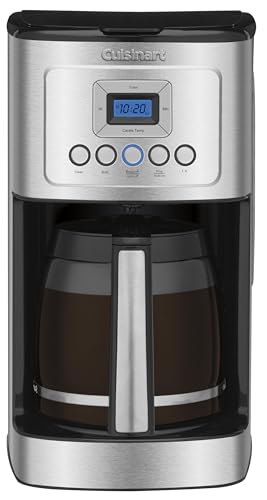
Best 6 Cup Coffee Makers 2026: Fresh Coffee Daily
Disclosure: We may earn a commission when you buy through links on this page, at no extra cost to you. As an Amazon Associate I earn from qualifying purchases. Learn more
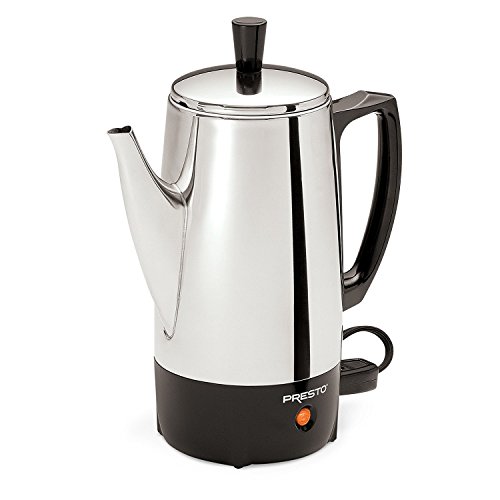
A 6 cup coffee maker suits small households and quiet mornings. Learn about capacity, brew style, carafes, cleaning and daily routine. Read before you buy.
A 6 cup maker hits a useful middle ground: enough coffee for two people or a small household, without the waste and counter space of a large machine. The best 6 cup coffee makers are the ones that brew at a good temperature, keep coffee fresh, and clean up easily day after day. A maker that is awkward to fill or descale will soon sit unused, however good its first pot tastes.
The comparison table below shows the main options side by side. This guide explains what 6 cups really means, which brew styles suit small households, and how carafe choice and cleaning affect daily satisfaction.

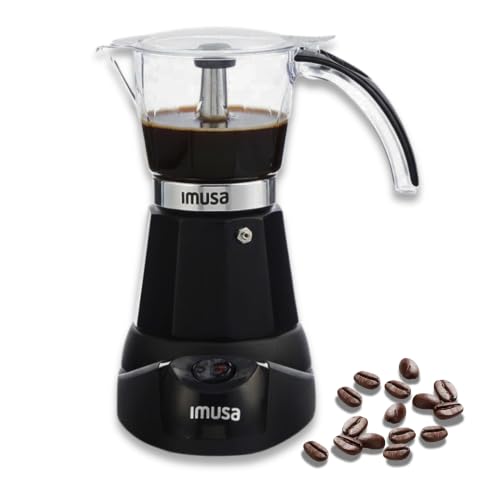

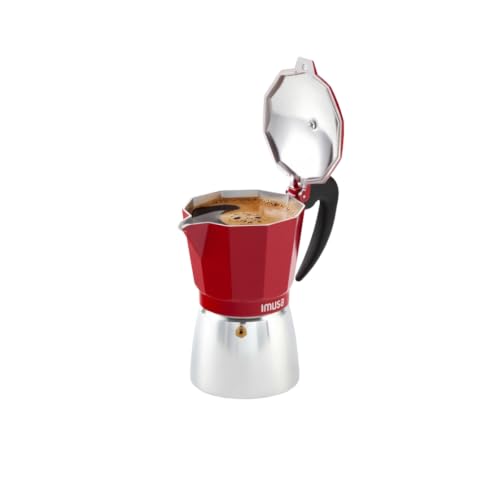


What 6 Cups Really Means
Coffee maker cup sizes are smaller than a standard mug, often around five ounces rather than eight. A 6 cup maker therefore brews roughly two generous mugs or three smaller cups, which suits couples and small households well. Buyers who expect six full mugs will be disappointed, so checking the stated brew volume matters.
For a single drinker, a 6 cup maker still works if it brews a smaller amount well. Some makers handle half pots better than others, so check whether the brew quality stays even when the pot is not full. A maker that only performs at full capacity is a poor match for solo mornings.
Shoppers comparing single serve options can see best one cup coffee makers, which covers cost per cup and waste for solo drinkers.
For larger households, best coffee pot makers compares bigger brewers and their warming and carafe trade offs.
Those weighing pod systems should read best k cup coffee makers, since pods change both cost and flavour compared with ground coffee.
Brew Styles for Small Households
Drip makers dominate this size, offering simple operation and easy cleaning. Pour over style makers give more control over bloom and pour, but they need more attention in the morning. Single serve makers suit varied tastes, yet they cost more per cup and create more waste, which matters over a year of daily use.
Temperature stability is the key quality factor across styles. Water that is too cool under extracts the coffee and tastes sour, while water that is too hot over extracts and tastes bitter. A maker that holds a steady brewing temperature will taste better with the same beans than a maker with wild temperature swings.
Carafe Choice: Glass Versus Thermal
Glass carafes need a warming plate, which can scorch coffee left sitting for an hour. Thermal carafes keep coffee hot without a plate and usually taste better after thirty minutes, but they are harder to see into and can be awkward to clean. The choice depends on whether coffee is drunk promptly or sipped over a long morning.
Check the carafe pour as well. A spout that drips or a lid that is hard to remove will annoy daily. A comfortable handle and a stable base matter more than they appear to in a shop, because they are handled half awake every morning.
Grind, Filters and Daily Routine
Freshly ground beans improve flavour more than most machine upgrades, so a simple burr grinder is a worthwhile companion. Use a medium grind for drip makers, a consistent dose, and filtered water if tap water tastes of chlorine. Paper filters give a cleaner cup, while metal filters keep more oils and body but need thorough rinsing.
Keep the routine simple enough to repeat daily. Measure beans or grounds the night before if mornings are rushed, and store beans in a cool, dark place rather than the fridge. A routine that is easy to repeat beats a complex ritual that is abandoned after a week.
Cleaning and Descaling
Daily rinsing of the carafe and filter basket prevents stale oils from building up and souring later brews. A weekly wash with warm soapy water keeps the maker fresh, and descaling every few months removes mineral buildup that slows brewing and dulls flavour. Hard water areas need descaling more often.
Check whether parts are dishwasher safe and whether the water tank is easy to reach and fill. A maker with a fixed tank that is hard to clean will accumulate residue over time. Simple, accessible design is a genuine quality feature, not just a convenience.
Related Guides Worth Reading
Readers comparing options may also find best cup coffee makers useful, since it covers a closely related choice in the same category.
Readers comparing options may also find best coffee machine makers useful, since it covers a closely related choice in the same category.
A Closer Look Before You Order
Before buying, count real daily cups in ounces, not in maker cups, and match the maker to that number. A household that drinks two large mugs needs a different maker from one that serves three small cups after dinner. Buying by the label number alone is the most common sizing mistake with small brewers.
Also consider the morning routine honestly. A maker that needs careful pouring and timing suits a slow weekend, but a rushed weekday needs a simple fill, press, and pour routine. The best maker is the one that fits the busiest morning, since that is when it will be used most.
Finally, check the cost of ownership beyond the maker: filters, descaling solution, and beans. A maker that uses standard filters and simple descaling costs less over a year than one tied to proprietary supplies. Small running costs add up quietly across hundreds of pots.
Mistakes That Sour Small Pot Coffee
One common mistake is misunderstanding cup size and buying a maker that brews far less than expected. Maker cups are smaller than standard mugs, so a 6 cup maker serves about two large mugs. Checking brew volume in ounces before buying prevents daily disappointment.
Another mistake is neglecting cleaning. Stale oils in the carafe and basket sour later brews, and mineral buildup slows brewing and dulls flavour. A daily rinse, a weekly wash, and regular descaling keep coffee tasting fresh with little effort.
A third mistake is using stale or wrongly ground beans. Old beans taste flat whatever the maker, and too fine or too coarse a grind unbalances extraction. Fresh beans, a medium grind for drip makers, and filtered water improve flavour more than most machine features.
Finally, many buyers choose a maker for extra programmes they never use, while ignoring carafe pour, tank access, and descaling ease. Daily handling matters more than rarely used settings, since the maker is handled half awake every morning.
Choosing With Confidence
A final practical test is to brew with the beans and water that will actually be used daily, not with a shop sample. Tap water taste, bean freshness, and grind consistency all change the cup, and a maker that tastes good with ideal inputs but poor with everyday inputs will disappoint. Test with the real morning routine, including the usual mug size and the usual haste.
Also check the maker after a week of daily use, not just after the first pot. Carafe pouring, filter handling, tank filling, and cleaning effort all become clear within a week, and a maker that is pleasant on day one but awkward by day seven is a poor daily companion. A week of honest use is the fairest trial any small brewer can get.
Frequently Asked Questions
How many mugs does a 6 cup maker actually brew?
Coffee maker cups are usually about five ounces, so a 6 cup maker brews roughly two large mugs or three smaller cups. Check the stated brew volume in ounces before buying, since brands vary. This size suits couples and small households, while larger households will want a bigger maker.
Is a thermal carafe better than a glass carafe?
Thermal carafes keep coffee hot without a warming plate, so coffee tastes fresher after half an hour. Glass carafes are easier to see into and often cheaper, but a warming plate can scorch coffee left sitting. Choose thermal for slow mornings and glass for coffee drunk promptly.
Does grind size matter for a drip maker?
Yes, a medium grind suits most drip makers and gives balanced extraction. Too fine a grind can clog the filter and taste bitter, while too coarse a grind under extracts and tastes sour. Freshly ground beans and a consistent dose improve flavour more than most machine features.
How often should I descale a coffee maker?
Every two to three months is a good guide, more often in hard water areas. Mineral buildup slows brewing, lowers temperature, and dulls flavour. Follow the maker instructions for descaling solution, rinse thoroughly afterwards, and brew a plain water cycle before the next pot.
Can I brew less than a full pot?
Most 6 cup makers can brew a smaller amount, but quality varies. Some makers brew a half pot well, while others under extract when the pot is not full. Check reviews of real use for half pot performance, and consider a smaller brewer if solo cups are the daily norm.
Final Thoughts
The right 6 cup maker fits the household, brews at a steady temperature, and cleans up without a struggle. Capacity in ounces, carafe type, and ease of descaling matter more than extra programmes that are rarely used. The product table above can help compare the main options side by side.
For couples and small households, the best 6 cup coffee makers are the ones that make a fresh, balanced pot every morning with minimal fuss. Choose simple and reliable over flashy, and the maker will earn its counter space daily.