Best Combination Coffee Maker: A Complete Buying Guide
Disclosure: We may earn a commission when you buy through links on this page, at no extra cost to you. As an Amazon Associate I earn from qualifying purchases. Learn more
Not sure whether to get a drip machine or a single-serve brewer? A combination coffee maker gives you both. Here's what to check before you buy one.
Some mornings call for a full pot to share with the whole house, and other mornings you just want one fast cup before you're out the door. That split need is exactly why the best combination coffee maker has become such a popular category: it houses a pod brewer and a drip carafe brewer in a single machine, so nobody has to compromise. Before you buy one, it helps to understand how these dual systems actually work, who genuinely benefits from the extra features, and where the tradeoffs show up in your kitchen. This guide walks through the real buying decisions, from reservoir setup to counter space, so you can pick a machine that matches how your household actually drinks coffee rather than how the box makes it sound.

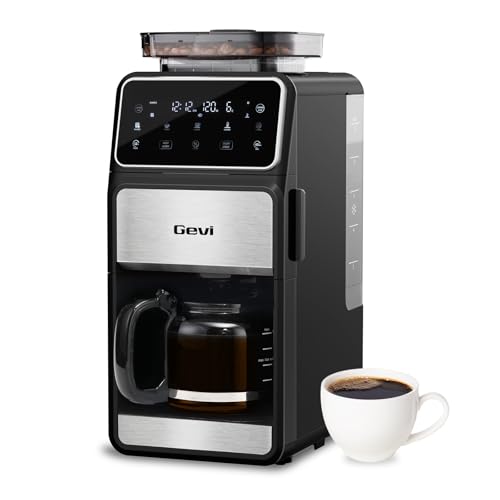
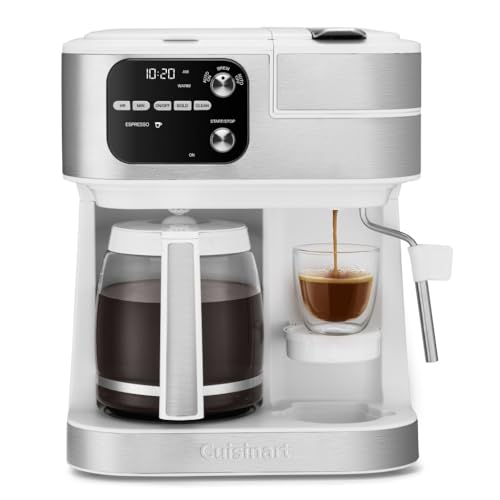

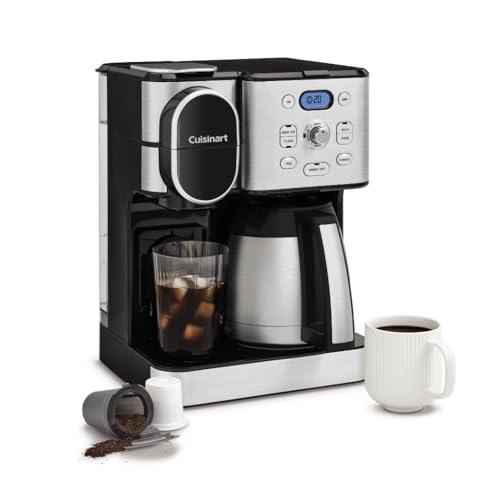

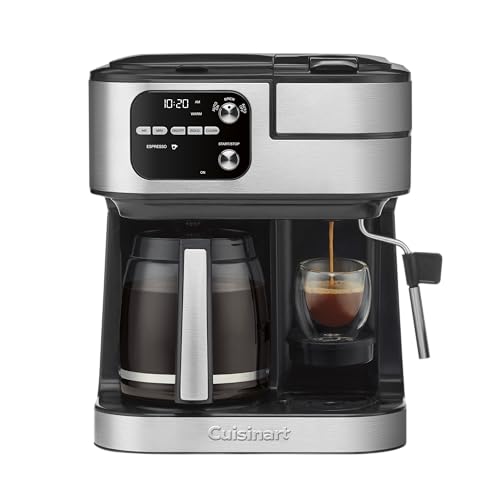

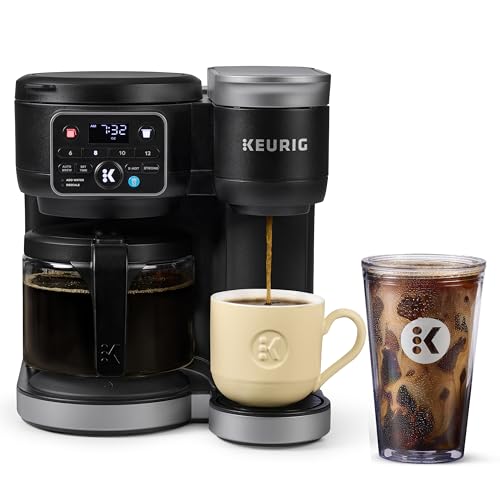
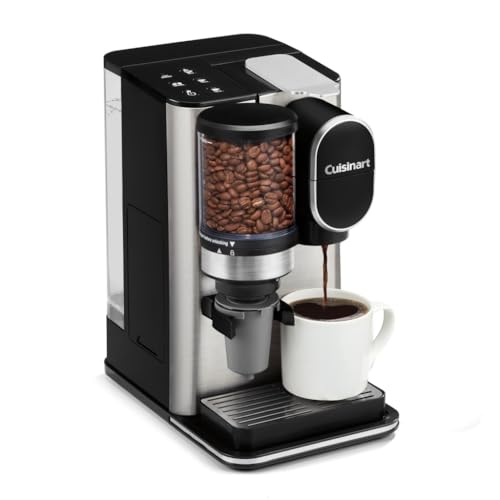

How the Two Brewing Sides Actually Work
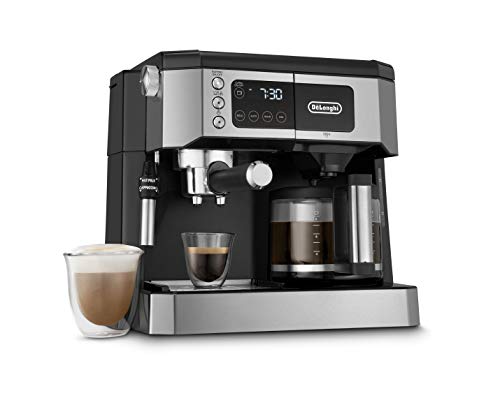
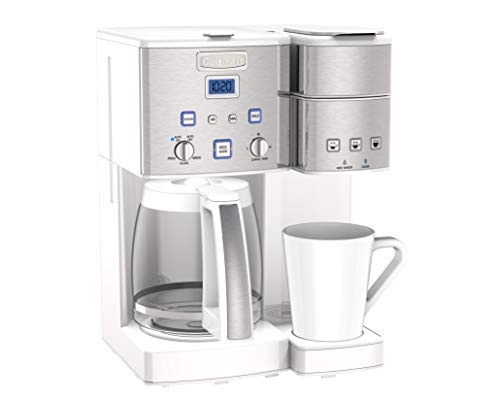
A combo machine is really two coffee makers sharing one housing and, in most designs, one water reservoir. One side is built for pods, brewing a single serving in a couple of minutes. The other side runs a standard drip cycle through a basket of ground coffee into a carafe. You choose which side to use each time; the two brewing paths do not run at once.
Pod Compatibility
Check whether the pod side is locked to one brand of capsule or works with any standard-size pod, plus loose grounds in a reusable filter. An open system gives you far more flexibility on price and flavor over the life of the machine.
Reservoir and Water Routing
Shared reservoirs are convenient because you only fill one tank, but they mean the water level for your carafe brew also feeds your single cups. Some higher-capacity models use separate tanks so a big brew doesn't leave you short on water for a quick cup later. If you brew constantly through the day, a separate-tank design is worth the extra bulk.
Who Actually Needs a Two-in-One Brewer
A combination coffee maker earns its keep in households where coffee habits genuinely differ from person to person. Think of a home where one person wants a strong single cup before work and another wants a full carafe to sip on slowly through a work-from-home morning. Families that host often also benefit, since a guest-ready pot and a quick personal cup live in the same appliance instead of two.
If everyone in your home drinks the same way, a dedicated single-purpose machine will usually serve you better and cost less to run. Someone who only ever brews one cup at a time might be happier with a dedicated single-serve coffee maker instead of paying for carafe features that sit unused. A dual system makes the most sense when you can picture using both sides regularly, not just once in a while for variety.
Counter Space, Reservoir Capacity, and Everyday Fit
Combo machines pack two brewing systems into one body, so they take up noticeably more counter footprint and often more height than a simple drip pot or a basic pod brewer. Footprint is one of the details shoppers overlook when comparing the best combination coffee maker options online, since photos rarely show scale. Measure the width and depth of your intended spot before you shop, and don't forget clearance above the machine for lifting the lid or refilling the reservoir.
Carafe capacity typically ranges from a few cups up to a full twelve-cup pot, while the single-serve side usually offers a handful of cup-size options. Match both numbers to your actual routine. A household of two rarely needs a full twelve-cup carafe running daily, while a busy family gathering on weekends might.
Comparing the Cost of One Machine Versus Two
On paper, a combo unit can look like the economical choice since it replaces two separate appliances with one purchase. In practice, ongoing costs matter more than the upfront price. Pods generally cost more per cup than ground coffee brewed through a basket filter, so your day-to-day spending depends heavily on which side you use more often.
Maintenance is another factor worth weighing. A machine with two brewing systems has more parts that can wear out, more components to descale, and potentially a higher repair cost if something fails. Buying a straightforward drip coffee maker alongside a separate pod machine spreads that risk out, so if one breaks you still have the other. Choosing the best combination coffee maker for your situation often comes down to whether the convenience of one appliance outweighs the added complexity of maintaining it.
Frequently Asked Questions
Can a combination coffee maker brew a cup and a carafe at the same time?
No. Even though the two sides look independent, most models share internal components like the water pump, so they can only run one brewing cycle at a time, not both simultaneously.
Do combo machines work with any brand of coffee pod?
It depends on the model. Some accept only one proprietary pod brand, while others use an open system that fits standard-size pods from many brands, plus a reusable filter for your own grounds.
Are combination coffee makers harder to clean than a single-purpose machine?
Generally yes, since you're maintaining two brewing paths instead of one. Expect to descale more often and clean two sets of components, including the pod needle and the drip basket.
How much counter space does a typical combo unit need?
Plan for noticeably more width and height than a basic drip machine. Measure your spot, including clearance to open the lid and access the water tank, before you commit to a model.
Is a shared water reservoir a problem?
Not usually, but it means a big carafe brew can leave less water for single cups right after. If you brew heavily throughout the day, look for a model with separate tanks for each side.
Do combo machines cost more to run than a regular drip coffee maker?
Often, yes, mainly because pod coffee tends to cost more per cup than ground coffee. If you lean heavily on the pod side, budget for that ongoing cost, not just the machine's price tag.
Is a combination machine worth it for a single person living alone?
Sometimes, if you genuinely want both a quick daily cup and an occasional full pot for company. Otherwise, a simple drip machine or a compact single-serve unit will likely suit a one-person routine better.
Choosing What Fits Your Morning Routine
The right pick comes down to how your household actually drinks coffee, not which machine has the longest feature list. Weigh pod flexibility, reservoir setup, and counter space against your daily habits before deciding. A little planning now saves you from an oversized machine that only gets half used.