Best Coffee Machine With Milk Frother: Complete Buying Guide
Disclosure: We may earn a commission when you buy through links on this page, at no extra cost to you. As an Amazon Associate we earn from qualifying purchases. Learn more

Shopping for the best coffee machine with milk frother means judging two systems at once: how the machine brews coffee and how it turns milk into foam. Some models steam milk through a wand borrowed from commercial espresso bars, while others use a sealed carousel that whips and heats milk automatically at the push of a button. The right pick depends less on brand reputation and more on how often you actually make lattes, cappuccinos, or flat whites at home, and whether you're willing to hand-wash parts every day. This guide breaks down the milk systems, the machine categories that pair with them, and the upkeep that keeps foam tasting fresh instead of sour.
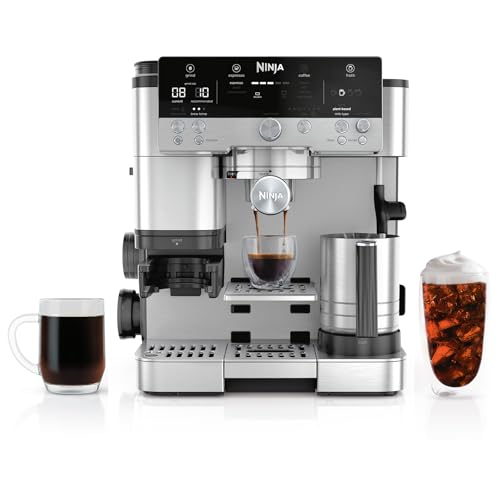
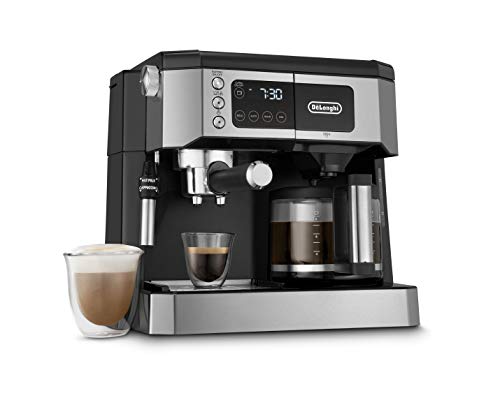

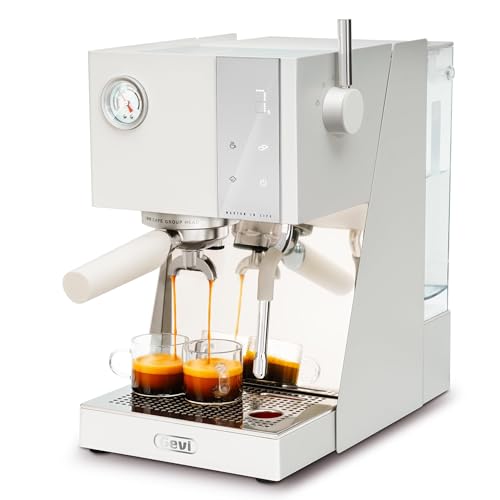
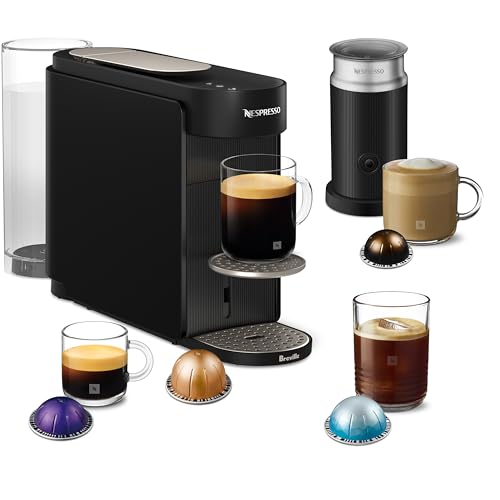
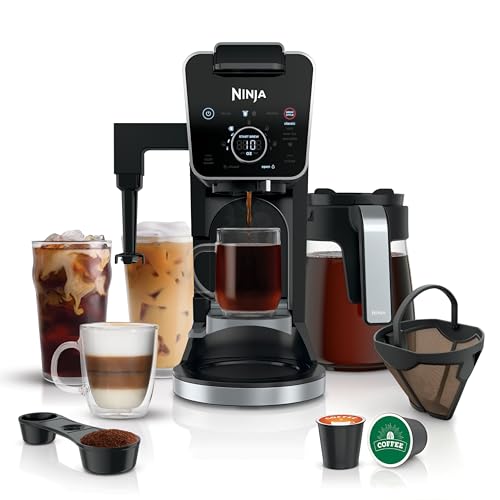

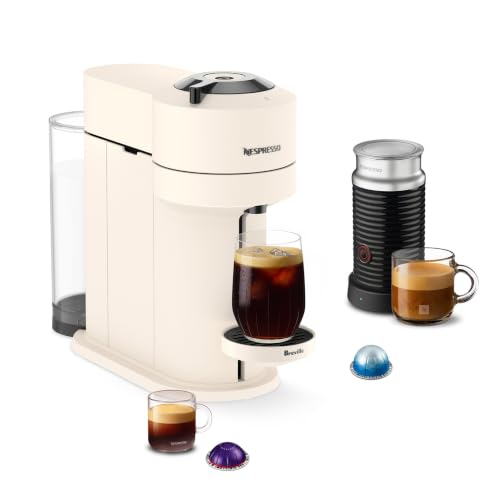
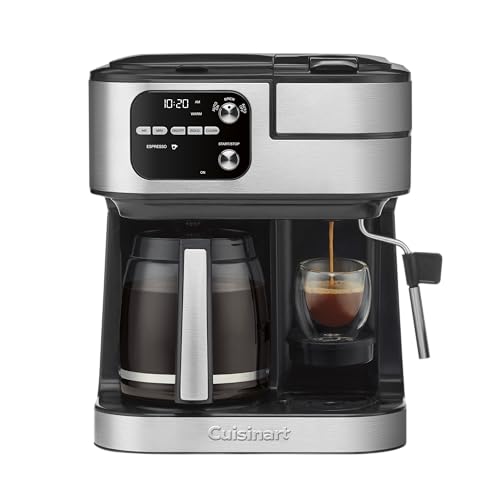
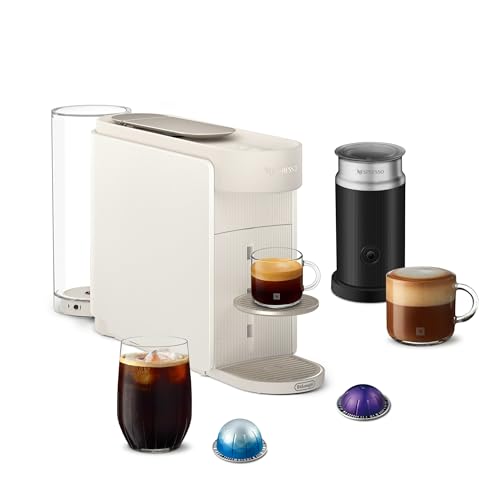

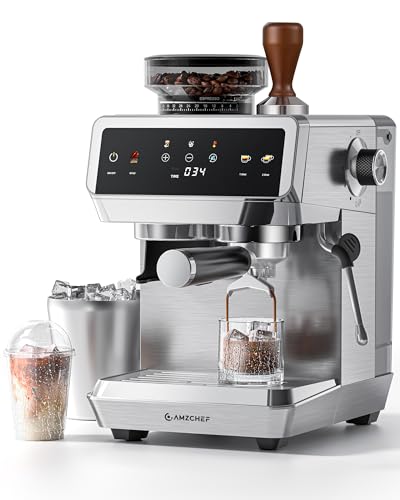
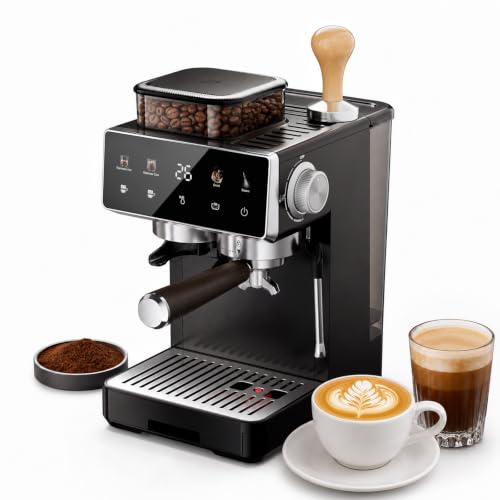
Steam Wand or Built-In Frother: Picking the Right Milk System
Coffee machines built around a steam wand give you the most control over texture. You dip the wand into a pitcher, angle it to pull air into the milk, and stop once the foam hits the density you want for a cappuccino or a silkier latte. It takes a few tries to get right, but once you learn the motion, the results rival what a trained barista pours.
Steam wands
A wand draws steam from the same boiler used for brewing, so some machines make you wait between pulling a shot and frothing milk while the internal temperature shifts. Higher-end models solve this with a second boiler or a thermoblock that switches roles almost instantly.
One-touch automatic frothers
Sealed automatic systems draw milk from a carafe or reservoir through a tube, heat it, and dispense pre-textured foam directly into your cup. They're faster and more forgiving for beginners, though the foam tends to be looser and less adjustable than what a wand produces by hand.
Drip, Espresso, and Super-Automatic Machines Compared
No single design defines the best coffee machine with milk frother. Three main formats show up in most kitchens, and each suits a different kind of coffee drinker.
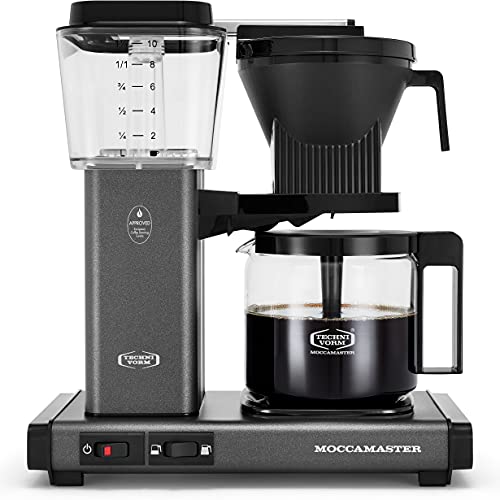
Drip machines with a frother attachment
These pair a standard drip brewer with a small separate frothing wand or pitcher, often powered by a low-wattage heating element. They're budget-friendly and simple, but the frother is usually an afterthought rather than a finely tuned component.
Espresso machines with a steam wand
Semi-automatic and prosumer espresso machines include a proper steam wand alongside the group head, similar to what you'd find on a dedicated espresso machine with a built-in grinder, giving you cafe-style control over both the shot and the milk. These machines ask for more hands-on skill but reward you with the most authentic result.
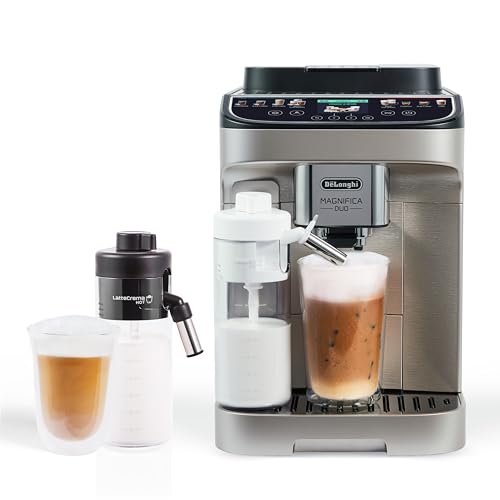
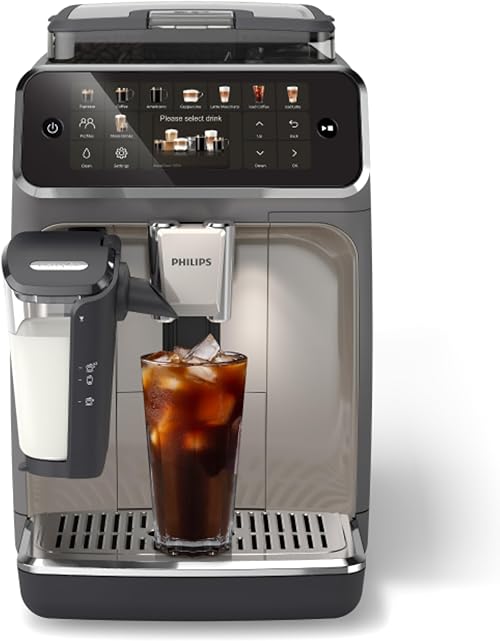
Super-automatic all-in-one machines
Super-automatics grind, tamp, brew, and froth milk automatically from a single button press, the same hands-off approach used by top-rated bean-to-cup coffee makers. They cost more upfront, but they remove nearly every manual step, which matters if you're making drinks quickly on a weekday morning.
Getting Consistent Microfoam With Dairy and Plant-Based Milk
Whole dairy milk froths the most reliably because its fat and protein content holds air bubbles together, creating the glossy, pourable microfoam baristas aim for. Skim milk foams up fast and tall but collapses quickly, so it works better for cappuccino-style drinks eaten with a spoon than for latte art.
Plant-based milks behave less predictably. Oat milk, especially versions labeled "barista," froths close to dairy thanks to added stabilizers. Almond and soy milk can froth thinner or curdle if heated too fast, so a machine with adjustable temperature and froth-density settings gives you better results across different cartons. If your household switches between dairy and plant milk often, look for a frother rated for both rather than one tuned purely for cow's milk.
Where the Extra Cost Goes: Budget Frothers vs Premium Systems
Entry-level frothers get milk hot and bubbly, but the foam is often coarse, with visible bubbles instead of a smooth, wet-paint texture. Premium systems use finer steam tips, adjustable pressure, and sometimes a second boiler dedicated purely to milk, which produces tighter microfoam and lets you froth immediately after brewing instead of waiting.
Noise and speed track price too. Budget frothers can be loud and take over a minute to build foam, while higher-end wands finish in twenty to thirty seconds with a quieter hiss. If you mainly want milk warmed and bubbled for an occasional hot chocolate, a basic model is plenty. If you're chasing latte art or drink two milk-based coffees a day, the difference in texture from a better system becomes obvious fast.
Daily Rinse Habits That Keep a Frother From Growing Bacteria
Milk left sitting inside tubing or a steam wand doesn't just smell bad, it turns into a breeding ground for bacteria within hours at room temperature. Treat the milk system on the best coffee machine with milk frother the same way you'd treat a baby bottle: rinse it after every single use, not just during a weekly deep clean.
Manual cleaning steps
Wipe the wand immediately after frothing while it's still warm, then purge a short burst of steam to clear the tip. Detachable carafes and whisks should go through warm, soapy water daily, and any rubber seals need a monthly check for cracked or hardened spots.
Auto-clean cycles
Many super-automatic machines run a rinse cycle automatically after each frothing session, flushing the internal tubing with hot water or steam. This cuts down on manual scrubbing, but it doesn't replace occasionally removing the milk container and washing it by hand, since auto-clean cycles rarely reach every internal surface.
Frequently Asked Questions
Do I need a separate milk frother if my coffee machine already has one?
Usually not. Built-in frothers handle daily lattes and cappuccinos fine. A separate handheld frother is only worth adding if you want more froth texture options or a backup when the main unit needs cleaning.
Can plant-based milk damage a built-in frother?
No, but thinner plant milks can leave more residue behind and clog narrow tubing faster than dairy. Rinsing immediately after each use prevents buildup regardless of which milk you froth.
Why does my frothed milk taste burnt?
Overheating milk past roughly 160 degrees Fahrenheit scalds the proteins and creates a bitter, burnt flavor. Machines with adjustable temperature settings let you stop frothing before milk gets that hot.
Is a steam wand harder to use than an automatic frother?
Yes, at first. A wand takes practice to angle correctly, while automatic systems froth milk with one button press. The tradeoff is that a wand gives you finer control once you learn it.
How often should I descale the whole machine, not just the frother?
Most manufacturers recommend descaling every one to three months depending on water hardness and how often you brew. Mineral buildup affects both brewing temperature and how efficiently the frother heats milk.
Does a bigger price tag always mean better foam?
Not always, but it usually buys finer steam tips, more temperature control, and quieter operation. Reading texture-specific reviews matters more than price alone when foam quality is the priority.
Can I froth milk without brewing coffee at the same time?
On most machines, yes. Steam wands and automatic frothers typically run independently of the brew cycle, so you can froth milk for hot chocolate or tea whenever you want.
Matching the Machine to How You Actually Drink Coffee
The right frothing system comes down to how many milk-based drinks you make and how much hands-on control you want over texture. Someone making one cappuccino on weekend mornings has different needs than someone frothing milk twice a day before work. Think through your routine first, then let that guide which milk system, machine category, and cleaning habit fits your kitchen best.