Best Coffee Mug Warmer: A Complete Buying Guide
Disclosure: We may earn a commission when you buy through links on this page, at no extra cost to you. As an Amazon Associate we earn from qualifying purchases. Learn more
You brew a fresh cup, get pulled into an email thread or a call, and twenty minutes later the coffee sitting next to your keyboard is barely lukewarm. That's the exact problem a coffee mug warmer is built to solve, and it's why the little heated plates have become a fixture on desks and kitchen counters everywhere. Before you buy one, though, it helps to know what these devices can and can't do, which mug shapes actually work with them, and how the different formats on the market compare. This guide covers all of that so you end up with a warmer that matches how you actually drink coffee, not just one with the most features listed in the description.



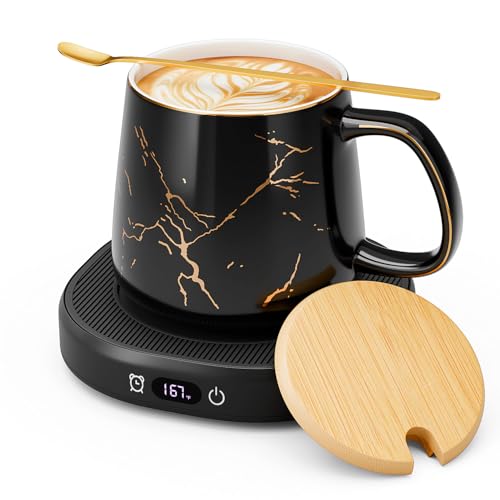
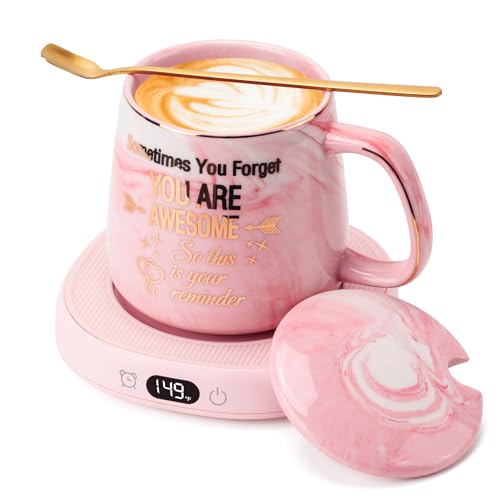
Why Your Coffee Still Goes Cold Even With a Warmer On
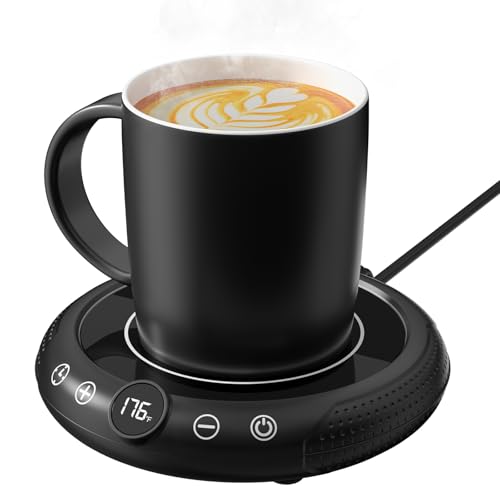
The single most common complaint about mug warmers is that they never seem to get the drink properly hot. In almost every case, that's not a defect, it's a mismatch between what the device is designed to do and what people expect from it. A budget warmer typically runs at 16 to 20 watts, which is enough to hold a beverage at whatever temperature it already is, but nowhere near enough to bring a cold or room-temperature cup back up to a fresh-brewed heat. Think of it as a beverage maintainer rather than a beverage heater.
That distinction changes how you should use one. Set your coffee down while it's still hot, and a decent warmer can keep it in a comfortable drinking range for hours. Let it cool down first, and the same warmer will struggle to do much of anything. If you tend to forget your mug for long stretches before your first sip, look for a higher-wattage model rather than assuming any warmer will rescue coffee that's already gone cold.
Matching the Warmer to the Mug You Actually Reach For
Flat Bottoms Win
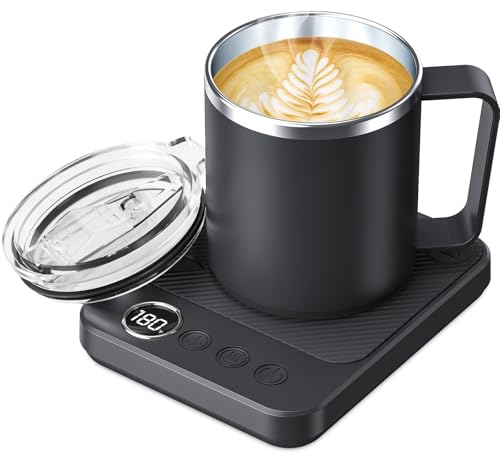
Heat transfers through direct contact, so a mug with a wide, flat base sits flush against the plate and warms evenly. Curved, footed, or narrow-bottom mugs only touch the surface at a small point, which means most of the heat never reaches the coffee at all.
Watch Out for Double-Wall and Vacuum-Insulated Mugs
This is the detail people miss most often. Double-wall and vacuum-insulated coffee cups are built specifically to resist temperature transfer, which makes them fantastic for keeping a drink hot on their own but nearly useless on a warming plate. The same insulation that keeps heat in also keeps a warmer's heat out. A simple single-wall ceramic or stainless mug is almost always the better pairing.
Size Matters Too
If your mug's base is wider than the heating plate, only the center makes contact and the edges stay cool, leading to a drink that warms unevenly. Check the plate diameter against the mugs you use daily before assuming a warmer will fit.
Wattage, Temperature Settings, and Shut-Off Timers Worth Comparing
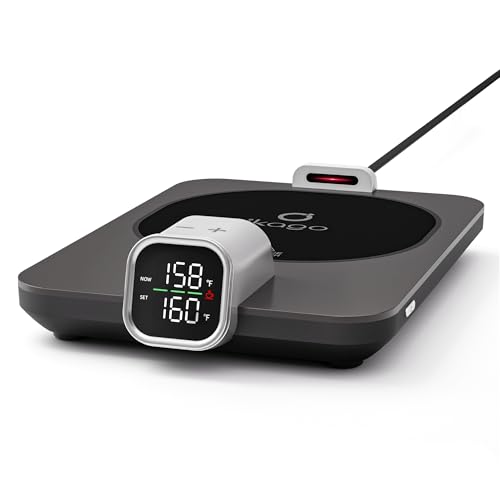
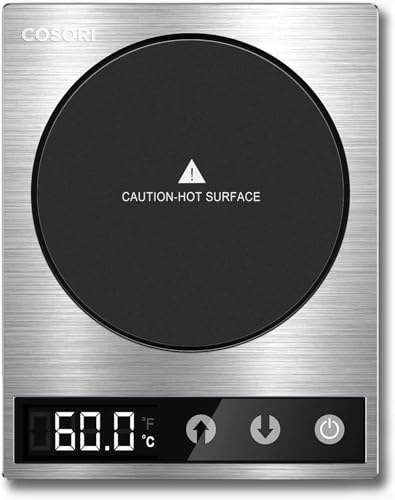
Once you understand that a coffee mug warmer maintains rather than reheats, the specs that actually matter become easier to judge. Wattage sets the ceiling, warmers in the 24 to 40 watt range hold heat noticeably better than the cheapest 16-watt units. Temperature control is the next factor: a single fixed setting works fine if you only ever drink coffee, but a model with multiple settings or a digital display lets you dial things back for tea, which scorches at lower temperatures than coffee does.
Auto shut-off deserves real weight in the decision too. Some units rely on a basic countdown timer that cuts power after a set number of hours, while others use gravity or cup-presence sensors that switch off the moment you lift your mug away and back on when you set it down. That second style uses less power overall and removes the risk of a plate running hot on an empty desk, similar to the safety thinking behind a towel warmer that senses when it's actually in use.
Hot Plates, Battery-Powered Mugs, or Smart Mugs: Which Fits Your Day
Three distinct formats show up under this category, and each suits a different routine.
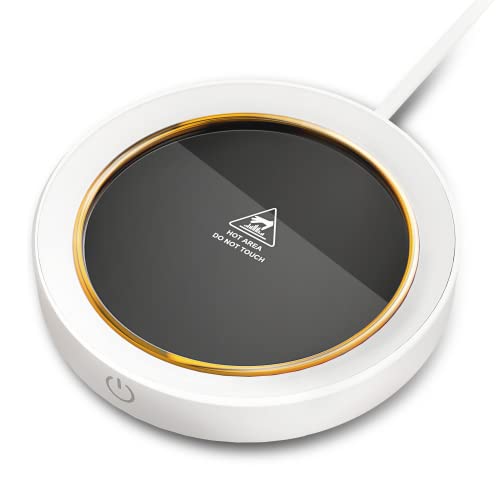
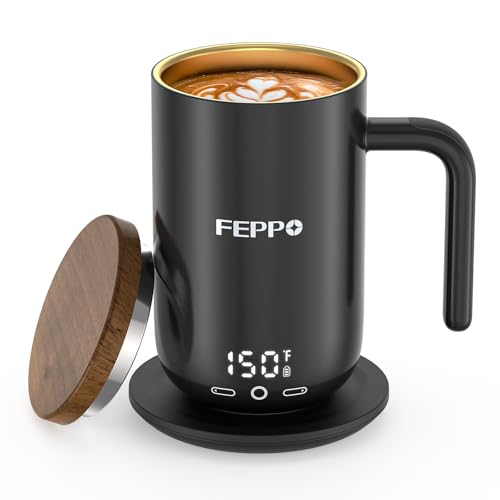
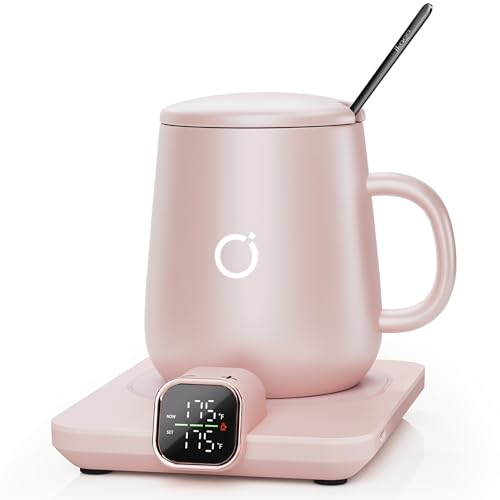
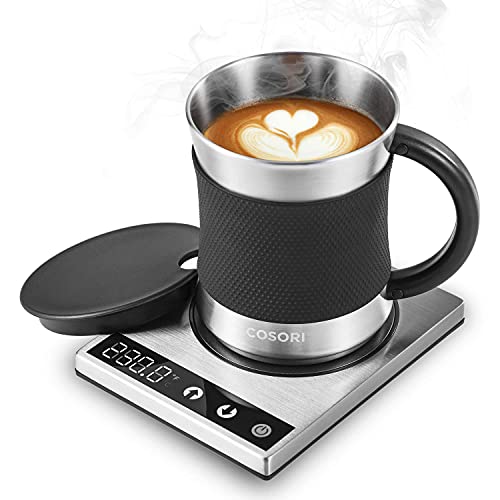
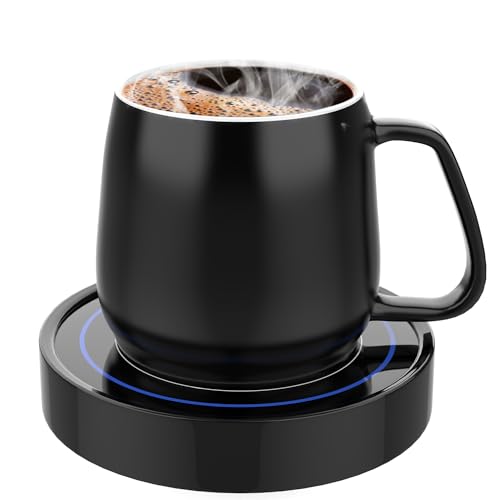
- Plug-in hot plates are the simplest and most affordable option. They stay in one spot on your desk and work with almost any compatible mug, which makes them the easiest choice if you sit in the same place all day.
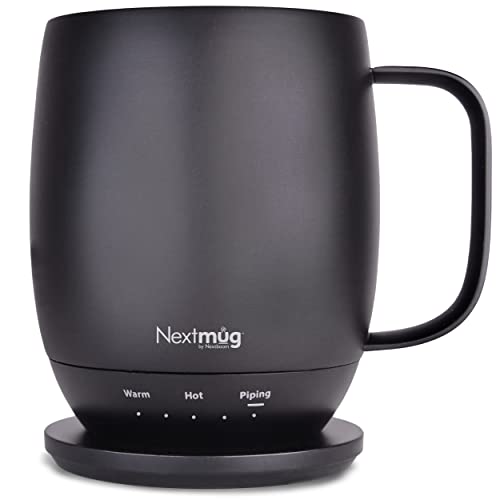
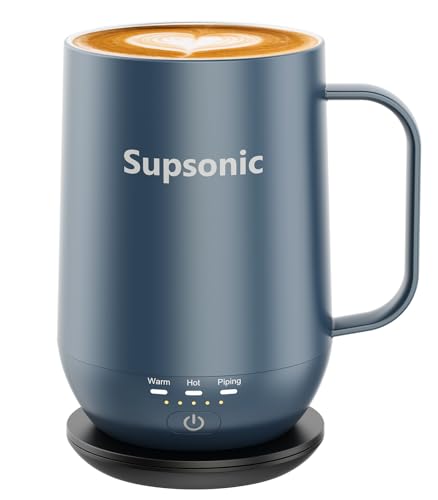
- Battery-powered self-heating mugs trade the cord for portability. They travel with you between rooms or even in a bag, though the battery is built into one specific mug rather than working with cups you already own, and it will lose capacity over years of charging cycles.
- App-connected smart mugs add precise temperature tracking and phone notifications when your drink drops below your preferred range. They cost more than a basic plate but appeal to people who are particular about hitting an exact temperature every time.
If you mostly stay at one desk, a plug-in plate covers the job at the lowest cost. If you move between a home office, a kitchen table, and a couch, portability starts to matter more than raw heating power.
Can a Mug Warmer Double as a Candle Warmer
Because both devices rely on the same basic heating-plate mechanism, a lot of owners end up using their mug warmer for jarred candles too, and it generally works. The plate warms the glass from below and releases scent without an open flame, which is exactly how a dedicated candle warmer functions. The main caveat is heat output: warmers built for beverages sometimes don't get hot enough to melt wax evenly, while ones built specifically for candles can run hotter than you'd want for a mug. If scent throw matters more to you than coffee, it's worth comparing a purpose-built option like flameless candle warmers instead of assuming your coffee warmer will do double duty well. Always check the manufacturer's guidance before repurposing a warmer this way, since not every model is rated for it.
Frequently Asked Questions
What are the best coffee mug warmers to look for?
The best options combine a wattage of at least 24 watts, a temperature setting you can adjust, and either a timer or cup-detection sensor for auto shut-off. Beyond that, match the plate size and material compatibility to the mugs you already own.
Does a mug warmer need one-degree temperature precision?
For most people, no. A couple of preset temperature levels is plenty for switching between coffee and tea. Precise, adjustable-by-the-degree control mainly benefits people who are picky about a very specific serving temperature, such as pour-over enthusiasts.
Which material keeps coffee warmer longer, metal or ceramic?
Stainless steel, especially double-wall vacuum-insulated steel, retains heat longer than ceramic when a mug is sitting on its own without a warmer. On a heating plate, though, single-wall ceramic and stainless mugs both perform well since the insulation that helps steel off a warmer works against it once it's on one.
Is there a coffee warmer that actually works?
Yes, as long as expectations match the technology. A quality warmer reliably holds an already-hot drink at a comfortable temperature for hours. It won't turn cold coffee hot again, so pour it fresh and set it down right away for the best results.
How can I keep coffee hot without an electric warmer?
A double-wall insulated travel mug or thermos keeps coffee hot for a comparable stretch of time without needing an outlet. It's a reasonable alternative if you move around a lot during the day or don't have a plug nearby.
How much does it cost to run a mug warmer all day?
Very little. Most units draw somewhere between 16 and 40 watts, which adds up to just a few cents even if it stays on for a full workday. It's one of the cheapest small appliances to operate continuously.
Setting Realistic Expectations Before You Buy
A coffee mug warmer is a small, inexpensive fix for a genuinely common annoyance, but only if you buy it understanding what it actually does. Focus on wattage, mug compatibility, and shut-off controls rather than flashy extras, and put your coffee down while it's still hot rather than after it has already cooled. Get those basics right and a warmer earns its spot on your desk fast.