Best Electric Tea Kettle With Temperature Control
Disclosure: We may earn a commission when you buy through links on this page, at no extra cost to you. As an Amazon Associate I earn from qualifying purchases. Learn more

Tea is far less forgiving than coffee when it comes to water temperature. Pour water that's too hot over green or white tea leaves and you'll pull out bitterness instead of flavor, while black tea and herbal blends need water at a full boil to open up properly. That's exactly why the best electric tea kettle with temperature control is worth seeking out if tea is a regular part of your day. Instead of guessing when water has cooled enough or timing a boil by ear, you set the exact degree your tea calls for and let the kettle handle the rest. This guide walks through what separates a genuinely useful temperature-controlled kettle from one that just has a few extra buttons.



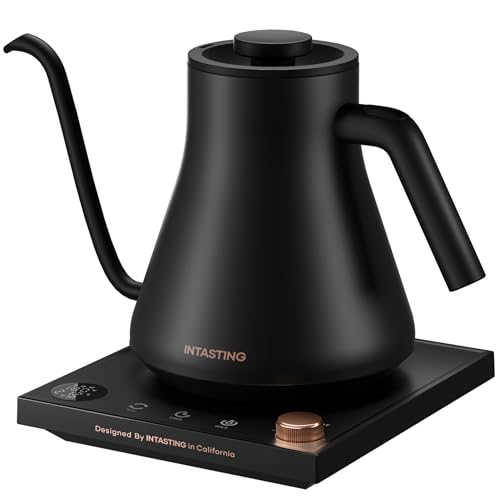
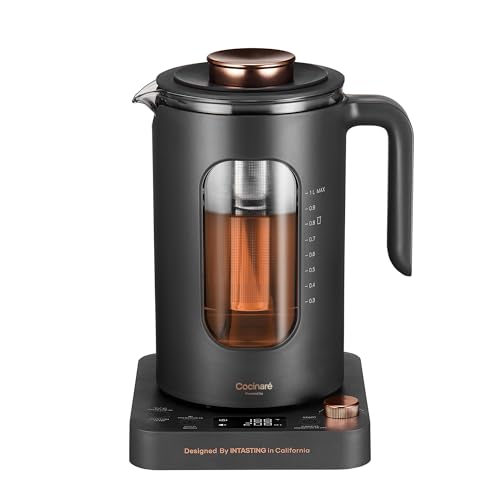
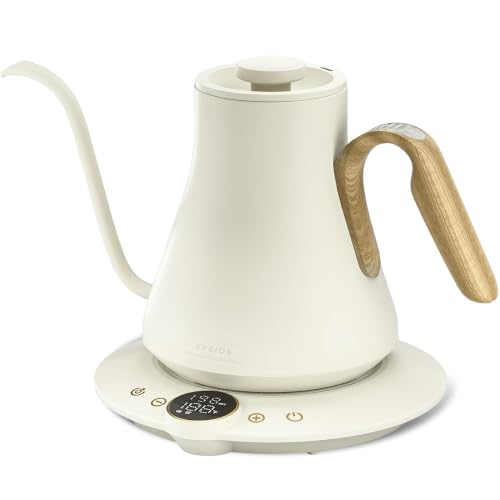
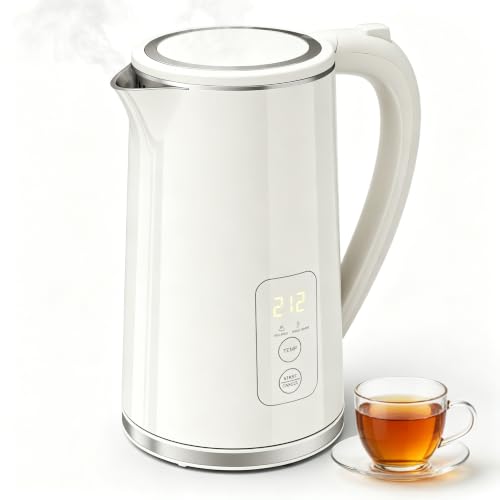

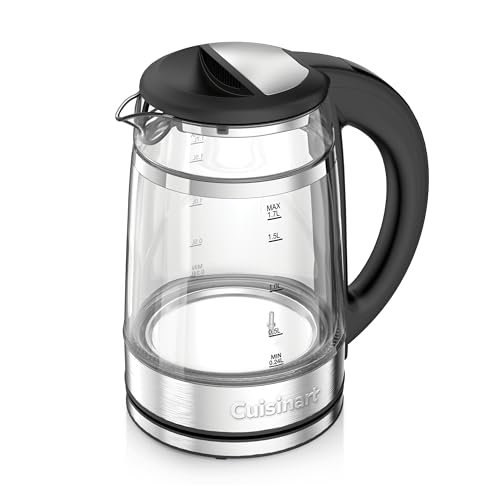
Why Water Temperature Changes How Your Tea Tastes
Every tea leaf releases its flavor compounds at a different rate depending on heat, and that rate is the whole reason temperature control matters so much for tea specifically. Compounds that create pleasant flavor dissolve first, while the tannins responsible for bitterness need more heat and time to release. Hit that balance and a cup tastes rounded and clean; miss it and even good tea leaves taste flat or harsh.
The Ideal Range for Green, Black, and Oolong
Green and white teas generally taste best steeped between 160 and 185 degrees Fahrenheit, with delicate Japanese greens often preferring the cooler end of that range. Oolong sits in the middle, usually around 195 degrees, while black tea and most herbal blends hold up well to water at a full 212-degree boil. A kettle that lets you set these temperatures precisely removes the trial and error that comes with eyeballing it.
What Happens When the Water Is Too Hot
Pouring boiling water over green or white tea leaves scalds them almost instantly, pulling out excess tannins and leaving the cup tasting grassy or bitter no matter how good the leaves were to start. This is the single most common reason people give up on loose-leaf green tea, when the actual fix is simply cooler water. Letting boiled water sit and guessing at the temperature works in a pinch, but it's inconsistent from one cup to the next.
Digital Presets vs. Manual Dial: Choosing Your Control Style
Once you know why temperature matters, the next decision is how you want to set it. Nearly every best electric tea kettle with temperature control on the market uses one of two approaches, and each suits a slightly different kind of tea drinker.
One-Touch Presets by Tea Type
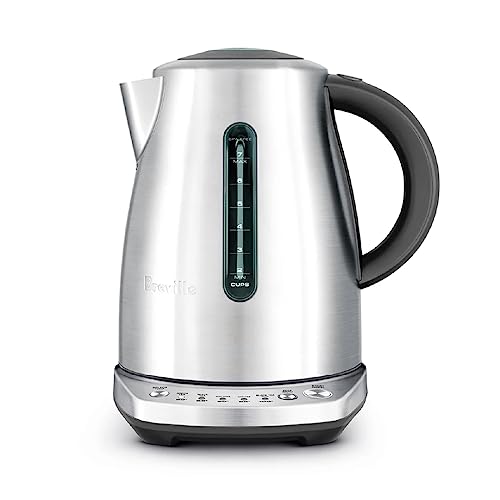
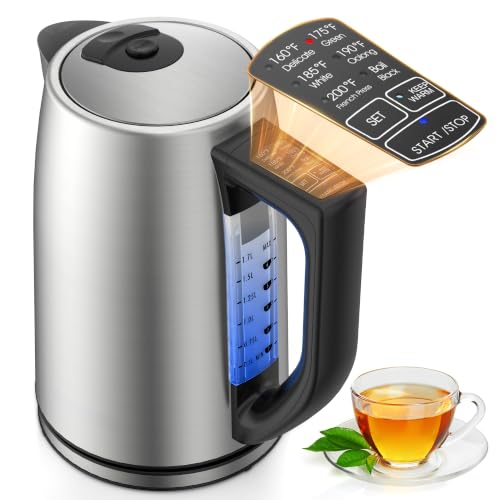
Preset kettles label buttons by tea type, so you tap "green" or "black" instead of dialing in a specific number. This is the more approachable option if you don't want to memorize brewing temperatures, and it works well for households where more than one person uses the kettle. The tradeoff is less flexibility if your preferred steeping temperature falls between two presets.
Manual Dial Kettles and Degree-by-Degree Adjustment
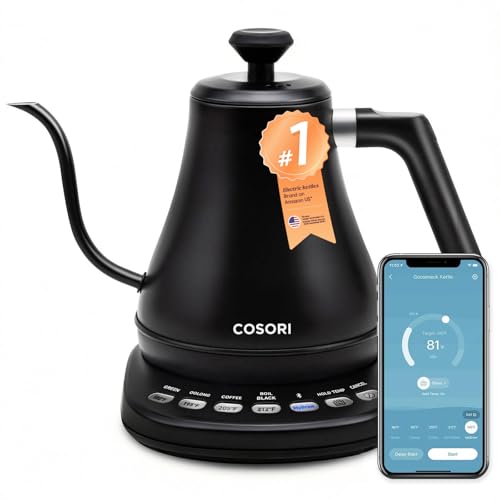
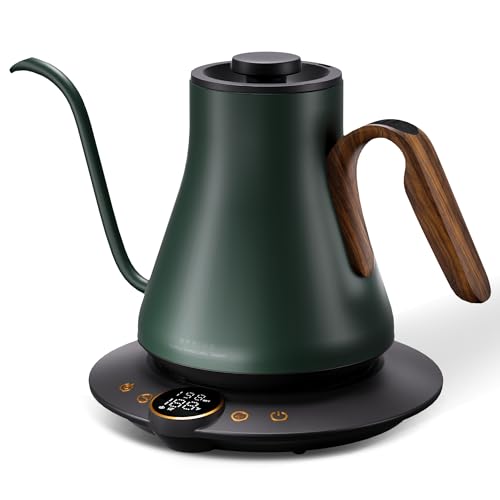
Dial or digital-input kettles let you set an exact temperature, often in single-degree increments, which appeals to people who steep a wide variety of teas or who've developed strong preferences over time. It takes a bit more familiarity with brewing temperatures to use well, but it gives you full control rather than relying on someone else's preset ranges. If you mostly drink one or two tea types, presets are usually simpler without sacrificing much.
Hold and Keep-Warm Settings for Longer Tea Sessions
Temperature accuracy at the moment of boiling is only half the equation. Tea sessions often stretch over several steeps, and a kettle that lets the water cool back down between pours undercuts the whole point of precise temperature control.
How Long a Hold Function Should Last
A hold function keeps water at your chosen temperature for a set period after heating, typically somewhere between 20 minutes and a couple of hours depending on the model. Shorter hold windows are fine if you brew one cup and move on, but longer sessions with multiple steeps of the same leaves benefit from a kettle that holds temperature well past the initial boil.
Why Keep-Warm Matters for Multiple Steeps
Many teas, especially oolong and pu-erh, are meant to be steeped several times from the same leaves, with each infusion pulling out slightly different flavors. Reheating water from scratch between steeps is inconvenient and easy to skip, which usually means using water that's cooled more than you'd like. A dependable keep-warm setting keeps every steep in that session at the temperature it was meant to be brewed at.
Precision Pouring for Loose-Leaf and Delicate Teas
Spout design plays a smaller but still meaningful role for tea drinkers, particularly if you use loose-leaf tea and an infuser basket rather than bags.
Spout Shape and Steady Pouring
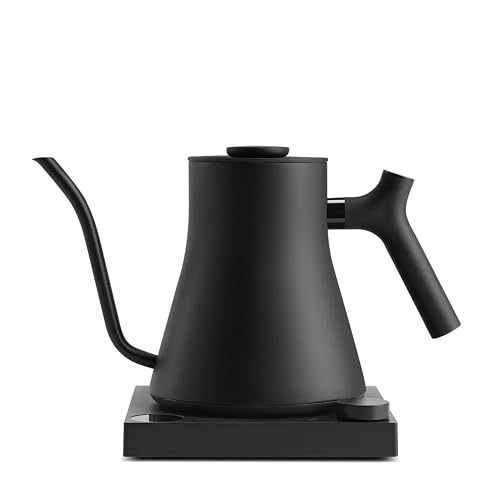
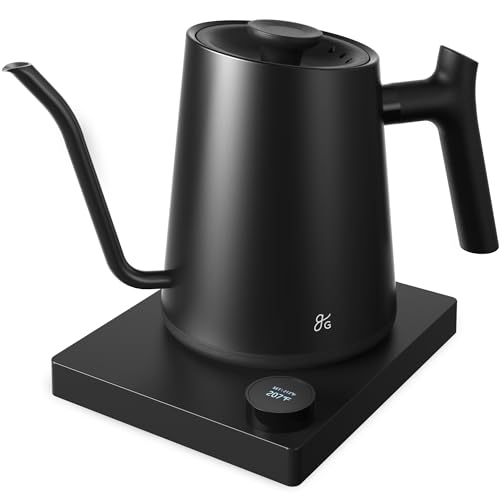
A narrower spout gives you more control over how fast water enters a teapot or infuser, which matters when you're trying to saturate loose leaves evenly rather than dumping water in all at once. Wide spouts pour faster and are fine for a simple mug and tea bag, but they make even saturation harder to manage with a full basket of loose leaves.
Infuser Baskets and Steep Timers
Some temperature-controlled kettles pair with a built-in infuser basket or include a steep timer alongside the temperature display, which is a genuine convenience if you steep loose-leaf tea often. Neither feature is essential, but together they turn the kettle into a more complete brewing tool rather than just a water heater with a thermostat. If you're deciding between this kind of specialized kettle and a general-purpose one, it can help to first look at what a best electric water kettle offers on the basics before paying more for tea-specific extras.
Mistakes That Undo Good Temperature Control
Even a well-built temperature-controlled kettle won't help much if a few habits get in the way of using it properly.
Using Boiling Water Out of Habit
The most common mistake is defaulting to a full boil for every tea because that's simply how most people learned to make tea growing up. Green and white teas in particular suffer from this habit, and it's worth taking the extra few seconds to select the right preset or dial in the correct degree rather than boiling on autopilot.
Ignoring Preset Drift Over Time
Mineral buildup inside a kettle can gradually throw off how accurately it reaches a set temperature, even on models with a reliable sensor. If your tea starts tasting off despite using the same settings you always have, scale buildup on the heating element is a likely culprit. Regular descaling, roughly once a month depending on your water hardness, keeps the best electric tea kettle with temperature control performing the way it did when it was new.
Frequently Asked Questions
What temperature should I use for green tea?
Most green teas taste best between 160 and 185 degrees Fahrenheit, with delicate Japanese varieties preferring the cooler end of that range. Steeping green tea in fully boiling water is the most common reason it turns out bitter.
Do temperature-controlled kettles actually stay accurate over time?
Most stay accurate for a long time if they're descaled regularly, since mineral buildup on the heating element is the main thing that throws off temperature sensors. A kettle that suddenly seems off despite the same settings usually just needs a cleaning.
Is a preset kettle or a manual dial kettle better for tea?
Preset kettles are simpler if you mainly drink one or two tea types and want a quick, labeled option. Manual dial kettles suit people who steep a wider variety of teas or have specific temperature preferences that fall between standard presets.
How long does the keep-warm function usually last?
It varies by model, ranging from around 20 minutes on simpler kettles to a couple of hours on more feature-rich ones. If you regularly steep multiple infusions from the same leaves, a longer hold window is worth prioritizing.
Can I use a temperature-controlled kettle for coffee too?
Yes, many people use the same kettle for pour-over coffee, since coffee brewing also benefits from water in a specific range rather than a full boil. The presets or dial that work for tea translate directly to coffee brewing temperatures as well.
Why does my tea taste bitter even with a temperature-controlled kettle?
Bitterness usually comes from either steeping too long or using a temperature that's too high for that particular tea, rather than a problem with the kettle itself. Double-check the recommended range for your specific tea type and adjust steep time before assuming the kettle is inaccurate.
Do I need an infuser basket built into the kettle?
It's a convenience rather than a necessity. A separate infuser or teapot works just as well, so it's fine to prioritize temperature accuracy and hold time over whether the kettle includes a built-in basket.
Brewing Every Tea at Its Best Temperature
Getting the temperature right is the single biggest factor separating an average cup of tea from a genuinely good one, and it's a factor most standard kettles simply weren't built to handle. Once you've narrowed down presets versus manual control and how long you need the water held warm, the rest of the decision comes down to fitting your everyday brewing habits. A kettle that matches those habits will earn its place on your counter fast.