Best Combat Watches for 2026: Budget, Midrange, and Premium Tiers
Disclosure: We may earn a commission when you buy through links on this page, at no extra cost to you. As an Amazon Associate I earn from qualifying purchases. Learn more

A budget guide to the best combat watches: what each price tier delivers for case, crystal, movement, and water resistance, and which upgrades are worth paying for.
Combat style watches span an enormous price range, from under $50 to well past $1,000, and the listings all use the same words: tough, tactical, military grade. That language hides the real question, which is where extra money actually buys durability and where it only buys styling. The best combat watches for you sit at the tier where the case, crystal, and movement match how rough your days really are.
This guide breaks the market into three budget tiers, explains what each tier genuinely delivers, and separates the features worth paying for from the ones you can skip. Use the comparison table below for a quick view of the range, then read the tier that matches your budget.




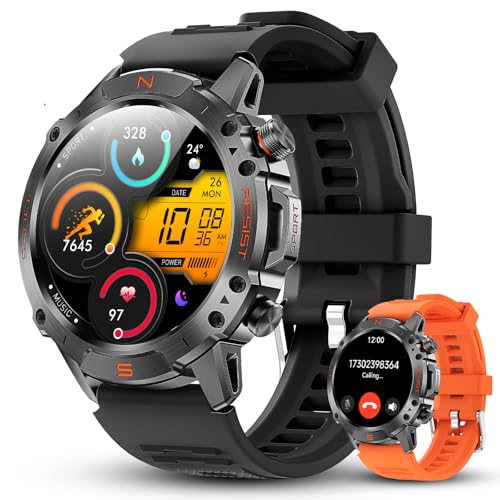

What a Strong Choice Looks Like at Each Budget
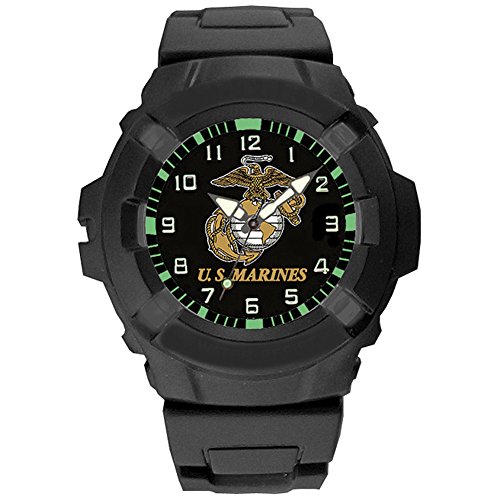
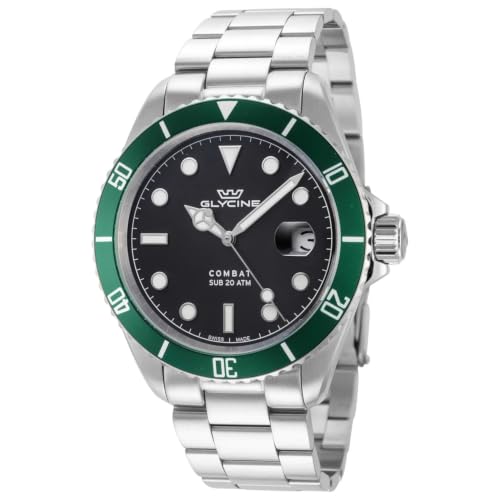
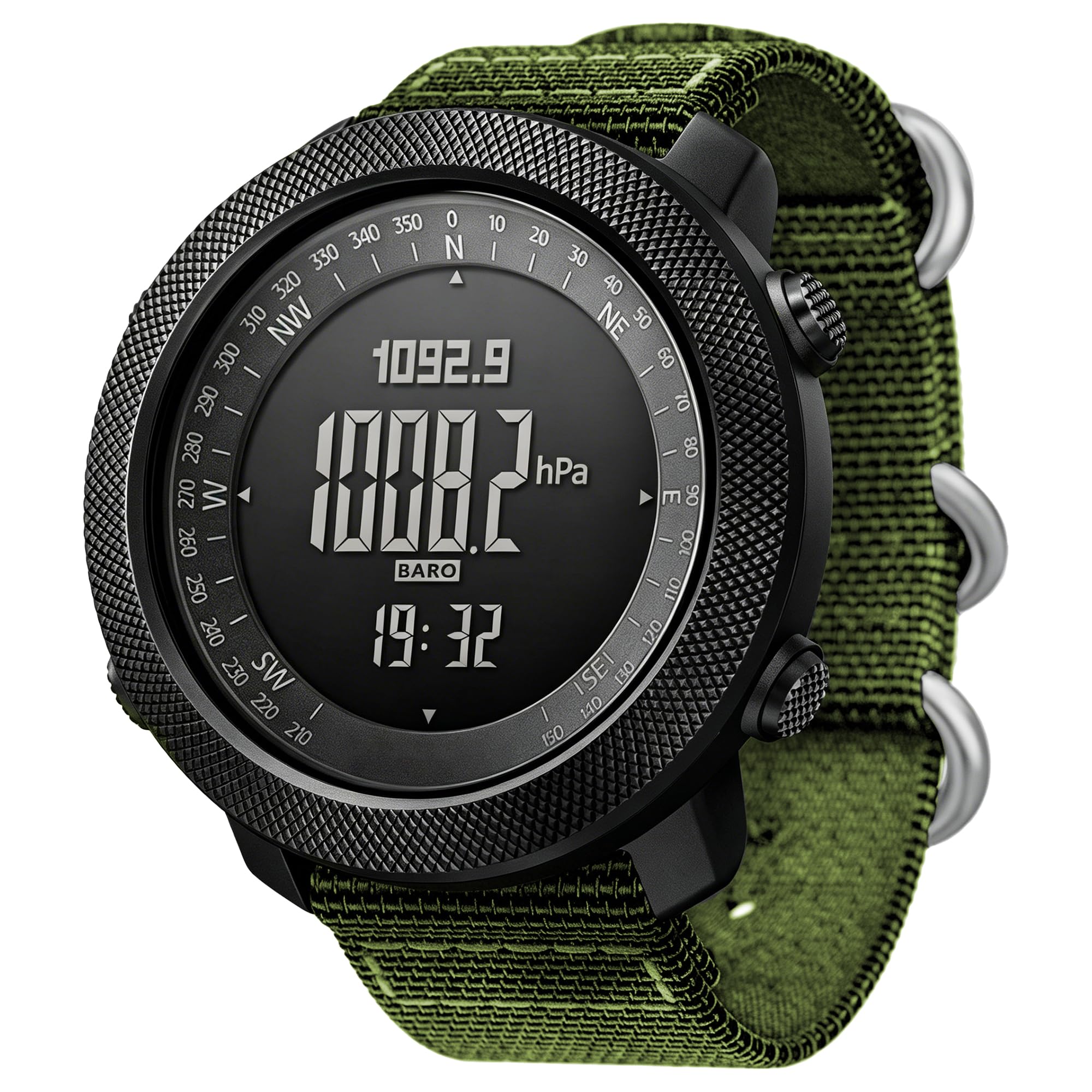
Instead of falling for a single headline model, shop for a profile: the set of traits a watch at your budget should have before you pay. The three profiles below describe what a well chosen watch looks like at each tier, so you can judge any listing in the product table above against them.
The Budget Tier Profile
A strong budget choice, usually under $100, is a quartz field style watch with a resin or basic steel case, a mineral crystal, and 50 to 100 meters of water resistance. Its strengths are accuracy, light weight, and zero worry: it shrugs off knocks that would make you baby a costly watch. Its limits are a crystal that scratches more easily, a strap that may feel stiff, and basic lume that fades before morning. Pick this profile for work sites, training, and travel where losing or breaking the watch is a real possibility.
The Midrange Tier Profile
A strong midrange choice, roughly $100 to $350, upgrades the parts that fail first: a stainless steel case, a sapphire or hardened crystal, 100 to 200 meters of water resistance, and a movement that may be solar quartz or a reliable automatic. Lume lasts the night, the strap hardware is steel instead of plastic, and the watch looks finished enough for the office. Its limit is that you still choose between the most features and the best finishing, rarely both. Most buyers should shop here, because this tier fixes the budget tier weaknesses without paying for prestige.
The Premium Tier Profile
A strong premium choice, roughly $350 and up, adds sapphire crystal as a given, a well finished steel or titanium case, strong and even lume, and either a high grade automatic movement or advanced solar and GPS features in a smart or hybrid design. Resale value and long warranties also enter here. Its limit is simple: durability gains over midrange are small, and much of the price pays for finishing, brand, and movement craftsmanship. Pick this profile when the watch is a long term daily companion or a deliberate purchase you plan to keep for a decade.
What Your Money Gets You at Each Price Tier
Budget Tier: What to Expect
At under $100, expect quartz accuracy within seconds per month, a light resin or coated case, and water resistance fine for rain, showers, and swimming at the higher ratings. Straps are usually basic nylon or resin, which is good news: they are cheap to replace and suit rough use. What you give up is scratch resistance, low light readability after a few hours, and refined finishing. For genuinely hard daily use, those trade offs are often acceptable, because the watch is a tool you can replace without pain.
Midrange Tier: The Sweet Spot for Most Buyers
Between about $100 and $350, your money lands on the parts you touch and see daily. Steel replaces resin, sapphire or hardened glass replaces basic mineral crystal, screw down crowns and 200 meter ratings appear, and solar charging removes battery changes from your life. Automatic movements also become credible at this level, with hand winding and hacking seconds. This is the tier where a watch stops feeling disposable. If you buy one watch to wear everywhere for years, buy it here and put the savings toward a spare strap.
Premium Tier: When Spending More Pays Off
Above about $350, spending more pays off in three situations. First, when you want an automatic movement with better finishing, longer power reserve, and service support that keeps it running for decades. Second, when you need advanced functions, like GPS time sync, a compass, or smart features, in a case built to survive impact. Third, when titanium or high grade steel finishing matters because the watch is also your dress watch. Outside those cases, premium prices buy smaller gains than the jump from budget to midrange does. Shoppers weighing pure build quality can compare notes in our guide to the best quality watches.
Features Worth Paying For (and Ones to Skip)
Brand Reputation, Warranty, and Value
A known maker with a real warranty and US service support is worth a modest premium, because a watch is a machine you may own for ten years. Look for at least a two year warranty, available replacement straps and spring bars, and a service network that can change seals and batteries without shipping the watch overseas. Resale value matters only at premium prices; budget and midrange watches are bought to be used, not sold. A no name watch with heroic specifications and no service path is a worse buy than a plainer watch from a supported brand.
Movement Type: Quartz, Automatic, Solar, and Smart
Quartz is the accuracy and value champion, running for years on a battery with almost no attention. Solar quartz removes even the battery change and suits anyone who hates maintenance. Automatic movements appeal to buyers who enjoy mechanical craft, but they need regular wear, lose or gain seconds daily, and cost money to service every several years. Smart and GPS watches add training, navigation, and notification features, yet they depend on charging and software support. Choose the movement that matches your tolerance for upkeep, not the one that sounds most impressive.
Case Size and Wrist Fit
Most combat style watches run 38 to 44 mm across, and the right size is the one where the lugs stay within the width of your wrist. Measure your wrist, then favor 38 to 40 mm cases for wrists under about 6.5 inches and 42 to 44 mm for larger wrists. Thickness matters as much as diameter: a tall case catches on cuffs and door frames. Quick release straps are a small feature worth having, since they let you swap between nylon for rough days and leather or steel for cleaner settings in seconds.
Water Resistance Rating
Ratings describe pressure in still water, not real world depth, so read them by activity. A 30 meter rating means splash resistance only, despite the number. At 100 meters you can swim and shower without worry. At 200 meters you can swim, snorkel, and dive recreationally with confidence, and the watch usually gains a screw down crown. Pay for 200 meters if water is part of your routine; otherwise 100 meters covers nearly every land based use and costs less. For broader military styling context, see our guide to the best military combat watches.
Long Term Costs to Factor In
The purchase price is only part of ownership. Quartz watches need a battery every two to three years, plus fresh seals if you swim often. Automatic watches need a professional service every five to seven years, which can cost a meaningful share of a midrange purchase price. Straps wear out in one to three years of daily use, and nylon spares are cheap while fitted steel bracelets are not. Smart models add charger replacements and a shorter useful life tied to software support. Add these costs across five years before deciding that a cheaper watch is truly cheaper. Buyers who also train with their watch may want to compare our guide to the best workout watches before choosing a smart model.
Combat Watches: Your Questions Answered
What case size fits my wrist?
Measure your wrist with a soft tape, then match case width to it. Wrists around 6 to 6.5 inches suit 38 to 40 mm cases, mid size wrists suit 40 to 42 mm, and wrists over 7 inches carry 42 to 44 mm well. One check beats numbers: the lug tips should not extend past the edges of your wrist when viewed from above. If they do, the watch will snag, rotate, and feel larger than its diameter suggests.
How water resistant should a combat watch be?
For land based wear with rain and hand washing, 50 to 100 meters is genuinely enough. Choose 200 meters if you swim, surf, or dive with the watch, because moving water and worn seals eat into the rating over time. Whatever the rating, never press buttons or adjust the crown while the watch is wet, and have the seals checked when the battery is changed. Heat is the other enemy: hot showers age seals faster than cold water does.
How long does a watch battery last?
A standard quartz battery typically lasts two to three years, and longer in simple three hand models without alarms or backlights used hourly. Solar models stretch that to a decade or more before the rechargeable cell tires. A fading backlight or a second hand jumping in steps is the classic warning sign of a weak battery. Change it promptly: a dead battery left inside for years can leak and damage the movement, turning a small service into a full replacement.
Quartz or automatic: which is better for a combat watch?
Quartz is better for pure function: it is more accurate, more shock tolerant, and far cheaper to run. Automatic is better if you value mechanical craft and a watch that can be serviced back to life for decades rather than replaced. For hard impact use, like range days or manual labor, quartz also removes the worry of knocking a delicate balance assembly out of adjustment. Many owners end up with one of each and rotate by task.
Is a smartwatch worth it over a classic watch?
It is worth it if you will use the training, navigation, or notification features weekly, and if you accept charging every few days and a useful life set by software support. A classic quartz or automatic watch asks almost nothing and keeps working for years untouched. A hybrid approach suits many buyers: a smart model for training days and a simple field watch for everything else, which also spreads wear across two cases. General style guidance for men is covered in our guide to the best watches for guys.
Final Thoughts
Set your tier first, then demand the profile that tier should deliver: a sound case and crystal, honest water resistance, and a movement whose upkeep you accept. Most buyers land best in the midrange, where durability per dollar peaks. Compare the options in the product table above, and you will find the best combat watches for your wrist, your routine, and your budget.