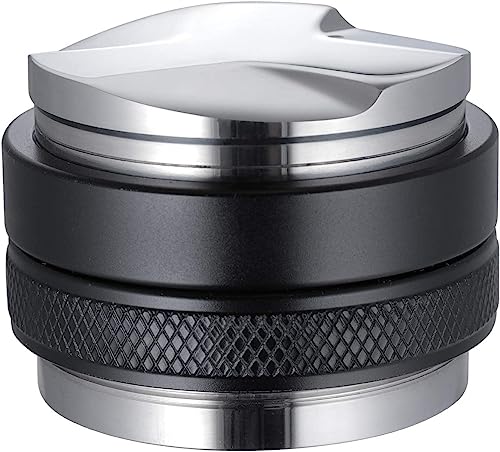
Best Coffee Knock Box for 2026: How to Choose Guide
Disclosure: We may earn a commission when you buy through links on this page, at no extra cost to you. As an Amazon Associate I earn from qualifying purchases. Learn more

Learn how to choose a coffee knock box that fits your espresso routine, from size and knock bar strength to material, cleaning, and counter space.
There is no single best coffee knock box for every home, because the right choice depends on how often you make espresso, how much counter space you have, and how you like to clean up. A knock box gives you a safe place to tap used coffee grounds out of a portafilter, so you do not need to bang the portafilter on a trash can or sink edge. The product table can help you compare sizes and styles once you know your routine.
This guide looks at who each style suits, the features that affect daily use, and the mistakes that lead to a box that is too small, too loud, or hard to empty, keeping the focus on the box itself.
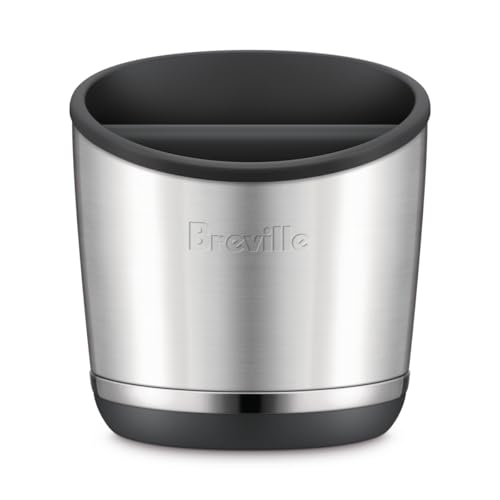
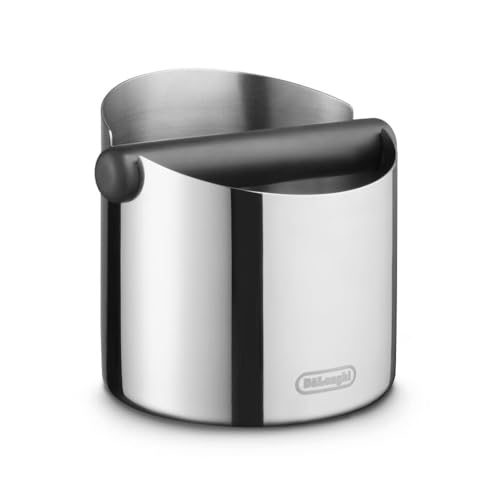

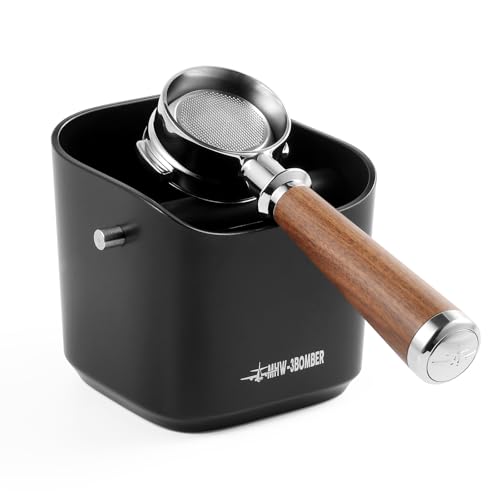


Who Should Buy Which Coffee Knock Boxes?
Match the box to your routine first, then check size and build, since a box that fits a busy household may be too large for a small kitchen, while a compact box may fill too fast for daily drinkers.
For Busy Espresso Households
A busy household needs a larger box that can hold grounds from several drinks before it needs emptying. Look for a wide opening, a strong knock bar, and a stable base that does not slide when you tap the portafilter. A drawer style box can also help here, since it keeps grounds out of sight, and easy emptying matters most, so check how the inner bin lifts out.
For Small Kitchens and Apartments
A small kitchen needs a compact box that fits beside the machine without crowding the counter, and a low, narrow box with a firm base often works better than a tall drawer unit. Check the footprint before you buy, leave room to tap without hitting nearby items, and choose a box that is easy to rinse and store.
For Occasional Users on a Budget
Occasional users can start with a simple, smaller box that covers the basics well. You still need a knock bar that feels solid and a base that stays put, but you may not need a large capacity or a drawer design. A simple box at about $15 to $30 often suits occasional use, while a larger or drawer style box may cost about $30 to $60.
For Serious Home Baristas
Serious home baristas often make several drinks a day and want a box that handles steady use without wobbling or wearing out fast. Look for thick walls, a well fixed knock bar, and a material that resists stains and odors, plus a larger capacity and a design that empties cleanly. Durability matters more here than a low price, since a weak bar or a cracked base will need replacing sooner.
Key Features to Compare
Use these features to judge each box in real use, not just by its photos, since small differences in size, bar strength, and cleaning can change how pleasant the box is after a few weeks.
Size and Capacity
Size affects both fit and emptying frequency. A small box may hold grounds from two to four drinks, while a larger box may hold grounds from eight to twelve drinks. Measure your counter space and think about how often you want to empty the box, since a box that is too tall may be hard to tap comfortably, while a box that is too shallow may spill grounds.
Knock Bar Strength and Position
The knock bar is the part you tap the portafilter against, so it must feel solid and stay fixed in place. A bar that flexes or loosens will make knocking less effective and may damage the portafilter over time. Check whether the bar sits at a height that lets you tap without hitting the rim of the box, and note that a central bar suits most portafilters while a side bar may suit a narrower box. The bar should also be easy to wipe clean, since coffee oils build up with use.
Material and Build Quality
Common materials include plastic, stainless steel, wood, and rubber bases, and each has trade offs. Plastic boxes are light and easy to clean but may stain or crack if they are thin, while stainless steel boxes feel sturdy and resist odors but can be louder and heavier. Wood boxes look warm on a counter but need care to avoid moisture damage. Whatever material you choose, check wall thickness, seam quality, and whether the base grips the counter well.
Base Stability and Noise
A stable base keeps the box from sliding or tipping when you knock the portafilter. Rubber feet or a rubber base help grip the counter and reduce noise, which matters in an apartment or an early morning household. A heavier box also tends to stay put better than a very light box, so read maker notes on base design if noise matters to you.
Cleaning and Emptying
Cleaning is a daily task, so it should be simple. Look for a smooth inner surface, a bin that lifts out easily, and corners that do not trap grounds. Some boxes have a drawer that slides out, while others are open top bins you tip into a trash can or compost bin. Open top boxes are faster to empty, while drawer boxes keep grounds hidden, and either way, check that you can rinse the box and dry it fully before the next use.
Fit and Placement
Fit means more than counter size. The box should sit close enough to your machine that you do not drip grounds across the counter, but far enough away that you can move freely. Check the height of the box against your portafilter handle, so you can tap at a comfortable angle, and if you use a drawer box, make sure it fits under a cabinet or shelf with room to pull the drawer out.
Common Mistakes to Avoid When Buying Coffee Knock Boxes
- Choosing by price alone and ending up with a weak knock bar that loosens fast.
- Buying a box that is too small for your daily drink count, so you must empty it after every drink.
- Ignoring the footprint and discovering the box crowds the machine or blocks a cabinet door.
- Skipping base stability, which leads to sliding, tipping, and spilled grounds.
- Forgetting cleaning, and choosing a box with tight corners that trap grounds and odors.
Care and Maintenance Tips
Empty the box before grounds dry and stick to the sides, and rinse it with warm water as the maker suggests. Wipe the knock bar after use to remove coffee oils, and dry the box fully before putting it back on the counter. Check the bar fixings from time to time, and store the box away from heat sources and out of reach of children, since hot grounds can cause burns.
Frequently Asked Questions
How large should a coffee knock box be?
A coffee knock box should be large enough to hold grounds from your usual number of drinks before emptying, without taking over your counter. For one or two drinks a day, a small box that holds two to four pucks is often enough. For a busy household, a larger box that holds eight to twelve pucks saves time. Measure your counter space first, and leave room to tap the portafilter comfortably without hitting nearby items.
How do I clean a coffee knock box?
You clean a coffee knock box by emptying it often, rinsing it with warm water, and drying it fully before use. Wipe the knock bar to remove coffee oils, and check corners for grounds that may have stuck. Avoid harsh scrubbing on wood or coated surfaces unless the maker says it is safe, and a quick daily rinse keeps odors down.
Does a knock box damage a portafilter?
A knock box should not damage a portafilter when the bar is solid, smooth, and at the right height. Damage is more likely when the bar is loose, sharp, or too high, or when you tap with excessive force. Tap firmly but gently, and let the puck fall out rather than forcing it. If the bar wobbles or shows rough edges, stop using the box until you can fix or replace the bar following maker guidance.
Should I choose a drawer or an open top knock box?
You should choose a drawer knock box when you want grounds hidden and counter space kept tidy, and an open top box when you want fast emptying and simple cleaning. Drawer boxes suit kitchens where the box sits under a shelf or beside the machine for long periods, while open top boxes suit smaller setups where you empty the box often. Both styles work well if the bar is strong and the base stays stable.
When should I replace a coffee knock box?
You should replace a coffee knock box when the bar loosens, the base no longer grips, the walls crack, or odors remain after cleaning. A box that tips easily or spills grounds is also ready for replacement, since it makes your routine messier and less safe. Check the bar and base every few months, and replace the box sooner if you notice damage that could affect the portafilter. A well made box can last for years with regular cleaning.
Wrapping Up
The best coffee knock box is the one that fits your drink count, your counter, and your cleaning habits. Focus on size, knock bar strength, material, base stability, and easy emptying before you look at price alone. If you want to round out your coffee counter setup, see our guide to best coffee tumbler for a tidy way to carry drinks away from the machine. Check the product table once more, then choose the box that makes your daily espresso routine simpler and cleaner.