
Best Combat Boots for Wide Feet: A First Time Buyer's Guide for 2026
Disclosure: We may earn a commission when you buy through links on this page, at no extra cost to you. As an Amazon Associate I earn from qualifying purchases. Learn more

First time buying the best combat boots for wide feet? Learn how wide lasts, toe box room, shaft height, weight and prices work, in plain English.
Buying your first pair of combat boots is confusing enough, and a wide foot turns the size chart into a riddle. The good news is that the best combat boots for wide feet are found by reading three things: the shape the boot is built on, the height of the shaft, and the weight on your feet. The comparison table below shows the main types side by side, and this guide explains each term before you spend anything.
Measure before you order: a wide last, honest sizing and a break in plan matter more than a high price tag.

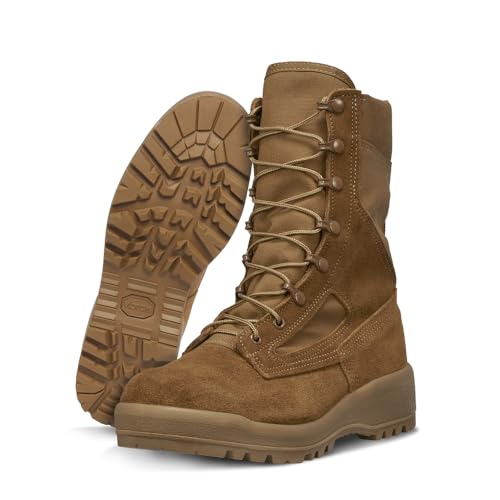
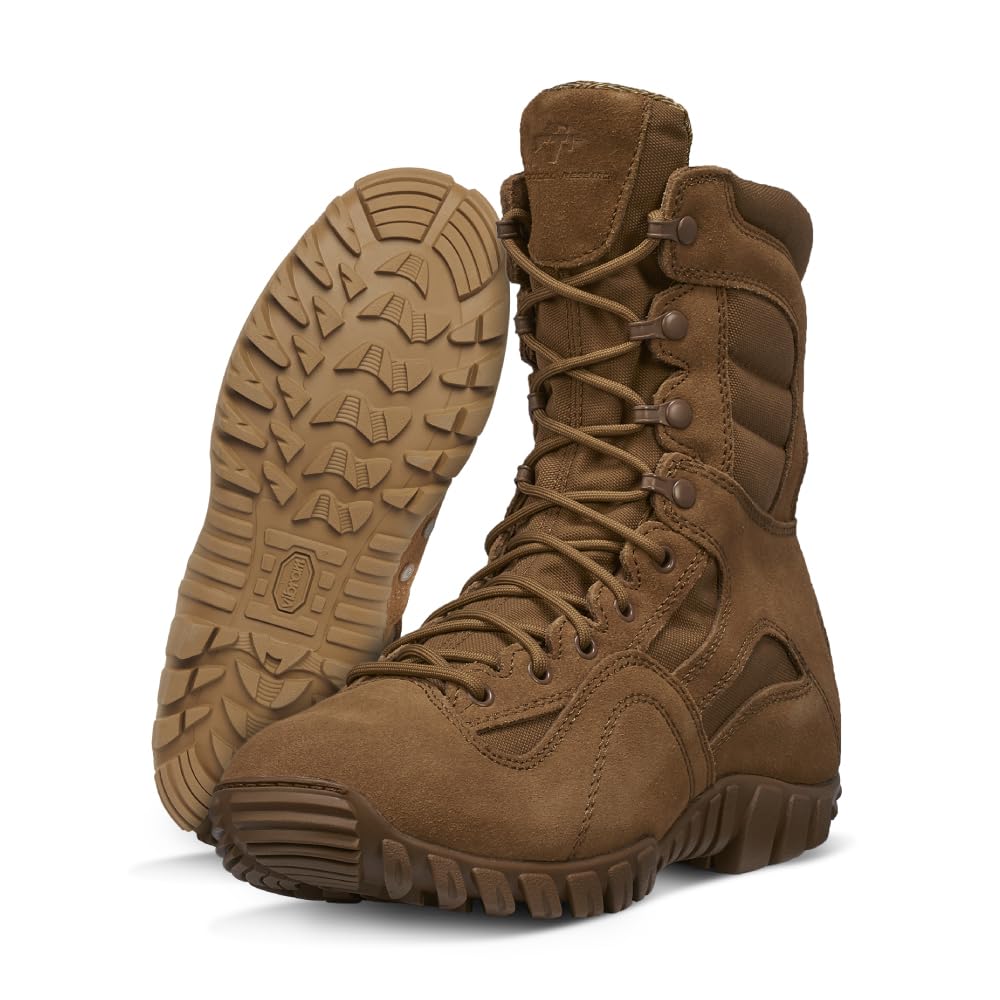

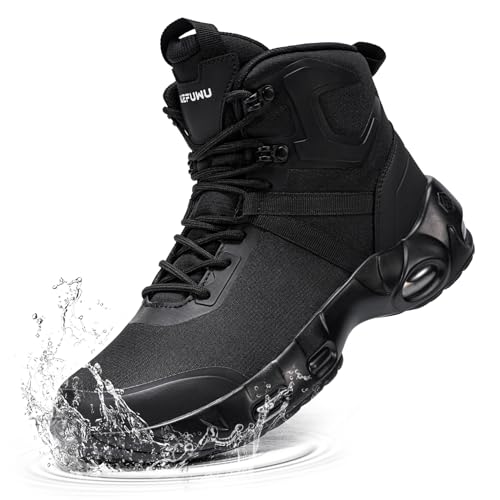
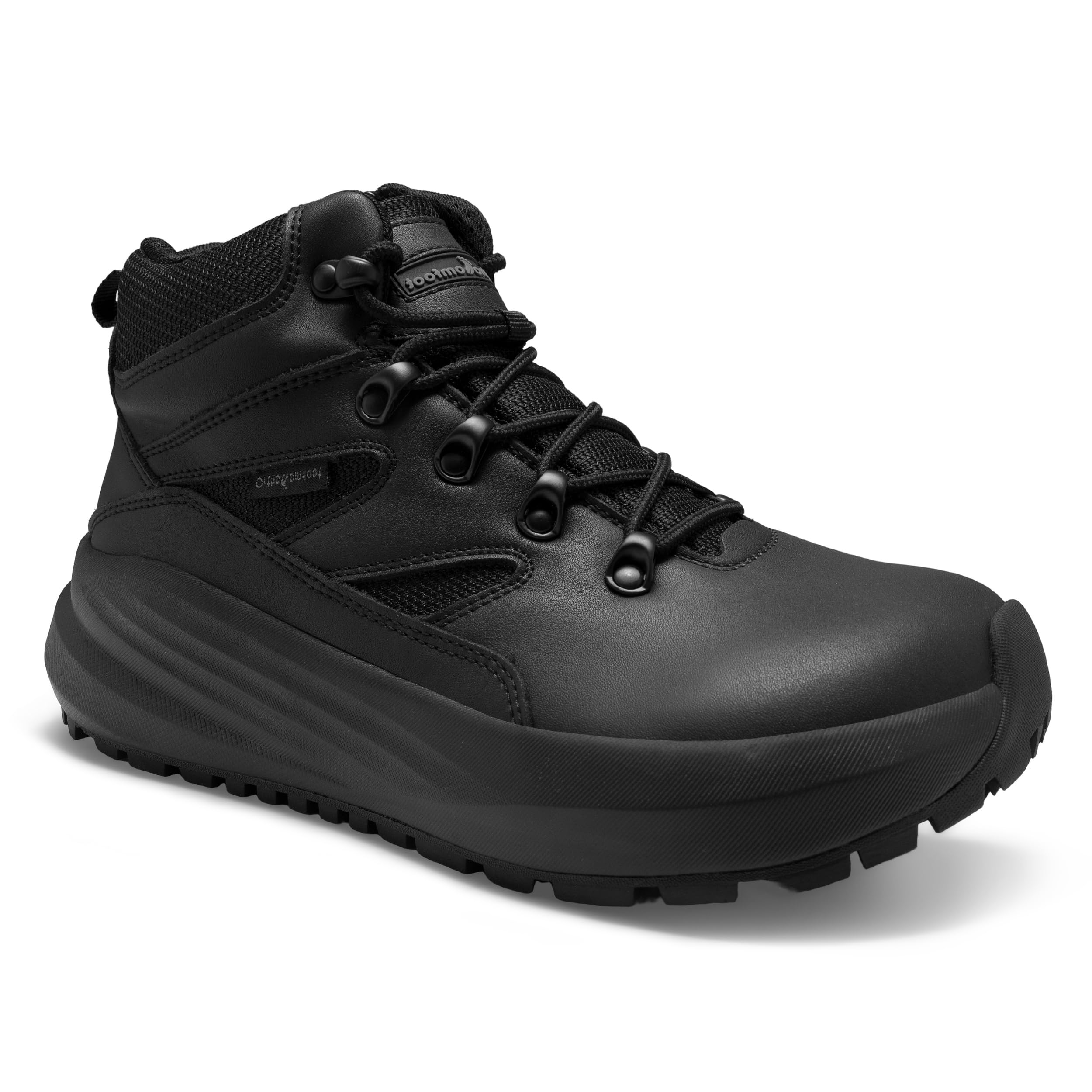


Combat Boots 101: The Basics
A combat boot is a tall lace up boot built for long days on rough ground, with a sturdy sole and an upper that takes mud, dust and daily wear. Four terms unlock the whole category: the last, the shaft, the toe box and the outsole. The last is the foot shaped form the boot is built around, and it decides the fit more than the size number does. The shaft wraps your ankle and lower leg, the toe box is the room around your toes, and the outsole is the treaded rubber on the bottom.
Width is sold by letters: standard is usually marked D, wide fittings use letters such as EE, and that letter matters more than any other mark on the box. Shoppers after the best combat boots for wide feet usually fail on the letter, not the length.
Key Specs Explained in Plain English
The Last: The Shape That Decides the Fit
A wide fit is read from the last, the form inside the boot that sets its whole shape, and a boot built on a wide last gives your forefoot and toes real room. Sizing up is the classic trap: a longer boot adds space in front of your toes but keeps the same narrow grip across the ball of your foot, so your heel slides and blisters follow. Always filter by the wide width letter first, then choose your length. Our broader guide to the best boots for wide feet covers the width basics that apply beyond combat styles.
Shaft Height and Ankle Support
Shaft height is measured in inches, and most combat boots stand about 6 to 8 inches tall. That height wraps the ankle, steadies it on rough ground, and keeps grit and shallow water out. A taller shaft gives more support for field work and long marches, while a shorter one feels cooler, lighter and easier to drive in. First time buyers who split time between pavement and trails usually settle at the middle of the range, and any shaft only helps if the fit below it is right.
Toe Box Room and Sizing Traps
Measure both feet in the afternoon, standing, in the socks you plan to march in, because feet swell across the day. In a correct fit, your longest toe sits about half an inch from the front, your toes can splay flat, and nothing presses on your forefoot. Width labels differ between brands and boot types, so never carry a size across categories without checking the maker's chart. If one foot measures larger, fit the larger one and fine tune the smaller with lacing or an insole.
Outsole Traction and Terrain
The outsole is your contact with the ground, and its lug pattern should match where you will walk: deep lugs of about 4 to 6 mm bite into mud, gravel and loose dirt, while shallower, wider lugs grip wet pavement without clogging. Softer rubber holds better on wet rock and concrete but wears sooner, and harder rubber trades some grip for a longer life. Trail walkers can compare the best hiking boots for wide feet, which trade shaft height for lighter weight. For mixed duty, a mid depth lug is the honest middle ground.
Weight and Flexibility
Weight is the spec your legs will grade every day. A light pair runs about 2.5 to 3 pounds, and a heavy pair passes 4 pounds, and that gap is paid on every step of a long day. Heavier boots buy thicker leather, denser soles and more protection, so the trade is real, but the boot should still flex at the ball of your foot, because a sole that will not bend there forces an awkward stride. Readers who stand on concrete all day may prefer the best work boots for wide feet, which put more padding under the heel.
Cushioning and Support
Cushioning in a combat boot comes from the insole and the midsole layer above the outsole, and decides how the ground feels by hour six. Look for a removable insole, because you can wash it, replace it when it packs flat, or swap in an insole shaped to your arch. A modest heel to toe drop keeps a natural stride, and firm arch support matters more than soft squish under the heel. If your feet ache on hard floors, try the boots with your thickest socks before judging the padding.
Break In Period and Comfort Out of the Box
Most combat boots need a break in period of about one to two weeks of short wears before they feel like yours. Leather uppers soften where your ankle bends, while fabric mixes often feel comfortable almost immediately. Judge early comfort by the absence of hot spots rather than by softness, because a boot that rubs on day one will blister on a long day. Wide feet sometimes need a slower start, since the upper has more stretching to do across the forefoot, so plan the break in before any event that demands a full day on your feet.
Rookie Mistakes to Avoid
- Ordering your shoe size without checking the width letter, then blaming the brand when the forefoot feels crushed.
- Sizing up in length to get width, which leaves the heel loose and turns miles into friction and blisters.
- Judging fit in thin dress socks instead of your duty socks.
- Lacing loosely so the foot slides forward and jams the toes, wasting the room a wide last gave you.
- Taking a new pair straight onto a long march, skipping the break in that protects your skin.
Getting Started: Setup and First Use
Try the boots on in the afternoon with your thickest socks, lace them firmly, and use a heel lock loop at the top eyelets if your heel lifts. Walk indoors on hard floors at first and keep the boots clean, so a return stays possible while you confirm the fit. Build up in stages: short walks first, then longer outings as the upper softens, and air dry wet boots away from direct heat, because heat warps leather and weakens sole glue. Rotating two pairs helps if you wear boots daily, and an open shoe at home lets hot feet recover between shifts.
FAQs
What features matter most in combat boots for wide feet?
The wide last matters most, because it decides whether your forefoot has room before any other feature can help. After that, check the width letter on the size you are buying, a toe box that lets toes lie flat, and lacing that locks your heel. One point buyers miss: two brands can both label a boot wide and still shape it differently, so the return policy is part of the feature list.
Can I wear combat boots all day?
Yes, you can wear combat boots all day once they are broken in and the fit is right. Start by alternating with another pair for two weeks so both adapt. A fresh insole at midday and a sock change on long days do more for comfort than any feature on the box. If pain keeps returning in the same spot, treat that as a fit problem to solve, not something to push through.
How should combat boots fit when I first try them on?
Combat boots should fit firmly at the heel and midfoot, with about half an inch of space in front of your longest toe. Your toes should rest flat and spread, and the widest part of your foot should meet the widest part of the boot. Walk stairs if you can, where a loose heel shows itself. A fit that only works with the laces at their loosest is the wrong width, not a break in issue.
How long is the break in period for combat boots?
The break in period for combat boots is about one to two weeks of gradually longer wear. Full leather pairs sit at the long end of that range, and fabric mixes at the short end. Wear them around the house, then on short walks, and only then on a full day out. One helpful check: if a hot spot appears in the same place twice, adjust the lacing or sock there before the next wear rather than hoping it changes.
Are expensive combat boots worth it for wide feet?
Expensive combat boots are worth it when the extra money buys a wider last, better leather and a replaceable sole. Those decide fit and lifespan, the two things wide feet punish most when they go wrong. For occasional wear on easy ground, a mid priced wide pair, often about $90 to $150, covers the need well. Premium pairs commonly run about $180 to $300, so spend the difference only when your weekly miles justify it.
How often should I replace combat boots?
Replace combat boots when the tread is worn smooth, the midsole feels dead and flat, or the upper cracks where it flexes. Daily wear on pavement can use a pair up in about a year; weekend use stretches that to years. Insoles wear out first, so replace them once before judging the whole boot. Press the midsole with your thumb: if it no longer springs back, the cushioning is mostly gone.
Final Thoughts
For a first purchase, decide in this order: the wide last, then a shaft of about 6 to 8 inches, then the lightest build your ground allows. Keep the product table above open while you compare, and read each listing for its width letter before its length. Choose the best combat boots for wide feet that fit your larger foot on the first try on, break them in patiently, and they will carry you through long days without a fight.


