
The Best At Boots for Wide Feet for 2026: A Wide Fit Guide
Disclosure: We may earn a commission when you buy through links on this page, at no extra cost to you. As an Amazon Associate I earn from qualifying purchases. Learn more

The best at boots for wide feet pair a true wide last with a locked heel and grippy outsole. Compare fit, traction, and boot types.
A wide foot in a standard hiking boot usually fails in the same place. Your toes crowd against the front and sides on descents, while your heel still lifts with every step. Choosing the best at boots for wide feet means finding a boot built on a wide last, so the forefoot has room and the heel stays put.
AT boots in this guide are hiking boots made for the Appalachian Trail and similar long, wet, rocky routes. You will learn how wide sizing works, which features protect wide feet over hundreds of miles, and how types differ by trip, along with the comparison table below.
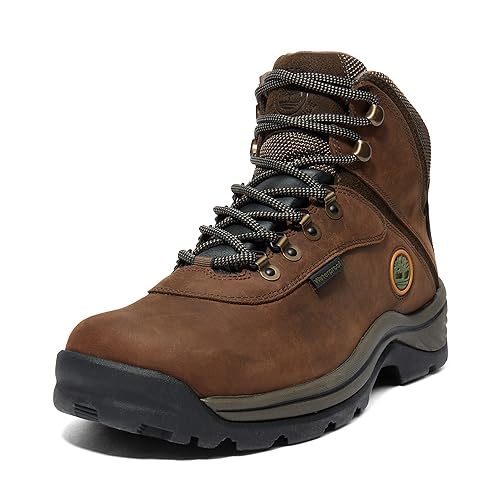


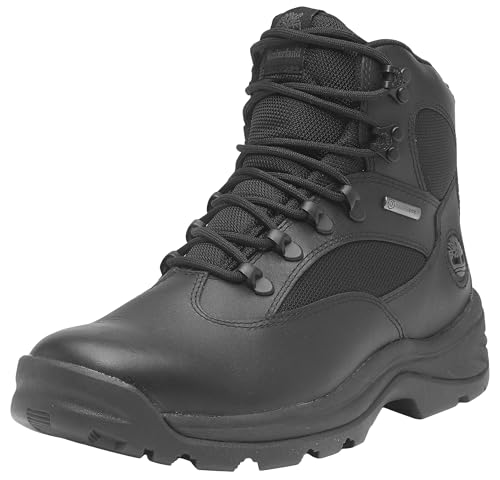


Who Should Buy AT Boots Built for Wide Feet
Section Hikers Whose Toes Splay on Long Descents
If the ball of your foot spreads under load and your toes press the sides, you need width at the forefoot more than extra length. A true wide last lets toes grip on climbs and spread on descents. For wide options beyond trail use, see our guide to the best boots for wide feet.
Backpackers Carrying Heavy Loads Over Rocky Ground
A loaded pack pushes your feet flatter and slightly longer by evening, so wide feet need a supportive midsole and a firm heel cup that keep the forefoot from rolling. Stouter boots also shield the sides of the foot from rock bruising. For shorter distances with a light pack, a lighter trail boot further down may suit you better.
Trail Crew Workers Who Stand and Walk All Day
Trail crews and park staff spend long hours on gravel, mud, and ladders, and wide feet swell through a shift. A wide AT boot with a grippy outsole and a cushioned insole suits that mix of walking and standing. If your work is mainly on concrete with safety toe rules, see our guide to the best work boots for wide feet instead.
Key Features to Compare in Wide AT Boots
Choosing the best at boots for wide feet comes down to how the boot is shaped, not just the size on the box.
True Wide Widths and a Toe Box With Room to Splay
Look for boots sold in named wide widths, often marked 2E for men or D for women, alongside a toe box that is both wide and tall. Width at the ball matters more than a long, narrow box, because toes that can spread keep their grip and avoid blackened nails on descents. Try boots late in the day in hiking socks, and check that no toe touches the side wall when you press down hard.
A Secure Heel That Locks a Wide Forefoot in Place
A wide boot should feel roomy at the front and snug at the back. A shaped heel cup and a firm heel counter stop the foot sliding forward, which causes blisters and jammed toes, and lacing that runs close to the ankle pulls the heel down and back while leaving the toes free. See a doctor or podiatrist if numbness stays after you loosen the laces, sores heal slowly, or sharp pain sits under the heel, and talk with your clinician about personal needs, especially with diabetes or poor circulation.
Heel to Toe Drop and Cushioning for Long Miles
Heel to toe drop in hiking boots often sits around 8 to 12 mm, and a higher drop suits walkers whose calves and Achilles tendons feel tight on climbs. Plush cushioning softens road walks and hard packed tread, while a firmer midsole holds its shape under a heavy pack. Foam that bottoms out feels flat and tiring sooner under a wide foot, because force spreads over a larger area.
Outsole Traction for Wet Rock, Roots, and Mud
Lugs around 4 to 6 mm deep clear mud and bite into soft trail, while softer rubber grips wet rock and roots better than hard, durable rubber. Wide feet put more of the outsole on the ground, so look for lugs that run right to the edge of the sole rather than stopping short. A stepped heel edge also helps you brake on steep descents.
Types of AT Boots for Wide Feet
Lightweight Trail Boots for Day Hikes and Fast Miles
These boots pair a flexible sole with a mesh and synthetic upper, and many weigh about 2 pounds per pair. They suit day hikes and light overnight loads on maintained trails. Our guide to the best hiking boots for wide feet covers more of them, with prices often about $120 to $200.
Supportive Backpacking Boots for Heavy Loads
Built with stiffer shanks, taller collars, and tougher uppers, these boots carry loads of about 30 to 45 pounds without the sole twisting on rock, and the collar steadies the ankle on side slopes. They take longer to settle in and cost more, often about $180 to $280, so choose them for week long trips or rough ground.
Waterproof Boots for Wet and Cold Routes
These boots add a waterproof membrane such as Gore Tex and a sealed collar that keeps rain, slush, and stream splash out, which suits shoulder season trips and muddy trails. The trade off is heat, because a membrane slows the escape of sweat, so many summer hikers choose a breathable mesh pair that drains and dries overnight instead.
Tips to Get the Most From Your AT Boots
Build up your miles gradually, starting with short walks near home, then a half day hike, before you trust a new pair on a long section. Cover any hot spot with tape the moment you feel it, while the skin is still intact. Alternate two pairs on back to back trail days when you can, because rested foam springs back better.
On multi day trips, many hikers carry light camp footwear so feet can air out while boots dry. For a wide option, see our guide to the best sandals for wide feet for shapes that leave toes fully free.
Common Mistakes to Avoid With Wide AT Boots
Most wide foot boot problems come from fitting shortcuts, not the boots.
- Buying a regular width in a longer size adds length your toes slide into, so descents end with jammed nails.
- Measuring your feet in the morning misses the swelling that makes a boot feel tight by late afternoon.
- Fitting boots in thin dress socks hides pressure points that thick hiking socks expose on the first long walk.
- Choosing the stiffest boot for gentle trails adds weight and shin fatigue that gentle trails never repay.
- Ignoring a hot spot because the finish is close lets a small rub turn into a blister that changes how you walk.
Care and Maintenance for Wide AT Boots
Brush mud off after each trip and pull the insoles out so the inside can dry fully. Let boots air dry at room temperature away from heaters and direct sun, because forced heat can crack leather and weaken sole glue. Stuffing the toe box loosely with newspaper helps a wide boot hold its shape.
Once a season, wash the uppers with mild soap and water, then renew water repellent treatment on leather pairs. Check laces, eyelets, and outsole edges for lifting, and replace worn insoles before flat foam changes the fit at your forefoot.
FAQ About AT Boots for Wide Feet
How much toe room should wide feet have in AT boots on descents?
You should have about 3/8 to 1/2 inch between your longest toe and the front of the boot while standing in hiking socks. Try it on a slope or by kicking the toe of the boot against the floor, because a foot that stays clear under that jolt will stay clear on real descents. Toes should also lie flat without stacking.
Are wide AT boots better than sizing up in a regular width?
Yes, a true wide boot is the better fix in most cases. Sizing up adds length everywhere, so the heel lifts and the foot slides, while a wide last adds room where your foot is broad. One exception is a foot that is both long and wide, where a half size up in the wide version balances both needs.
How long does the break in period last for AT boots for wide feet?
Most lightweight AT boots feel settled after about 20 to 40 miles, while stiff leather backpacking boots can take longer. Wide feet often need a few extra short walks, because the upper has to shape itself around a broader forefoot. Spread those miles across a week, and save your longest walk until a full day in the boots caused no lasting redness.
Can AT boots be resoled once the tread wears smooth?
Some leather backpacking boots can be resoled by a cobbler, which extends their life when the uppers still fit. Most lightweight boots with glued foam midsoles cannot be resoled, because the cushioning wears out at about the same pace as the tread. Before paying for a repair, press the midsole with your thumb, since foam that stays dented will not protect wide feet.
Wrapping Up
Start with a true wide last, a toe box that lets your toes spread, and a heel that stays locked, then pick the type that matches your loads and seasons. Check your shortlist against the product table above, and you will land on the best at boots for wide feet for the miles you actually walk, not the pair that only felt fine in the store.


