
Best Combat Boots: A Practical Buying Guide for 2026
Disclosure: We may earn a commission when you buy through links on this page, at no extra cost to you. As an Amazon Associate I earn from qualifying purchases. Learn more

A buying guide to combat boots covering fit and sizing, soles, waterproofing, break in time, and price bands, so you can choose the right pair the first time.
Combat boots are built for long days on hard ground, and that is exactly why choosing a pair takes more care than choosing ordinary shoes. Upper materials, sole patterns, shaft heights, and waterproofing options all change how the boot feels at hour ten, not just hour one. This guide walks through fit, construction, and use cases so you can narrow the best combat boots for your needs down to a short, sensible list.
The comparison table below lays out the main options by class and price. After that, we break the choice into steps: how the boot should fit, what the sole and upper are made of, when waterproofing is worth its trade offs, and how long a good pair should serve before it needs replacing.
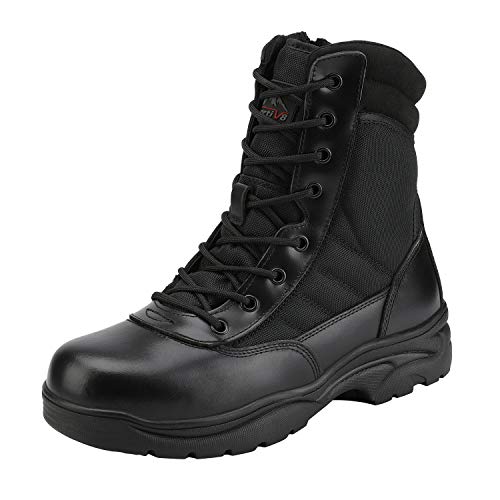
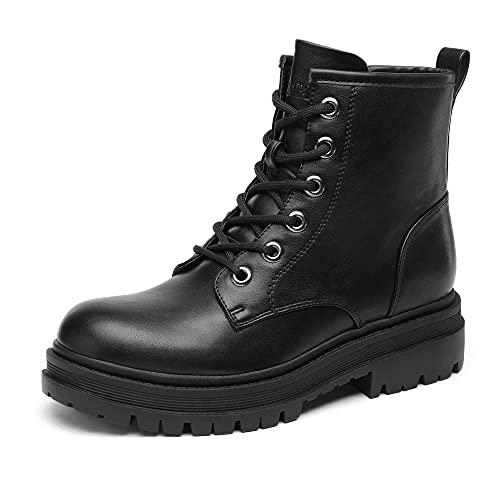
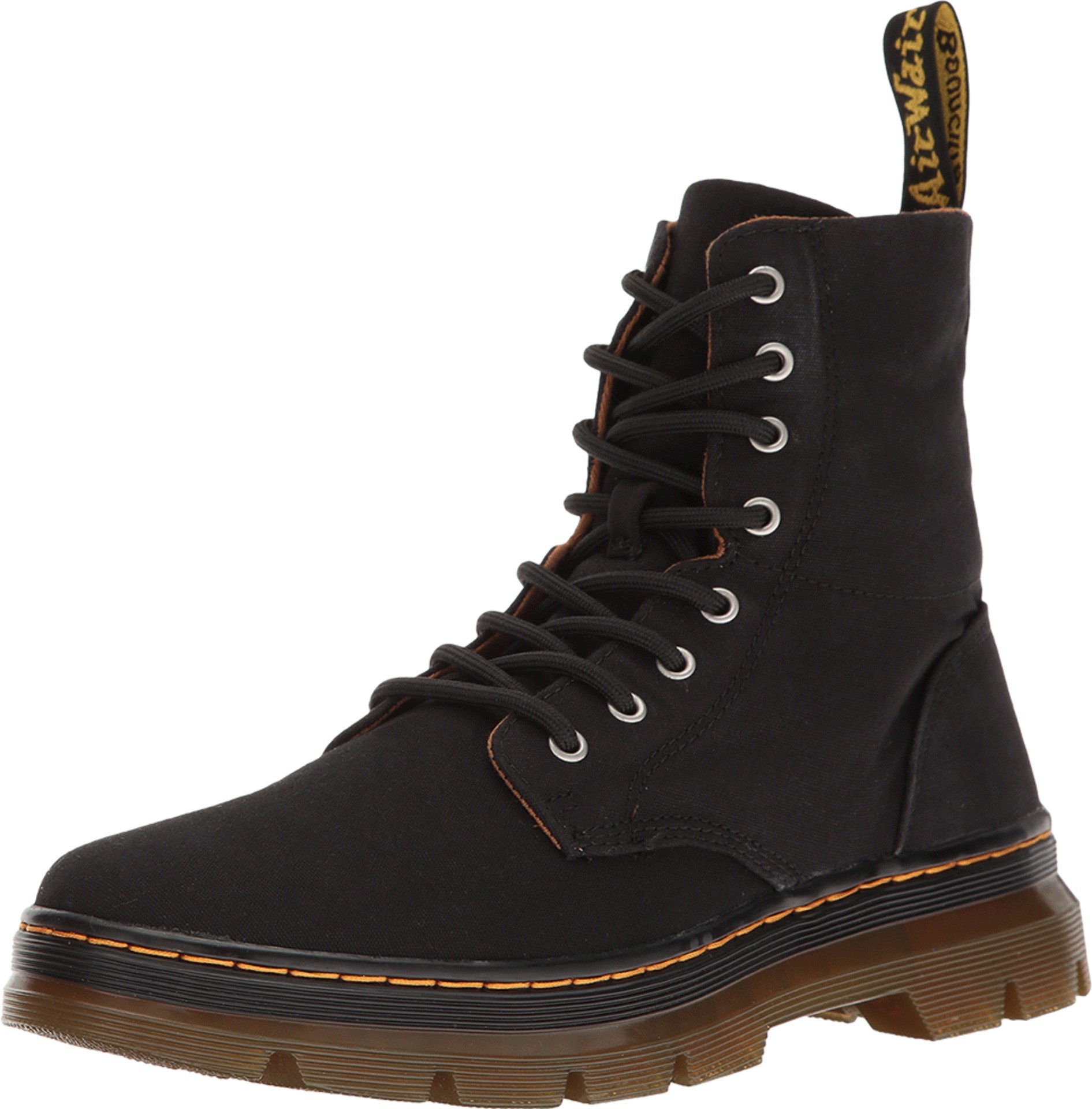

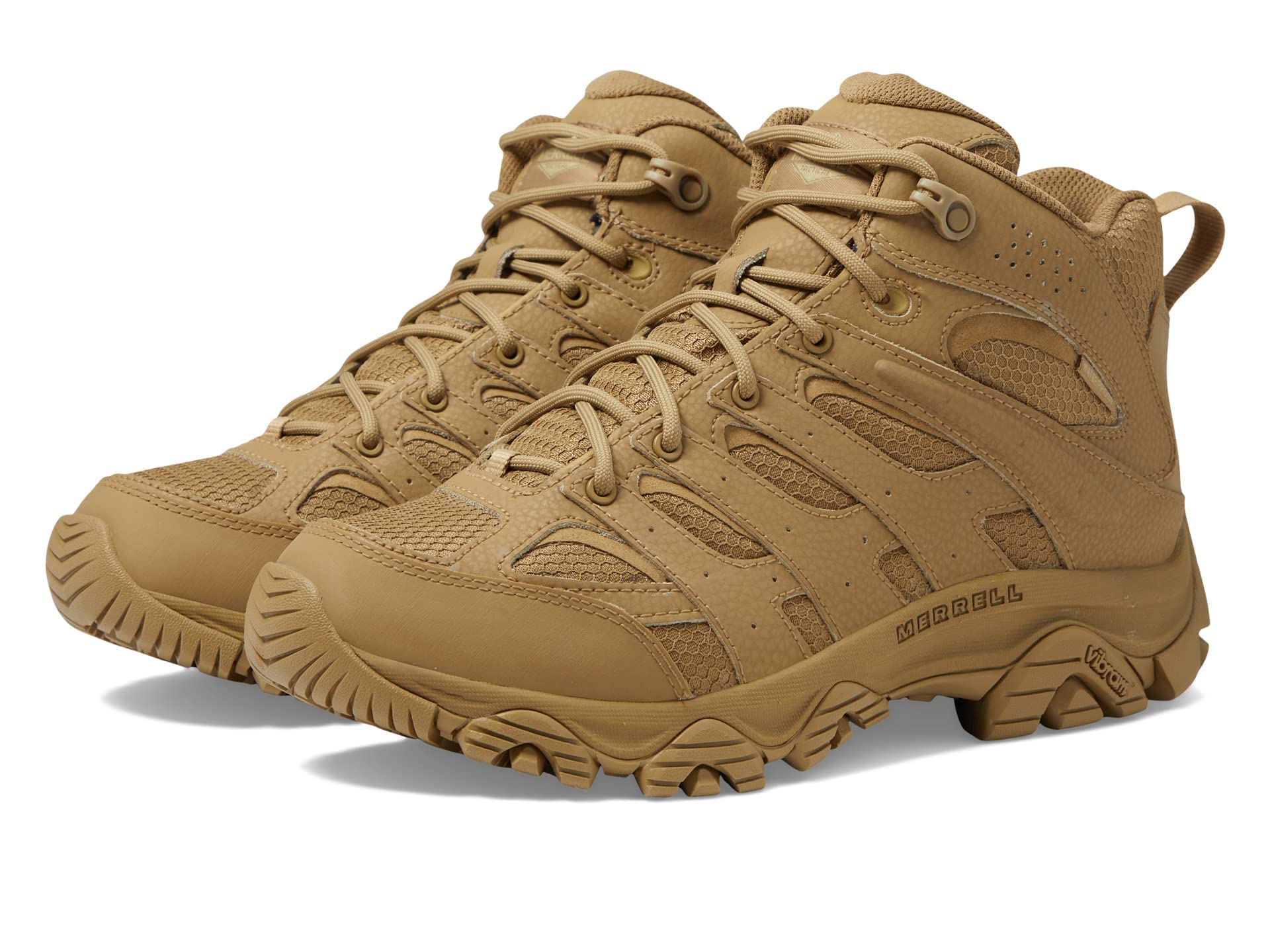

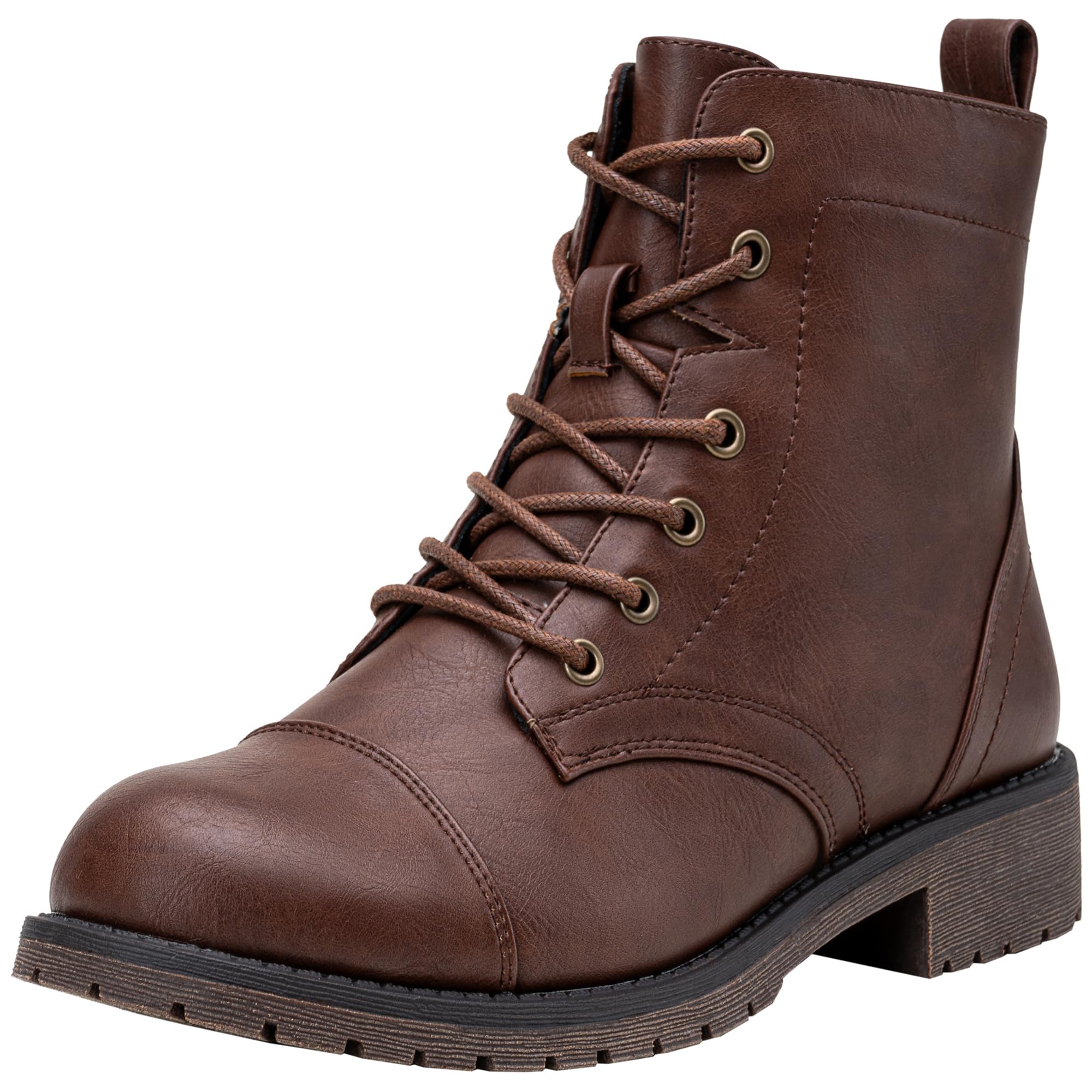


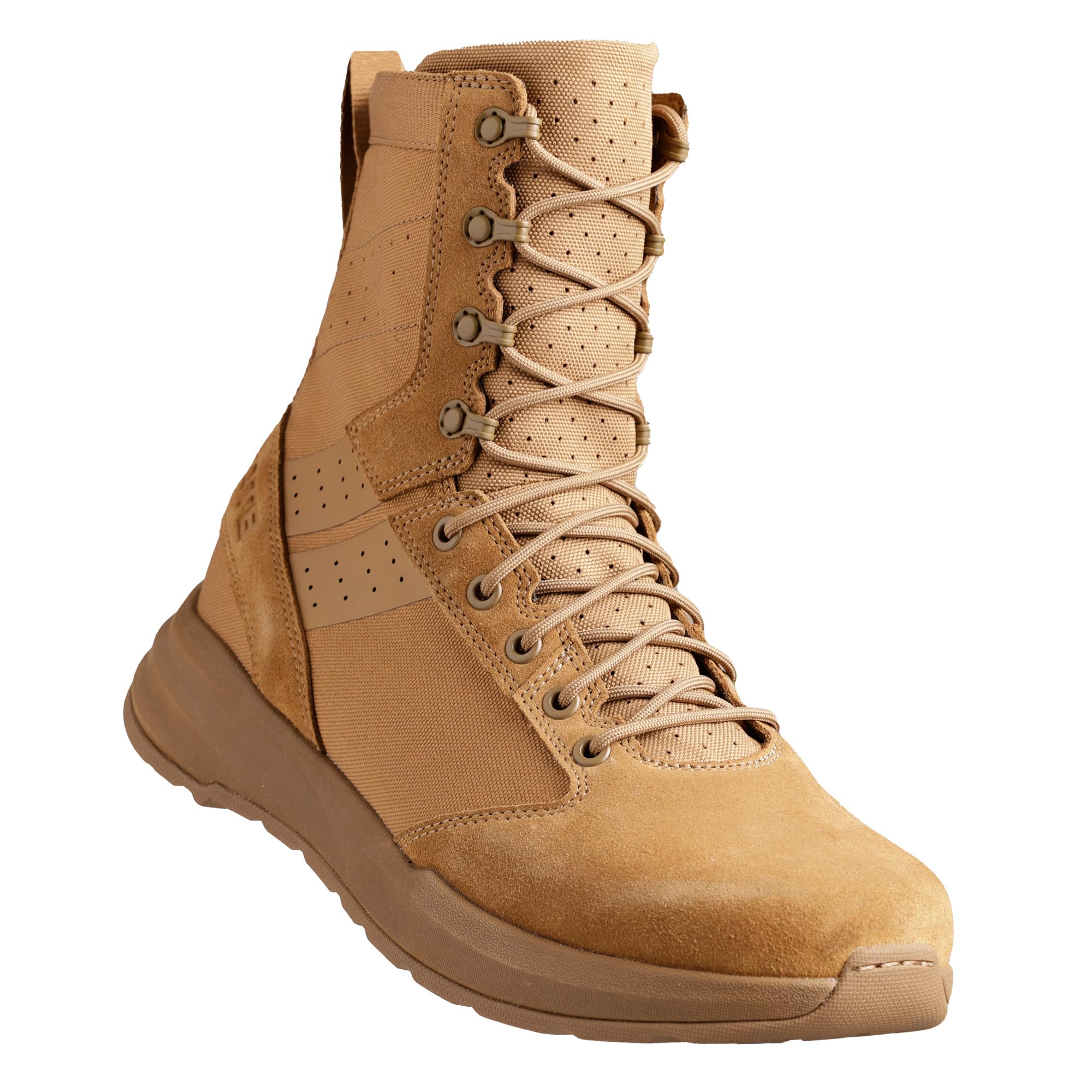


Combat Boots by Use Case
Most buyers fall into one of three patterns of use, and each pattern rewards different features. Start here, because a boot that is perfect for one pattern is often a poor match for another.
Daily Duty and Long Shifts
If the boots are for workdays spent on concrete, pavement, or warehouse floors, cushioning and fit matter more than aggressive tread. A mid height shaft, a supportive insole bed, and a sole with enough flex for thousands of steps will serve you better than the deepest lugs. Weight counts too: a heavy pair that feels fine in the store can feel punishing by the end of a long shift, so favor lighter builds when your ground is flat and hard.
Training, Marching, and Rucking
Loaded marching asks more of a boot than walking does. The extra weight on your back drives your feet harder into the ground, so a stable sole, a secure heel hold, and room for your feet to swell over distance all move up the priority list. The advice in our guide to best combat boots for rucking covers load specific fitting in more depth, including why many marchers size up slightly and wear the exact sock system they plan to carry.
Field Sports and Airsoft Games
Airsoft and similar field games need ankle coverage, grip on grass and dirt, and a boot light enough for a full day of starts and stops. Breathability usually beats waterproofing here, because games are active and mostly fair weather. One caution deserves plain words: running in combat boots is a training choice with real impact cost, since a stiff, heavy boot strikes the ground very differently from a running shoe, so build running distance gradually if your training demands it.
How to Choose Combat Boots: A Step by Step Buying Guide
The six checks below follow the order that matters. Fit comes first because no material or sole can rescue a boot that is the wrong shape for your foot.
Fit, Sizing, and Toe Box
Try boots on late in the day, when your feet are at their largest, and wear the socks you actually plan to use. You want a thumb width of space in front of your longest toe, a heel that stays seated when you walk, and a toe box wide enough that your toes can spread instead of stacking. A boot that feels merely snug in the store usually feels tight by mile three, because feet swell with heat and work.
Size with the whole system in mind: thick socks and any insole you add both take up volume. An aftermarket insole can fine tune arch feel and fill a little extra room, and our guide to best insoles for combat boots explains the main types, but treat an insole as a tuning tool for a boot that already fits. No insert can fix a boot that is a size too small or the wrong width.
Durability and Expected Lifespan
Boot lifespan is decided by stitching, sole attachment, and upper material more than by price alone. A stitched welt or a well bonded sole from a maker with a resoling or repair path will outlast a lightly glued sole, and full leather uppers tolerate scuffs and reshaping better than thin synthetic panels. Under daily hard use, expect the outsole tread and the cushioning to wear first; when the tread is smooth at the heel and ball, traction and comfort are both on borrowed time.
You can stretch that lifespan with simple habits covered later in this guide, especially rotating pairs and keeping leather conditioned. What you cannot do is restore a compressed midsole, so when a boot starts to feel flat and harsh on ground it used to soften, that is a replacement signal, not a break in problem.
Break In Period and Comfort
Expect a new pair of leather combat boots to feel stiff for the first one to two weeks of regular wear, as the leather softens at the ankle fold and the insole bed takes the shape of your foot. Short, increasing wears are the safe way through this stage: an hour around the house, then a short walk, then a half day, before any long march or shift.
Be honest about the difference between stiffness and pain. A stiff boot that improves daily is breaking in. Blisters, hot spots that return in the same place, numb toes, or heel pain mean the fit is wrong, and pushing through rarely fixes it. Change the lacing pattern or the sock first, and if the same spot keeps suffering, exchange the size while you still can.
Upper Materials and Breathability
Traditional combat boots pair a leather body with fabric panels, and that mix exists for a reason. Leather gives structure, abrasion resistance, and a surface you can clean and condition. Fabric panels cut weight and let heat escape, which is why hot weather boots lean harder on fabric and mesh vents. Full leather builds run warmer and heavier but shrug off brush, gravel, and workplace scrapes better.
Breathability and protection pull in opposite directions, so let your climate referee. In hot, dry conditions, a breathable upper keeps feet drier from the inside out. In cool, wet, or brushy conditions, more leather and fewer vents keep water and debris out. There is no universal winner, only the right balance for where the boots will actually be worn.
Waterproofing and Its Trade Offs
Waterproof combat boots use a membrane layer inside the boot to keep external water out while letting some vapor escape. They earn their keep in wet grass, slush, shallow puddles, and rainy climates. The costs are real, though: a membrane boot breathes less than an unlined one, dries slowly once water comes over the top, and usually costs more. In hot weather, many wearers are happier in a quick draining, breathable boot than in a waterproof one that holds sweat in.
Judge waterproofing by your actual exposure. Occasional rain on pavement rarely justifies it. Regular work in wet fields usually does. And remember that no membrane protects the opening at the top of the shaft, so deep water defeats every boot in this category regardless of its label.
Outsole Traction and Terrain
The outsole is where the boot meets your ground, and tread patterns are specialized. Deep, widely spaced lugs grip mud and loose dirt and shed debris as you walk, while shallower, broader patterns grip pavement and indoor floors better and wear more slowly on hard surfaces. Very aggressive tread on concrete feels squirmy and wears fast, so match the lug to the surface you cross most.
Rubber hardness is the quiet half of traction. Softer compounds grip wet rock and smooth floors better but wear down sooner; harder compounds last longer and can feel skittish on wet tile. If your days mix surfaces, a middle ground tread with moderate lugs is the practical compromise, and it is what most general purpose combat boots ship with.
Types of Combat Boots by Build
Beyond use case, boots divide by how they are built. These three builds cover most of the market and explain most of the price spread you will see in the product table above.
Full Leather Boots
Full leather boots are the traditional build: maximum durability, the longest break in, and the most care, since the leather needs cleaning and conditioning to stay supple and water resistant. They suit daily duty, rough ground, and anyone who wants one pair to last for years of service. Their weaknesses are weight and heat, which is why they are rarely the first choice for hot climates.
Leather and Fabric Hybrid Boots
Hybrid boots combine a leather frame with fabric or mesh panels to cut weight and add airflow. They break in faster than full leather, dry faster after getting wet, and are the most common choice for training and general use in warm weather. The fabric panels are the wear point, though, so expect a hybrid to show its age sooner than a full leather boot under the same hard use.
Insulated Cold Weather Boots
Insulated boots add a warmth layer and almost always pair it with a waterproof membrane. They are built for static or slow moving work in cold conditions, where your feet generate little heat of their own. The same insulation that saves you in winter makes these boots miserable in summer, so treat them as a seasonal tool rather than a year round default.
Choosing Combat Boots for Your Situation
Snow and Cold Weather Use
Shoppers comparing best combat boots for snow should weight three things above the rest: insulation suited to their activity level, a waterproof membrane to handle melt and slush, and deep lugs that bite into packed snow and clear it as they flex. Fit changes in winter too, because thick socks need volume, so size a winter pair with the socks you will actually wear. A boot that fits perfectly in summer socks can cut circulation in winter socks, and tight boots make cold feet colder.
Wet Ground and Mud
For work or training on wet ground, drainage and drying speed matter as much as keeping water out. Once water tops the shaft, a waterproof boot becomes a bucket, while a breathable boot with drain friendly construction sheds water and dries overnight. Deep lugs earn their place here, and so does a second pair: rotating boots so each pair dries fully between wears is the simplest defense against odor, blister soft skin, and premature material breakdown.
Tips to Get the Most From Your Combat Boots
- Rotate two pairs if you wear boots daily. A rest day lets the cushioning rebound and the lining dry, and both boots last longer than one pair worn without a break.
- Air dry wet boots away from direct heat. Radiators and heaters crack leather and warp glues, so stuff the boots with newspaper and let room air do the work.
- Lace for heel hold. A runner style loop at the top eyelets locks the heel down and prevents the lift that causes most blisters.
- Clean and condition leather on a schedule. Dirt works into creases and dries the surface, while occasional conditioning keeps the leather flexible through wet and dry cycles.
- Replace worn insoles before the boot feels dead. The insole compresses first, and a fresh one can restore much of the step feel of an older pair.
Frequently Asked Questions
Can I wear combat boots all day?
Yes, a well fitted pair is designed for all day wear, and many people work full shifts in them comfortably. The conditions are fit and break in: give a new pair one to two weeks of increasing wear before a full day, and match the cushioning to your surface, since concrete floors demand more underfoot padding than soil or grass. If your feet ache in the same spot every day, treat that as a fit signal to fix, not a toughness test to pass.
How should combat boots fit?
Combat boots should hold the heel firmly, leave about a thumb width in front of your longest toe, and let your toes lie flat without curling or stacking. Your foot should not slide forward on downhills, which is a sign the boot is too long or laced too loosely at the ankle. Width matters as much as length: pressure across the ball of the foot rarely stretches away, so choose a wide fitting rather than hoping a narrow boot will give. Always judge fit at the end of the day in your working socks.
Do I need waterproof combat boots?
You need waterproof boots if your regular use involves wet grass, slush, puddles, or steady rain, and you can skip them if your days are dry or mostly indoors. Remember the trade: membranes reduce breathability and slow drying once water gets inside. One practical middle path is a breathable boot paired with waterproof socks for occasional wet days, which keeps the boot itself light and quick drying. For snow and slush, though, a membrane built into the boot is the more reliable answer.
How often should I replace combat boots?
Replace combat boots when the tread is worn smooth at the heel or ball, the midsole feels flat and harsh, or the upper cracks through at the flex points. For daily wearers that often lands somewhere between one and three years depending on surfaces and rotation, while occasional users can get much longer from the same pair. Do not judge by looks alone: a boot can look presentable long after its cushioning and grip are spent, and worn tread on wet ground is a safety issue, not just a comfort one.
Are expensive combat boots worth it?
They can be, because higher prices usually buy better leather, stitched construction, and soles that can sometimes be replaced, all of which stretch the lifespan. The value case is cost per year of service, not the sticker: a costly pair that serves four years can be cheaper to own than a budget pair replaced annually. That said, fit outranks price every time. A mid priced boot that matches your foot shape will serve you better than a premium boot that does not, so spend first on the right fit and construction, not on looks.
How long is the break in period for combat boots?
Most leather combat boots need about one to two weeks of regular, gradually increasing wear before they feel like yours. Hybrid boots with fabric panels often need only a few days. Speed the process safely with short walks and rest days rather than one long punishing march, which mostly produces blisters. If a specific hot spot appears at the same place on three separate wears, stop and address the fit with lacing, socks, or tape, because genuine break in improves steadily and repeating pain is not part of it.
Wrapping Up
Everything in this guide points back to three decisions: fit the boot to your foot in your working socks, match the build and tread to your ground and climate, and be honest about whether waterproofing helps or hurts your situation. Get those right and the price bands in the product table above become easy to read. The best combat boots for you are simply the pair that disappears on your feet during the longest day you actually have.


