
Best Boots for Wide Feet: A Practical Fit Guide for 2026
Disclosure: We may earn a commission when you buy through links on this page, at no extra cost to you. As an Amazon Associate I earn from qualifying purchases. Learn more

Learn how to choose the best boots for wide feet, from toe box width and lacing to arch support, materials, and spending levels that match your daily use.
Finding best boots for wide feet starts with fit, not fashion. A boot that pinches across the forefoot can make a short walk feel long, while a roomy toe box lets your toes spread and settle naturally. The comparison table below gives a quick view of the main boot styles, and the guide that follows explains how to judge width, support, and comfort.
Wide feet are not all alike. Some people need room across the ball of the foot, others need more depth over the toes, and many need both. Measure both feet, check how the boot flexes, and think about the socks you will wear most often. A careful choice now can save you from blisters and sore arches later.

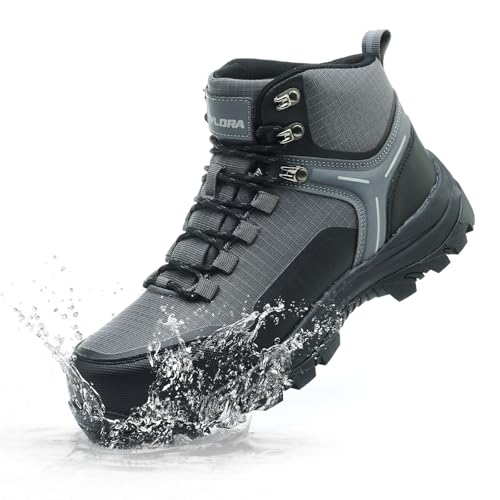
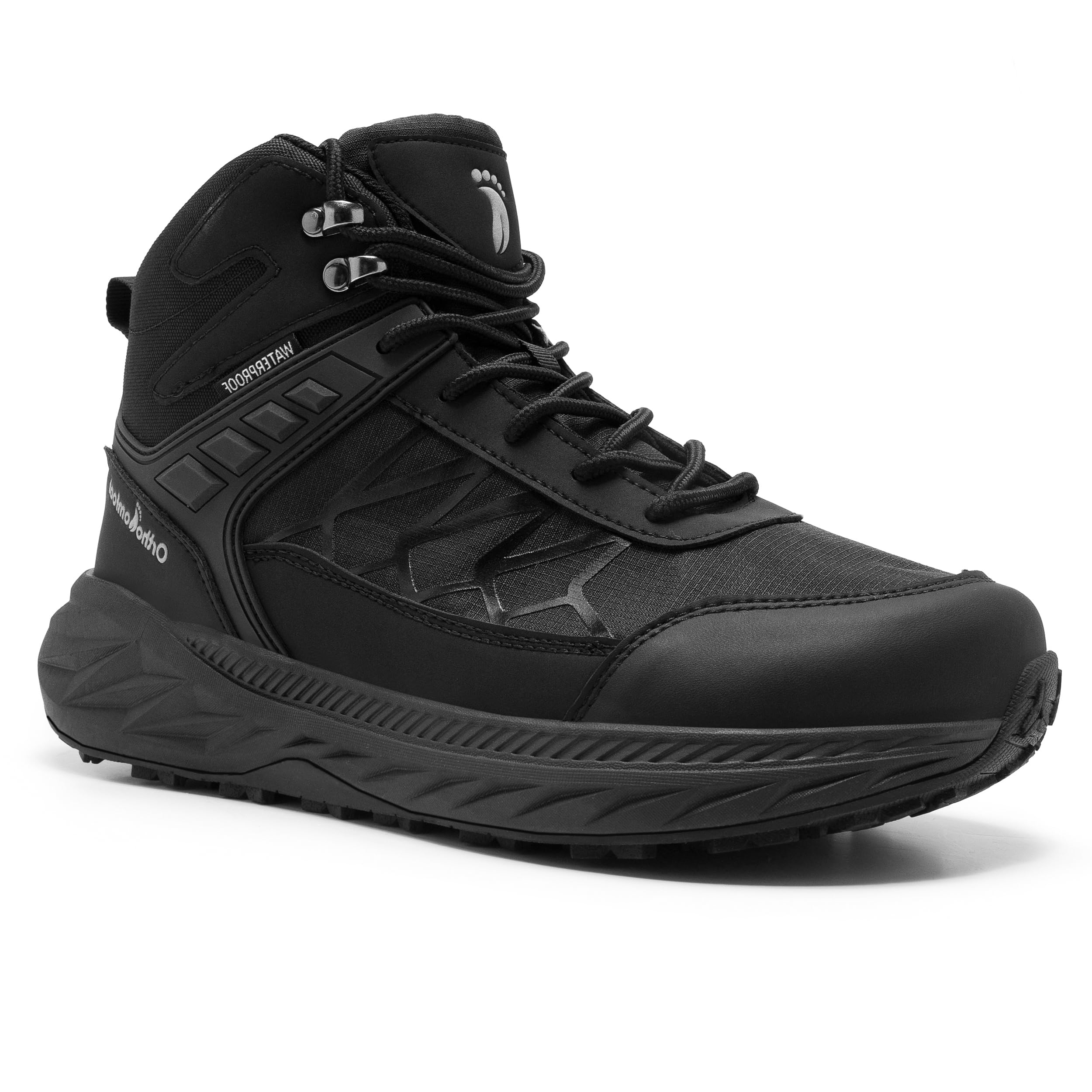

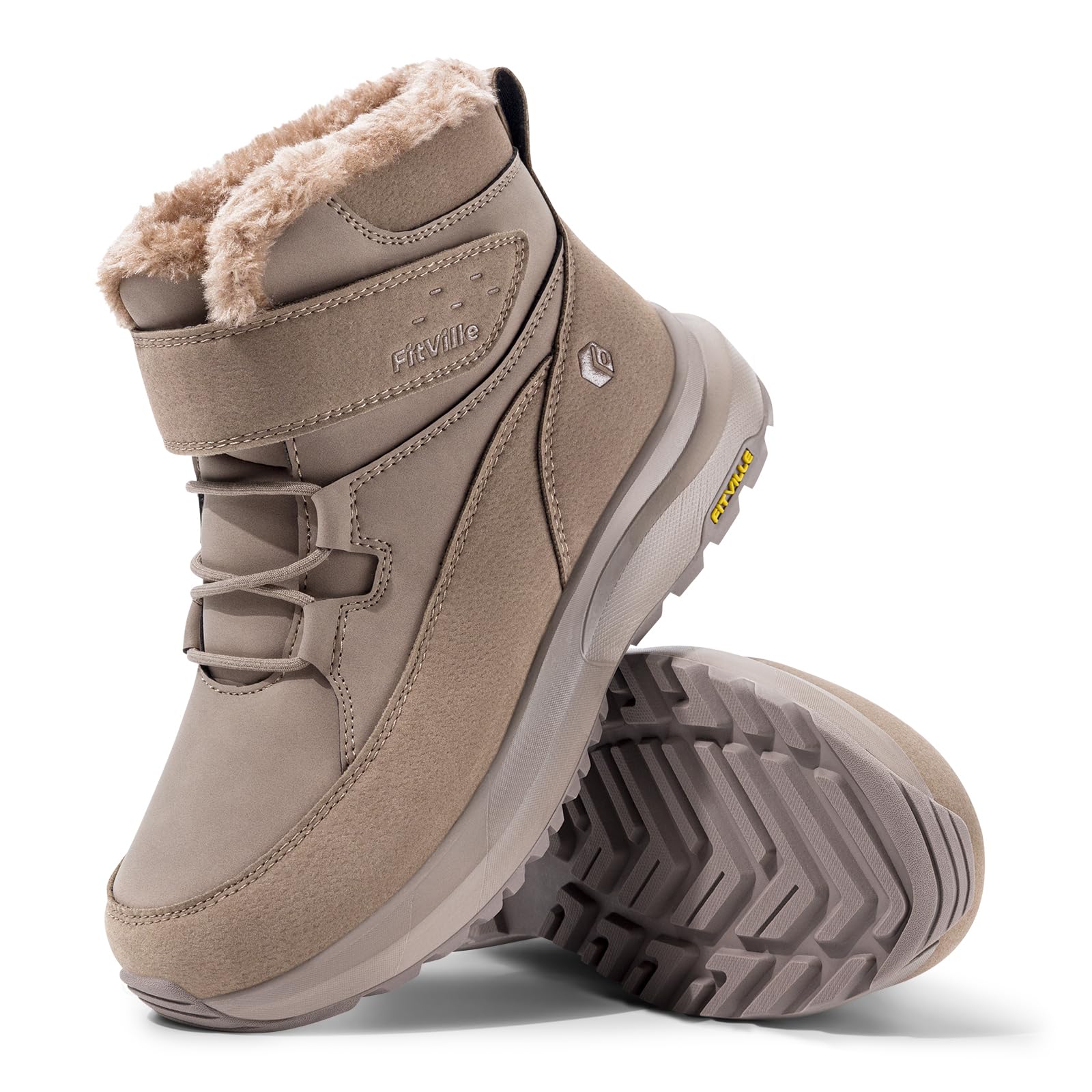
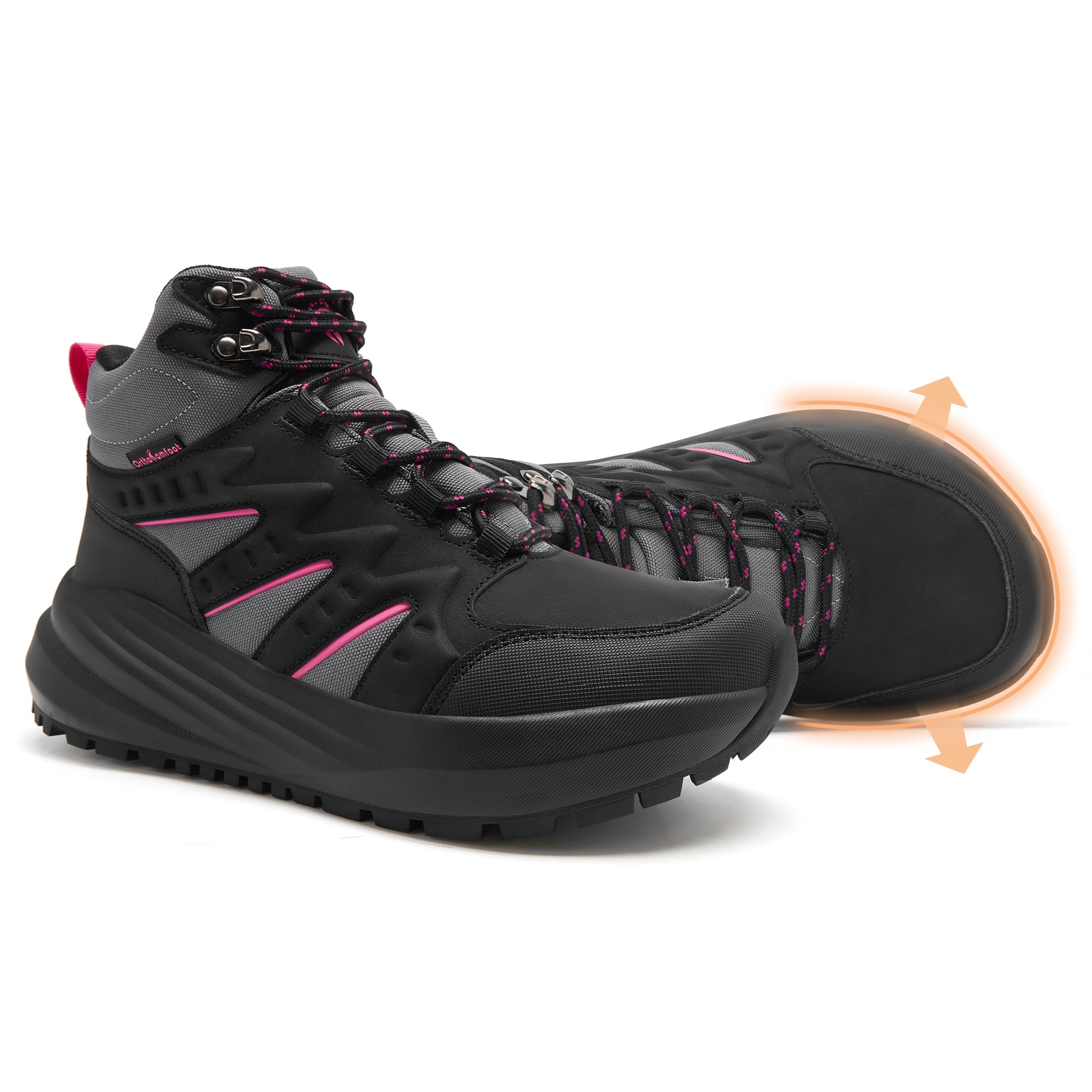

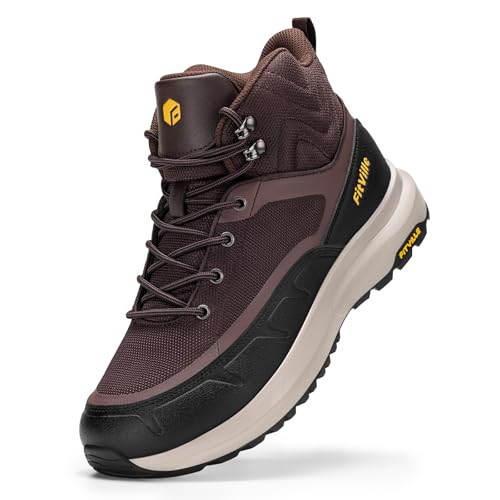

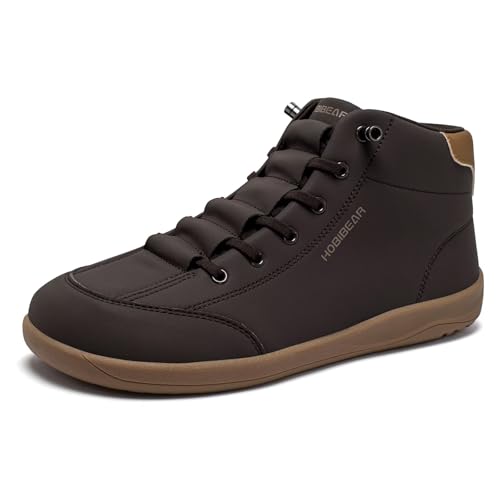
Who Should Look for a Wider Boot
Wide fitting boots suit anyone whose feet feel squeezed in a standard width, even when the length seems right. If your little toe presses against the side, if the upper bulges outward, or if you often loosen the laces to relieve pressure, width is likely the missing piece. People with flat feet, high arches, or swelling after long days on their feet may also benefit from a roomier shape.
Daily Walkers and Commuters
Daily walkers need a boot that stays comfortable from the first step to the last. A wide toe box helps the foot spread as it strikes the ground, and a cushioned midsole softens repeated impact on pavement. Look for a flexible forefoot and a heel that stays steady without squeezing the ankle.
Workers on Their Feet All Day
Workers who stand, climb, or carry loads need width plus stability. A wider base can feel steadier, and a supportive insole can help spread pressure across the whole foot. Check outsole grip for your floor surface, and try boots on later in the day when feet are slightly larger.
Outdoor Walkers and Weekend Hikers
Outdoor walkers need room for thicker socks and for feet that swell slightly on longer routes. A wide fit lets toes move on uneven ground, which can help balance and reduce hot spots. Ankle support matters on rough paths, but the collar should not pinch the lower leg.
How to Choose the Right Boot: A Buying Guide
Work through fit first, then support, then materials and durability. Each factor interacts with the others, so a boot that scores well on width alone may still fail if the arch support or heel shape is wrong for you.
Features That Matter for Wide Feet
Width labels vary between makers, so do not rely on a single letter or word. Check the toe box shape, the width across the ball, and the depth over the toes. A rounded or square toe shape often gives more room than a pointed shape, even at the same stated width.
Fit, Sizing, and Toe Box
Measure both feet in the afternoon, while wearing the socks you plan to use, and use the larger foot as your guide. Stand while measuring, since feet spread under weight. When you try a boot, you should be able to wiggle your toes freely, and the widest part of your foot should line up with the widest part of the boot.
Break In Period and Comfort Out of the Box
A good wide boot should feel snug but not painful on the first wear, with no sharp pressure on the toes or sides. Wear new boots around the house for short periods before a long day out. If you feel numbness or pinching that grows worse, the shape is wrong, not merely new.
Arch Support and Foot Type
Flat feet often need firmer arch support to keep the foot from rolling inward, while high arches may need more cushioning under the middle of the foot. A removable insole lets you test different levels of support without crowding the toes. If you have persistent or worsening foot pain, talk with a doctor or foot care professional before choosing a boot for a medical need.
Cushioning and Support
Cushioning softens each step, while support keeps the foot aligned. A thick, soft midsole can feel pleasant at first but less steady on uneven ground, while a firmer midsole can feel more controlled but less plush. Heel to toe drop changes how pressure moves through the foot, and a lower drop often feels more natural for walking.
Upper Materials and Breathability
Leather uppers tend to mold slightly to the foot and offer good durability, but they can feel warm and need care. Mesh and knit uppers breathe better and often stretch a little across the forefoot, which can help wide feet, but they may offer less protection in rough conditions. Waterproof membranes keep water out but can reduce airflow, so weigh wet weather needs against heat buildup.
Durability and Expected Lifespan
Stitched soles often last longer than glued soles under heavy use, and a thick rubber outsole resists wear on pavement better than a thin one. Rotate two pairs if you wear boots daily, since rest days let cushioning recover. Replace a boot when the tread is worn smooth, the cushioning feels flat, or the upper no longer holds your foot steady.
Types of Boots Compared
Different boot styles solve different problems, so match the style to your main use.
| Type | Best For | Pros | Cons | Typical Price |
|---|---|---|---|---|
| Hiking boots | Trails | Ankle support and grip | Heavy for daily wear | About $80 to $200 |
| Work boots | Long shifts | Durable and protective | Longer break in | About $90 to $220 |
| Western boots | Everyday style | Easy slip on fit | Less ankle adjustment | About $70 to $180 |
| Ski boots | Snow sports | Warm and structured | Not for long walks | About $150 to $350 |
| Waterproof boots | Wet weather | Keep feet dry | Warm in summer | About $80 to $200 |
Hiking Boots
Hiking boots for wide feet give ankle support and grip on trails, and many offer wider lasts for broader feet. Look for a roomy toe box, since downhill sections push toes forward. For trail focused use, see our guide to best hiking boots for wide feet.
Work Boots
Work boots need to protect the foot while staying comfortable through long shifts. A wide fit helps when you stand on concrete or carry loads, since pressure spreads across a broader base. For job site use, see our guide to best work boots for wide feet.
Western Boots
Western boots slip on easily and suit people who want a classic look with everyday comfort. Without laces, fit depends more on the shape of the last and the height of the instep. For this style, see our guide to best western boots for wide feet.
Ski Boots
Ski boots are built for snow sports, not for walking long distances, and their fit rules differ from everyday boots. A wide ski boot gives more room across the forefoot inside a rigid shell. For slope use, see our guide to best ski boots for wide feet.
Waterproof Boots and Sandals for Wide Feet
Waterproof boots keep feet dry in rain, mud, and slush, and a wide version should still let toes move freely inside the sealed upper. In warm weather, sandals for wide feet offer airflow and an open toe box, but less protection. For open footwear in summer, see our guide to best sandals for wide feet.
Spending Levels and What They Buy
Think in spending levels that match how often you wear boots and how hard you use them. A lower price level, about $50 to $90, can work for occasional wear, while a middle level, about $90 to $160, often adds better cushioning and more width options. A higher level, about $160 to $250, may offer premium leather and longer lasting soles, which can make sense for daily wear. Price alone does not guarantee a good wide fit, so check return terms before ordering.
Tips to Get the Most From Your Boots
- Rotate two pairs for daily wear, so cushioning and lining can dry and recover between uses.
- Air dry wet boots away from direct heat, since high heat can stiffen leather and warp soles.
- Lace properly to prevent heel slip, using even tension across the forefoot and a firmer pull near the ankle.
- Replace worn insoles before replacing the whole boot, since fresh cushioning can restore comfort.
Frequently Asked Questions
What features matter most in boots for wide feet?
Toe box width, toe box depth, and overall last shape matter most, followed by lacing adjustability and a removable insole. A boot that is wide across the ball but shallow over the toes can still pinch, so check both dimensions. Laces that adjust across the forefoot let you relieve pressure without loosening the ankle, and a removable insole gives room for a supportive insert.
Are expensive boots worth it for wide feet?
Expensive boots are worth it when the extra cost buys a better last, stronger construction, or features you truly need, such as waterproofing or safety protection. They are not worth it when the price reflects style alone and the fit is still narrow. Judge value by fit, comfort over a full day, and durability for your use, not by price tags alone.
Can I wear wide boots all day?
Yes, wide boots can be worn all day when the fit, cushioning, and support suit your feet and your activity. The boot should feel comfortable after several hours, not merely for a few minutes in a shop. Break in new boots gradually, wear the right socks, and replace insoles when they flatten. If pain or swelling appears regularly, talk with a doctor or foot care professional.
How should wide boots fit?
Wide boots should let you wiggle your toes, keep the heel steady, and avoid pressure across the ball of the foot. The widest part of your foot should match the widest part of the boot, with a small amount of space ahead of your longest toe. Try both boots while standing, and walk on a hard floor to check for heel slip or forefoot pressure.
Do I need waterproof boots for wide feet?
Waterproof boots make sense when you often walk in rain, mud, snow, or wet work areas, since wet feet can blister and chill quickly. They are less useful in hot, dry weather, where a breathable boot keeps feet cooler and drier from sweat. A waterproof membrane adds warmth and can reduce airflow, so choose it for wet conditions rather than as a default.
How long is the break in period for wide boots?
The break in period varies from almost none for soft, flexible boots to several weeks of short wears for stiff leather work boots. Wear new boots for short periods at first, then lengthen wear time as they soften. Pain that grows worse, rather than easing, is a sign of poor fit, not normal break in, and a boot that pinches sharply when new is unlikely to become comfortable.
Final Thoughts
Choosing best boots for wide feet comes down to shape, support, and honest trial. Measure both feet, check toe box width and depth, and judge comfort over hours, not minutes. Use the product table above to compare styles, then pick the spending level that matches how often you will wear the boots.


