
Best Combat Boots for Walking: What Actually Matters Before You Buy for 2026
Disclosure: We may earn a commission when you buy through links on this page, at no extra cost to you. As an Amazon Associate I earn from qualifying purchases. Learn more

Combat boots for walking: how to judge fit, cushioning, traction and weight so your pair stays comfortable on long routes.
A combat boot built for standing guard or short bursts of work can feel punishing after five miles on pavement. This guide uses a clear checklist to help you choose the best combat boots for walking, focusing on cushioning, stability, fit, and traction rather than a rugged look alone. You will learn which specs protect your feet on long routes and which details matter far less.
Use the comparison table below to compare shaft height, weight, materials, and outsole design side by side once you know what to look for. The sections that follow explain each factor in plain terms, so you can match a boot to your daily distance, your usual surfaces, and the weather you walk in most often.
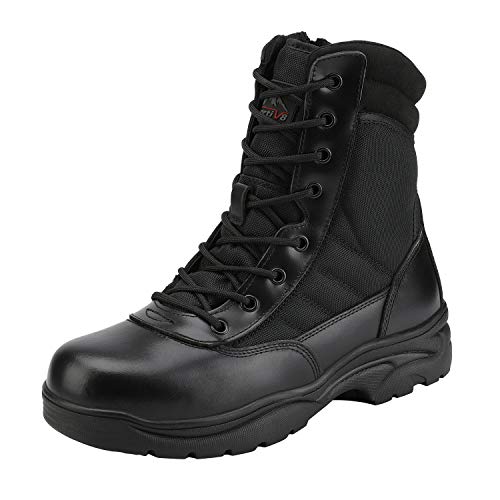
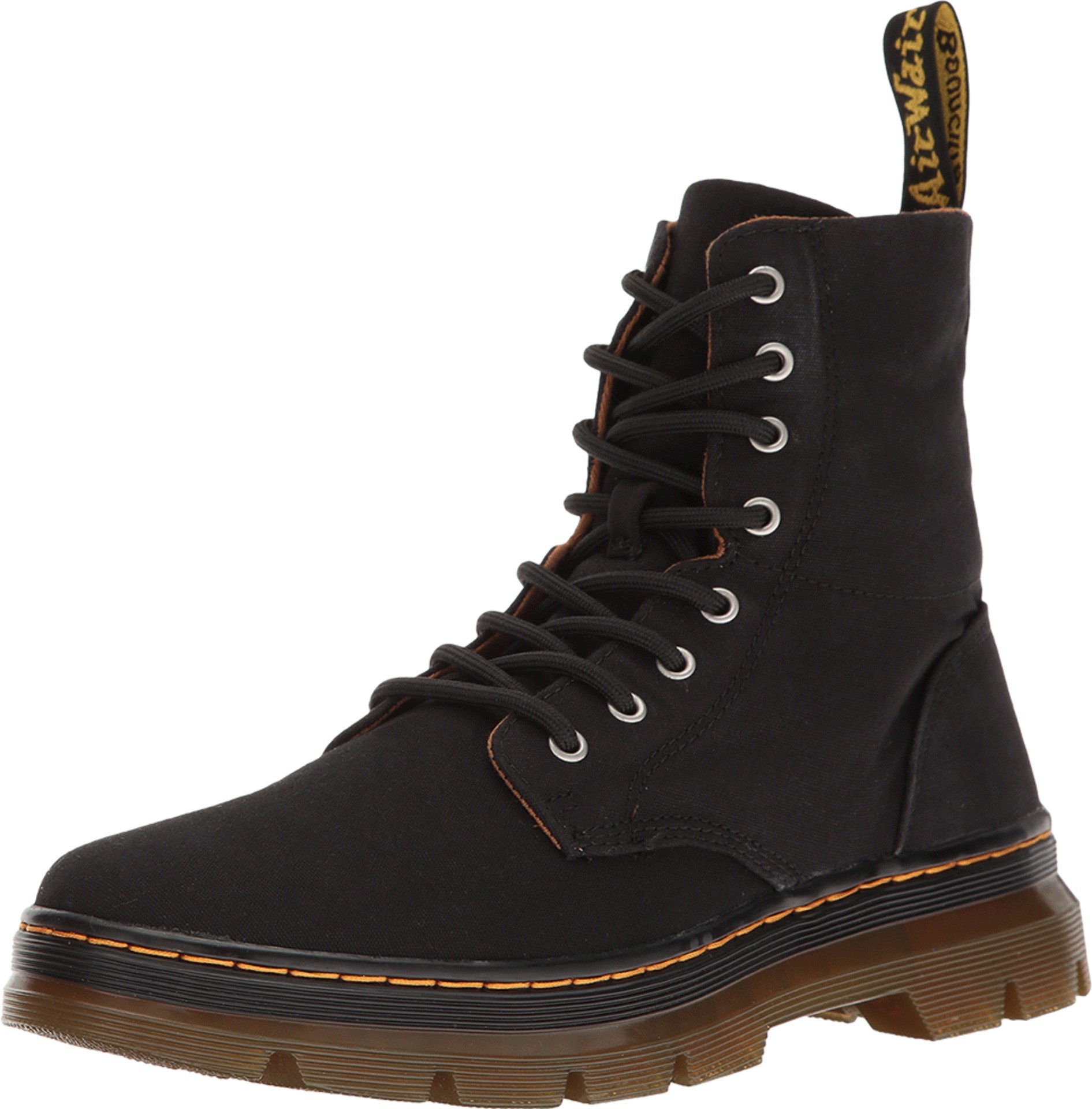
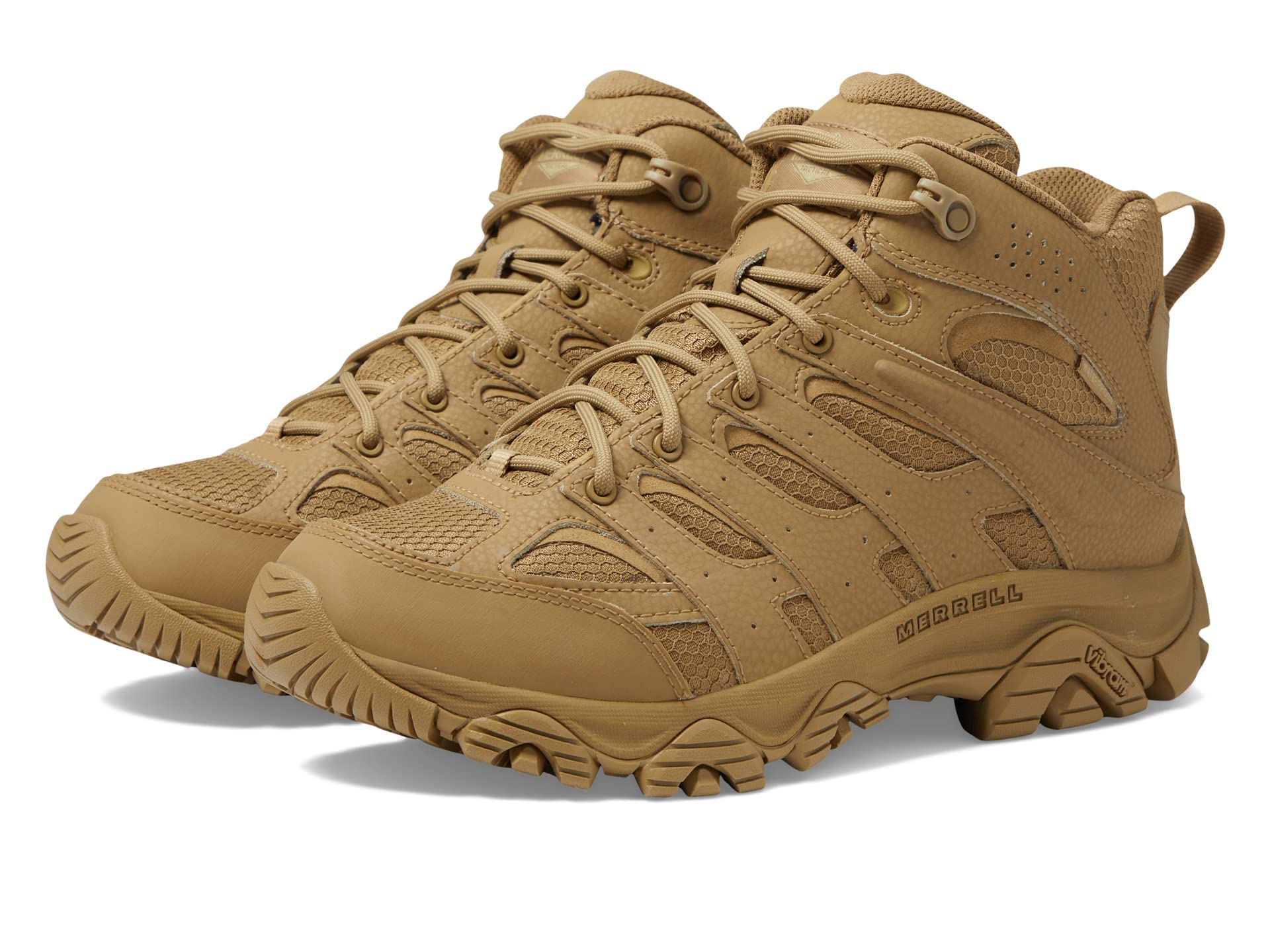

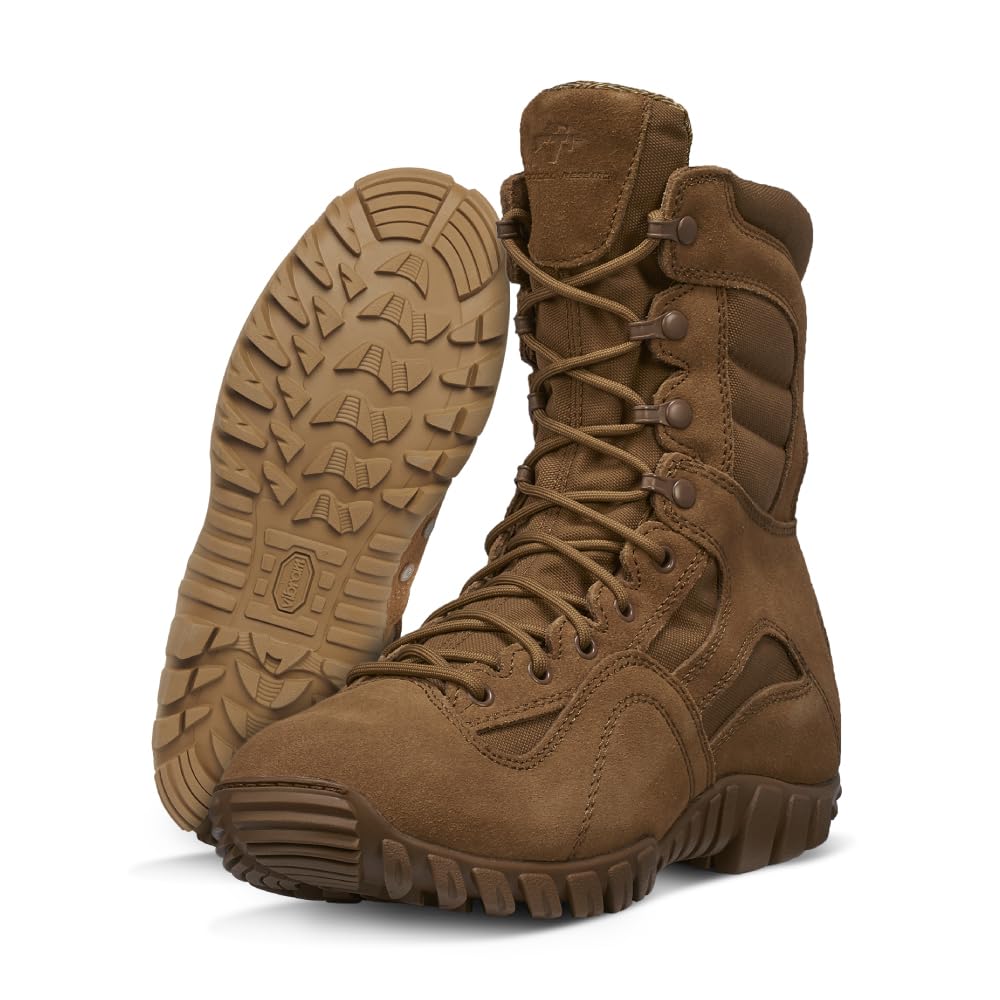


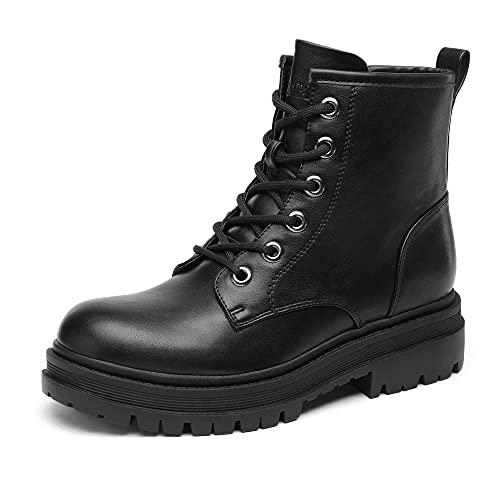

Key Features to Compare for Walking Comfort and Support
Walking asks more of a boot than occasional wear does. Your heel strikes thousands of times, your foot rolls forward with every step, and small fit problems grow into hot spots and sore arches. If you are also weighing more general duty styles, see our guide to the best combat boots for background, then return to the walking focused points below and the product table above.
Features That Matter for Walking
For walking, cushioning and stability come before maximum stiffness. Look for a midsole that absorbs impact without feeling soft and unstable, a heel counter that holds your heel steady, and enough flex at the forefoot for a natural stride. A moderate heel to toe drop, often about 8 to 12 mm, suits most walkers, since very flat boots can strain calves on long pavement routes.
Fit, Sizing, and Toe Box
Measure both feet late in the day, when they are at their largest, and wear the socks you plan to walk in. Your longest toe should have about a thumb width of space in front of it, and the toe box should let your toes spread without pressing the sides. Feet swell during long walks, so a snug morning fit often becomes painful by evening.
Upper Materials and Breathability
Full grain leather is durable and molds to your foot over time, but it is heavier and slower to dry. Split leather paired with nylon panels is lighter and more breathable, which helps on warm routes and long shifts. Mesh panels vent heat well yet offer less protection against brush and scuffs. For most daily walking, a leather and nylon upper balances support, weight, and airflow.
Durability and Expected Lifespan
Judge durability by stitching, welt or cement construction, and how the outsole wears, not by thickness alone. A well made walking boot often covers about 500 to 800 miles before the midsole cushioning feels flat and the tread loses its edge, though body weight and rough surfaces shorten that span. Cemented soles keep weight down, while stitched welts cost more yet usually hold up longer under daily mileage.
Outsole Traction and Terrain
The outsole decides how secure each step feels. Shallow lugs around 3 to 4 mm grip pavement, wet sidewalks, and packed paths without feeling clumsy. Deeper lugs around 5 mm or more bite into mud, gravel, and loose trails but can feel stiff and noisy on hard floors. Match lug depth to the surface you walk most, not the roughest ground you might visit once a year.
Break In Period and Comfort Out of the Box
Most leather combat boots need a gradual break in period of short walks before a long route, often one to two weeks of increasing distance. Synthetic and mixed uppers usually feel comfortable sooner. Start with walks of one or two miles and add distance only when the boot feels settled. A boot that pinches, folds hard across the toes, or lifts your heel with every step on day one rarely fixes itself, so treat that as a fit problem rather than a stage to push through.
Arch Support and Foot Type
Arch support should match your foot rather than push against it. Flat feet often do better with a firm arch and a stable heel that limits inward rolling, while high arches often need more cushioning under the midfoot. Walkers with a neutral stride, the group sellers often describe with the term neutral shoes, usually do well with balanced support and no strong motion control. Removable insoles help, since you can swap in an insole shaped for your arch.
Buying Guidance for Sizing, Height, and Daily Use
Individual models change often and fit varies too much for any single recommendation to suit every walker. The guidance below gives you decisions you can apply to any boot in the product table above, so you can judge the best combat boots for walking by your own route, foot shape, and work demands.
Choosing Shaft Height and Weight for Your Route
Shaft height shapes ankle support and fatigue. A boot around 8 inches tall steadies the ankle on uneven ground and keeps out gravel and brush, while a 6 inch boot feels lighter and flexes more easily for fast pavement walking. Weight matters over distance, since heavy boots raise the energy cost of every step. For mostly flat urban routes, a lighter mid height boot is often the smarter choice.
Matching Fit for Men and Women Walkers
Last shape differs more than color or styling. Many men need a wider forefoot and a larger overall volume, and our guide to the best walking boots for men covers those fit points in depth. Many women need a narrower heel with a roomier front, which is why our guide to the best ladies walking boots is worth reading before you simply size down a unisex boot. Whichever range you shop, lace firmly over the instep so the heel stays seated without crushing your toes forward on downhill stretches.
Planning for Weather, Work, and Long Shifts
Think about your hardest regular day, not your easiest one. If you walk in cold rain or snow, insulation and a waterproof membrane earn their extra weight, and our guide to the best walking boots winter explains those tradeoffs. For hot climates, that same membrane can trap heat, so a breathable unlined boot is often better. Side zip designs speed up entry for shift work, but many high mileage walkers prefer plain laces for long term reliability.
Quick Buyer Checklist
Run through these questions before you order, and treat any no answer as a reason to keep looking.
- Does the toe box let your toes spread while your heel stays steady?
- Is the cushioning firm enough to stay stable after several miles?
- Does the outsole lug depth match your usual pavement, path, or trail surface?
- Is the boot light enough that you would still choose it for a full day walk?
- Can you remove the insole if you need a different arch shape?
- Does the upper suit your climate, breathable for heat or sealed for wet cold?
- Is there a clear size guide and a return option if the fit feels wrong at home?
Red Flags to Watch For
Vague listings are a warning sign with footwear you plan to trust for long distances. Be cautious when a seller hides the boot weight, avoids naming upper materials, or describes cushioning only with marketing words and no mention of the midsole at all. Very short warranty coverage, sizing charts with no foot length in inches or centimeters, and photos that never show the outsole tread all suggest a boot sold on looks alone.
Tips to Get the Most From Your Combat Boots
Care for combat boots is specific and simple. Brush off dirt after walks, wash mud away with cool water, and air dry the boots at room temperature away from direct heat, which can crack leather and weaken glue. Condition full grain leather when it looks dry, but avoid heavy oils on nylon panels. Loosen laces fully before removal so the heel counter keeps its shape, and rotate two pairs if you walk daily. After a very long day, sandals and recovery footwear at home let sore feet rest. Replace worn laces early, watch the heel tread for uneven wear, and store boots upright in a dry place. Stop walking in a boot and talk with a clinician or a qualified fitter if you develop numbness, sharp heel pain, blisters that will not heal, or swelling that returns daily, since those signs can point to a fit or health problem that new gear alone will not solve.
Frequently Asked Questions About Combat Boots for Walking
What features matter most in combat boots for walking?
Cushioning, stability, and fit matter most in combat boots for walking. A midsole that absorbs impact, a heel that stays seated, and a toe box with room to spread will shape your comfort more than shaft height or styling. One point many buyers miss is flex location. The boot should bend where your toes bend. A boot that creases in the middle of the arch can feel unstable and can tire your feet even when every listed spec looks right.
How long is the break in period for combat boots for walking?
The break in period for combat boots for walking is usually one to two weeks of gradually longer walks. Leather boots sit at the longer end of that range, while mixed synthetic uppers often settle within a few outings. Use that time to test different sock thicknesses, since a thicker hiking sock can remove heel slip without a size change. If blisters form in the same spot repeatedly, stop and reassess the fit.
Are expensive combat boots for walking worth the cost?
Expensive combat boots for walking can be worth the cost when the extra money buys a stitched welt, better leather, and a replaceable insole. Higher priced boots, often around $200, often reflect those construction details rather than fashion. Budget boots, often under $120, can still serve light daily mileage well, so judge value by cost per month of regular use.
How often should you replace combat boots for walking?
You should replace combat boots for walking when the midsole feels flat and the tread no longer grips, often after about 500 to 800 miles. A useful early signal is new soreness in your knees or shins on a familiar route, which can appear before the upper looks worn. Resoling only helps when the midsole still has life, since fresh tread cannot restore lost cushioning.
Do you need waterproof combat boots for walking?
You need waterproof combat boots for walking only if you regularly walk through rain, wet grass, or snow. A membrane keeps water out but also slows drying once water enters over the top, and it adds warmth that can feel heavy in summer. Walkers in dry climates often stay more comfortable in a breathable boot and a spare pair of socks. If most of your routes are wet for only a few weeks a year, treat waterproofing as a seasonal second pair rather than your only pair.
Can you wear combat boots for walking all day?
You can wear combat boots for walking all day when the fit, weight, and support suit your feet. Many people who find boots tiring all day actually prefer a lighter shoe for indoor errands, and our guide to the best walking shoes is a helpful comparison for that choice. If you stay in boots, unlace them during a seated break and flex your ankles. That brief reset helps you notice rubbing before it becomes a blister.
Final Thoughts
Start with fit, then judge cushioning, stability, and outsole grip for the surfaces you cover most. Use the product table above to compare weight, height, and materials with those priorities in mind, and skip any boot that fails the checklist on sizing or tread. When a pair truly fits your route and your feet, the best combat boots for walking feel less like rugged gear and more like dependable daily footwear you can trust mile after mile.


