
Best Combat Boots for Rucking: Buying Guide for 2026
Disclosure: We may earn a commission when you buy through links on this page, at no extra cost to you. As an Amazon Associate I earn from qualifying purchases. Learn more

Compare combat boots for rucking by load fit, ankle support, traction and breathability, with clear price bands and sizing checks for every kind of route.
A long walk under a loaded pack turns small fit errors into sore heels, numb toes and an early finish. That is why choosing best combat boots for rucking starts with how a boot behaves under weight, not how it feels during a short stroll around a shop. This guide explains the load, fit and traction checks that matter most before you spend anything.
You will find a clear order for judging each boot, from pack weight and sock choice through to outsole grip and upper materials. Use it alongside the comparison table below to match a boot class to your routes, your weekly distance and your budget.


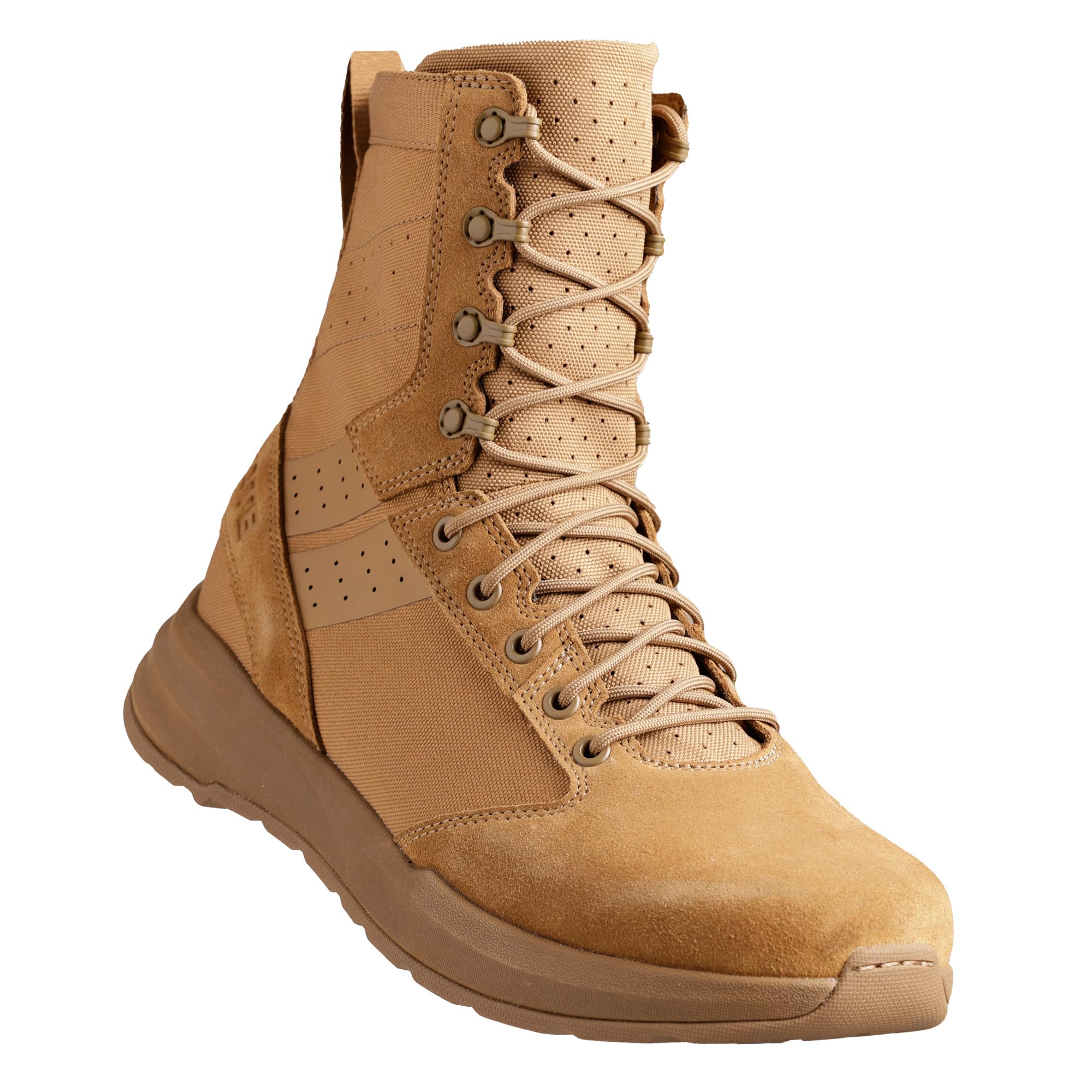
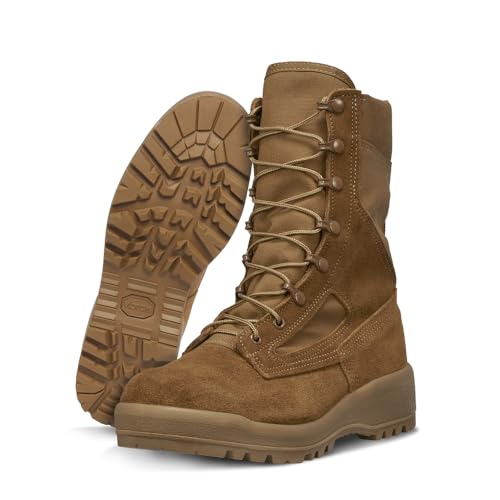
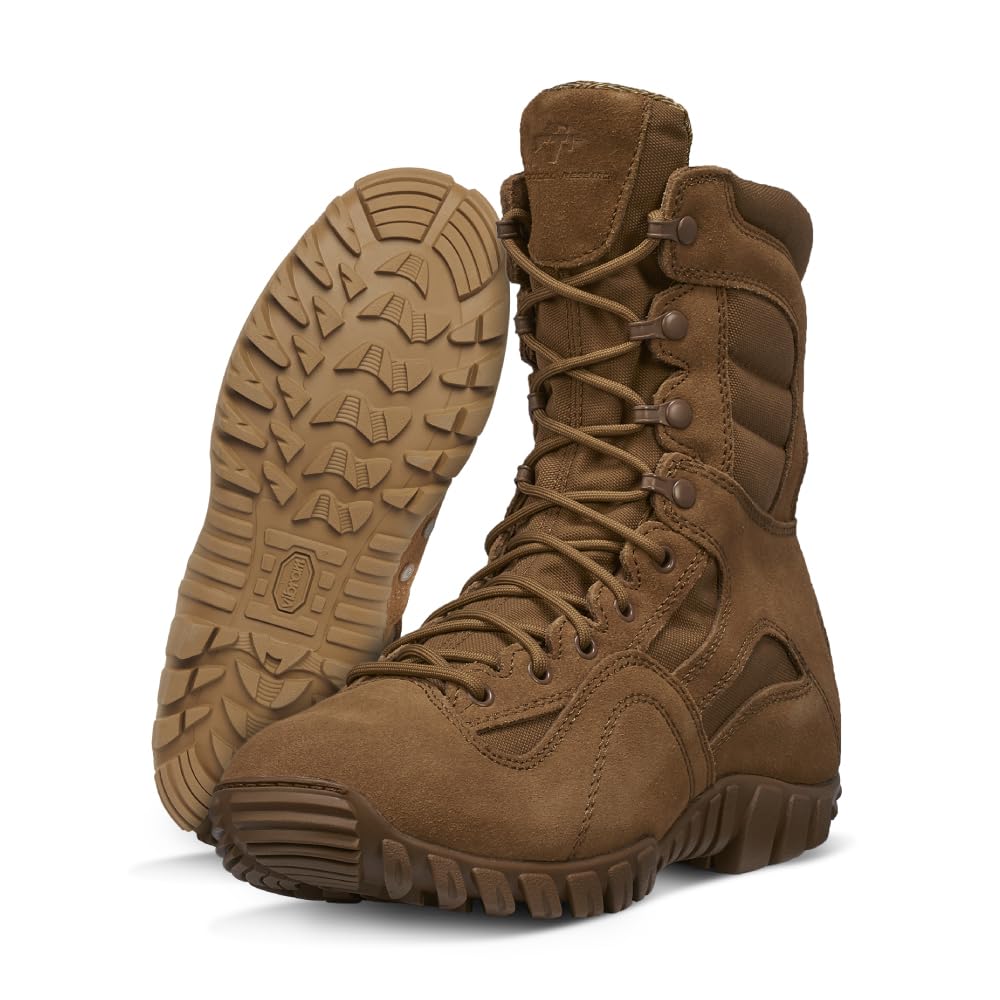
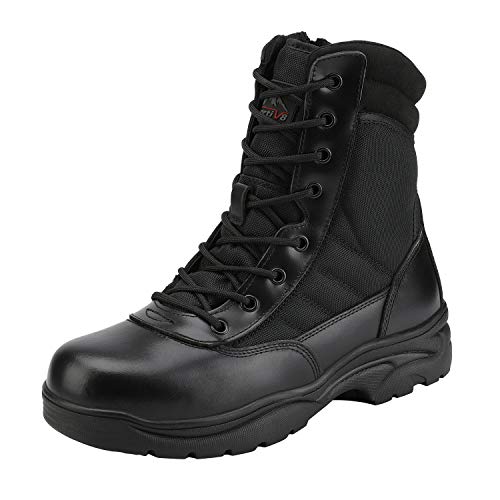


How to Choose Combat Boots for Rucking: A Buying Guide
Start with the load, because the load changes everything else. Stated plainly, rucking is walking under a pack load, and the boot is judged under weight, so fit with the load on and the sock class you actually march in decide whether a pair works. A boot that feels perfect unloaded can press the toes, slip at the heel and tire the calves once the pack is on.
In practice, best combat boots for rucking is a label a pair earns only after that loaded test, not a promise printed on a box. Readers who want the wider category view first can see our guide to best boots for rucking for the general factors that sit behind this combat focused lens.
Ankle Support as a Fit and Lacing Fact
Support in this class is a fit and lacing fact, stated plainly. A tall collar, a firm heel cup and laces that lock the midfoot reduce unwanted movement inside the boot, yet no boot makes a loaded march safe on its own. Route choice, sensible load progression and attention to footing carry the rest of the safety picture. Judge support by whether the heel stays seated on descents and whether the ankle feels guided rather than clamped.
Regulation Fit for Uniform Wear
Uniform readers follow their service rules, stated plainly, and the regulation class decides before comfort in this category. Check the rules for your setting on shaft height, color, toe shape and permitted materials before you compare cushioning or price. A pair that feels ideal still fails if the class is not allowed for duty wear. For that regulated end of the market, see our guide to best army combat boots for rucking alongside your current unit guidance.
Fit, Sizing, and Toe Box
Measure and try boots late in the day, when feet are at their largest, and always with your rucking socks on. Leave roughly a thumb width of room in front of the longest toe so the foot can spread and slide slightly under load without striking the front on descents. The heel should feel held from the first step. Width matters as much as length, because a narrow toe box that merely feels snug in the shop often becomes the main source of numbness by mile six.
Arch Support and Foot Type
Arch shape changes which insole profile feels steady over distance. Flat feet often do better with a firmer, more structured insole that limits excess rolling, while high arches often prefer more cushioning under the midfoot and heel. Treat this as comfort and fit guidance only, judged by pressure points after a loaded walk rather than by labels on the packaging.
Outsole Traction and Terrain
Match lug depth and rubber hardness to the ground you cover most. Shallow, closely spaced lugs suit pavement and packed paths, where a very aggressive tread can feel harsh and wear down fast. Deeper lugs, roughly in the range of about 4 to 6 mm, grip better on loose trails, wet grass and mud at the edge of a route. Check that the heel breast and toe area give a clear braking edge for descents, because loaded downhill steps are where slips usually begin.
Upper Materials and Breathability
Most combat boots pair leather around the toe and heel with textile panels along the sides. Leather brings abrasion resistance and structure, while the panels cut weight and let heat escape during steady road miles. Full leather uppers last well and polish up for uniform use, but they run warmer and take longer to dry. Lightweight textile heavy designs feel cooler and lighter on fast marches, though they usually show wear sooner at flex points and offer less protection against brush and loose rock.
Waterproofing and Membrane Choices
A waterproof membrane keeps out puddles, wet grass and shallow crossings, and it earns its place on winter routes and early morning marches over soaked ground. The trade off is heat, because the same barrier that blocks water also slows the escape of warm air on dry summer roads. Many ruckers keep membrane boots for wet seasons and choose ventilated uppers for hot, dry mileage.
Break In Period and Comfort Out of the Box
Even a well chosen pair needs a gradual start. Wear new boots for short walks first, then a moderate loaded march, and only then a long effort, so stiff leather and fresh insoles settle around your feet in stages. Small hot spots are information, not a challenge to push through, and adjusting lacing tension or sock thickness at that stage often solves them. A boot that demands weeks of pain before it feels normal was probably the wrong size or shape from the beginning.
Types of Combat Boots for Rucking Routes
Three broad classes cover most needs, and the product table above lists examples of each style side by side. Entry level pairs often sit at about $120 to $180, mid range pairs at about $180 to $260, and upper range pairs at about $260 to $360. Readers comparing the parent category can see our guide to best combat boots for the general boot factors behind these rucking specific classes.
Lightweight Boots for Faster Road Marches
Lightweight boots use more textile, thinner midsoles and flexible soles to cut fatigue on fast, mostly paved marches. They suit shorter loads, fitness focused training and warm weather, where ventilation and a nimble step matter more than maximum structure. The cost of that lightness shows up on rough ground and under heavy packs, where the foot does more of the work. Training plans built around unit style marching often pair this class with the approach in our guide to best boots for rucking army for route planning context.
Waterproof Boots for Wet Ground
Waterproof boots add a membrane and usually a more sealed upper, keeping feet drier through crossings, soaked fields and slushy winter pavements. They suit readers whose routes do not pause for weather and who march early, when grass holds the most moisture. Expect extra warmth in summer and a slower dry after a full soaking. Under heavy loads on broken trails, many readers prefer the sturdier end of this class and compare it with the options covered in our guide to best military boots for rucking.
Balanced Boots for Mixed Terrain
Balanced boots sit between the other two classes, with moderate weight, a supportive but not rigid sole and uppers that mix leather structure with textile ventilation. They are the sensible default for varied weekly routes that move between pavement, gravel and park trails in a single outing. For a rucker who owns one pair and trains in most conditions, this middle class usually gives the fewest regrets across a full season.
Choosing by Route and Weekly Load
Road Marches on Pavement
Pavement rewards cushioning and an even, predictable step more than deep tread. Choose a sole that rolls smoothly from heel to toe, a midsole that still feels responsive after an hour, and an upper that vents well, since hard surfaces build heat inside the boot. Lighter loads and steady weekly mileage make this the most forgiving setting, so comfort details such as insole shape and sock pairing decide more here than outright toughness or maximum ankle structure.
Trails and Uneven Ground
Trails ask more of the boot at every step. Loose stones, roots and cambered edges reward a firmer heel cup, a protective toe area and lugs that bite without collecting mud. A slightly stiffer sole spreads the pressure of sharp ground across the whole foot, which matters more as pack weight rises. Slow your pace judgement down on the test walk, because a boot that feels merely firm on pavement often feels reassuringly stable once the surface turns uneven.
Long Single Day Efforts
For a long single day effort, the deciding test is the second half of the walk, not the first hour. Feet swell, socks compress and small pressure points grow, so the roomy toe box and secure heel you checked in the shop must still hold at mile fifteen.
How to Make Your Combat Boots Last Longer
Combat boots wear out through moisture, grit and compressed cushioning more than through dramatic damage. A few steady habits protect the fit you paid for and keep the product table above useful as a reference when a replacement eventually comes due.
- Dry wet boots at room temperature away from direct heat, with the insoles removed and the tongues open, so leather and adhesives are not damaged by a radiator or a hot air vent.
- Brush off dried mud and road grit after each march, because grit left in flex points works like sandpaper on stitching and textile panels during the next outing.
- Rotate two pairs across the week if you train daily, giving each midsole a full day to recover its shape and each upper time to dry completely between uses.
- Replace worn insoles before the boots themselves, since a flattened insole changes fit and arch feel long before the outsole or upper reaches the end of its life.
- Inspect laces, eyelets and heel counters each month, and swap frayed laces early, because even tension is what keeps the heel seated and the support system working as designed.
Frequently Asked Questions Answered
What features matter most in combat boots used for rucking?
Loaded fit, heel hold and outsole grip matter most, in that order. A useful extra check is sole flex position, because a boot should bend where your foot bends, just behind the toes, rather than in the middle of the arch. Flex in the wrong place tires the foot on long pavement stretches. Test it by hand in the shop, then confirm the feel again during your first short loaded walk at home.
Do combat boots for rucking need to be waterproof?
No, waterproofing is a route choice rather than a requirement. One point often missed is boot height around crossings, since water that pours over the collar defeats any membrane below it, however well sealed the upper is. On routes with deep puddles or stream edges, gaiters or a route change protect you more than the membrane alone. For mostly dry roads, a ventilated upper will usually feel better across a full season of training.
Are expensive combat boots worth the cost for rucking?
Higher prices can be worth it when they buy better fit options, stronger uppers and a sole that keeps its grip longer. Price alone, though, does not guarantee any of those things, and fit still outranks cost in every class. A practical extra test is width availability, because upper range lines more often offer wide fittings that mid range lines skip. If a cheaper pair fits your foot shape exactly, it can serve you better than a costly pair that almost fits.
How long does the break in period last for combat boots?
Most pairs settle within about two to three weeks of gradual use. The stage readers often skip is a loaded stair session, which reveals heel lift and toe pressure that flat ground hides completely. Add stairs and a short slope before your first long march, and note where the lacing needed adjustment. That small record makes later fits faster, because you learn your own pattern instead of guessing again with every new pair you buy.
How should combat boots fit for a loaded march?
They should hold the heel firmly, leave clear space ahead of the toes and feel even across the top of the foot with no single pressure point. A fitting detail worth adding is lace zoning, where the lower eyelets stay moderate, the ankle eyelets lock firmly and the top eyelets set collar comfort. Zoning gives control without crushing the forefoot. Practice your zoning on short walks so the sequence becomes automatic before a long effort begins.
Wrapping Up
Judge every pair under the load, with the socks and the route you actually face, and let regulation rules settle the class first if you wear a uniform. Fit, heel hold and terrain matched grip will decide your season far more than any single feature claim. On that basis, the right choice of best combat boots for rucking becomes a calm, testable decision rather than a gamble. Return to the product table above to compare the classes side by side and pick the pair that matches your routes and budget.


