
Best Boots for Rucking for 2026
Disclosure: We may earn a commission when you buy through links on this page, at no extra cost to you. As an Amazon Associate I earn from qualifying purchases. Learn more

Learn how to choose boots for rucking by fit, ankle support, weight, traction and durability, with spending guidance for different loads and terrains.
Walking under a loaded pack changes what you need from footwear. Every step adds pressure through your feet, ankles and knees, and a boot that feels fine on an empty walk can feel very different after several miles with weight on your back. The best boots for rucking balance support, grip and comfort so your feet stay steady without feeling trapped or beaten up at the end of the route.
This guide explains the features that matter most for weighted walking, how fit should feel with the socks you will actually wear, and how to match a boot to your pack weight, terrain and budget. Use the comparison table below to compare boot styles side by side, then work through the buying factors before you decide.
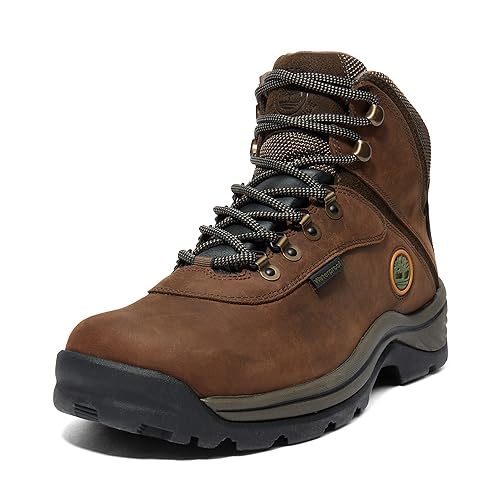

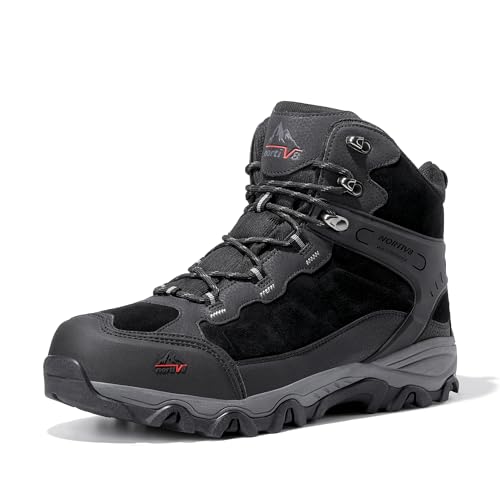

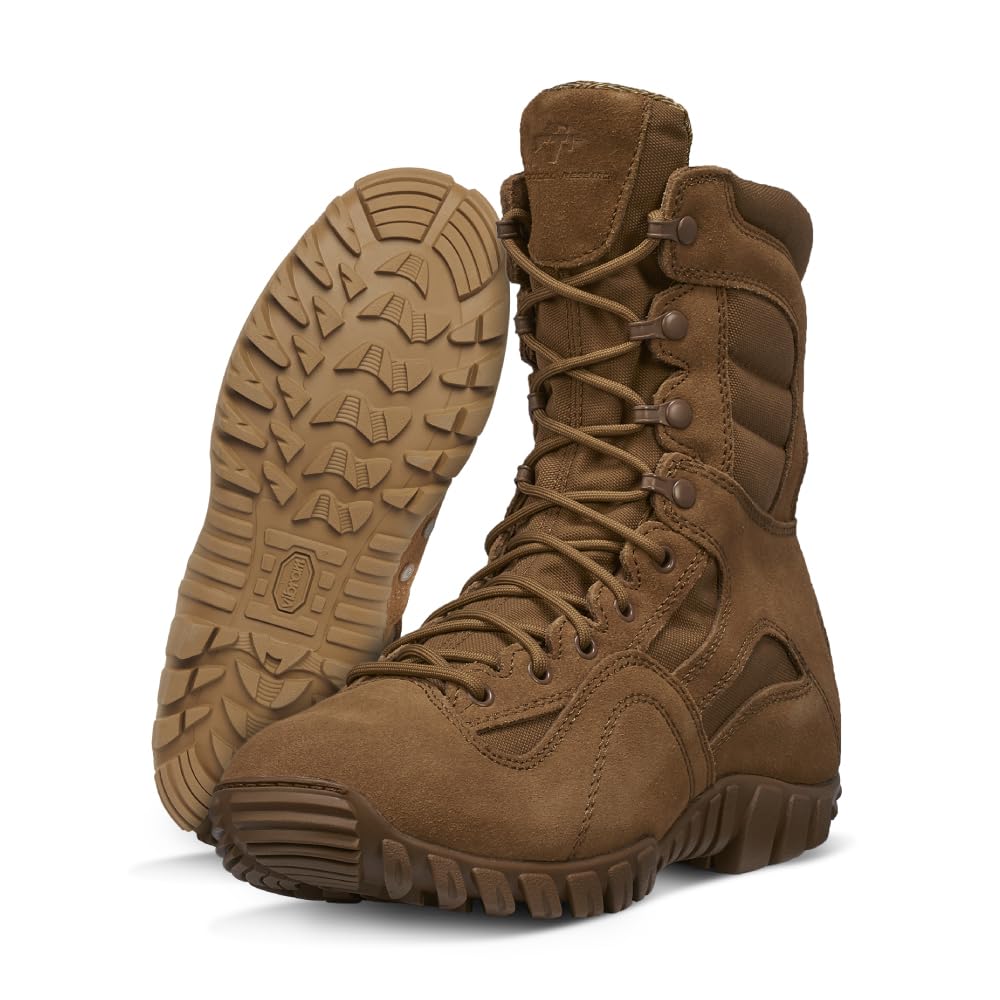


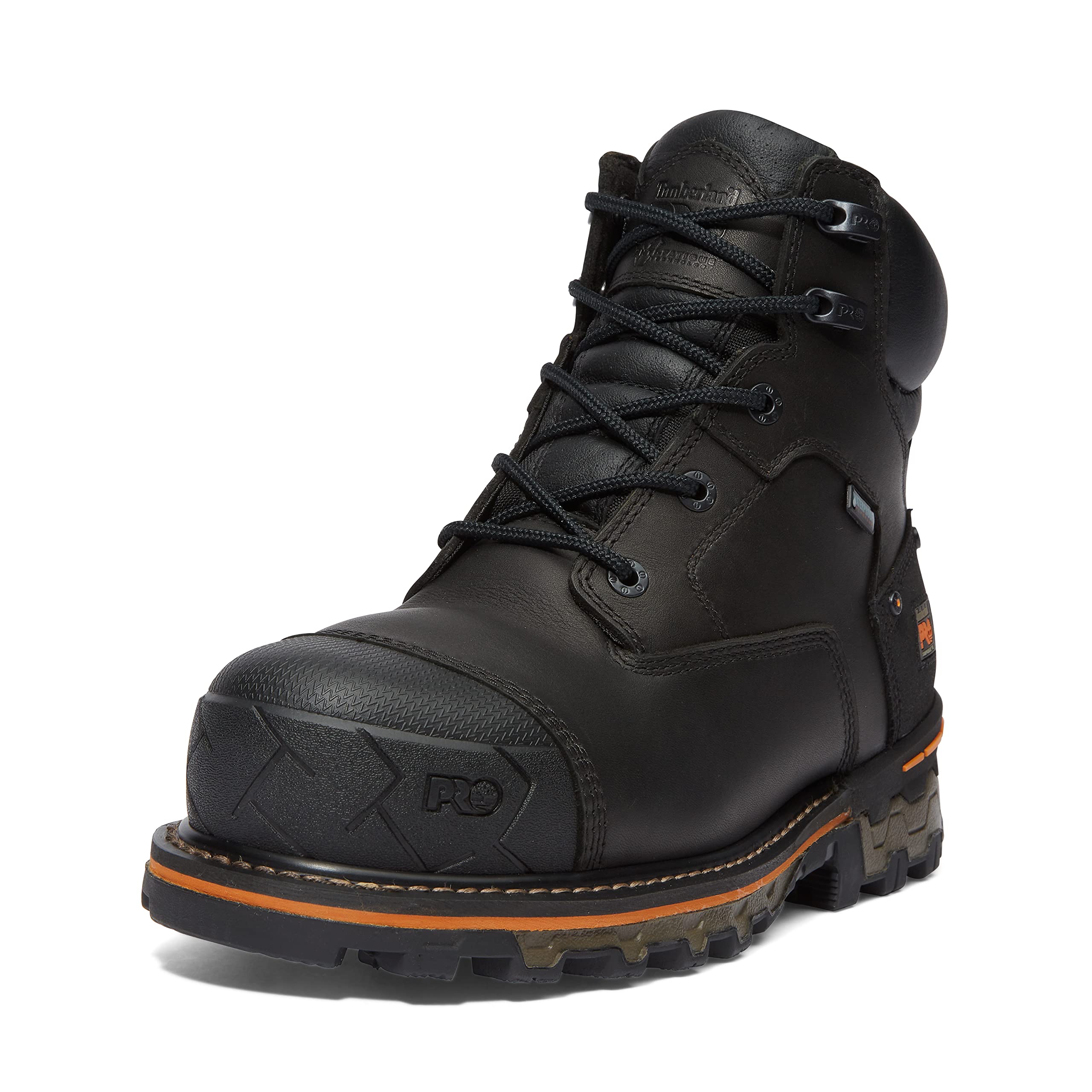
Spending Levels That Fit Different Ruckers
Price alone does not tell you whether a boot will suit rucking. A simple boot can work well for short, light routes, while a heavier duty design may be worth the extra cost if you carry more weight or walk on rough ground often.
Budget Friendly Starting Point
At this level, look for a sturdy upper, a firm heel counter and an outsole with clear lugs that grip dirt and gravel. Expect a simpler insole and fewer waterproof features, so this level suits dry routes and shorter distances best.
Midrange All Round Choice
The middle range usually adds better cushioning, a more supportive midsole and tougher stitching in high wear areas. This level is a good match for regular ruckers who mix pavement, trails and uneven ground and want one pair that handles most conditions. Look for a balance of weight and protection, and pay attention to how the boot flexes at the forefoot rather than bending stiffly through the middle.
Premium Durable Option
Higher priced boots often use thicker leather or stronger synthetic panels, deeper lugs and more refined ankle padding. They can be a sensible choice if you ruck several times a week, carry a heavy pack or walk on rocky and muddy ground where a weaker boot would wear out quickly.
How to Choose Boots for Weighted Walking
Loaded walking rewards boots that keep your foot stable without adding unnecessary bulk. The right pair should feel secure around the ankle, flex naturally where your foot bends, and grip the ground on climbs, descents and loose surfaces. Give fit and ankle support the most weight in your decision.
Features That Matter on Loaded Miles
When you carry weight, your foot strikes the ground with more force and your ankle has to control more side to side movement. A firm heel counter, a supportive midsole and a stable platform help keep your stride even and reduce fatigue over distance. Deep, widely spaced lugs shed mud and grip loose gravel, while a protective toe cap guards against rocks and roots on rough trails.
Arch support also matters more under load, because a collapsing arch changes how pressure spreads across the foot. If you use insoles, test them inside the boot before you buy, since an insole changes internal volume and can make a well fitting boot feel tight. For guidance on a related style, see our guide to the best military boots for rucking, which covers durability and support for demanding use.
Fit, Sizing and Toe Room
Measure your feet in the afternoon, when they are slightly larger, and wear the socks you plan to ruck in. Your toes should have enough room to wiggle and spread, while your heel should stay in place without lifting on every step. If your heel slips, try a different lacing pattern before you change size, since lacing can change how the boot holds your foot.
Feet often swell during a long walk, so a boot that feels snug in the shop may feel tight after a few miles. Leave a thumb width of space beyond your longest toe, and walk up and down stairs if you can, since descents reveal toe crowding quickly. A related guide to the best combat boots for rucking also discusses rugged uppers and ankle coverage for heavy use.
Upper Materials and Airflow
Leather uppers offer strong abrasion resistance and hold their shape well, but they can feel warm and need more break in time. Synthetic and mesh panels breathe better and dry faster, which helps on warm days and on routes where you cross streams or wet grass. Many rucking boots combine materials, using leather or tough synthetic overlays in high wear zones and breathable panels elsewhere.
Think about your climate and route before you choose. A fully leather boot may suit cold, brushy terrain, while a lighter mixed upper suits warm weather and fast paced walking.
Weight and Flex
Boot weight matters because you lift each boot thousands of times on a long route, and a heavy boot can tire your legs faster than a lighter one. At the same time, a very light boot may lack the structure you need when the pack gets heavy. The best compromise is a boot that feels supportive under load but still allows a natural rolling motion from heel to toe.
Flex the boot by hand and notice where it bends. It should bend near the ball of the foot, not in the middle of the arch.
Waterproof Membranes and Tradeoffs
Waterproof membranes keep rain and puddles out, but they also trap heat and slow drying once sweat builds up inside. A membrane makes sense for wet climates, muddy trails and cold morning walks, while a non waterproof boot may be more comfortable in hot and dry conditions. Some membranes are marketed with names such as Gore Tex, and the key question is whether the boot still breathes well enough for your pace and climate.
Even a waterproof boot can let water in over the collar, so pair it with suitable socks if you walk through deep puddles or tall wet grass.
Durability and Lifespan
Rucking wears boots faster than casual walking, because the added load increases pressure on the sole, the midsole and the upper. Look for reinforced stitching, a durable outsole compound and a midsole that does not compress quickly under weight. A boot used for loaded walking may last about 300 to 500 miles, depending on pack weight, terrain and body weight, and the sole tread usually shows wear before the upper fails.
Rotate two pairs if you ruck often, since rest days let foam and leather recover between walks. Inspect the tread, the heel counter and the sole bond regularly, and replace boots when grip fades or support feels uneven. A guide to the best boots for rucking army use also covers tough construction for frequent loaded marching.
Boot Styles for Rucking
Different boot styles suit different loads and surfaces, and the right style depends on how you ruck rather than on a single best design. Compare the styles below by weight, support and protection, and choose the one that matches your most common route.
Lightweight Trail Style Boots
Lightweight trail style boots suit fast paced rucking on smooth trails and pavement with a moderate pack. They feel closer to a hiking shoe, flex easily and keep leg fatigue lower over long distances. They offer less protection on rocky ground, so they are a weaker choice for heavy packs or sharp, uneven terrain.
Supportive Stability Boots
Supportive stability boots add a firmer midsole and a stronger heel counter for walkers whose feet roll inward or who feel ankle fatigue under load. They help keep the foot aligned during long miles and can reduce the tired, achy feeling that comes from poor support.
Tactical Style Boots
Tactical style boots are built for rugged use, with tough uppers, strong lacing systems and soles designed for varied ground. They often have a higher cut that supports the ankle, which can help on uneven trails and when carrying a heavy pack. They may need a longer break in period, so start with short walks and build distance gradually.
Waterproof Duty Boots
Waterproof duty boots suit wet climates, muddy routes and cold weather rucking where keeping feet dry matters most. They usually weigh more and breathe less than non waterproof styles, so they are best when wet conditions are common rather than occasional.
Choosing Boots for Your Situation
Your situation shapes the boot more than any single feature list. A walker who rucks on city paths with a light pack needs a different boot from someone who carries a heavy load over mountain trails.
Best Tactical Boots for Rucking
The phrase best tactical boots for rucking describes boots built for demanding, varied use rather than for one narrow surface. Look for a tough upper that resists abrasion, a lacing system that lets you adjust ankle tightness separately from forefoot tightness, and a sole that grips both pavement and dirt. A higher cut can add ankle confidence on uneven ground, but it should not restrict your natural stride or rub the ankle bones.
Tactical style boots also tend to favour durability over softness, so expect a firmer feel at first and plan a gradual break in. Walk short distances with a light pack, then add weight and distance over a week or two. If the boot still causes pressure on the ankle bones after that period, the shape may not suit your foot, and a different width may work better.
Setup and Care Tips
Good care extends the life of rucking boots and keeps them comfortable across many miles. Use the tips below from the first walk onward, and treat small problems early before they become blisters or worn out soles.
- Break boots in gradually: start with short walks and a light pack, then add distance and weight over several outings so the upper softens without causing hot spots.
- Lace for heel hold: tighten the lower laces for forefoot comfort and the upper laces for ankle support, and use a heel lock loop if your heel lifts on climbs.
- Air dry after wet walks: remove the insoles and dry boots away from radiators and direct sun.
- Rotate pairs when you can: alternating two pairs lets cushioning recover and gives each pair time to dry fully between loaded walks.
- Check tread and seams often: look for worn lugs and loose stitching, and replace boots when grip or support clearly fades.
- Keep socks matched to the boot: thick, moisture wicking socks change fit, so always test a boot with the socks you will ruck in.
Frequently Asked Questions
How long does break in take for rucking boots?
Break in usually takes several short walks spread over one to two weeks, rather than a single long outing. Start with a light pack on easy ground, then add weight and distance gradually so the upper softens around your foot shape. Leather boots often need more time than synthetic styles, and a boot that causes sharp pain after a few short walks may be the wrong shape, not merely stiff.
What pack weight changes boot choice for rucking?
Pack weight changes boot choice because a heavier load increases ankle movement and sole compression on every step. For light packs, a flexible trail style boot often feels best, while heavier packs benefit from a firmer midsole, a stronger heel counter and a higher cut. As a rough guide, once your pack passes about a third of your body weight, prioritise stability and protection over light weight.
How much ankle support do ruckers need?
Most ruckers benefit from moderate ankle support, especially on uneven ground or with a heavy pack. A mid or high cut boot helps limit side to side roll, but the cut alone does not guarantee support, since lacing, heel counter firmness and sole width also matter. Low cut boots can work for light packs on smooth paths if your ankles are strong and stable.
When should rucking boots be replaced?
Replace rucking boots when the tread wears smooth, the midsole feels compressed on one side, or the upper no longer holds your foot securely. For many regular ruckers, that point arrives after about 300 to 500 miles, though heavy packs and rocky terrain shorten the range. Do not wait for a sole to split or a seam to open on a long route, since failure far from home is harder to manage.
How should rucking boots fit with thick socks?
Rucking boots should fit with the thick socks you will actually wear, not with thin shop socks. Your toes need room to spread, your heel should stay put, and the widest part of your foot should sit over the widest part of the boot. If you switch sock thickness between seasons, test both pairs, since a boot that fits a thick winter sock may feel loose with a thin summer sock.
Final Thoughts
The right boot for rucking is the one that fits your foot, supports your ankle under load and grips the ground you walk on most. Focus first on fit and stability, then on weight, waterproofing and durability for your climate and pack weight. Remember that general fit and comfort guidance cannot replace professional advice, so see a doctor for persistent or worsening foot pain rather than pushing through it in a new boot. Review the product table above once more, compare the best boots for rucking styles against your usual route, and choose the pair that feels secure on a loaded test walk.


