
Best Combat Boots for Plantar Fasciitis of 2026: Complete Buying Guide
Disclosure: We may earn a commission when you buy through links on this page, at no extra cost to you. As an Amazon Associate I earn from qualifying purchases. Learn more

Compare combat boots for plantar fasciitis by arch support, cushioning, fit and traction, with a clear checklist for long duty days and sore heels.
Heel pain that is sharp with your first steps and worse after hours on concrete can turn a normal shift into a long test of patience. The best combat boots for plantar fasciitis are chosen for firm arch support, steady heel control and cushioning that still feels stable under a pack. Use the comparison table below to match those traits to your duties.
A tall boot alone will not help if the foot rolls inward, the toe box squeezes your forefoot or the insole collapses by midday. This guide walks through fit, support and outsole choices for standing, patrolling and walking on hard ground.

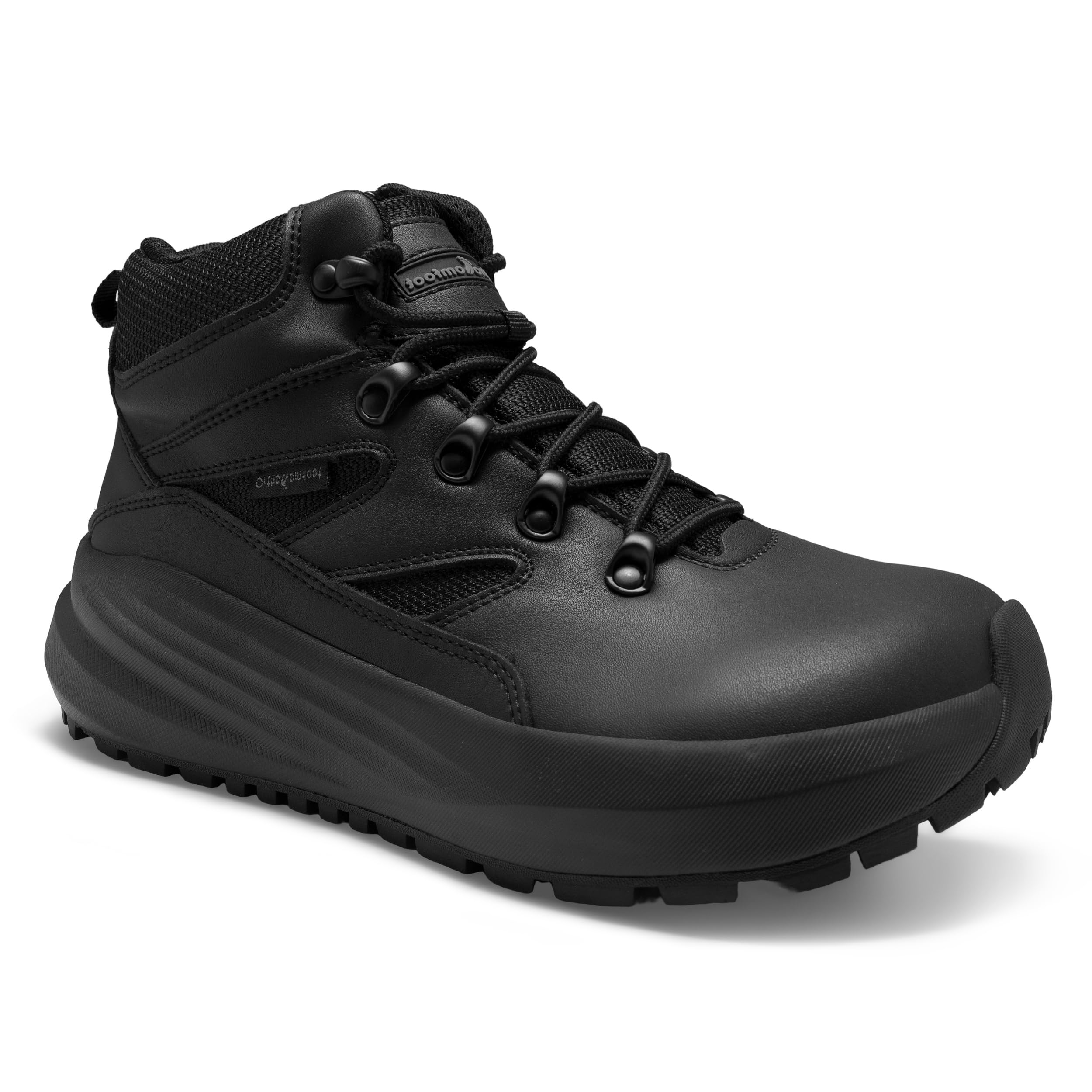


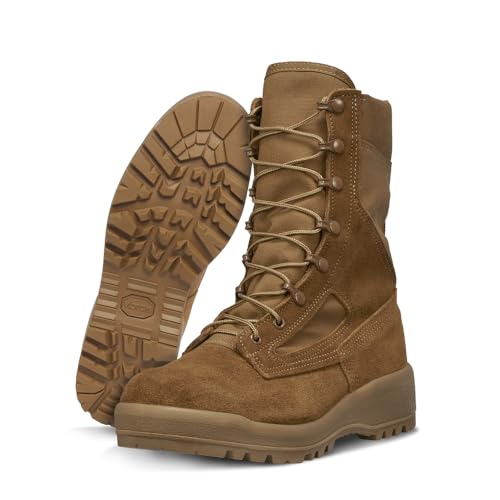
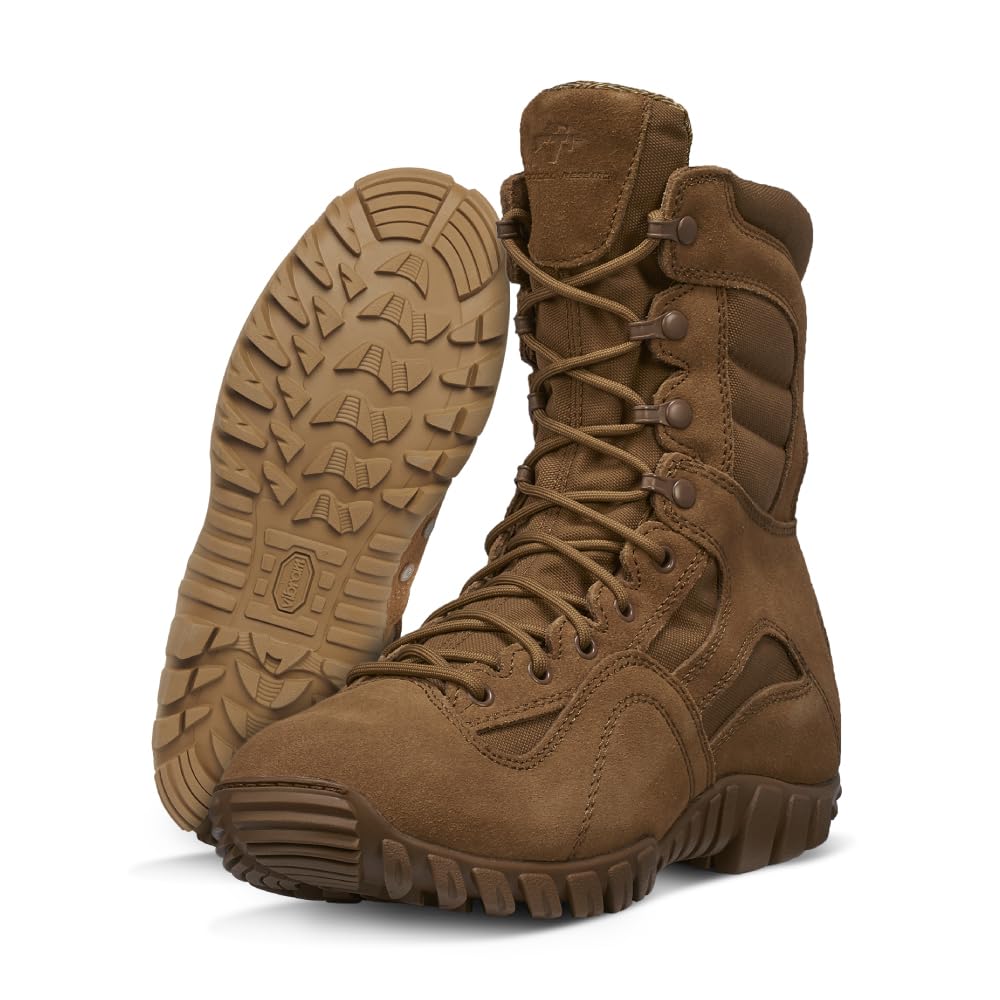


Who Should Buy Combat Boots for Plantar Fasciitis?
Start with your foot shape and your workday, because plantar fasciitis changes what support feels right. If your pain also follows you in low shoes at home, see our guide to the best shoes for plantar fasciitis for indoor and off duty options.
People With Flat Feet Who Roll Inward on Duty
You need stability more than soft foam. A firm heel counter, a midsole that resists twisting and moderate arch support help keep your ankle aligned as you walk. Choose a secure lace system that locks your heel in the back of the boot. Very soft soles often let your arch sag during a long shift.
People With High Arches and Sharp Heel Pain
Your foot absorbs shock poorly on its own, so look for thicker cushioning under the heel and a curved insole that fills the arch gap. A moderate heel to toe drop of about 8 to 12 mm often feels more comfortable on long walks. Avoid flat, thin soles that leave every step on pavement feeling direct and jarring.
People Who Stand and Patrol for Long Shifts
You spend hours on concrete, tile or gravel, often carrying extra weight. Prioritize a roomy fit for swelling late in the day, a grippy outsole and a shaft height of about 8 to 10 inches for ankle support. Weight matters too, because a heavy boot adds fatigue that makes you shift your gait and load your heels unevenly.
Key Features to Compare
When you compare the best combat boots for plantar fasciitis, compare support first, then fit and ground grip. Price should come last, after the boot matches your arch and your terrain.
Arch Support and Heel Counter Stability
Good arch support spreads pressure along the foot instead of leaving it all on the heel and the ball. Look for a shaped footbed, a firm heel counter that does not fold when you squeeze it and a midsole with real stability rather than pillow soft foam. Numbness, swelling, pain after an injury or heel pain that keeps getting worse or does not ease after a few weeks of better fit needs a doctor or foot specialist promptly, so talk with your clinician about personal needs.
Cushioning and Heel to Toe Drop
Cushioning should absorb impact without letting your foot wobble side to side. A layered midsole with a firmer base and a softer top often gives that balance for plantar fasciitis. The heel to toe drop shapes how much stretch your calf and arch feel with each stride, and most buyers in pain do better away from very flat soles.
Fitting Boots Around a Sore Heel and Fascia
Measure both feet late in the day, when swelling is at its peak, and fit the larger foot. Your toes need room to spread, with about a thumb width of space in front of the longest toe while standing. A wide toe box helps if your forefoot aches by evening. If you plan to add support inside the boot, try sizes with that insert in place, and see our guide to the best inserts for plantar fasciitis for volume tips.
Removable Insoles and Orthotic Space
A removable insole lets you swap the thin factory footbed for a firmer option or a custom orthotic your clinician has recommended. Check depth at the heel and arch, because a thick insert can lift your heel and cause slip if the boot is shallow. For ready made options, see our guide to the best plantar fasciitis insoles and compare their thickness before you order. A deep, steady heel cup is a useful sign.
Waterproofing, Upper Materials and Breathability
A Gore Tex membrane or similar lining keeps rain and shallow puddles out, which helps for outdoor posts and wet grass. The trade off is warmth, since waterproof boots breathe less than open mesh panels on hot days. Leather uppers offer structure and abrasion resistance, while leather and fabric blends dry faster and feel lighter. Choose breathable panels for indoor and summer duty, and reserve full waterproofing for work that is truly wet.
Outsole Traction and Boot Weight
The outsole should grip wet pavement, loose gravel and mud without feeling clumsy on floors. Look for multidirectional lugs about 4 to 6 mm deep, a defined heel brake for slopes and rubber that stays flexible in cold weather. Lighter boots reduce leg fatigue, but do not trade away the firm midsole your arch needs.
Types of Combat Boots for Plantar Fasciitis Compared
Combat boots fall into a few clear families. Pick the family that fits your terrain and pain pattern, then use the features above to narrow the size and model.
Stability Focused Tall Combat Boots
These boots pair a tall shaft, a firm midsole and a structured upper for people whose feet roll inward or feel unsteady under load. They suit foot marches, field work and long patrols on uneven ground. They can feel stiff at first, so they reward a patient break in period.
Cushioned Lightweight Combat Boots
These boots use lighter fabric panels and a more cushioned, more neutral midsole feel. They suit indoor posts, warm climates and buyers with high arches who walk mostly on flat floors. They are easier on the first day, but the softer sole may wear and compress sooner if you carry heavy loads daily.
Waterproof Combat Boots for Wet Ground
These boots add a sealed membrane and often a gusseted tongue to keep water out during rain or wet field work. They suit outdoor workers who cannot change footwear mid shift. Expect a warmer foot and longer drying time after a soaking.
Common Mistakes to Avoid
- Choosing the softest sole you can find leaves your arch unsupported and often makes heel pain worse by the end of a shift.
- Buying your usual shoe size without measuring late in the day leads to pinched toes once your feet swell.
- Keeping a collapsed factory insole wastes the support the boot was built to give.
- Ignoring heel slip during try on leads to blisters and a gait that loads your heel unevenly.
- Wearing a brand new pair for a full duty week without a break in period risks blisters and sore arches.
Care and Maintenance for Combat Boots
Brush dirt from the upper and outsole after duty, loosen the laces and let the boots air dry away from direct heat. Remove the insoles to dry separately, because trapped moisture softens materials and creates odor. Rotate two pairs if you work daily.
Check lug wear, midsole cracks and heel counter shape each month, and clean leather with products the maker allows for that finish. Off duty, avoid flat slippers that leave your arch bare on hard floors, and see our guide to the best sandals for plantar fasciitis for recovery footwear with support. Store boots upright in a dry place so the shaft keeps its shape.
FAQ
What features matter most in combat boots for plantar fasciitis during long shifts?
Firm arch support, a stable heel counter and balanced cushioning matter most during long shifts. One point many buyers miss is sock choice, since a padded sock with a smooth toe seam reduces forefoot pressure inside a roomy toe box. Carry a spare pair for wet days, because damp socks increase friction.
Do I need waterproof combat boots for plantar fasciitis?
You need waterproof combat boots only if your duties regularly involve rain, wet grass or standing water. A membrane adds a small amount of stiffness around the foot, which some buyers in pain actually like for its steady feel. If you work indoors, that same lining mostly adds heat, so a breathable upper will usually serve you better across a full shift.
Can I wear combat boots for plantar fasciitis all day?
Yes, you can wear combat boots for plantar fasciitis all day if the fit stays secure and pain does not build hour by hour. Sit and flex your ankles during breaks, and change your standing spot often if you are posted in one place. A steady ache that fades overnight is different from pain that greets you stronger each morning, which is a sign to reassess fit.
How should combat boots fit when I have plantar fasciitis?
Combat boots should fit snugly at the heel and midfoot, with clear space for your toes to lie flat and spread. Try a heel lock lacing pattern, using the top extra eyelet if your boot has one, to hold the heel down without crushing the top of your foot. Walk down a slope in the store if you can, since toe bang shows up there first.
How long is the break in period for combat boots for plantar fasciitis?
The break in period for combat boots for plantar fasciitis is usually about one to two weeks of short wears. Start with errands and half shifts, then add time as the upper softens and your foot adapts to the support. Sharp rubbing that breaks skin is not normal break in, so stop and adjust the fit.
The Bottom Line
Match the boot to your arch first, then to your terrain and shift length. Firm support, a roomy toe box and a stable outsole will do more for sore heels than extra softness or a tall shaft alone. Compare your finalists in the product table above and check return terms before a long first wear.
When you choose best combat boots for plantar fasciitis with those points in mind, you give your feet steady support for the work in front of you. The right pair should feel secure in the morning and still tolerable at the end of your longest day.


