
Best Athletic Sandals for Plantar Fasciitis: Every Type Explained Side by Side for 2026
Disclosure: We may earn a commission when you buy through links on this page, at no extra cost to you. As an Amazon Associate I earn from qualifying purchases. Learn more

Compare the best athletic sandals for plantar fasciitis by type, arch support, cushioning, and fit, with clear guidance for daily comfort and activity.
Heel pain first thing in the morning changes how you plan your whole day. If you live with plantar fasciitis, the wrong sandal can undo the care you give your feet in shoes, which is why choosing the best athletic sandals for plantar fasciitis is less about style and more about structure. This guide compares the main types side by side so the choice gets simpler.
We will explain what each type does well, where each one falls short, and which features matter most for irritated fascia. This guide offers buying information only and does not diagnose or treat any condition. Use the product table below as a starting shortlist, then check each type against your symptoms and routine.
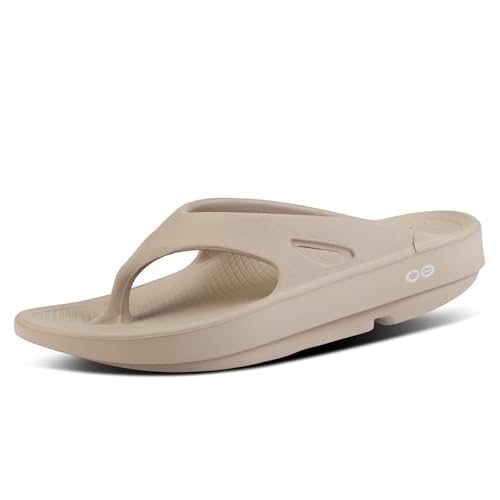

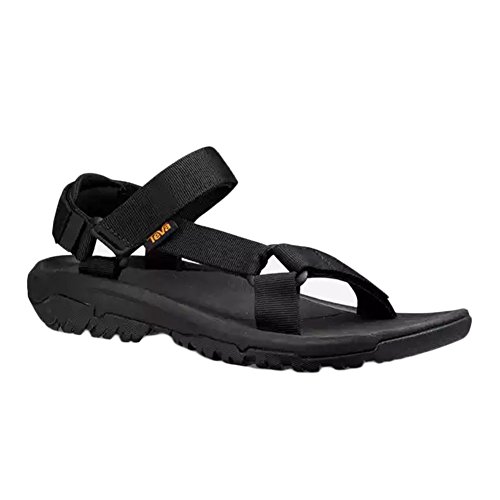


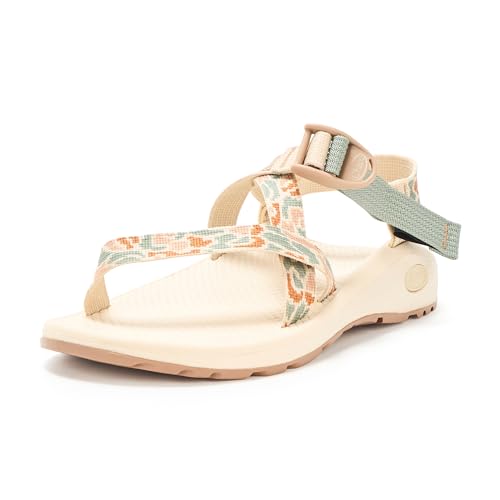

Types of Athletic Sandals Compared
Three broad types cover most of the market. Stability focused sandals lead with firm arch support and a structured heel cup, and they usually cost about $60 to $130. Waterproof trail sandals add sealed or quick drying materials and deeper tread for wet ground, at about $70 to $150. Recovery sandals use soft, thick cushioning for short, gentle wear after activity, at about $40 to $90.
Stability Focused Athletic Sandals
These sandals are built around a firm, shaped footbed. The arch rise supports the middle of the foot, the heel cup centers the heel on a cushioned base, and straps hold the midfoot so the foot does not slide and strain with each step. For many people with plantar fasciitis, this structure is the main event, because it supports the arch during walking.
The trade off is feel. A firm footbed can feel strict for the first few days, and these sandals rarely fold small for travel. Choose this type if heel and arch pain are your main complaint and most of your wear is walking, errands, and standing. It is the safest default type for a first supportive pair.
Waterproof Trail Sandals
Waterproof and water ready trail sandals use synthetic straps, closed or guarded toes on some designs, and deeper lugged outsoles for grip on wet rock, mud, and boat decks. Their footbeds vary widely: some offer real arch support, while others are nearly flat under a rugged shell. Always check the footbed shape, not just the tread, before you buy for plantar fasciitis.
Choose this type if your summer life involves rivers, beaches, kayaking, or wet trails and you refuse to give up support to get wet. Expect a heavier shoe that dries slower than a minimal sandal. If your days are dry and urban, the extra tread and weight buy you little, and a stability focused pair will usually feel better.
Sandals and Recovery Footwear
Recovery sandals and slides use thick, soft foam to cushion tired feet after runs, games, or long shifts. They feel wonderful for short periods around the house or the locker room, and they are easy to slip on. Their softness is also their limit: many offer modest arch structure, so long walks in them can leave the fascia working harder than it should.
Treat recovery footwear as a complement, not your main walking sandal. Wear it for the hour after activity, then switch to a structured pair for errands and longer distances. Our guide to the best slide sandals for plantar fasciitis explains which slide designs keep some arch support despite the open back.
Stability Sandals vs Waterproof Trail Sandals: Which Should You Choose?
Compare the two main types on five points. For arch support, stability sandals win, because support is their design purpose. For wet grip, trail sandals win, thanks to deeper lugs and water friendly materials. For all day standing, stability sandals usually win again, since their firmer base spreads load more evenly over hours.
For weight and packability, stability sandals are often lighter and simpler. For rough ground protection, trail sandals win with toe coverage and tougher outsoles. The pattern is clear: choose by your dominant day. Mostly dry walking and standing points to stability. Mostly wet and rough outings point to the trail type, provided its footbed is genuinely shaped.
If your pain is severe, new, or getting worse, footwear is only one part of the picture. Persistent heel pain deserves professional evaluation, and a podiatrist can check whether you need treatment, stretching guidance, or custom orthotics. Warning signs that call for prompt care include pain after an injury, swelling, numbness, or pain that does not ease after two weeks of rest and supportive shoes.
How to Choose the Right Athletic Sandal
Outsole Traction and Terrain
Match the outsole to the ground you cover most. Pavement and indoor floors need only shallow tread, and a full rubber outsole gives the best wear. Light trails and wet surfaces call for lugs around 3 to 5 mm deep and a rubber compound that grips when wet. Some outsoles use branded rubber such as Vibram, known for durable, grippy compounds.
Flex matters as well. A sandal for plantar fasciitis should resist easy twisting through the midfoot, because that stiffness helps the footbed stay supportive. Bend and twist the sandal by hand: a good one flexes at the forefoot and stays fairly firm through the middle. A sandal that folds like a towel offers little real support.
Fit, Sizing, and Toe Box
Measure your feet in the afternoon while standing, since feet swell and lengthen during the day. Your heel must sit fully inside the heel cup, because a heel that hangs off the back loses the benefit of the cup and the cushioning under it. Your toes should rest flat with a small margin of footbed ahead of them.
The toe box on a sandal is open, but strap position shapes the fit. Straps should cross where they hold without pressing on bunions or the widest part of the foot. If you fall between whole sizes, sizing up usually places the arch rise correctly, while sizing down can push the rise into the wrong spot and create a new pressure point.
Features That Matter for Plantar Fasciitis
Heel and arch discomfort is common in this group, so a supportive footbed is the priority. Look for a firm arch rise that meets your arch without a gap, a deep heel cup, and cushioning under the heel that absorbs impact without feeling mushy. A slight heel to toe drop, often around 6 to 10 mm in supportive sandals, can also feel more comfortable for many wearers.
Avoid dead flat, paper thin sandals for anything beyond a few minutes of wear. They offer almost no support under the arch. Practical know how: press your thumb into the arch area of the footbed. If it collapses with light pressure, it will collapse under your body weight, whatever the listing claims about support.
Cushioning and Support
Cushioning and support solve different problems. Cushioning softens the landing, especially under the heel, which matters on concrete. Support guides the foot so the arch does not overextend. The best designs for plantar fasciitis combine a cushioned heel with a firm midfoot, rather than using one soft foam from heel to toe.
Stability versus neutral is less dramatic in sandals than in running shoes, but the idea holds. If your foot rolls inward a lot, choose the firmer, more structured end of the range. If your feet are rigid and high arched, choose more cushioning with a moderate arch rise. When in doubt, a structured pair worn for gradually longer periods is the sensible path.
For a broader view of supportive options, see our guide to the best sandals for plantar fasciitis, and for closed shoe days, our guide to the best shoes for plantar fasciitis covers the same support principles in shoe form.
How to Make Your Athletic Sandal Last Longer
Rotate two pairs for daily wear so the foam in each pair recovers between uses, which matters even more when you rely on that foam for support. Air dry wet shoes away from direct heat, because heat warps footbeds and weakens the bonds that hold straps. Rinse salt and grit off after beach days, since both grind into stitching and tread.
Watch for the end of life signs: a footbed that has molded flat, tread worn smooth under the heel, or morning heel pain creeping back despite faithful wear. As a rough guide, replace running shoes every 300 to 500 miles, and apply the same thinking to sandals you walk in daily. Support that has compressed away no longer supports your arch.
Frequently Asked Questions
What features matter most in athletic sandals for plantar fasciitis?
A firm arch rise, a deep heel cup, and real heel cushioning matter most, in that order. Together they limit strain on the fascia and soften impact on hard ground. One extra feature worth seeking is a removable or high volume footbed area if you use orthotic inserts, because not every sandal strap system can hold an insert securely while you walk.
How should athletic sandals fit?
The heel should sit inside the cup, the arch rise should meet the middle of your foot, and the toes should rest flat with a small margin ahead of them. Straps should feel secure without leaving deep marks after a short walk. Try sandals late in the day and walk on a hard floor, because carpet hides thin cushioning and a loose heel.
Do I need waterproof shoes?
You need water ready sandals only if your routine includes rivers, beaches, or frequent rain. For plantar fasciitis, the footbed shape matters more than waterproofing, so never trade a shaped supportive footbed for a flat waterproof one. Many buyers do best with a supportive dry day pair and a cheaper water pair for the beach bag.
How long is the break in period?
Plan on about a week of gradually longer wear. Start with an hour or two at home, then add time as your feet adjust to the firmer arch. Morning heel soreness that steadily improves is a good sign. Pain that sharpens or spreads is a stop signal: reduce wear, recheck the fit, and consider professional advice if it continues.
Are expensive athletic sandals worth it?
Higher prices usually buy a better shaped and longer lasting footbed, stronger strap hardware, and more durable rubber, which are exactly the parts that matter for plantar fasciitis. The mid range, about $70 to $130, covers most needs well. Pay more for fit and durability, not for fashion colors or celebrity branding with no support behind them.
Final Thoughts
Choose the type by your day, then judge the footbed by firmness, heel cup depth, and heel cushioning. Stability focused sandals suit most readers, trail sandals suit wet and rough routines, and recovery slides suit short post activity wear. Compare your finalists in the product table above against those three footbed points.
The best athletic sandals for plantar fasciitis are the ones that let you stay active while your feet recover, not the ones that promise a cure. Talk with your clinician about your personal needs, especially if pain persists, and let their guidance shape how much activity and support is right for you. Women and men can also compare fit notes in our guides to the best women's sandals for plantar fasciitis and the best men's sandals for plantar fasciitis.


