Best Boot Insoles for Combat Boots: Support, Cushioning, and Fit
Disclosure: We may earn a commission when you buy through links on this page, at no extra cost to you. As an Amazon Associate I earn from qualifying purchases. Learn more

Match the best boot insoles for combat boots to your arch, load, and boot volume, with fit checks and care tips.
Combat boots are built for protection and traction, but the factory footbed is usually a thin slab of foam. Long marches, heavy packs, and hard floors expose that weakness quickly. This guide explains how to choose the best boot insoles for combat boots by arch support, cushioning, thickness, and moisture control, so your feet stay comfortable on duty and on the trail.
The product table lists current options. The sections below cover the details a table cannot show, such as how an insole changes the fit of a snug boot.


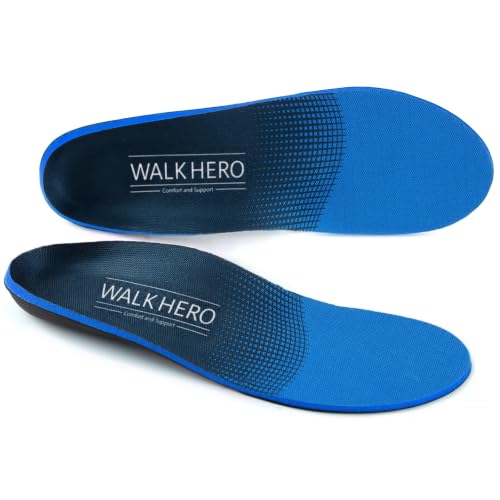

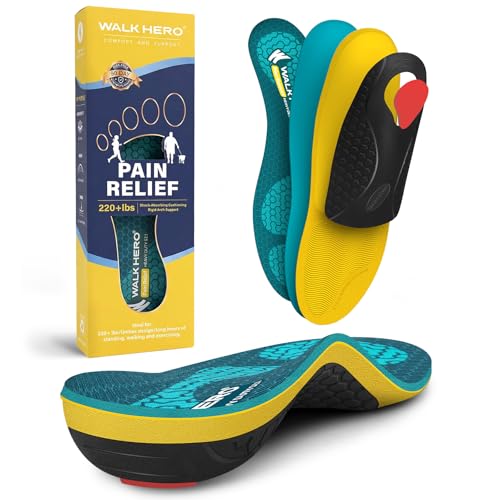

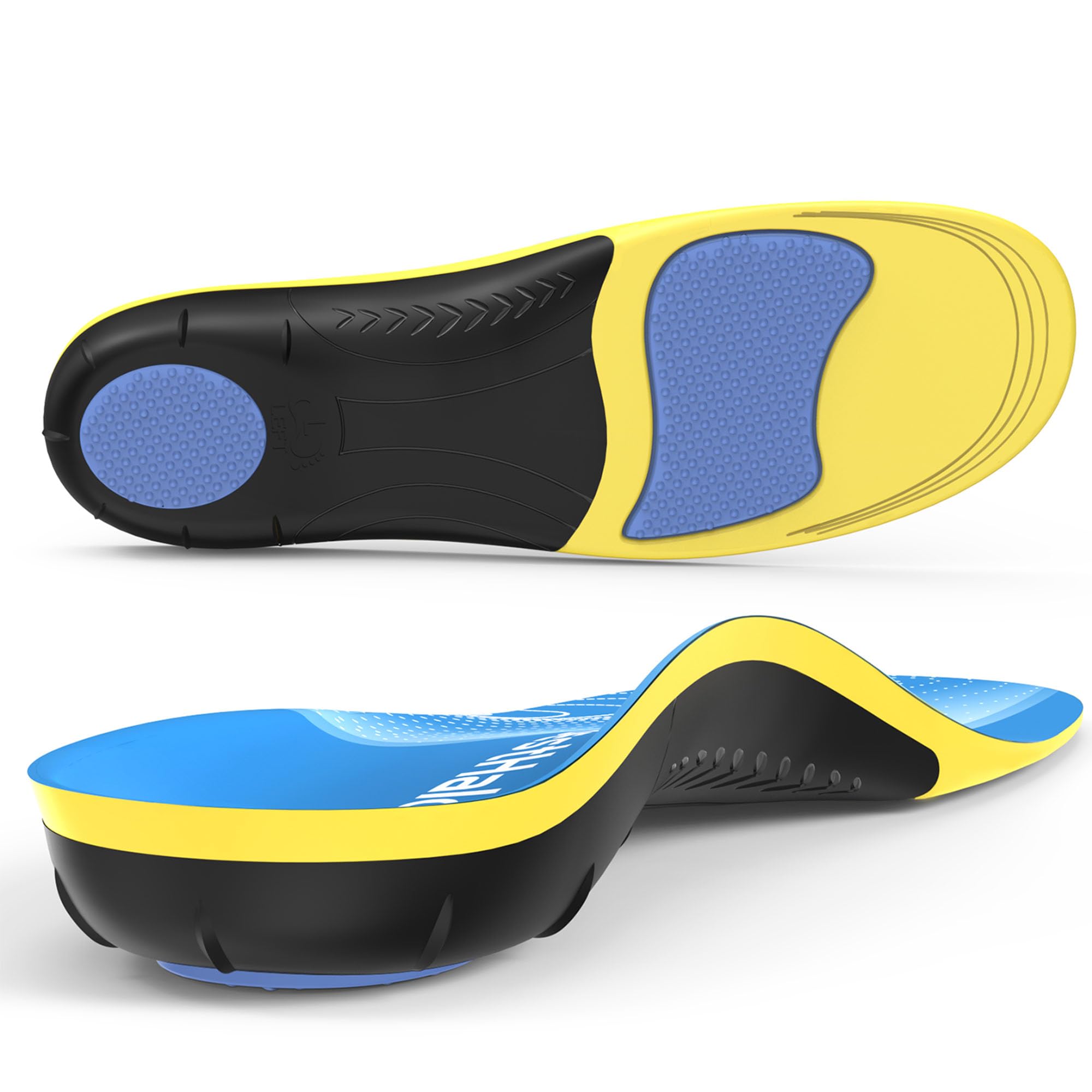
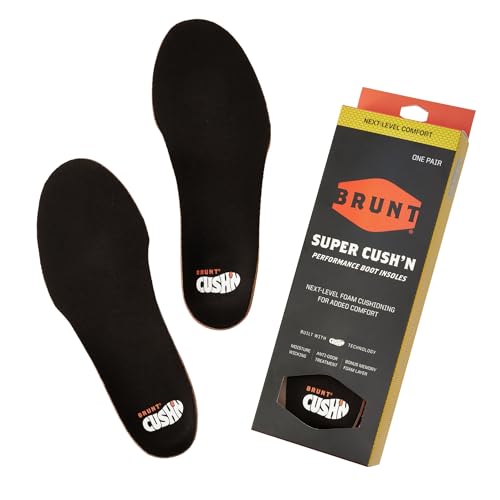

Why Combat Boots Need Better Insoles
Combat and tactical boots are stiff, often leather or leather and nylon, with a shank and a firm midsole. They protect well, but the insole that comes inside rarely supports the arch or absorbs much impact. Over a day of standing, rucking, or driving, feet can ache in the arch, heel, and ball of the foot. A better insole spreads pressure, steadies the heel in the boot, and manages sweat in what is often a warm, closed environment.
Types of Insoles for Combat Boots
Cushioning insoles
Foam or gel cushioning softens impact on hard floors, concrete, and pavement. They suit users whose main complaint is sore, tired feet at the end of a shift. Soft foam compresses under load, so it gives little control if your feet roll inward.
Arch support and stability insoles
These add a shaped arch and a deep heel cup. They suit flat feet, overpronation, and people who carry heavy loads, because the firm shape resists collapse of the arch. Expect a short break in period.
Heavy duty and orthotic style insoles
Built for heavier wearers or heavier loads, these use dense foam, rigid arch shells, and reinforced heels. They last longer but take more room inside the boot.
Moisture wicking and odor control insoles
For hot climates and long wear, a breathable top layer that pulls sweat from the sock helps keep feet drier and reduces odor.
Insole Types at a Glance
| Type | Best For | Watch For |
|---|---|---|
| Cushioning foam or gel | Hard floors, sore feet | Little arch control, flattens over time |
| Arch support and stability | Flat feet, heavy loads | Break in period, thickness |
| Heavy duty orthotic style | Rucking, heavier wearers | Bulk, higher price |
| Moisture wicking | Hot climates, long wear | Thinner cushioning |
Key Features to Compare
Arch height
Match the arch to your foot. Wet your foot and step on cardboard: a full footprint means a low arch, a narrow band means a high arch. Buying a very high arch for a flat foot causes sore spots.
Thickness and boot volume
Combat boots often fit snugly, especially with thick socks. A thick insole raises the foot and crowds the toes. Pick a slimmer model if the boot is already tight, and try the insole with your usual socks.
Heel cup
A deep heel cup centers the heel and reduces slipping, which helps prevent blisters on long walks and uneven ground.
Cushioning density
Dense foam keeps its shape under pack weight, while airy foam flattens quickly. Press your thumb into the heel area: if it bottoms out right away, it will do the same under body weight.
Moisture control and odor
A breathable top cover and perforations help feet stay drier. Pull insoles out each night so both insole and boot dry fully.
How to Fit Insoles in Combat Boots
- Remove the factory insole and use it as a template for trimming the new one.
- Trim only the toe end, a little at a time. Never trim the arch or heel area.
- Put the insole in and check that it lies flat without curled edges.
- Wear your usual socks, lace up, and walk and crouch for several minutes.
- Check that your toes can spread and that your heel does not lift.
Wear a firm new insole for a few hours at first and build up over a week. Mild arch awareness is normal. Sharp pain is not, and it suggests the arch height does not suit your foot. If you have diabetes, reduced feeling in your feet, or lasting pain, talk with a clinician or podiatrist.
Choosing the Best Boot Insoles for Combat Boots by Use
Duty use on hard floors, such as guard posts, hangars, and security work, favors cushioning with a firm heel cup so you can stand for hours without a sore heel. Field use with a loaded pack favors a stable arch and dense foam that does not flatten. Hot climates favor breathable covers, while cold climates favor insoles that leave room for thicker socks. If you switch between boots, a trim-to-fit insole that you can move from pair to pair keeps the cost down. Always test the fit in the boot you will wear, not in a different pair.
Care and Replacement
Air dry insoles after use, away from heaters and strong sun. Wash by hand in cool water with mild soap when odor builds, then dry fully. Rotating two pairs extends life. Replace insoles when the cushioning stays flat after rest, the arch no longer supports, or the cover wears through, often after six to twelve months of daily wear.
Common Mistakes to Avoid
- Buying the thickest insole and then finding the boot too tight.
- Choosing the highest arch support without matching your foot.
- Not trimming to the factory insole template.
- Wearing a new firm insole all day on the first day.
- Keeping worn out insoles because they still look fine.
Budget and Value
Basic cushioning insoles run about $10 to $20. Mid range supportive insoles are about $20 to $40, and premium structured insoles reach $40 to $60 or more. Spend more for firmer support and a durable cover, not only for thicker foam.
Related Guides
For related reading, see our guides to the best combat boots, the best insoles for boots, the best foot insoles for boots, the best insoles for walking boots, and the best insoles for hiking boots.
Frequently Asked Questions
How do I choose insoles for combat boots?
Start with your main complaint. Sore arches call for support, sore heels and balls of the feet call for cushioning, and sweaty feet call for a breathable cover. Then check thickness against your boot.
Will insoles fit inside tight combat boots?
Usually yes if you choose a slim model and remove the factory insole first. A thick insole on top of the factory one often crowds the toes.
How long is the break in period?
Most cushioned insoles feel right in a day or two. Firm supportive models can take one to two weeks, so build up wear time.
How often should I replace insoles?
Replace them when the cushioning stays flat or the arch feels weak, often after six to twelve months of daily wear.
Are expensive insoles worth it?
They are worth it when the extra money buys a firmer arch shell and a durable cover. Thicker foam alone does not justify a higher price.
Final Thoughts
Match the arch, the thickness, and the cushioning to your feet and your boots, and the best boot insoles for combat boots will make long days easier on your feet. Use the product table above to compare current options, then check the fit with your usual socks before you commit.