Best Coaxial Connectors for 2026
Disclosure: We may earn a commission when you buy through links on this page, at no extra cost to you. As an Amazon Associate I earn from qualifying purchases. Learn more
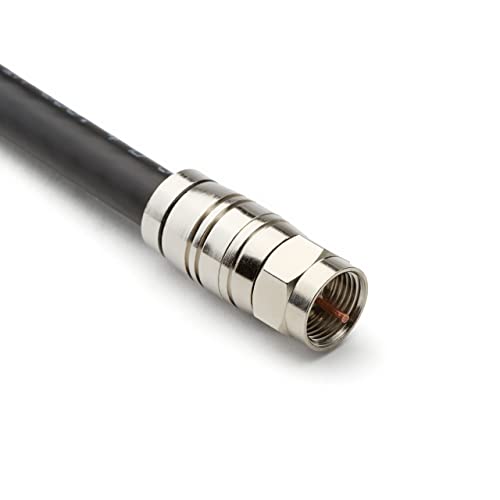
Coaxial connectors compared by fitting style, RG6 cable match, shielding and weatherproofing for TV, satellite and cable internet runs.
The best coaxial connectors are the ones that match your cable size, grip it firmly and keep moisture and interference out. For most homes that means an F-type connector for cable TV, satellite or cable internet, fitted to RG6 cable. A loose or badly fitted end is one of the most common reasons for pixelated TV, dropped channels and a modem that loses sync.
The product table below lists connector packs and kits to compare. This guide explains the fitting styles, the cable match and the small details that decide whether a connector lasts or works loose after a season.


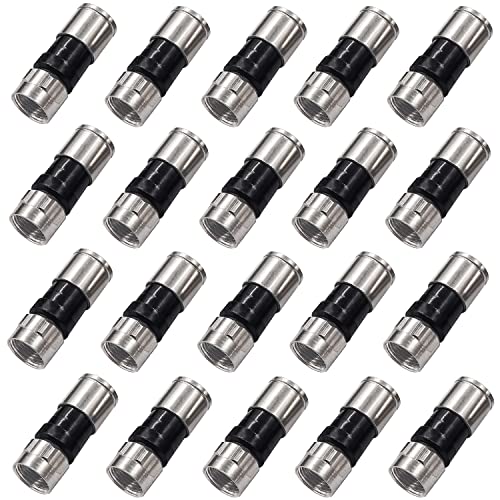

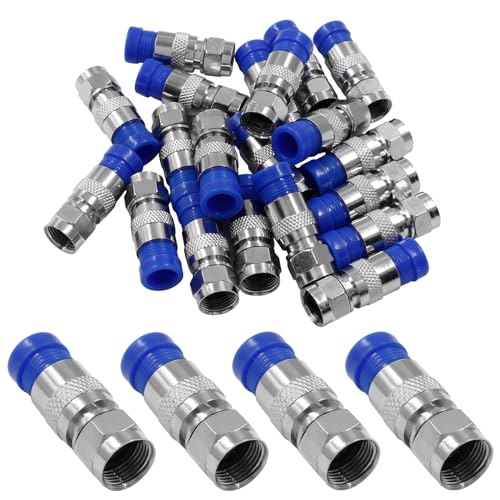
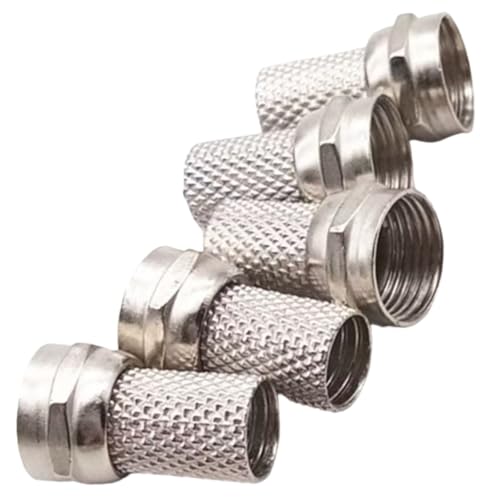
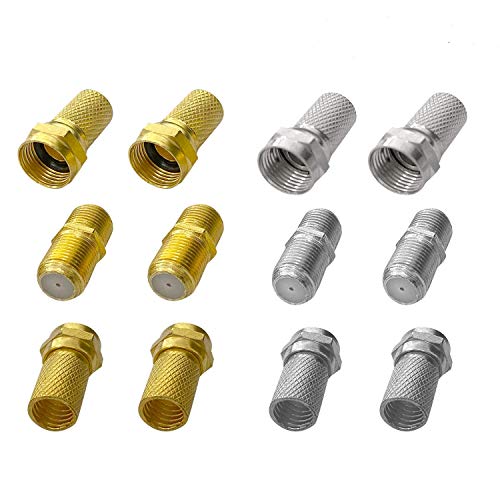
Best Coaxial Connectors by Fitting Style
How a connector attaches to the cable matters more than any marketing claim on the package. There are three common styles, and each suits a different person.
Compression Connectors
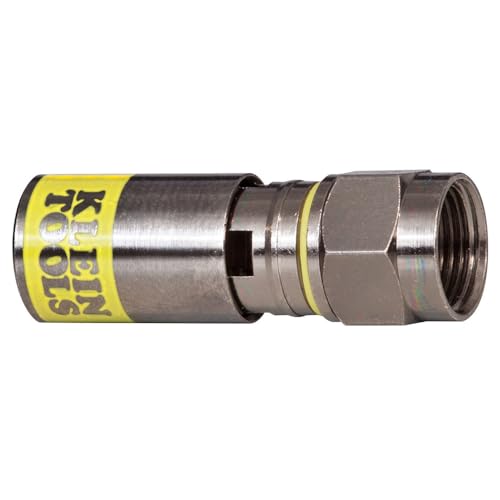
A compression connector slides over the prepared cable end and a compression tool squeezes a sleeve down so the body grips the jacket all the way around. The result is a tight, sealed joint that resists pull and moisture, which is why installers prefer it. The tool costs more than the connectors, but if you plan several runs, or any outdoor ends, it pays for itself in fewer callbacks and fewer weak signals.
Crimp Connectors
A crimp connector uses a separate ferrule that is squeezed with a crimp tool. It holds well when the tool matches the connector, and it is a good fit for people who already own crimpers. If you are weighing it against other styles, our guide to the best crimp connectors explains how crimp fittings differ from the types used on coax. The catch is that the die must fit the connector, so a mismatched tool gives a joint that looks fine and slips later.
Twist On and Screw On Connectors
Twist on connectors thread onto the stripped cable by hand, with no tool at all. They are handy for a quick repair or a temporary setup, and they are the easiest to fit for a beginner. Their weakness is grip: the thread bites only at a few points, so the joint can loosen with vibration or when the cable is tugged. Treat them as a convenience for short, indoor, undisturbed runs rather than a permanent choice.
Match the Connector to the Cable
A connector is made for one cable family, and using the wrong one is the top buying mistake. Look at the printing on the jacket before you order anything.
RG6 and RG59 Are Not Interchangeable
RG6 is thicker than RG59, and a connector sized for one will not seat properly on the other. Most modern cable TV, satellite and cable internet wiring is RG6, so most F-type packs are labeled for it. Some packs also list a quad shield variant, because the extra layers change the cable diameter slightly. Read the product description for the exact cable type named, and avoid listings that only say "coax" without a type.
Dual, Tri and Quad Shield
The shield layers around the center wire block outside interference. Cable with more layers is a little thicker, and some connectors are built specifically for the thicker version. If your cable is quad shield, choose a connector that lists it, or the sleeve may not close tightly enough. If you are unsure, strip a small test length and check how snugly the connector sits over the jacket before committing the whole run.
Features Worth Checking Before You Buy
- Plating and body: a corrosion resistant finish on a solid metal body holds up in damp basements and outdoor boxes far better than bare metal.
- Weather protection: outdoor ends need a sealed, waterproof style or a weather boot, because water that reaches the center pin ruins the signal over time.
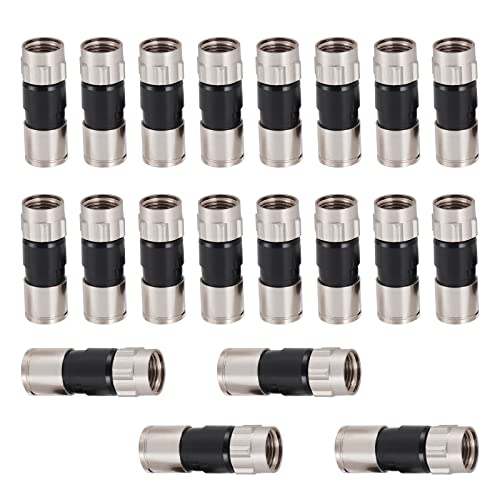
- Pack size: a bulk pack is cheaper per piece and covers mistakes, which are common while you learn to strip the cable cleanly.
- Straight or right angle: a right angle end helps behind wall mounted TVs where a straight connector would force a sharp bend in the cable.
- Connector gender: most cable ends are male F-type, while wall plates and splitters are female, so check which end you need to add.
How to Fit a Connector Cleanly
Even the best coaxial connectors fail when the cable end is prepared badly. A clean cut and careful strip give a joint that lasts for years.
- Cut the cable end square with sharp cutters so no strands are crushed.
- Strip the outer jacket back and fold the braid over the jacket, leaving the foil layer and center wire exposed.
- Make sure no stray braid strands touch the center wire, since a single whisker can short the signal.
- Push the connector on until the center wire sits slightly past the front, then tighten with the matching tool or by hand for twist on styles.
- Tug lightly on the finished joint. If it moves, cut it off and redo it with a fresh connector.
Common Mistakes With Coaxial Connectors
Most failures trace back to a few repeat errors, and they are easy to avoid once you know them.
- Reusing a connector that has already been crushed or pulled off a cable.
- Mixing connector sizes between RG6 and RG59 runs in the same house.
- Over tightening a threaded joint with pliers, which can damage the port on the TV or modem.
- Leaving outdoor joints unsealed or letting them sit where water can pool.
- Using an adapter chain of several small pieces, which adds extra joints where the signal can leak.
Coaxial Connectors: Your Questions Answered
What is the most common coaxial connector for home use?
The F-type connector is the standard for cable TV, satellite dishes and cable modems in the United States. It has a threaded outer nut and the cable's own center wire acts as the pin, which keeps the design simple and inexpensive.
Are compression connectors better than twist on connectors?
For permanent runs, yes. Compression connectors grip the whole circumference of the cable and seal against moisture, while twist on connectors grip at a few thread points and can loosen. Twist on styles still make sense for a quick indoor fix when you do not own a compression tool.
Can I use RG59 connectors on RG6 cable?
No. The cable diameters differ, so the connector either will not fit or will fit poorly and let signal leak. Always buy connectors labeled for the cable printed on your jacket.
Do I need a special tool to install them?
Compression and crimp styles need their own tools plus a cable stripper. Twist on connectors need nothing but a sharp cutter. A basic stripper and compression tool make a home project simple and give a neat, consistent result.
How do I know when a connector has gone bad?
Typical signs are a picture that breaks up when the cable is touched, visible green or white corrosion on the metal, a nut that spins freely, or a modem that loses its channels when a door or drawer moves the cable. Replace the connector rather than tightening it again.
Final Thoughts
Choose the best coaxial connectors by cable type first, fitting style second and location third. Pick compression for permanent or outdoor runs, keep twist on styles for quick indoor fixes, and compare the connector packs in the product table above for count and compatibility. A neat joint on the right connector is cheaper than any signal problem it prevents.