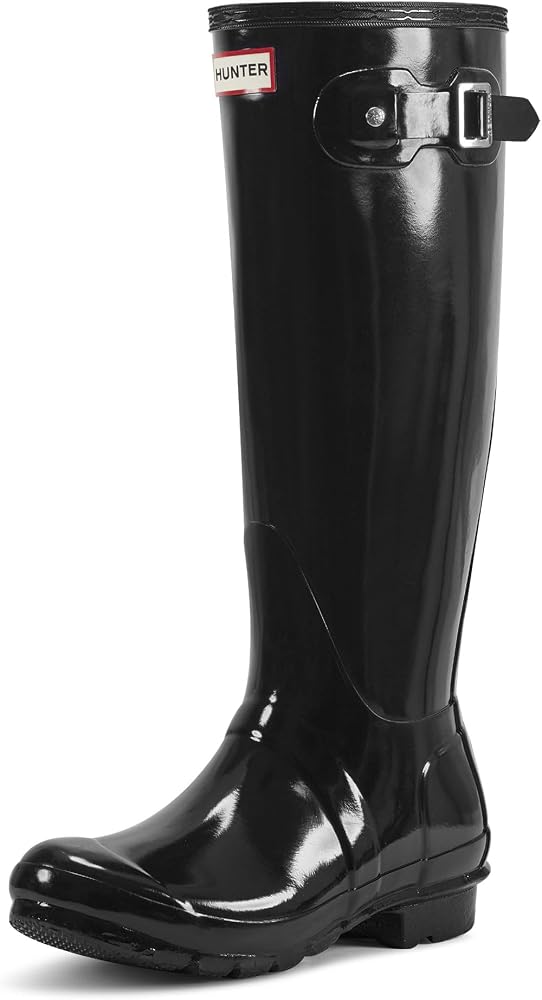
Best Color Boat Shoes for 2026: Every Type Explained Side by Side
Disclosure: We may earn a commission when you buy through links on this page, at no extra cost to you. As an Amazon Associate I earn from qualifying purchases. Learn more

Compare the best color boat shoes by shade, material, and outfit fit. Learn which colors stay versatile, which show wear, and how to choose your pair.
Brown, navy, tan, white, gray, red: boat shoes come in more colors than almost any other casual shoe, and the color changes far more than the look. It changes what the shoe goes with, how fast it shows scuffs and salt stains, and how formal it can pass for. The best color boat shoes for you depend on your wardrobe, your climate, and how much upkeep you will honestly do.
This guide compares the main color families side by side, then walks through the fit, sole, and care details that decide whether a pair earns its place in your rotation. Check the comparison table below first for the quick picture, then read the family that matches how you dress most days.

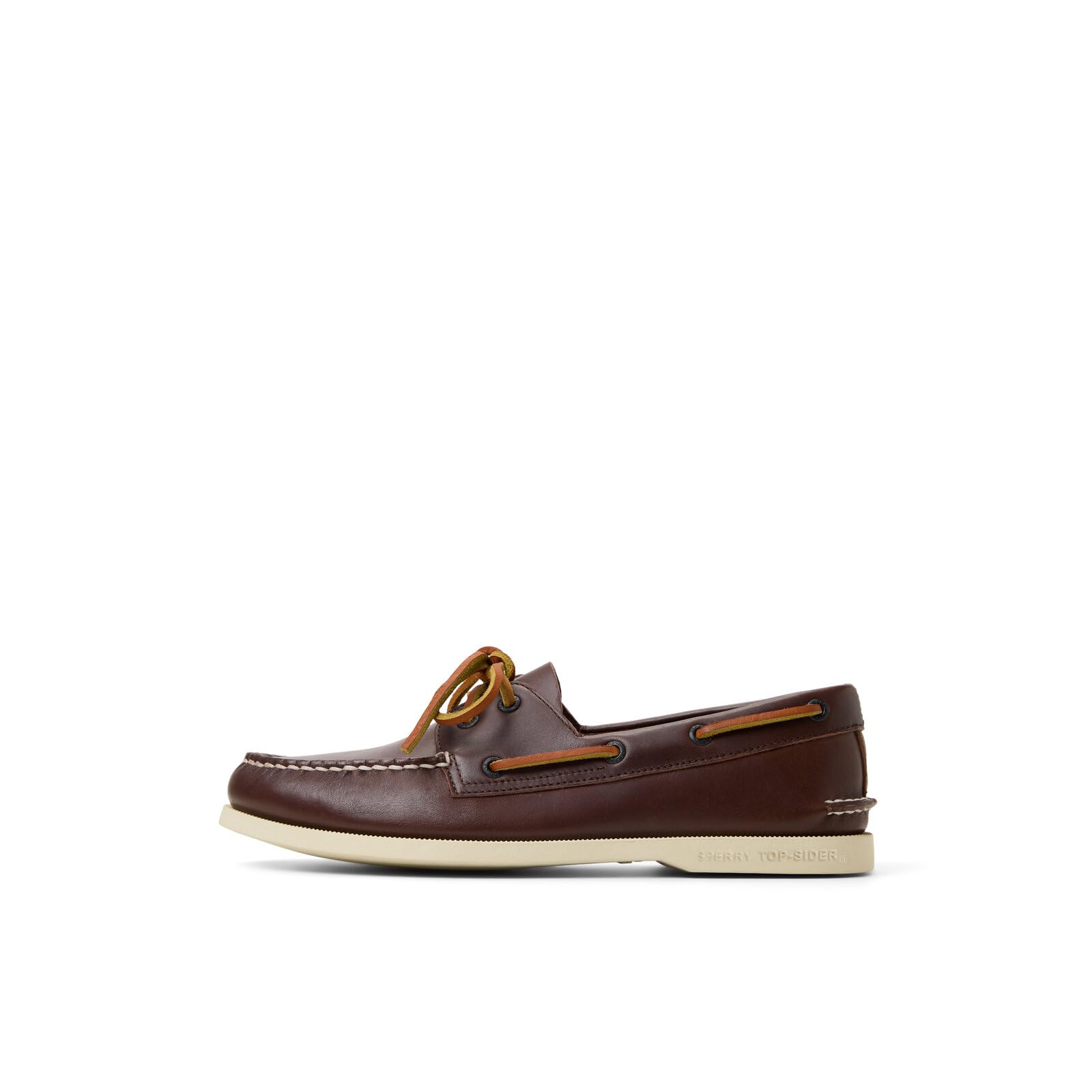


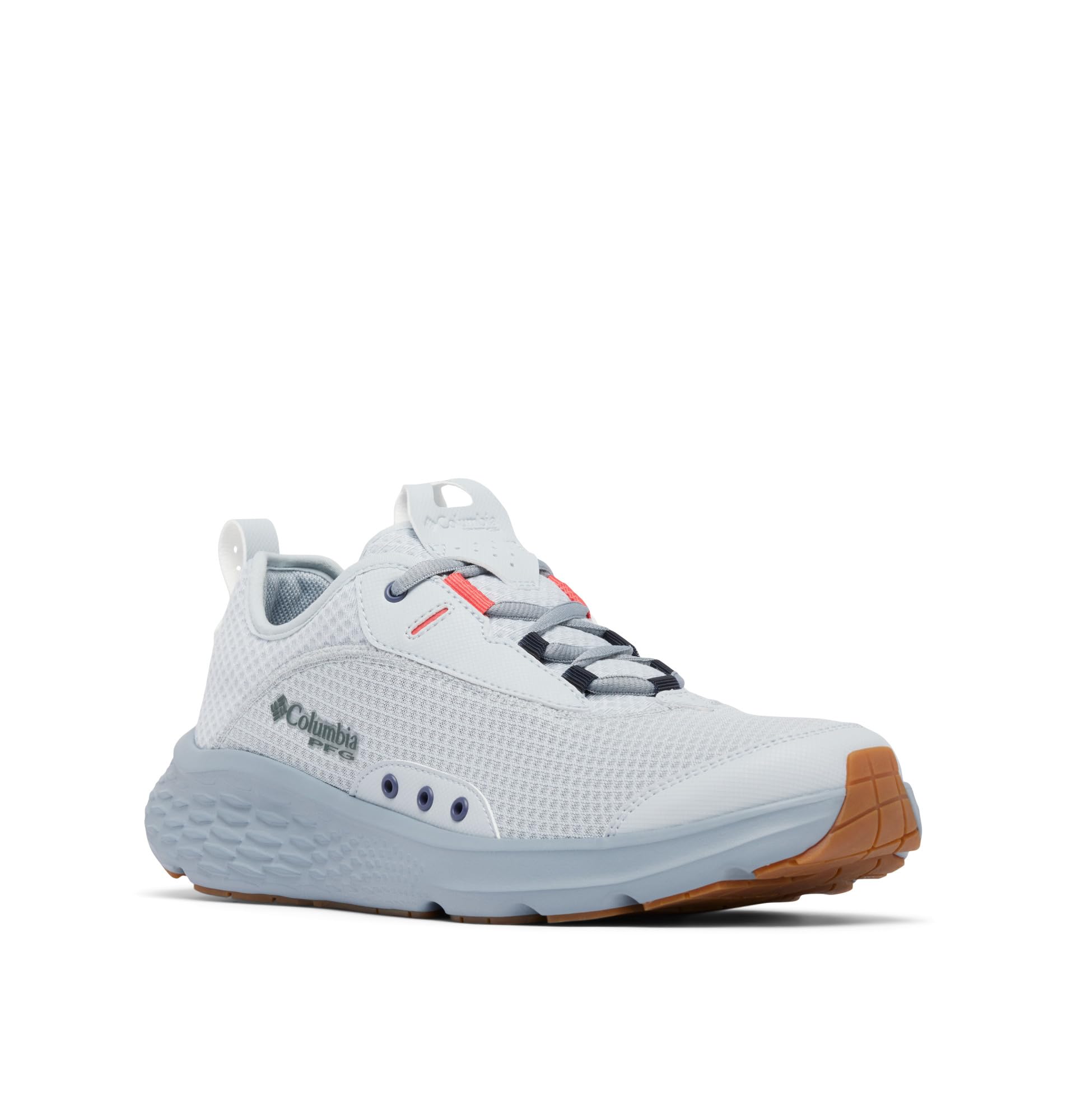

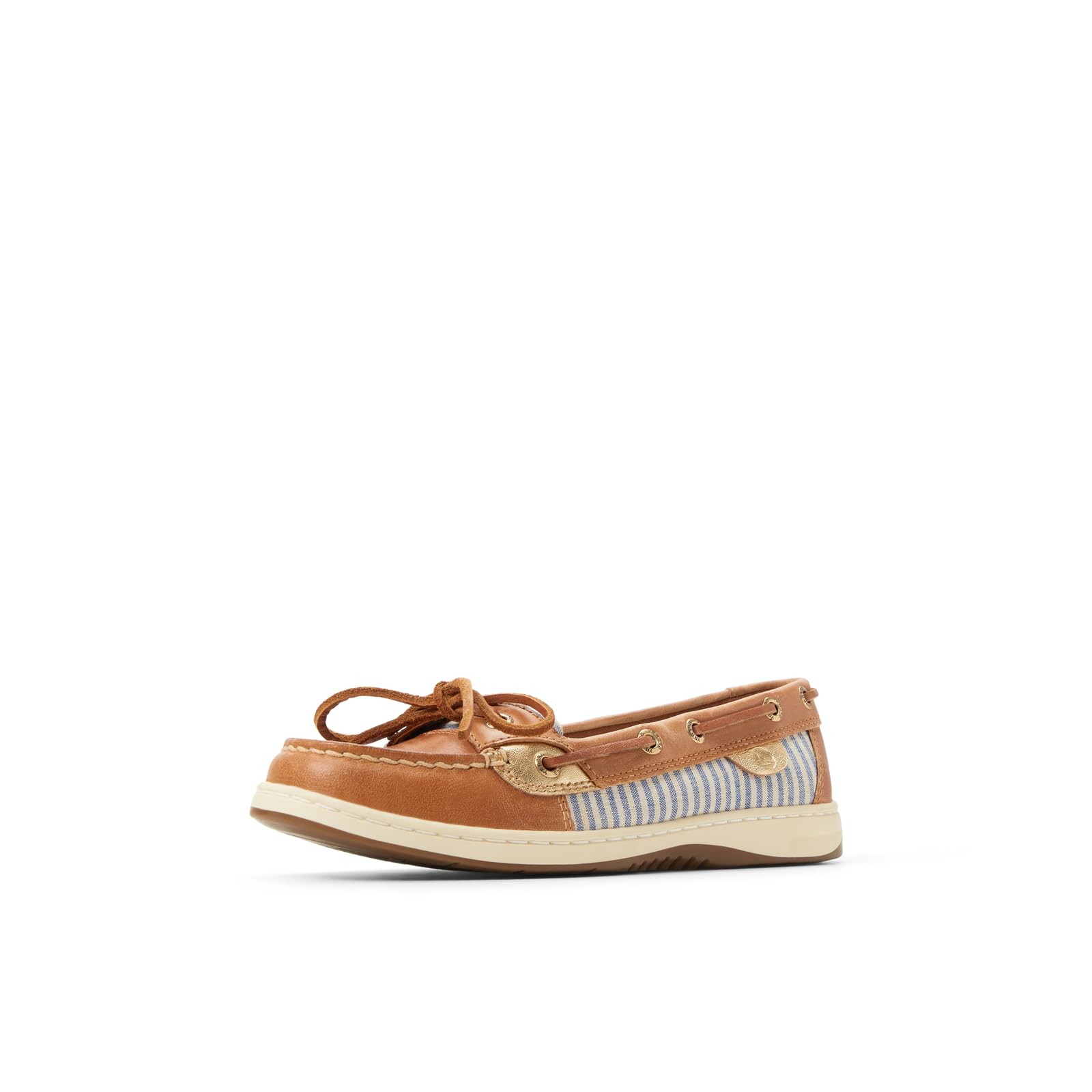

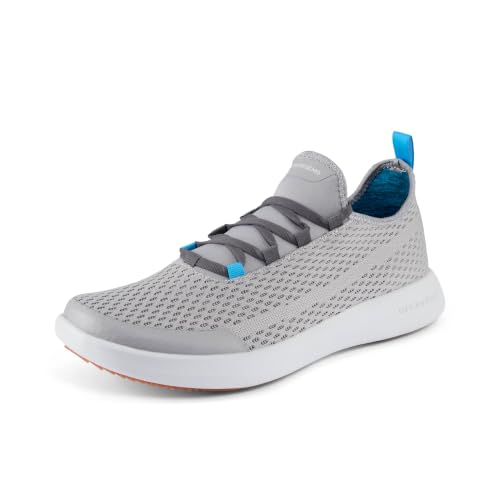
Types of Color Boat Shoes Compared
Color families behave differently in daily wear. Dark leather hides marks and dresses up. Light canvas stays cool and casual but shows every splash. The four families below cover nearly every pair you will see, and each one has a clear best use and a clear weakness.
Classic Tan and Brown Leather
Tan and brown leather is the original boat shoe look, and it remains the most versatile. A medium brown pairs with khaki, navy, olive, and denim without thinking, and leather develops a rich patina that hides small scuffs instead of showing them. This family suits you if you want one pair that works from the dock to a casual dinner.
The trade off is upkeep and break in time. Leather starts stiff, needs a few wears to soften, and asks for occasional conditioning to keep from cracking. Prices usually run about $70 to $150. If you are willing to do light care, this family gives you the longest useful life and the widest outfit range of any color.
Navy and Deep Tones
Navy, charcoal, and deep gray boat shoes read a step dressier than tan and hide dirt, dock grime, and water spots better than any light color. Navy is especially useful because it bridges the gap when brown feels too warm toned for an outfit built on black, gray, or cool blue. Deep tones suit commuters and anyone whose shoes see pavement as much as decks.
The weakness is fading. Sun and salt water lighten navy canvas and suede unevenly across a season, and dark leather shows salt lines that need wiping after wet days. Expect about $60 to $140 depending on material. Choose deep tones when low visibility of wear matters more to you than a bright summer look.
White and Light Neutral Colors
White, cream, and pale gray boat shoes give the cleanest summer look and make shorts and light trousers look sharp with almost no effort. They run cool, they photograph well, and light canvas versions are often the lightest and most breathable pairs in a lineup. This family suits warm climates and tidy dressers who rotate several pairs.
The cost is maintenance. Light colors show mud, grass stains, and coffee splashes immediately, and white leather yellows slowly with sun exposure. Plan on washing or wiping them often and keeping a backup pair for messy days. Prices run about $50 to $130. If you know you will not clean them, choose a darker family and save yourself the frustration. For a wider look at shade choices across footwear, see our guide to the best colors for shoes.
Bold and Seasonal Colors
Red, green, bright blue, and two tone designs are the personality option. A bold pair turns plain shorts and a plain shirt into an outfit, and seasonal colors let you match a team, a holiday, or a favorite jacket. They work best as a second or third pair, once your basics are covered, because their outfit range is narrower.
The risk is regret. Bold colors clash with more of your wardrobe than you expect, and they date faster as trends move. They also show fading clearly, since a washed out bright color looks tired sooner than a faded neutral. Most cost about $50 to $120. Buy bold only when you can already picture three outfits the pair completes.
Tan Leather vs Navy: Which Should You Choose?
Tan leather and navy are the two most common first purchases, and the choice comes down to wardrobe temperature and tolerance for marks. Tan leans warm and pairs naturally with khaki, olive, cream, and most denim. Navy leans cool and pairs with gray, black, white, and blue based outfits. If your closet runs warm, tan will match more of it. If your closet runs cool, navy will.
On upkeep, tan leather wins over a full season because its patina disguises wear, while navy canvas or suede fades in the sun. On formality, navy reads slightly dressier in the evening, while tan reads more classic in daylight. On water, both darken when wet, but tan dries back closer to its original shade. Still torn between color families in general? Our overview of the best boat shoes covers styles and materials beyond color alone.
How to Choose the Right Color Boat Shoe
Outsole Traction and Where You Walk
Boat shoe soles use thin siped cuts in the rubber to channel water and grip wet decks. That grip works on smooth wet surfaces, docks, boats, and rainy sidewalks, but the shallow tread wears smooth faster than a lugged sole and offers little hold on mud or gravel. If most of your walking is on pavement, sole wear matters more than color, and a darker shoe hides the pale worn edges of an aging sole better. Check the sole yearly and retire a pair when the cuts disappear.
Fit, Sizing, and Toe Box
Boat shoes are usually worn without socks or with thin no show socks, so fit runs closer than in other shoes. Measure your feet late in the day, when they are at their largest, and expect leather pairs to feel snug for the first few wears before they mold to your foot. Your toes should not press the front, and your heel should lift only slightly when you walk. If you are between sizes, canvas pairs forgive the smaller size better than leather, which can be exchanged up more easily than stretched.
Cushioning and Support
Traditional boat shoes have thin, fairly flat insoles. That low profile suits short walks and deck work, but it can tire feet on all day pavement wear. Removable insoles are worth looking for whatever color you choose, since they let you add arch support without changing the shoe. If you know you need real support, pick the color you like in a style with a cushioned footbed rather than forcing a classic flat design to do a job it was not built for. Men comparing structured options can also see the fit notes in our guide to the best boat shoes for men.
Water Resistance and Material
Most boat shoes are built to get wet and dry out, not to keep water out. Oiled leather sheds splashes and dries with its color mostly intact, while canvas absorbs water, dries fast, and fades a little with each soaking. Fully waterproof membranes exist but make the shoe warmer and less breathable, which is a poor trade for a summer shoe. Match the material to the color: light canvas plus frequent water equals visible stains, while dark oiled leather plus frequent water equals the easiest ownership.
How to Make Your Color Boat Shoes Last Longer
Rinse salt water off after dock days, since dried salt stiffens leather and leaves white lines on dark colors. Let wet shoes air dry at room temperature away from direct heat, stuffed loosely with paper to hold their shape. Rotate two pairs if you wear boat shoes daily, giving each pair a rest day to dry fully and hold its cushioning. Brush suede and canvas when dry, condition leather a few times a season, and keep light colors out of long sun exposure on a porch, where ultraviolet light yellows and fades them fastest.
FAQs
Are expensive color boat shoes worth it?
They are worth it when the extra money buys full grain leather and a stitched sole instead of glued construction. Those pairs last several seasons, can often be resoled, and hold their color better than cheap dyed leather that cracks at the creases. Past about $150, gains shrink and you are mostly paying for brand and finish. For a single summer of occasional wear, a mid priced pair is the smarter buy.
Can I wear color boat shoes all day?
You can, if the pair has a cushioned removable insole and you are mostly on your feet indoors or on flat ground. Classic flat designs tire arches after several hours of pavement walking, whatever their color. A practical test: if your feet ache by midafternoon in your current casual shoes, choose a boat shoe with visible footbed padding rather than the thinnest traditional profile.
Do I need waterproof boat shoes?
Usually no. Boat shoes are designed to get wet and dry quickly, and that cycle is normal for them. Waterproof membranes add heat and slow drying, which works against the shoe. The better question is color and material under water: dark oiled leather handles repeated soaking with the least visible damage, while light canvas stains. Choose waterproof only for cool, rainy climates where your feet stay dry on shore rather than wet on a deck.
How should color boat shoes fit?
Snug at first, especially in leather, with your longest toe just short of the front and no pinching across the widest part of your foot. Leather stretches about half a size in width over the first two weeks, so a pair that feels slightly tight in the store often ends up right. Canvas stretches less and should feel comfortable immediately. If your heel slides out with every step in the store, size down or choose another style, since heel slip causes blisters that no break in period fixes.
How often should I replace my color boat shoes?
Replace them when the sole tread is worn smooth, the leather cracks through at the flex points, or the insole stays flat and hard after a rest day. For daily wearers that is often one to two seasons for canvas and two to four for quality leather. Color is a secondary signal: fading alone does not end a pair, but fading plus odor that survives washing usually means the materials are breaking down.
Wrapping Up
Pick the color family that matches most of your wardrobe, then check sole grip, fit, and insole support before you fall for a shade. Tan leather is the safest first pair, navy is the low maintenance dressier option, and bold colors belong in the rotation after the basics. Compare the pairs in the product table above, and you will find the best color boat shoes for your closet, your climate, and your care habits.