
Best Color Hunter Boots to Get: A 2026 Checklist for Color, Fit, and Everyday Wear
Disclosure: We may earn a commission when you buy through links on this page, at no extra cost to you. As an Amazon Associate I earn from qualifying purchases. Learn more

Compare the best color hunter boots to get by finish, dirt, fading, sizing and calf fit, so your shade suits your wardrobe and weather.
Choosing a boot color sounds simple until you picture mud on the hem of your jeans, fading after a sunny season, or a bright shade that clashes with half your closet. This guide helps you pick the best color hunter boots to get for your routine, your wardrobe, and the weather you actually walk through. It covers finish, dirt, sizing, calf fit, traction, and rubber care in one place.
Use the comparison table below to line up colors, heights, and finishes side by side. Then work through the checklist sections under it, and you will know which shade deserves your money before you order.
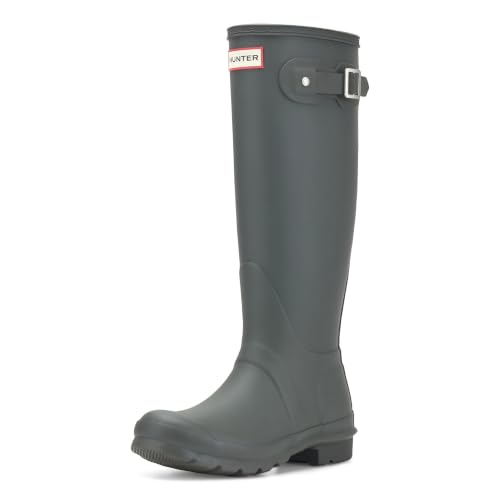
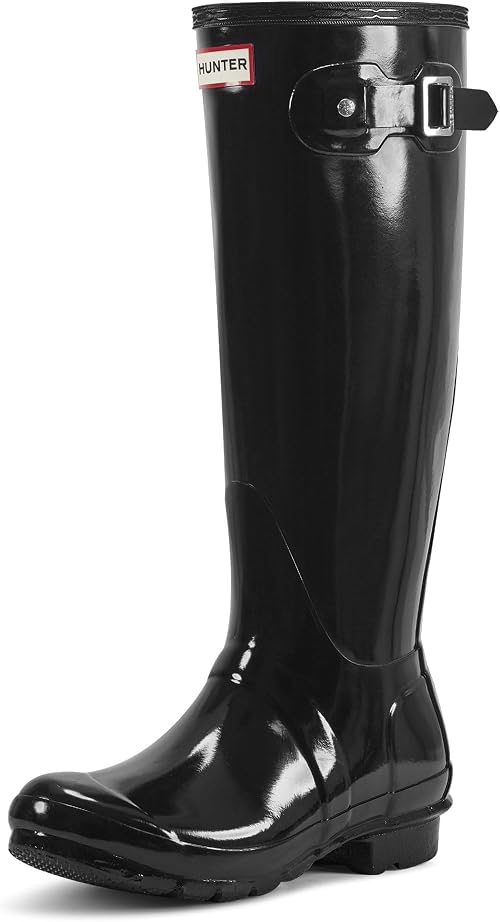


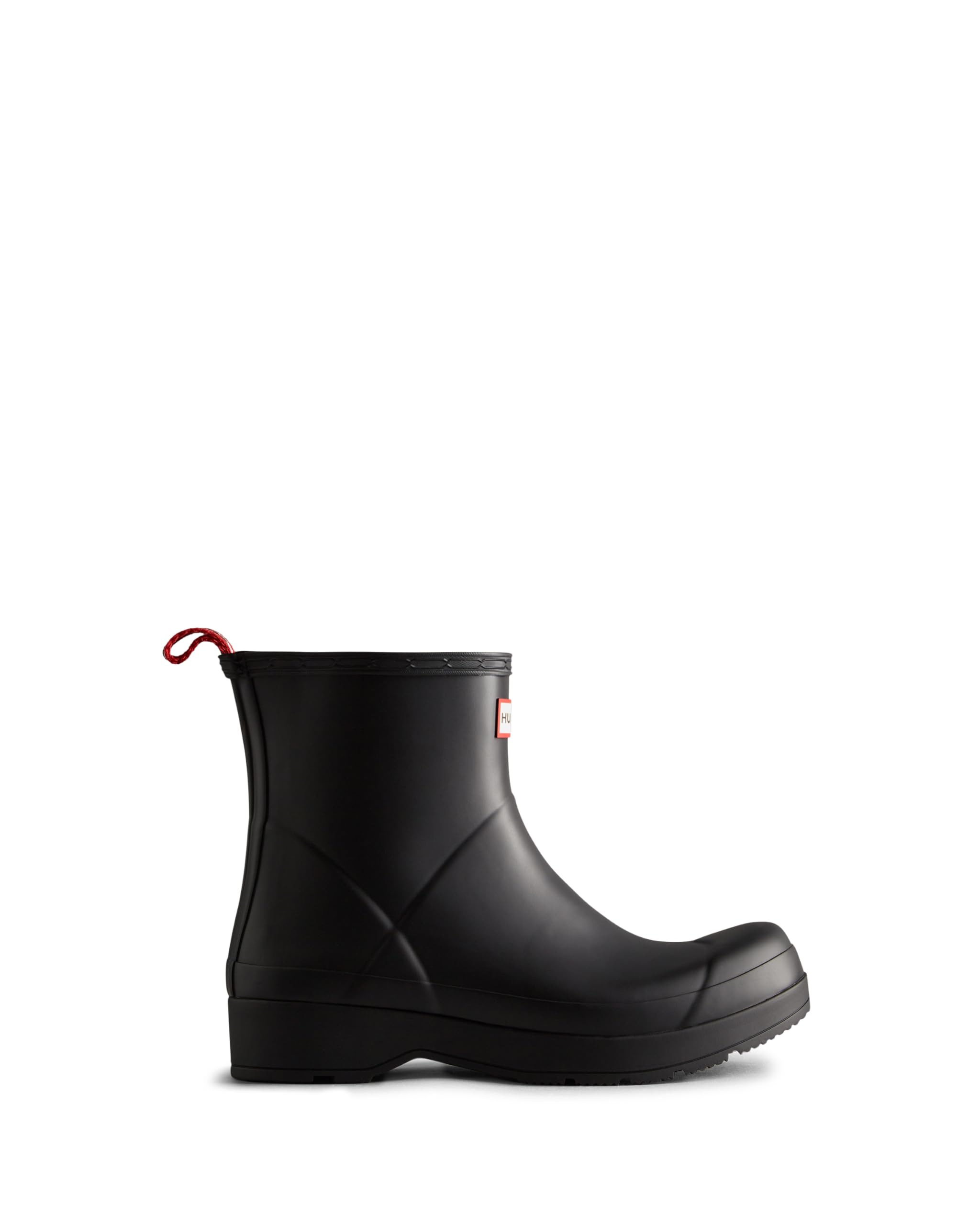

Who Should Buy Which Color of Hunter Boots?
Hunter boots are tall rubber rain boots, so color does more work than it does on a leather shoe. A large area of one shade shows dirt, scuffs, and fading clearly, and it becomes the boldest part of your outfit.
City Commuters Who Want One Pair for Everything
If your boots need to work with office coats, school runs, and weekend errands, black or navy is the safest direction. Both shades pair with nearly every coat color, look tidy after a quick wipe, and stay appropriate if your workplace expects a calm dress code. Matte finishes read quieter and more formal, while gloss finishes look sharper but show dried rain spots sooner.
Gardeners, Dog Walkers, and Muddy Trail Users
If your boots live in mud, choose a deep green, dark brown, or black shade that hides splashes between cleanings. Traditional deep green suits yards and countryside wear, and it hides grass stains better than any pale color. Avoid white, cream, and pastel shades for this job, because every splash shows and rubber picks up scuff marks that need scrubbing.
Festival Fans and Bold Dressers
If your boots are part of the fun, red, yellow, or a bright seasonal shade can be the right call. Bold colors stand out in crowds, photograph well, and make a plain raincoat feel deliberate. The trade off is versatility, since a bright boot limits the coats and dresses it pairs with and draws attention to every scuff.
Key Features to Compare Before You Choose a Color
Color should be the last decision, not the first. Two boots in the same shade can fit and feel very differently, so compare the features below first and let color settle the tie.
Gloss and Matte Finishes and How They Age
Gloss rubber has a shiny surface that wipes clean fast and makes colors look richer and deeper. Matte rubber has a soft, flat look that hides small scuffs and dried water marks better between cleanings. Sunlight slowly fades both finishes, and dark gloss shows that fading sooner because the contrast is stronger. If you store your boots near a sunny window, expect the outer side to lighten first, so a matte mid tone shade is the most forgiving choice for bright storage spots.
Fit, Sizing, and Toe Box Room
Measure your feet late in the day, when they are at their largest, and compare the numbers with the size chart for the exact style. Your toe box should let your toes lie flat and wiggle while wearing the thick socks you plan to use. Rubber does not stretch like leather, so a tight fit on day one stays tight.
Shaft Height and Calf Fit
Tall boots protect more of your leg from splashes, but the shaft must clear your calf without pinching when you sit or climb stairs. Measure your calf at its widest point over the pants you wear most, then compare it with the shaft opening listed for your size. Some styles offer a wider calf fit or an adjustable back strap, which helps if standard shafts feel tight. Shorter heights suit petite legs and drivers, since a tall shaft can press behind the knee in the car.
Cushioning, Arch Support, and Stability
Rain boots are built for wet ground, not for running, so cushioning is usually a simple foam footbed rather than athletic padding. If you walk long distances, look for a shaped insole with real arch support, or plan to add your own insert and size up to fit it. A firm, flat heel and a wide base give better stability on wet pavement than a narrow fashion heel. Readers comparing related rain styles can also see our guide to the best color hunter rain boots to get, which covers wet weather use in more depth.
Outsole Grip on Wet Surfaces
The outsole is the rubber tread that meets the ground, and its pattern decides how sure footed you feel. Deep lugs grip mud and gravel well but can feel clunky on smooth tile, while finer tread suits city pavement and station floors. Look for tread that channels water away from the center, since a flat worn patch hydroplanes on wet stone. Whatever color you love, skip any boot whose tread looks shallow if you walk on slopes or icy sidewalks.
Waterproof Rubber and Breathability Trade Offs
True rain boots are waterproof because the rubber shell has no stitched seams for water to enter, which is different from fabric waterproof boots that rely on a membrane such as Gore Tex. Rubber blocks water completely, but it also blocks airflow, so your feet will warm up and may feel damp from sweat on long walks. Buy these boots for rain, mud, and wet grass, not as neutral shoes for dry summer hikes.
How to Pick a Shade That Still Looks Good Next Season
Start with your coat. Hold the boot color in your mind against the coat you wear most in the rain, plus your usual pants, and count how many outfits the shade completes. A color that works with at least three of your regular outfits will get worn, while a fun shade that matches one outfit tends to stay in the closet.
Next, think about dirt honestly. Pale shades show mud splashes, road salt, and black scuff marks from car pedals and stair edges. Dark shades hide splashes but show pale dust, dried rain spots, and the white bloom that rubber sometimes develops. Mid tone shades such as deep green, burgundy, and navy sit in the forgiving middle, hiding a bit of everything without looking dull.
Finally, consider where the boots will be seen. Some workplaces and schools prefer quiet colors, and a bright boot can feel wrong at a formal event even in heavy rain. If you want one pair to serve everywhere for years, a classic dark shade in the core range is the practical anchor, and brighter pairs can come later as a second set.
Quick Buyer Checklist
Run through these questions before you order. Every yes brings you closer to the best color hunter boots to get for your routine, and any no points you to the section above that explains the fix.
- Does this color work with the coat and pants you wear most in the rain?
- Will this shade hide the dirt your routine creates, mud, dust, or road salt?
- Did you measure your feet late in the day and check the size chart for this style?
- Does the toe box fit over your thickest socks without pressing your toes?
- Does the shaft clear your widest calf point while you sit down?
- Is the tread deep enough for the wettest surface you cross each week?
- Do you have a cool, shaded storage spot away from radiators and sun?
- If this is a bright color, do you already own a neutral pair for formal settings?
Common Mistakes to Avoid
- Choosing a pale shade for muddy work, so the boots look dirty after the first outing and need scrubbing every week.
- Ordering your usual shoe size without socks, so the boot pinches once thick rain socks go on.
- Ignoring calf width on tall styles, so the shaft digs in when you sit, drive, or climb stairs.
- Buying a bright seasonal color as your only pair, so it clashes with formal coats and half your wardrobe.
- Storing rubber boots beside a heater or in strong sun, so the rubber dries, cracks, and fades on one side.
- Judging grip from photos alone, so a shallow tread surprises you on the first wet slope.
Readers who want the broader brand picture beyond color can see our guide to the best color hunter boots, which compares heights and styles across the range.
Care and Maintenance for Rubber Hunter Boots
Wipe mud off after wet outings with a soft cloth and plain water, before it dries into the tread and around the seams. Let the boots air dry at room temperature, standing upright with the shafts open, and keep them away from radiators and hair dryers, since direct heat makes rubber brittle.
Rubber sometimes develops a white powdery film called bloom, which is a natural wax rising to the surface and not a defect. Wipe it away with a damp cloth, and use a rubber care spray made for rain boots if it returns often. Store your boots upright in a cool, dark place, away from sunlight that fades color and from sharp objects that can cut the shell. Check the tread and heels each season, and retire the pair when the tread wears smooth, since no care routine can restore lost grip.
FAQ
Which Hunter boot color hides mud the best?
Deep green, dark brown, and black hide mud the best because dried splashes blend into dark rubber. Mid tone navy and burgundy come next, while white, cream, and pastels show every mark. Finish matters too, since matte rubber disguises dried spots better than gloss. If you rarely clean your boots between outings, pick a dark matte shade and save pale colors for city wear on paved streets.
Do Hunter boots run true to size?
Hunter boots generally follow standard sizing, but whole sizes only, so half size wearers should size up. Rubber gives very little, which means a boot that feels snug indoors will not relax later. Wear your intended rain socks when you try them, and walk on a hard floor to check heel slip. A small amount of heel movement is normal in tall rain boots, but your toes should never press the front.
Will bright Hunter boot colors fade over time?
Yes, bright colors fade slowly when boots sit in sunlight, and red and yellow shades tend to show it first. Fading usually appears on the side facing a window or on the front of the shaft. Storing boots in a dark closet and turning them now and then keeps the color even. A rubber care spray with UV protection, sold for rain boots, slows the process if your storage spot is bright.
Can you wear Hunter boots all day comfortably?
You can wear them all day for errands and events, but they are heavy compared with walking shoes and the rubber traps warmth. For long walking days, add a cushioned insole and moisture managing socks, and take breaks on very warm days. If your day is mostly dry indoors, a waterproof ankle boot will usually feel fresher by evening.
Are matte or gloss Hunter boots easier to keep clean?
Gloss boots rinse clean fastest because mud slides off the smooth surface with plain water. Matte boots need a bit more wiping, and dried mud can sit in the flat finish until you scrub gently. The trade off is appearance between cleanings, since gloss shows every dried rain spot while matte hides them. Choose gloss if you clean often, and matte if you would rather the boots look tidy with less effort.
Final Thoughts
The right color is the one that matches your weather, your wardrobe, and your cleaning habits, in that order. Dark matte shades serve muddy routines, classic gloss colors suit city wear, and bright pairs reward anyone who treats boots as part of the outfit. Check the product table above once more against the checklist, measure your calf and feet before ordering, and the best color hunter boots to get for your life will be an easy call.


