
Best Color Hunter Rain Boots to Get for 2026: What Actually Matters Before You Buy
Disclosure: We may earn a commission when you buy through links on this page, at no extra cost to you. As an Amazon Associate I earn from qualifying purchases. Learn more
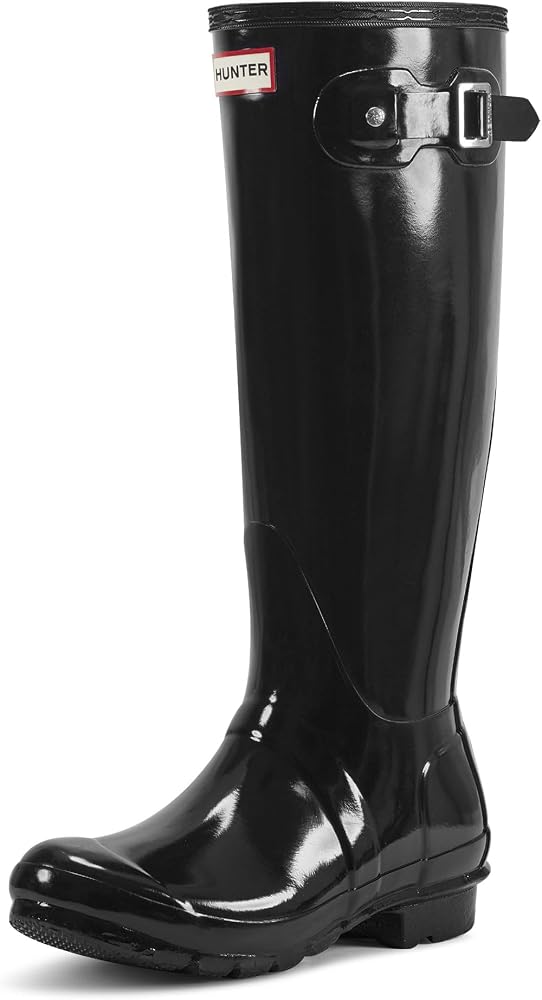
Choosing the best color hunter rain boots to get comes down to color, finish, fit, and lining. Use this checklist to compare options and order with confidence.
Hunter rain boots come in a wide range of colors and finishes, and the pair that looks perfect in a product photo can feel wrong once it meets your wardrobe, your commute, and your local weather. Choosing the best color hunter rain boots to get is really about matching color, finish, fit, and lining to the way you will actually wear them.
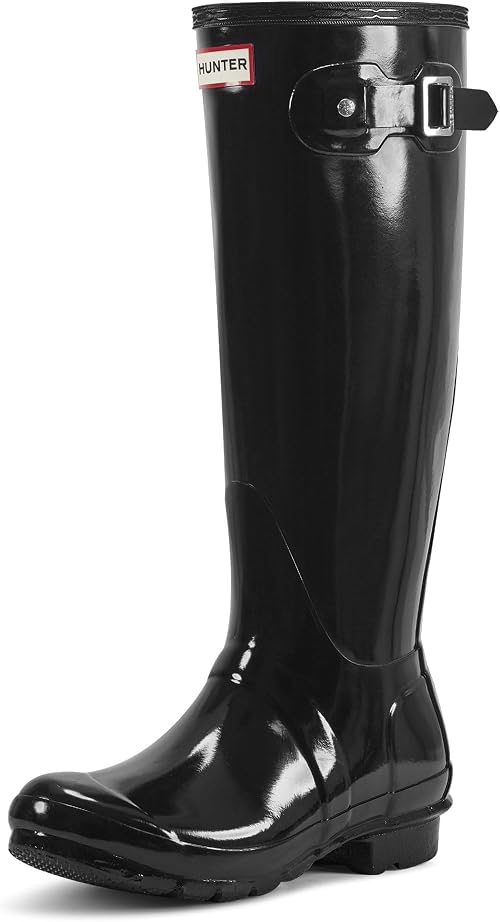
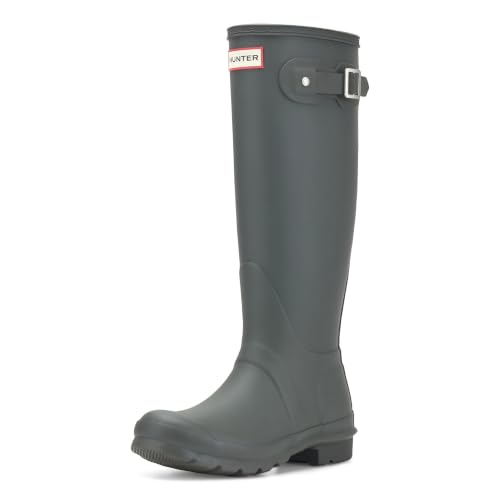
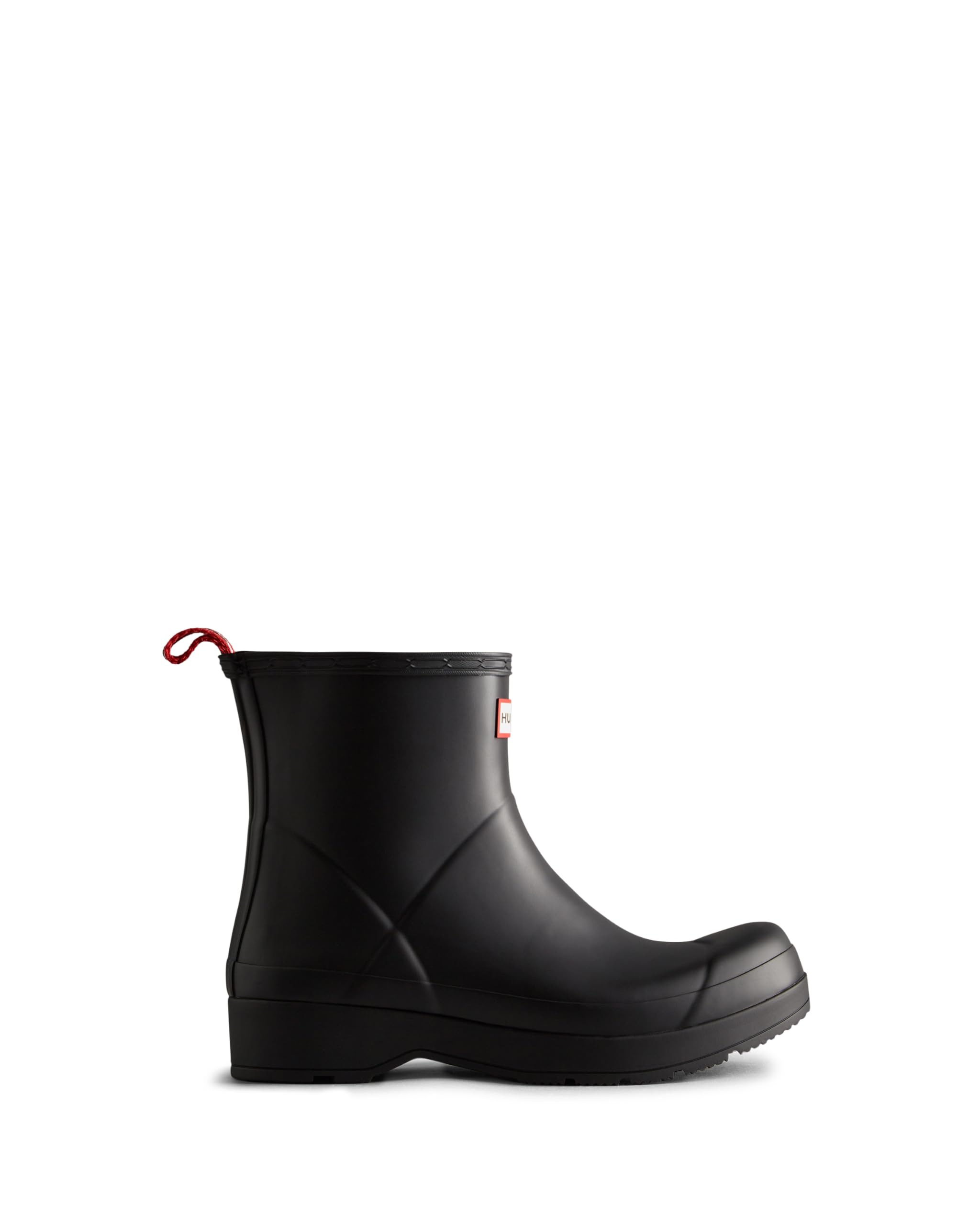
This guide walks through a simple checklist you can apply to any color or style before you order. Work through the fit and build points first, then use the color guidance to narrow the shade. The comparison table below pulls the main options together so you can check heights, finishes, and linings at a glance.



A Practical Checklist for Judging Color, Fit, and Build
A color only works if the boot underneath it fits well and holds up. Run every option in the product table above through the six checks below, in this order, and most wrong choices will fall away on their own. If you want to see the full Hunter rain boot range before narrowing by color, see our guide to the best rain boots hunter for the complete lineup of heights and styles.
Fit, Sizing, and Toe Box
Measure your feet late in the day, when they are at their largest, wearing the socks you plan to use in wet weather. Hunter boots are built on a fairly roomy last, so most people take their usual shoe size, but the toe box should still leave about a thumb width of space in front of your longest toe. If you fall between sizes, the larger size with a thicker sock or an added insole usually feels better than a smaller size that pinches. On tall styles, check the shaft circumference against your calf measurement plus room for pants.
Cushioning and Support
Rain boots are not built like running shoes, and the cushioning comes mainly from the molded footbed and the rubber underfoot rather than from foam. Look for a contoured insole with real arch support if you will stand on pavement for long stretches, because a flat insole lets your feet tire quickly. Rain boots have almost no heel to toe drop, which keeps your stance level and adds stability on slick ground. If you have high arches, plan on a supportive replacement insole, and size the boot with that insole in mind.
Durability and Expected Lifespan
A well made rubber boot should last for years of regular wear, and the weak points are predictable. Natural rubber that stays flexible resists cracking at the toe flex point far longer than stiff synthetic blends, which can split after a season or two of bending. Check that the sole is bonded evenly with no gaps along the seam, since that seam is where water finds its way in first. Dark shades hide scuffs and road grime, while pale shades show every mark, so a light color may look worn long before the boot itself wears out.
Upper Materials and Finish
The upper on a Hunter rain boot is vulcanized natural rubber, which is what makes these waterproof boots fully sealed without any membrane. Unlike hiking boots that rely on a waterproof layer such as Gore Tex, the rubber shell itself keeps water out, so there is no coating to wear away. Finish changes both the look and the upkeep. A matte finish hides scratches, a gloss finish shows water spots more clearly but wipes clean in seconds, and metallic finishes can show wear at flex points sooner. Rubber can also develop a pale film called blooming, which is harmless and wipes off.
Outsole Traction and Terrain
The outsole decides how secure you feel on wet pavement, muddy paths, and slick station platforms. A deeper lug pattern grips soft ground and sheds mud as you walk, while a flatter tread feels steadier on smooth wet concrete but can pack with mud and lose grip. Look for wide channels between the lugs, since those channels push water aside and help the rubber make contact with the ground. If most of your walking is on city sidewalks, moderate lugs are plenty. If you cross fields or a muddy yard daily, choose the most aggressive tread offered in the color you want.
Weight and Flexibility
Rubber boots carry more weight than fabric shoes, and a tall pair can feel heavy by the end of a long day. Shorter ankle and Chelsea styles cut a good deal of that weight and pack more easily for travel. The rubber should bend at the ball of the foot without fighting you, and the shaft should flex slightly as your calf moves rather than digging in at the top edge.
Choosing a Color and Finish That Fit Your Life
Once a boot passes the checklist above, the search for the best color hunter rain boots to get becomes a question of shade and finish, and that choice deserves the same honest thinking. Start by looking at the coats and clothes you wear most in wet weather, because the boot has to live with them. Our companion piece on the best color hunter boots looks at the shade range across the whole Hunter line, and it is a useful reference while you weigh the options below.
Classic Colors for Everyday Wear
Black, navy, and the traditional dark green remain the safest choices for daily wear, and there are practical reasons beyond taste. Dark colors hide mud splashes, road salt marks, and scuffs from curbs, so the boots look presentable with far less cleaning. They also pair with almost any coat color, which matters if this will be your only pair. If your boots must take you from a rainy commute straight into an office or a school run, start with these shades.
Bright and Glossy Colors That Stand Out
Red, yellow, pink, and other bright shades turn a practical boot into the part of the outfit people notice, and Hunter has long been known for them. A gloss finish makes these colors look richer and wipes clean quickly after a muddy walk, which suits festival grounds, gardening, and dog walking. The trade off is visibility of wear. Gloss shows fine scratches and dried water spots more readily than matte, and very bright shades can fade unevenly if the boots live in direct sunlight. Choose a bright color when you enjoy the statement and accept a little extra wiping down.
Matching Color to Season and Rotation
Think about when the boots will actually be worn. A dark tall pair earns its place through autumn and winter storms, while a lighter short pair in a softer shade suits spring rain and travel. Most styles cost about $110 to $175 depending on height and finish, so a second pair is a real budget decision. If you can only buy one pair, pick the color that suits the season when you walk the most. Readers comparing shades across heights will also find our guide to the best color hunter boots to get helpful, since it groups the color options by boot style.
Quick Buyer Checklist
Before you order, answer each question below honestly. A no on any of the first four is a reason to keep looking rather than to settle.
- Have you measured your feet late in the day while wearing your wet weather socks?
- Does the toe box leave about a thumb width of room in front of your longest toe?
- Does the shaft circumference fit your calf with room for the pants you wear most?
- Is the upper natural rubber rather than a vague synthetic blend?
- Does the outsole tread match the ground you walk on most, mud or pavement?
- Have you checked this color against the coats already in your closet?
- Do you know whether you prefer a matte or a gloss finish, and the upkeep each one needs?
Red Flags to Watch For
Rain boots are widely copied, and a low price on a lookalike pair usually hides a real compromise. Watch for these warning signs while you compare listings.
- The listing describes the upper only as rubber look or waterproof material, which usually means a stiff synthetic that cracks at the flex point within a season.
- There is no information about lining or shaft height, which makes it impossible to judge warmth or calf fit before the boots arrive.
- The price sits far below the usual range for genuine Hunter boots, a common sign of counterfeits with thin rubber and weak sole bonding.
- Photos show uneven sole seams or glue lines, and boots built that way tend to leak at the seam in the first heavy rain.
- The seller offers no returns, leaving you stuck if the color differs from the photos or the calf fit is wrong.
How to Make Your Hunter Rain Boots Last Longer
Rinse mud and road salt off your boots after wet walks, since dried grit works into the rubber surface and dulls the finish over time. Let them dry at room temperature away from radiators and direct heat, because heat makes natural rubber brittle and can crack the surface. A damp cloth removes the pale blooming film that sometimes appears on rubber, and a silicone based rubber care spray can restore the original tone on matte and gloss finishes alike.
Store the boots upright in a cool spot out of direct sunlight, with the shafts supported so they do not fold over and crease. Tall boots keep their shape best with boot trees or a rolled magazine inside each shaft. With this simple routine, a good pair should stay waterproof and presentable for many seasons.
Your Questions About Hunter Rain Boots, Answered
Can I wear Hunter rain boots all day?
Yes, most people can wear Hunter rain boots all day, as long as the fit leaves room for your toes and you are not walking long distances on hard ground. The flat sole and modest cushioning suit errands, commutes, and standing work better than hours of continuous walking. For a full day on your feet, add a cushioned insole with arch support, and swap to dry shoes once you are indoors for the rest of the day.
How long is the break in period for Hunter rain boots?
Most Hunter rain boots need only a few outings to break in, since natural rubber softens and molds to your foot and calf fairly quickly. The shaft and the area across the toes feel stiffest at first. Wear the boots around the house with your usual socks for short periods before a long walk. If the top edge rubs your calf, taller socks solve it in almost every case while the rubber relaxes.
How often should I replace Hunter rain boots?
Replace Hunter rain boots when the tread has worn smooth, the rubber cracks at the flex point, or water starts seeping through the sole seam. For most wearers that point arrives after several years rather than a single season, especially with regular rinsing and proper storage. A useful test is to stand in a shallow tray of water for a minute. If your sock comes out damp, the boot has done its service.
Are expensive Hunter rain boots worth the higher price?
Higher priced Hunter rain boots are worth it when the extra cost buys natural rubber, a better lining, and the finish you will actually enjoy wearing. Price differences within the range mostly reflect shaft height and special finishes rather than waterproofing, since even the simplest style seals out water the same way. If budget matters, a classic color in a standard finish gives you the same shell and sole for less.
Do Hunter rain boots need waterproofing treatments?
No, Hunter rain boots do not need waterproofing treatments, because the vulcanized rubber shell is waterproof on its own rather than relying on a surface coating. Sprays sold for leather or fabric boots add nothing here and can leave residue on gloss finishes. What the rubber does benefit from is cleaning and conditioning, which keep it flexible and slow surface cracking. If a boot starts leaking, the cause is almost always a crack or a failed seam, and sprays will not fix either problem.
How should Hunter rain boots fit?
Hunter rain boots should fit snugly at the heel and midfoot with clear space in front of your toes, and the shaft should hug your calf without pinching. A small amount of heel lift is normal in a pull on boot and settles once you walk. Your toes should never press against the front when you walk downhill, because wet socks make that pressure feel worse over a day. When in doubt between two sizes, take the larger one and adjust with socks or an insole.
Final Thoughts
The right choice comes down to three things: a fit that leaves room for socks and toes, an outsole matched to the ground you walk on, and a color and finish you will happily pull on every wet morning. Work through the checklist, compare your shortlist against the product table above, and let your wardrobe cast the deciding vote on shade. Get those points right and the best color hunter rain boots to get becomes an easy, confident order. Prices and availability can change, so check the product page before ordering.


