
Best Collapsible Rowing Machine 2026
Disclosure: We may earn a commission when you buy through links on this page, at no extra cost to you. As an Amazon Associate I earn from qualifying purchases. Learn more

How to choose the best collapsible rowing machine: fold styles, resistance types, rail length and storage space for small homes.
A rower that never folds away ends up as a very expensive coat rack, which is why the best collapsible rowing machine is the one that stores in seconds and still feels solid mid stroke. Folding saves floor space, but it also adds a hinge, a lock, and sometimes a shorter rail, so the details of the fold matter as much as the resistance.
The product table above lines up folding models by resistance style and price, and the sections below explain how to read it: how each type folds, what to measure in your room, and which parts wear first. Folding rowers in the table mostly run from about $190 to $500, with a few premium machines costing more.
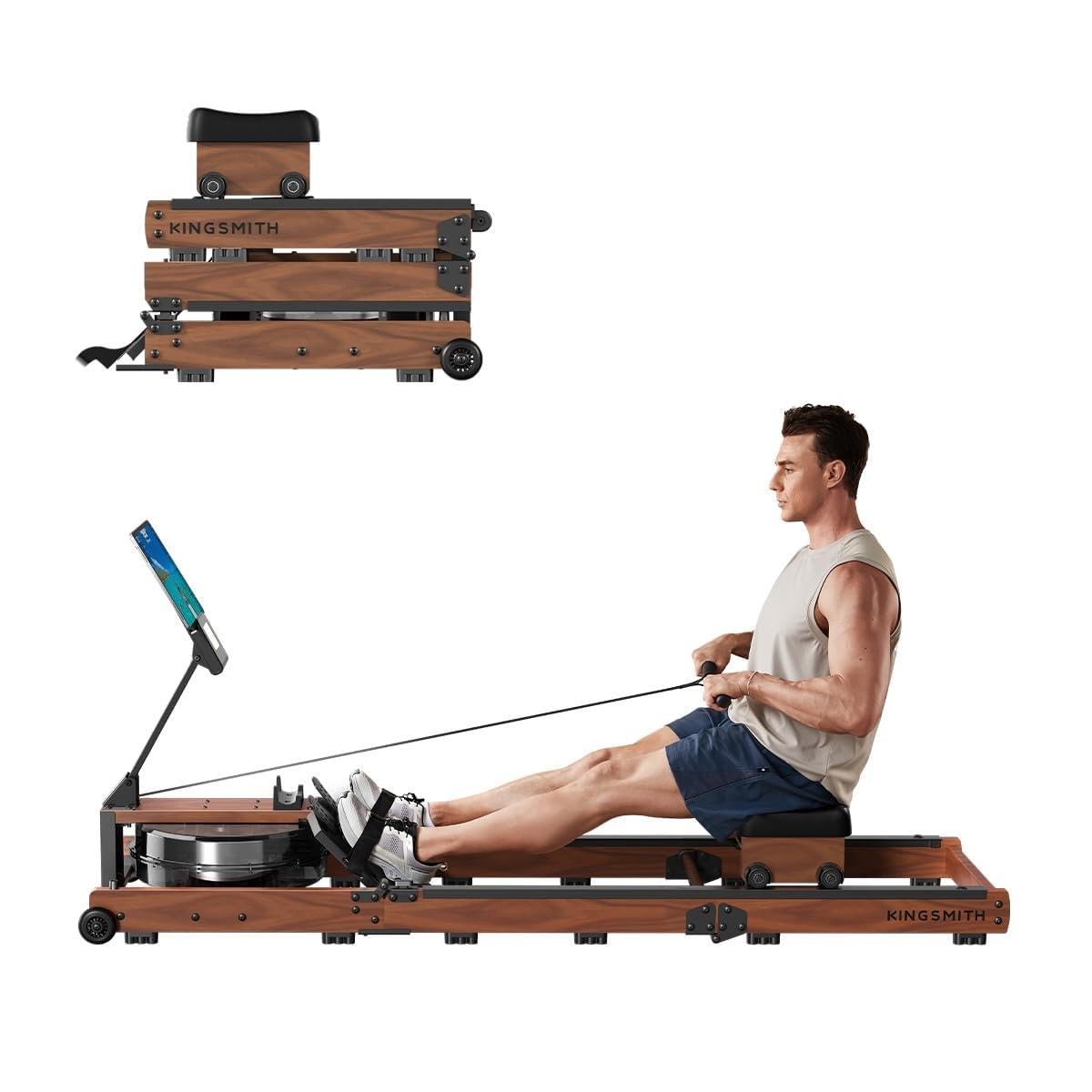
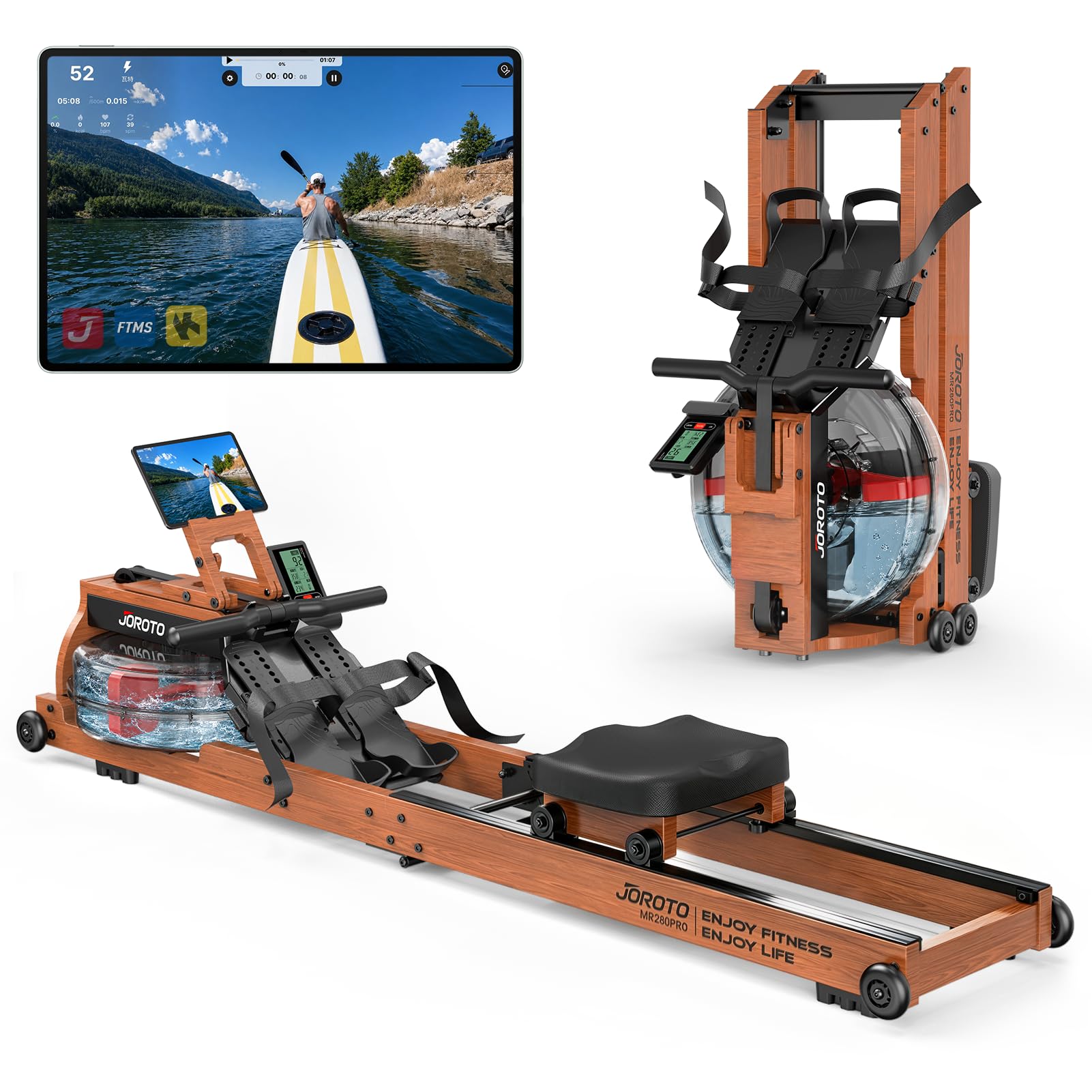
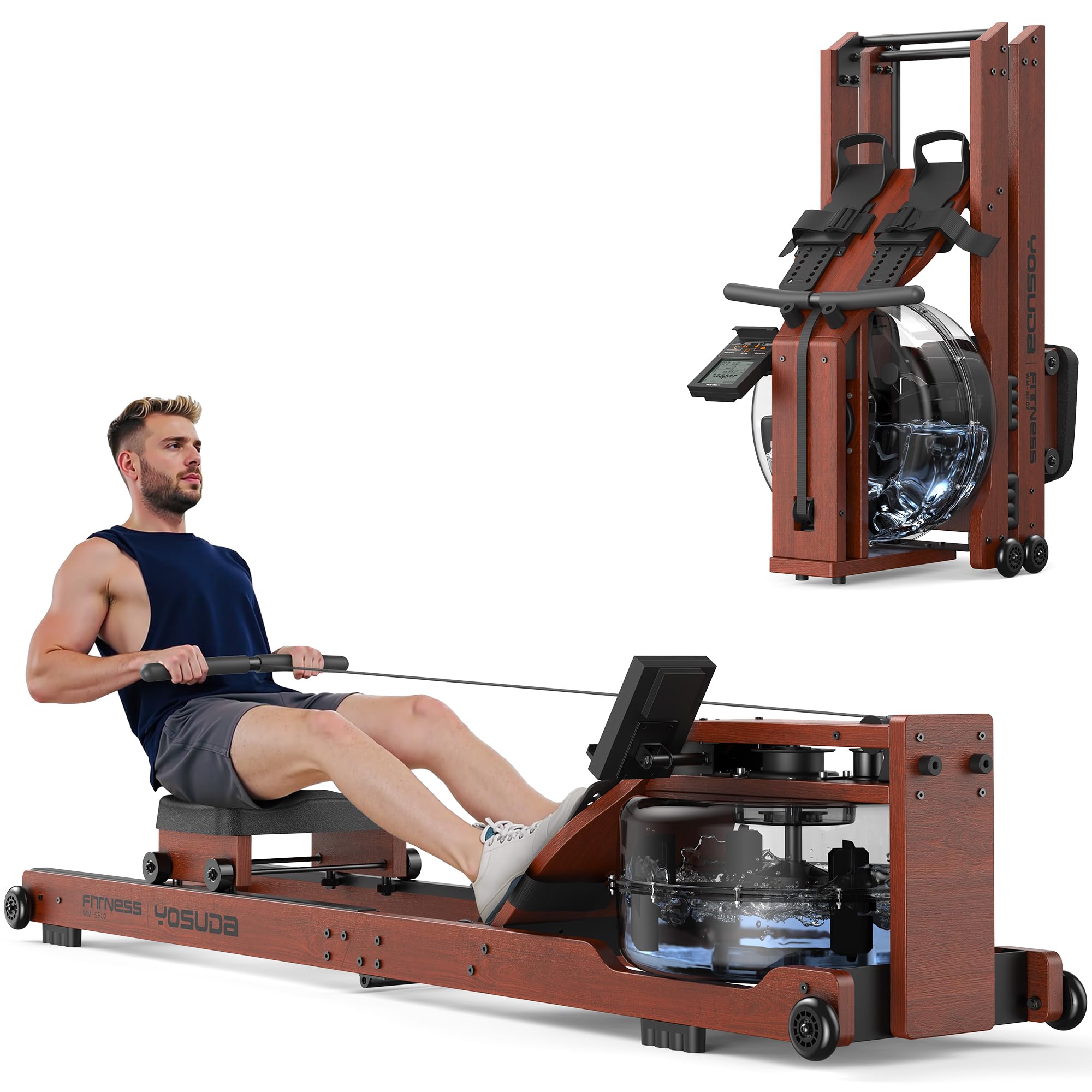
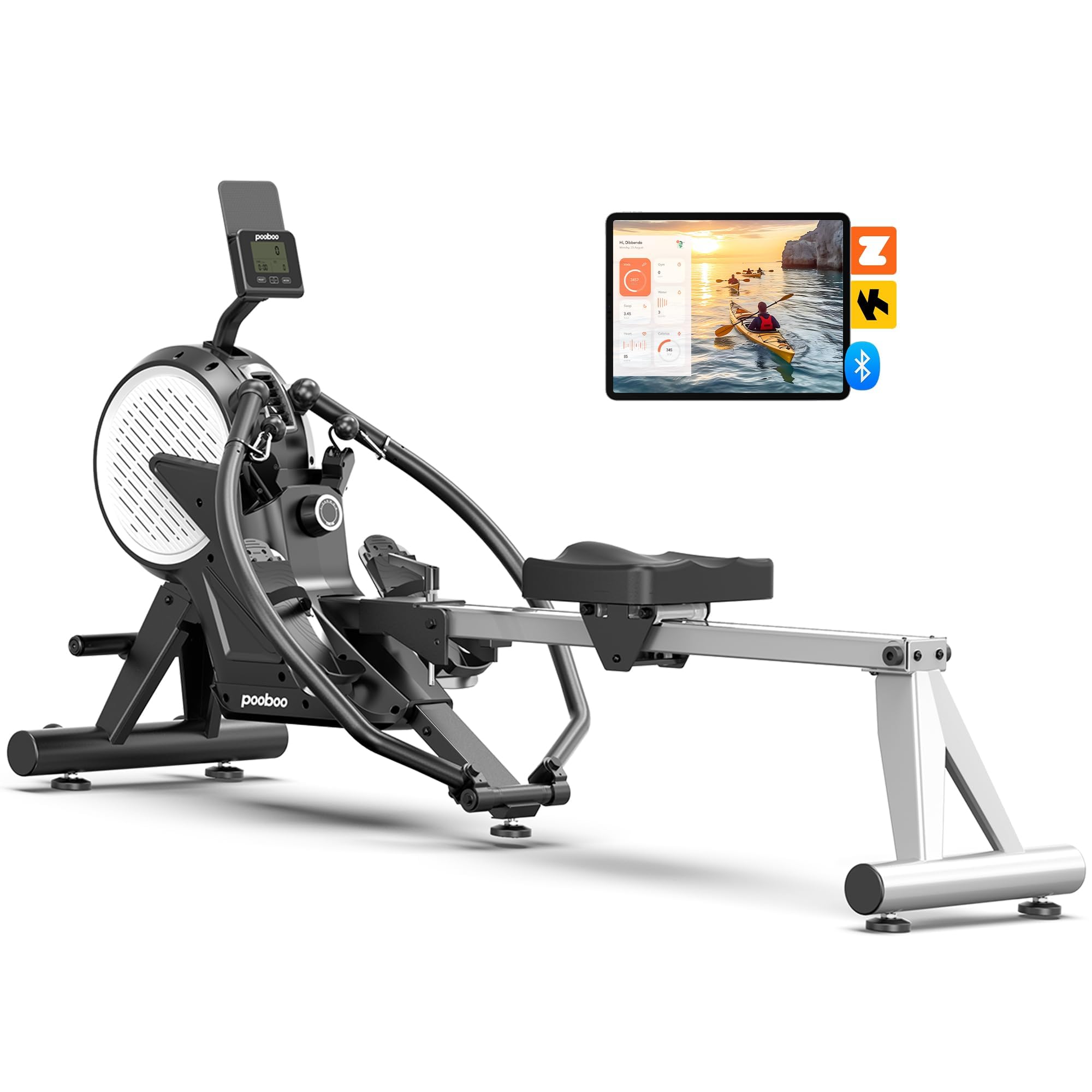
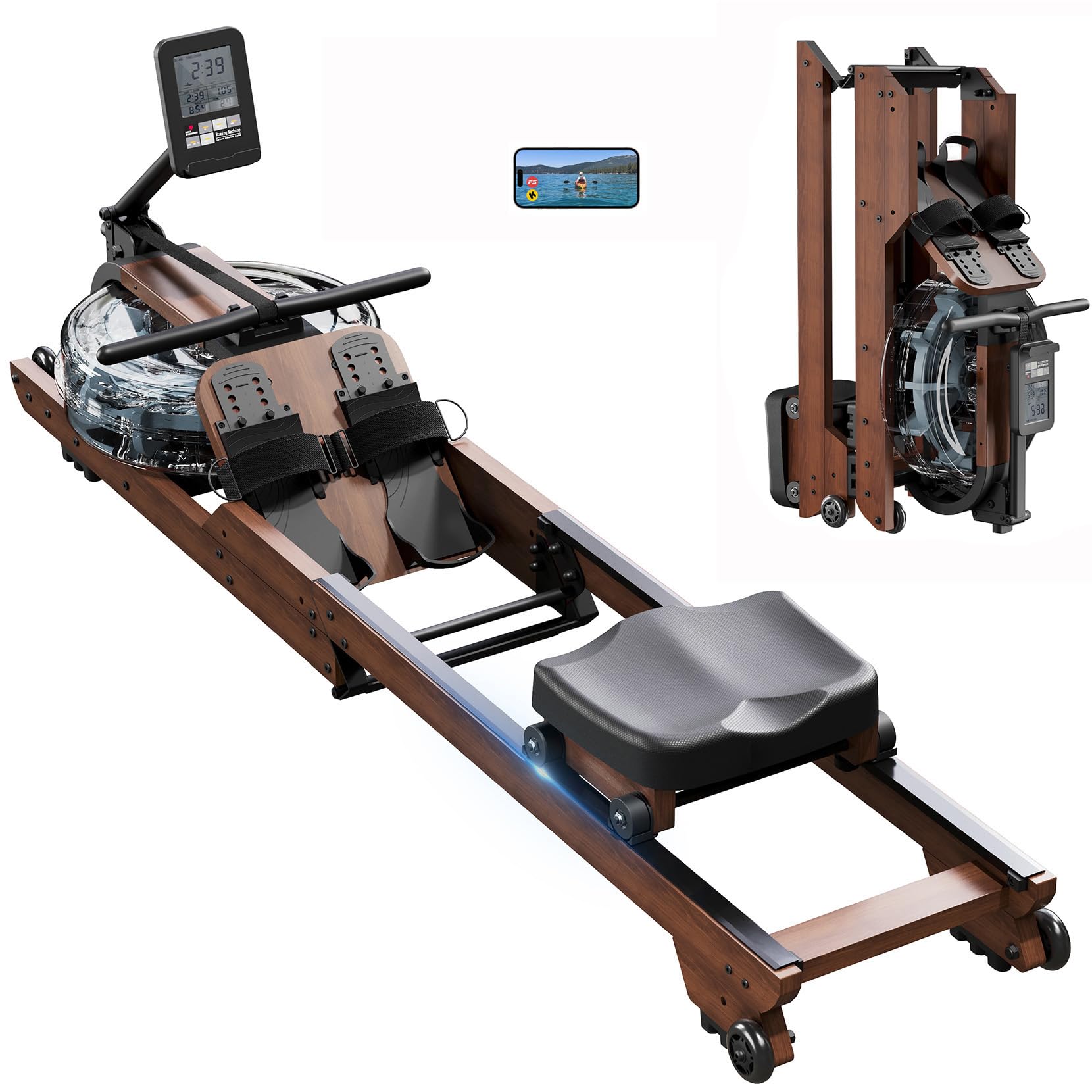
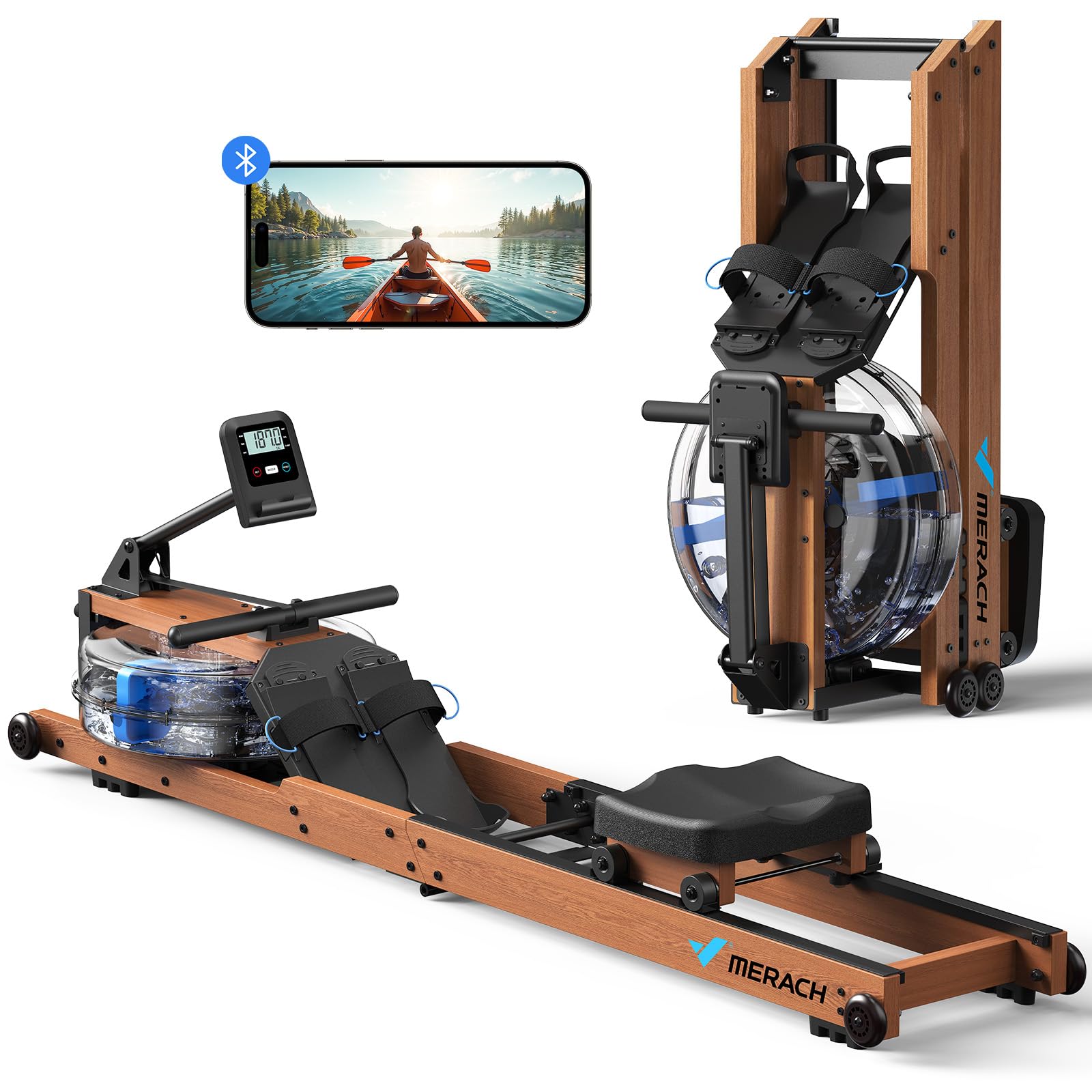
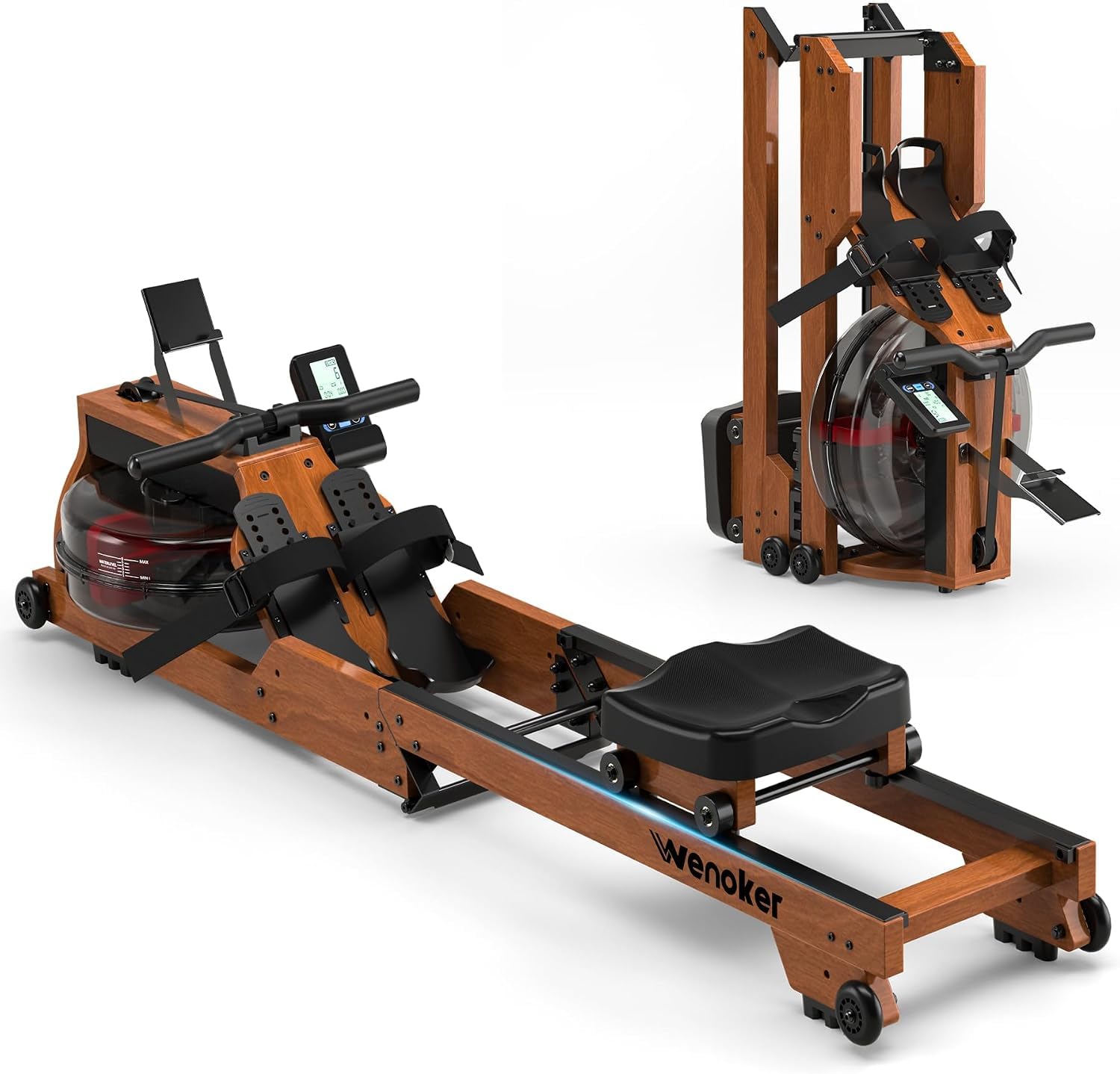


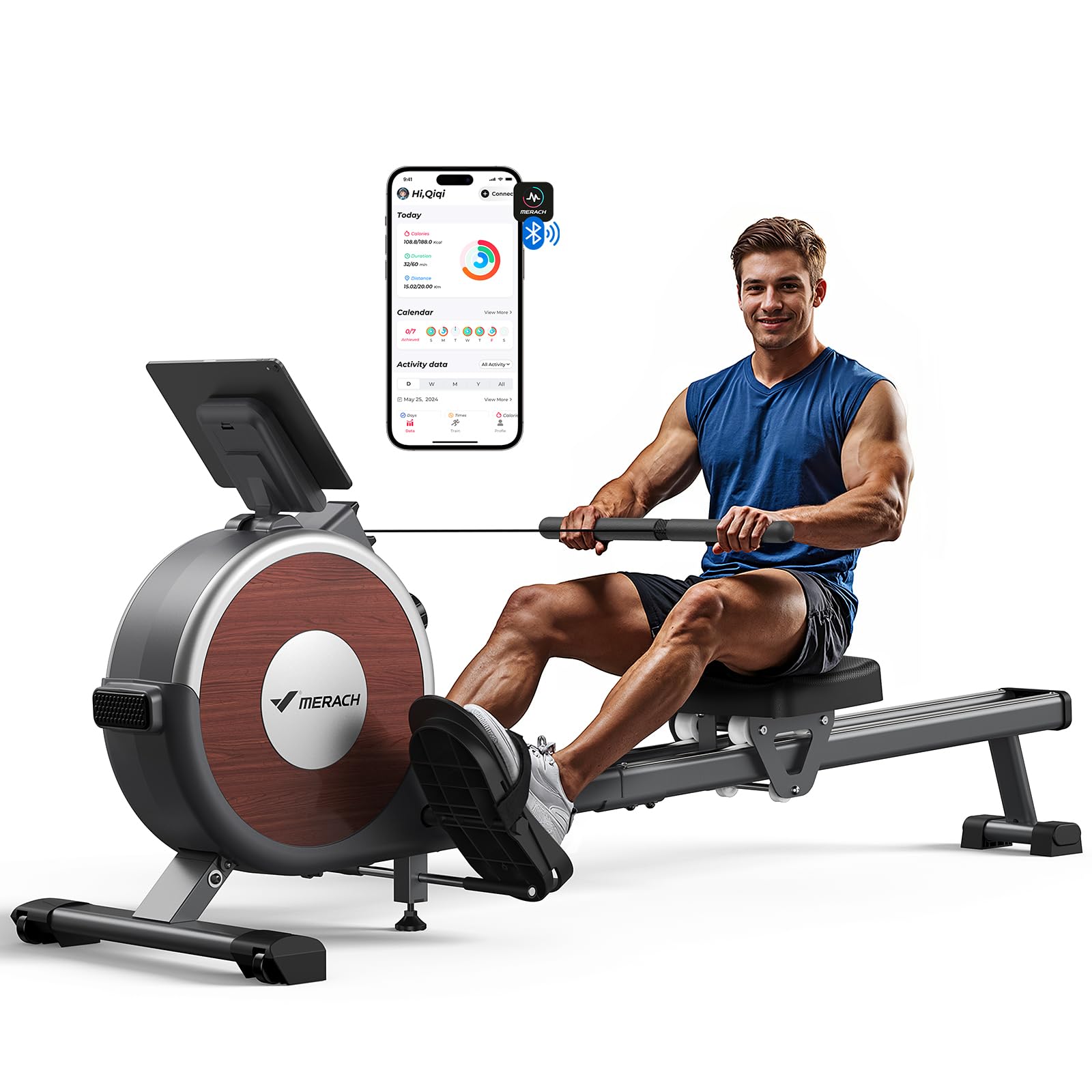
How Collapsible Rowing Machines Fold
Not every folding rower collapses the same way, and the method decides where it can live between workouts. Knowing the three common designs makes the listings much easier to read.
Rail Hinge Models
Most budget and mid priced rowers bend or pivot at the middle of the rail so the machine halves in length. They stand upright against a wall on a small footprint, usually on transport wheels at the front. The weak point is the hinge itself, so look for a metal hinge with a positive lock rather than a thin plastic pin.
Upright Storage Models
Some rowers tilt up on their rear leg and rest on the front foot plate. The rail stays one piece, which feels more rigid during use, but you need clear wall space and enough ceiling height to stand the machine up. Measure the room before you order, because the upright height is usually the larger figure.
Split Rail and Detachable Models
A few machines, including some of the best known air rowers, come apart into two sections that slide together. They are very sturdy once assembled, though splitting and rejoining takes longer than flipping a hinge. They suit people who want gym feel and can accept a short setup routine, and our guide to the best quality rowing machine covers that end of the market in more depth.
Resistance Types That Fold Well
Resistance style changes the feel of the stroke, the noise level, and the size of the machine when folded. Match it to who shares your home.
- Magnetic: Quiet and compact, with adjustable levels that suit shared flats and early morning sessions. Magnetic machines are the most common folding design.
- Water: A paddle spins inside a tank, which gives a smooth, natural feel and a soft swooshing sound. The tank adds weight, so check whether it can stay filled when the machine is folded.
- Air: A flywheel with fan blades gives resistance that rises as you pull harder, similar to what serious rowers use. Air machines are louder, and they need more airflow around the front end.
- Hybrid: Some folding models pair air and magnetic resistance, letting you pick quiet sessions or a harder pull from the same machine.
Measuring Before You Buy
Three measurements prevent most returns. First, the length of the machine in use, which is the space you need on the floor with room behind the seat for a full stroke. Second, the folded footprint and height, compared with the closet, corner, or wall where it will rest. Third, the width of every doorway and the stairs on the way to the room, because a boxed rower is long and awkward to carry.
Also check the user height range the maker lists. Taller rowers need a long enough rail for full leg drive, and a short rail can limit the stroke even if the machine folds beautifully. Shorter or smaller users should check seat height and handle reach so the machine does not feel oversized.
Features Worth Paying For
- Stable frame: A frame that stays planted during a hard pull matters more than any display feature. Look at the foot design and the stated weight capacity.
- Smooth seat track: A quiet, smooth slide keeps the stroke comfortable and reduces wear on the rail.
- Adjustable foot pedals: Straps and pedals that adjust to your shoe size keep your feet secure and your drive even.
- Clear monitor: Time, distance, and stroke rate help you track progress, and a tablet holder helps if you follow video classes.
- Transport wheels: Wheels at the front make a folded machine easy to roll aside without lifting.
Who Each Type Suits
For small flat dwellers, the best collapsible rowing machine is usually a magnetic hinge model that stores upright and runs quietly through the wall. Beginners benefit from simple resistance dials and a screen that is easy to read, and our guides to the best starter rowing machine and the best beginner rowing machine explain what to look for in a first rower. Regular rowers who train several times a week should favour a rigid frame, a longer rail, and water or air resistance for a more natural pull, and the best rowing machine for rowers guide goes into that more deeply.
Care and Daily Use
Wipe the rail and seat wheels after each session, because dust and sweat on the track are the usual cause of a rough slide. Check the fold lock and hinge bolts before you start, especially if the machine has been moved, and tighten any bolt that has worked loose. Fill water tanks only to the level the manufacturer states, and keep the monitor battery or power lead in good condition. Store the rower on a dry floor away from heaters, and fold it the way the instructions show so the hinge is never forced.
Common Mistakes to Avoid
- Choosing on folded size alone, which can hide a short rail that cuts the stroke.
- Skipping the fold lock check, which can let the machine shift during a hard pull.
- Placing the rower on a slippery or uneven floor, which makes any frame feel unstable.
- Ignoring noise, then discovering that a flywheel or fan is too loud for the room.
- Forgetting the weight of the machine when you plan to move it between rooms.
Frequently Asked Questions
How much space does a collapsible rowing machine need?
You need the full length of the machine while rowing, plus a little room behind the seat and beside the rail to get on and off safely. When folded it takes far less floor space, but upright storage still needs clear wall room and enough ceiling height.
What resistance type suits beginners?
Magnetic resistance is a friendly start because it is quiet, adjusts in clear steps, and needs little upkeep. Air and water resistance feel more like rowing on a river, so try them if you want that experience and can accept more noise or weight.
Is a folding rowing machine stable enough for hard workouts?
A well built folding machine is stable when the lock is engaged and the floor is level. Check the frame material, the foot design, and the weight capacity, and avoid very light frames if you are tall or row hard.
How tall a user can use a collapsible rowing machine?
That depends on rail length and seat travel, so read the height range the maker lists. Taller rowers should put rail length ahead of folded size, because a short rail limits leg drive and feels cramped.
How do I maintain a folding rowing machine?
Wipe the rail and seat wheels, check bolts and the fold lock, and follow the maker schedule for lubricating moving parts. Store the machine dry, and fold it only as the instructions describe.
Final Thoughts
Start with your space and your noise limit, then choose the fold style and resistance type that fit them. Once those are settled, the best collapsible rowing machine for you will be the one with a sturdy hinge, a smooth seat track, and a rail long enough for your height. Use the product table above to compare prices and resistance types, and our guide to the best exercise rowing machine if you want to see how folding models compare with fixed ones.


