
Best Beginner Rowing Machine: Types Explained Side by Side for 2026
Disclosure: We may earn a commission when you buy through links on this page, at no extra cost to you. As an Amazon Associate I earn from qualifying purchases. Learn more

Compare rowing machine types, resistance, size and comfort features, and learn a simple way to start rowing with steady, low impact sessions.
A rowing machine trains legs, back and lungs together, because every stroke combines a leg drive, a hip hinge and an arm pull in one smooth motion. The best beginner rowing machine differs from a pro model mainly in resistance type, size, noise and how clearly the monitor shows pace and effort. This guide explains those differences without jargon, so a first buyer can start with short steady sessions and build fitness safely.
Rowing is low impact when technique is sound, which makes it appealing for people returning to exercise or sharing a machine at home. The catch is that poor form can strain the lower back, so a machine that lets you sit comfortably, reach the footplates easily and watch your stroke helps you learn good habits. The product table lists current options across the main resistance types.




Who Should Buy a Rowing Machine
Beginner rowing machines suit home exercisers who want a full body workout in a small space, and people who prefer steady cardio over running. They suit households that need quiet operation or folding storage. They are less suited to people with a back, knee or shoulder condition that a doctor has told them to avoid, or to very tall users if the rail is short.
Rowing Machine Types Compared
Each type suits a different routine, so read the trade offs rather than looking for one winner for everyone.
Air Rowers
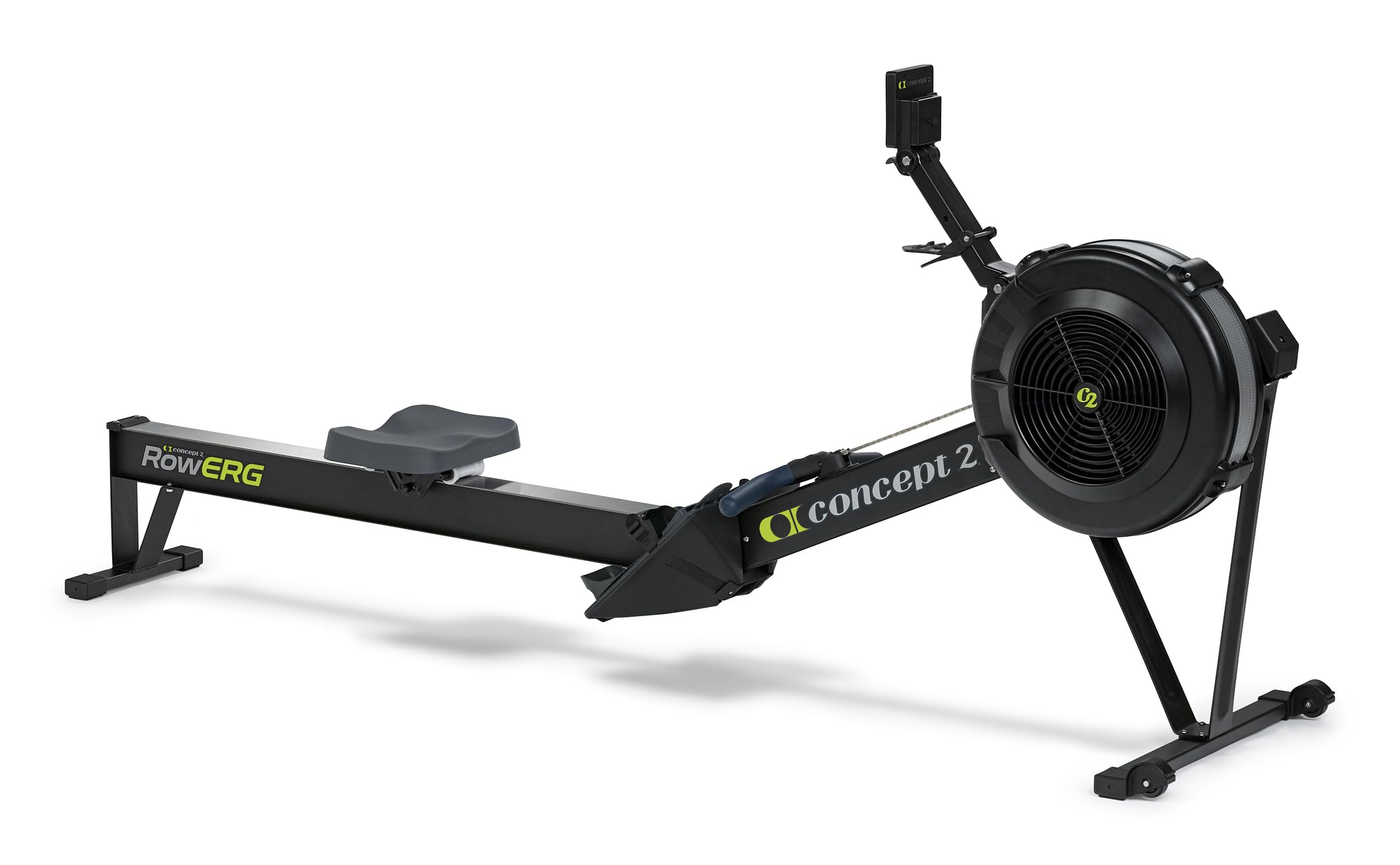
Air rowers use a fan, so resistance rises as you pull harder. They feel natural and suit interval training, though they are louder than other types and need floor space for the fan housing.
Magnetic Rowers
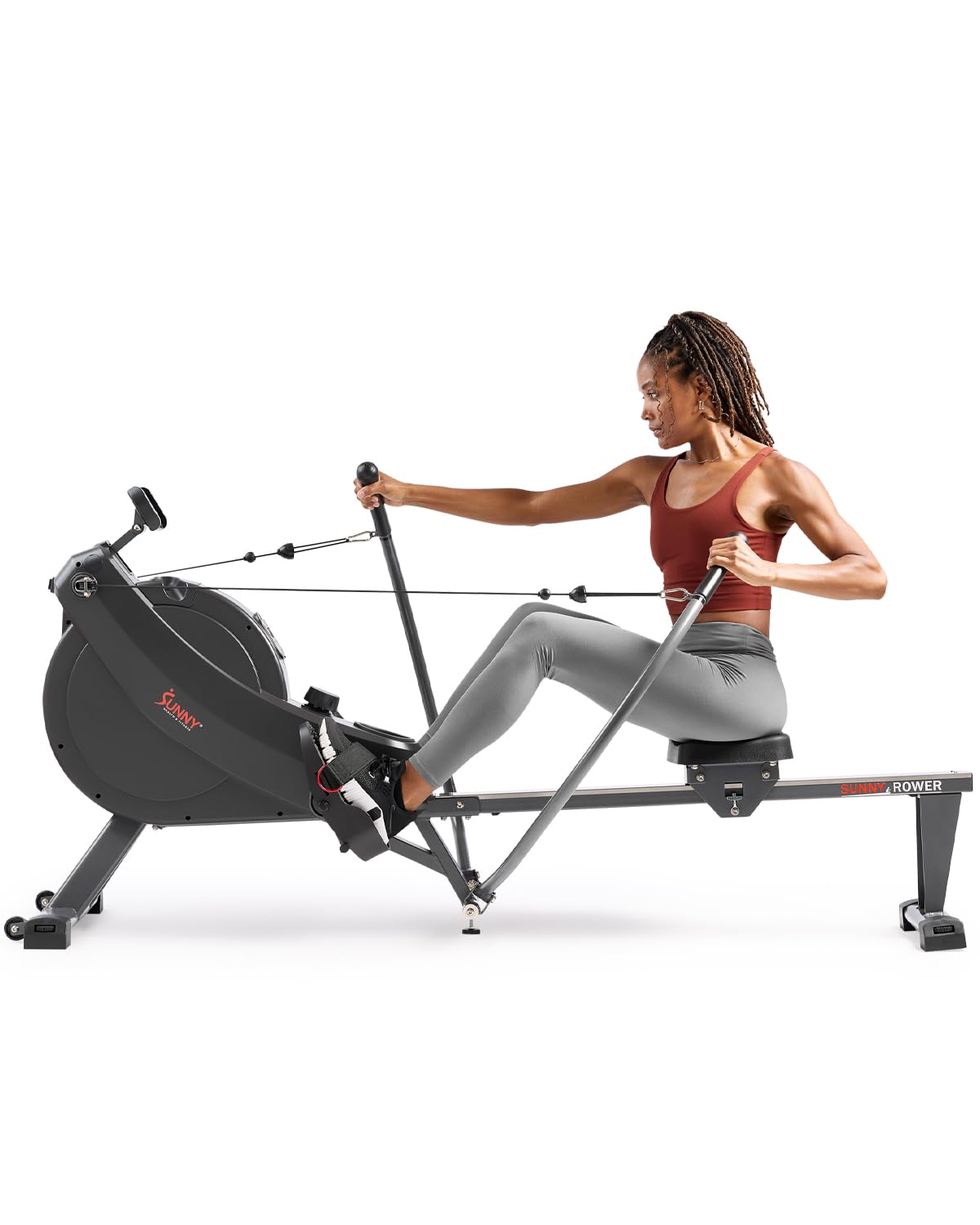
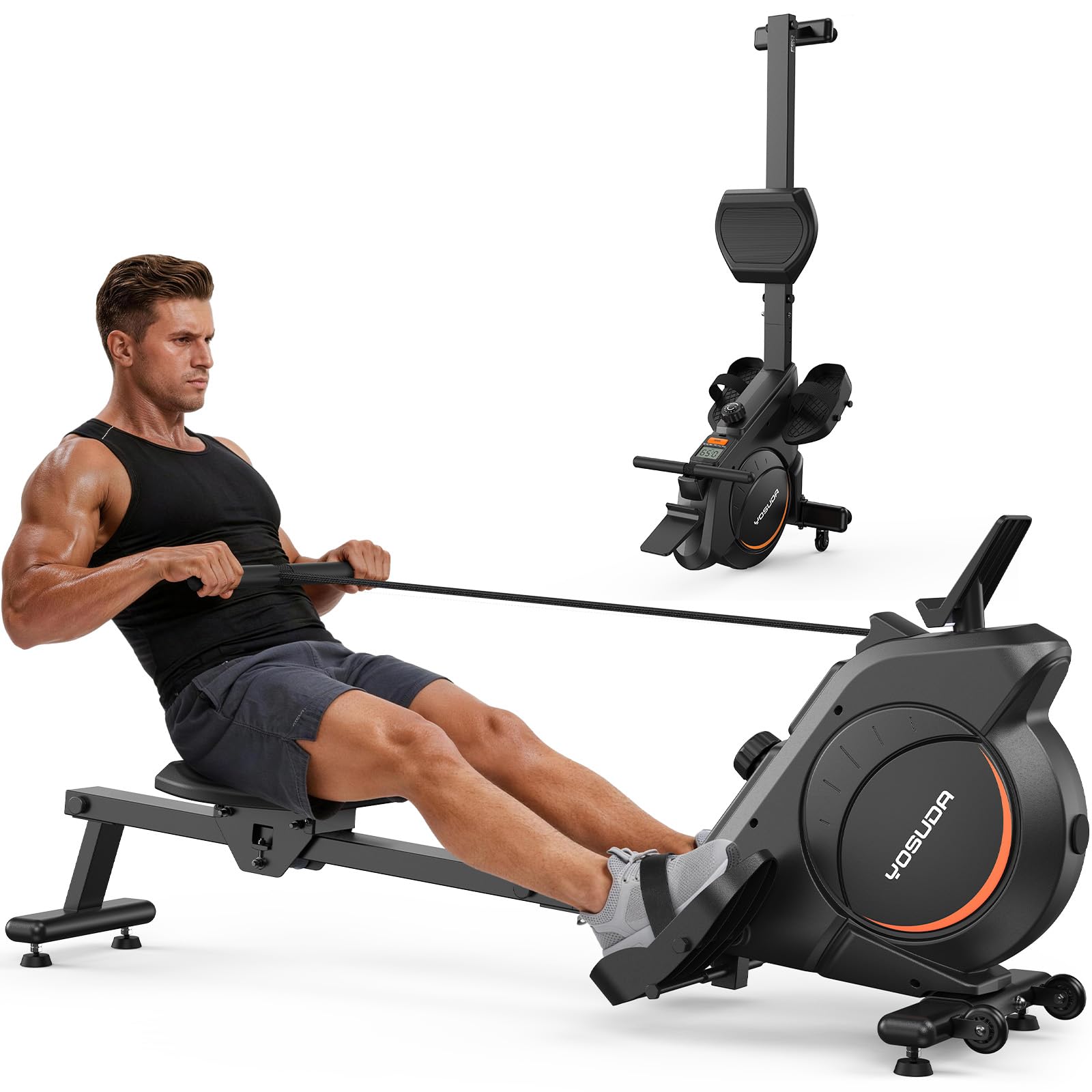
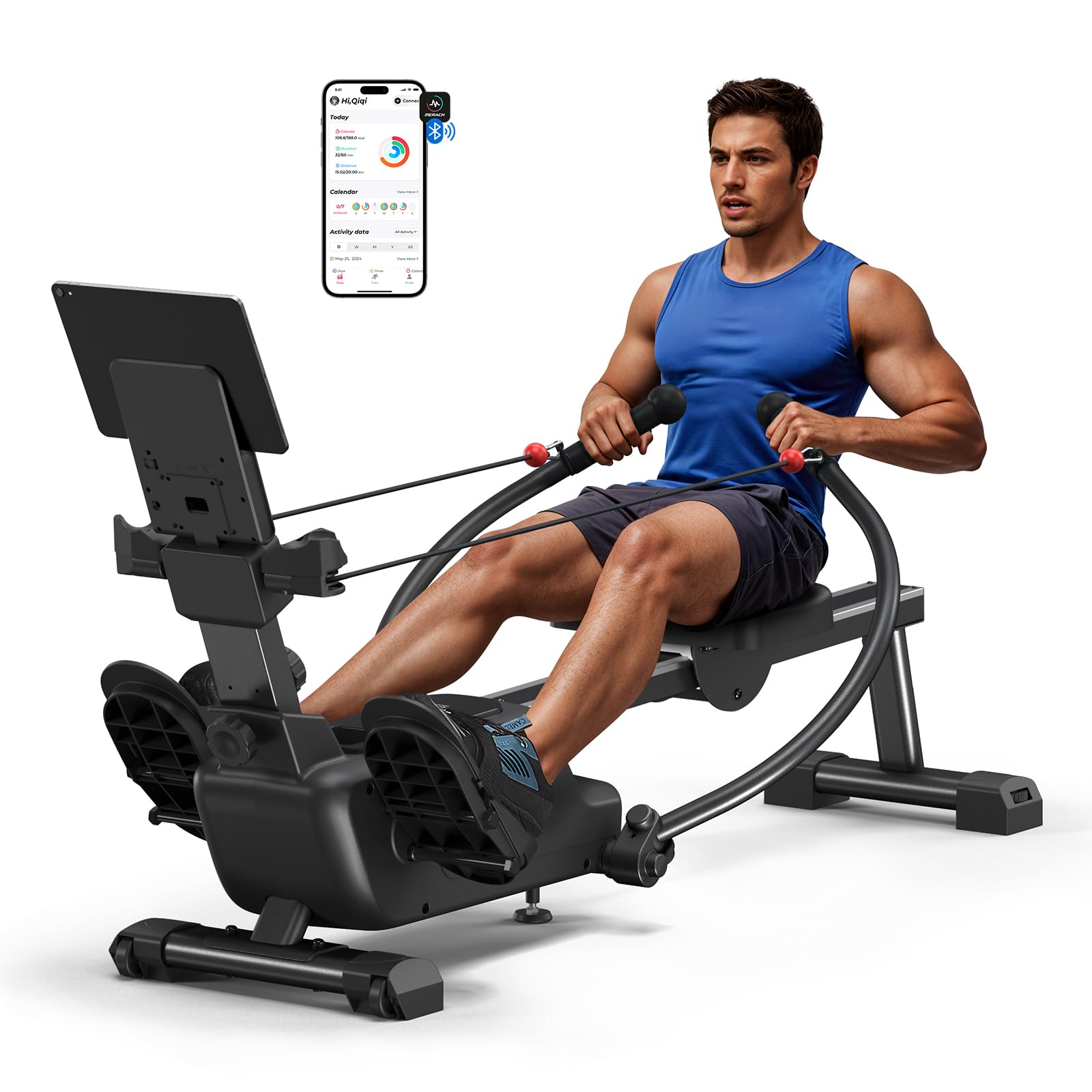
Magnetic rowers use magnets for quiet, smooth resistance with set levels. They suit apartments and shared homes, though the feel at high effort can be less lifelike than air. Many folding models sit in this group, which helps with storage.
Water Rowers
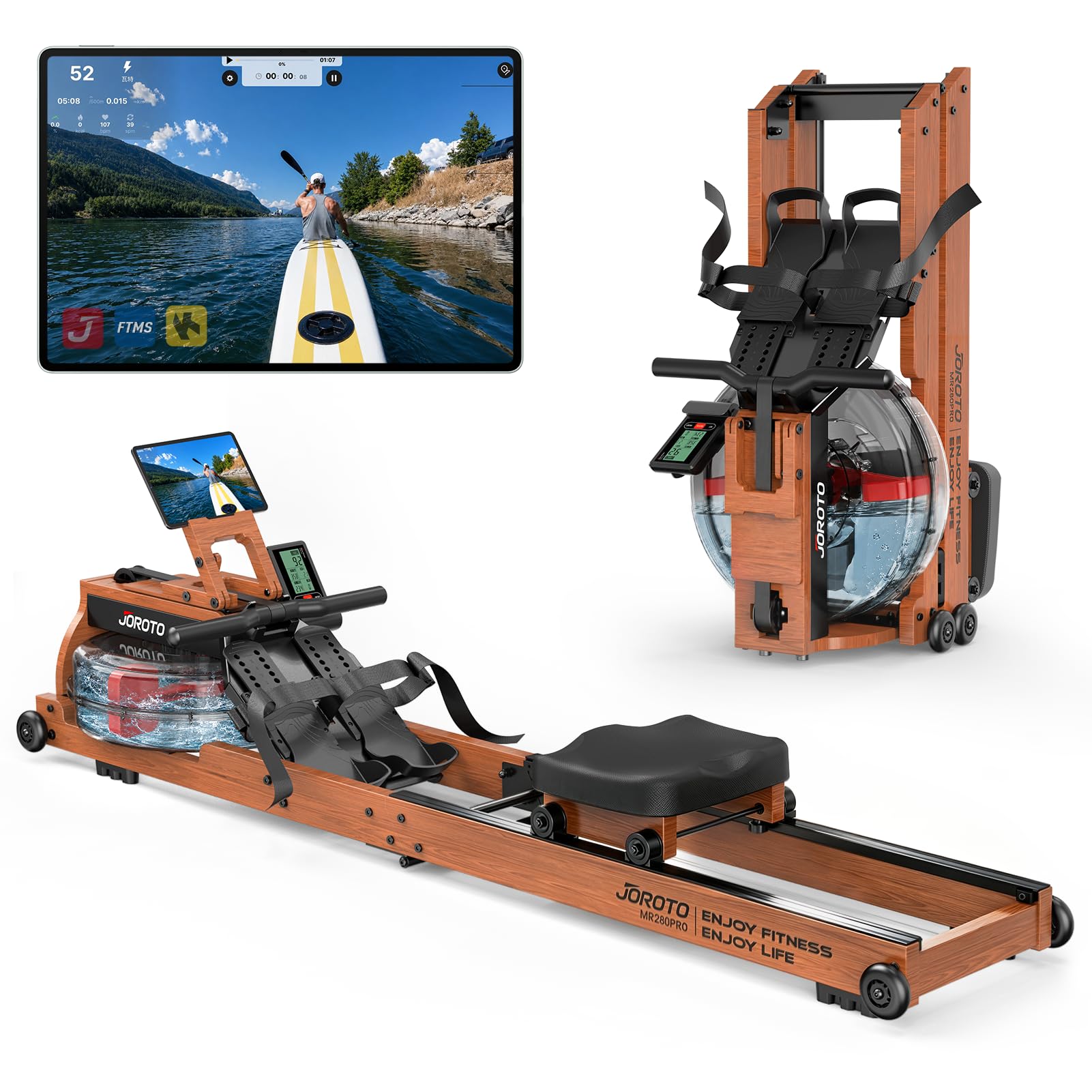
Water rowers use a tank of water for a smooth, flowing feel and a pleasant sound. They look good in a living space and suit steady rowing, though they are heavier and the water needs occasional care.
Hydraulic Rowers
Hydraulic rowers use pistons and are often compact and lower cost. They suit small spaces and light use, though stroke feel and durability vary more than with larger machines.
Key Features to Compare
Rail Length and Seat Comfort
Check rail length against your height and leg length. If you are tall, a short rail makes the finish of the stroke cramped. A comfortable seat and a smooth slide help you hold form for longer than a hard seat or a jerky rail.
Footplates and Handle
Adjustable footplates with secure straps keep your feet steady, and a comfortable handle reduces grip fatigue. A handle that is too thick or too rough makes long rows harder, and a loose footplate invites sloppy form.
Monitor and Programs
A clear monitor showing time, distance, pace and strokes per minute helps a beginner pace sessions. Built in programs are useful, but simple manual rowing is enough to start. Bluetooth is a bonus only if you will actually use an app.
Noise and Storage
Air rowers are louder, magnetic rowers are quieter, and folding or upright storage helps in small rooms. Measure the stored footprint as well as the rowing footprint, and check the weight if you must move the machine between rooms.
Build Quality and Weight Limit
A sturdy frame and a smooth slide matter more than extra programs. Check the user weight limit, the warranty and how the machine feels at a firm pull, not only at a gentle one. Wobble under load is a sign of a weak frame.
How to Choose the Best Beginner Rowing Machine
Choose the resistance type by noise tolerance and training style first, then check size and seat comfort. Compare the machines in the product table for ones that fit your room and height, and plan for a mat under the machine to protect floors and cut noise. If you have a heart condition, chest pain history, dizziness, or a back or joint problem, talk with your clinician before starting a new rowing routine, and stop and seek prompt care for chest pain, breathlessness or dizziness during exercise.
For related buying angles, see our guides to the best starter rowing machine and the best rowing machine for overweight beginners, which cover neighbouring choices many buyers compare before deciding.
Common Mistakes to Avoid
Starting Too Fast
New rowers often pull hard with the arms and rush the recovery. Slow down, drive with the legs first, and keep strokes per minute modest while form improves.
Rounding the Back
A rounded lower back under load strains the spine. Sit tall, hinge from the hips, and keep the core braced through the drive.
Skipping the Warm Up
Cold muscles and a rushed first minute raise strain risk. Warm up gently for several minutes and finish with easy rowing and stretching.
Buying on Monitor Features Alone
Screens and apps are easy to advertise, but the rail, seat and footplates decide whether you keep rowing. Sit on the machine, or read buyer comments about seat comfort and slide smoothness, before you pay for extras.
Planning a Beginner Week
A good first week might include three short sessions of ten to twenty minutes at a conversational pace, with rest days between. Focus on leg drive, a relaxed grip and a smooth return, and add time gradually rather than chasing speed. Wipe the rail, check the foot straps and keep the area clear, so the machine stays inviting rather than dusty.
Think about where the machine will live between sessions, since a rower that blocks a doorway or a walkway will be moved reluctantly and used less often. Measure the folded or upright footprint, and keep the rail clean, because grit on the rail makes the slide rough and noisy over time.
Frequently Asked Questions
How long should a beginner rowing session last?
Ten to twenty minutes at an easy pace is a sensible start for most beginners, with rest days between sessions. Add a few minutes each week as fitness and form improve, rather than jumping to long hard rows in the first week.
Is rowing hard on the knees?
Rowing is usually low impact, but deep knee bend and poor foot position can irritate knees. Keep footplates adjusted, avoid forcing a very deep catch, and ease back if knee pain lasts beyond the session.
What resistance should a beginner use?
Start at a low to moderate resistance that lets you hold good form for the whole session. Higher resistance is not better if it breaks technique, and air rowers naturally increase resistance with harder pulls.
Do I need special shoes for rowing?
Flat, firm shoes with a secure fit work well, and many people row in training shoes. Avoid very thick soft soles that wobble on the footplate, and keep laces tied clear of moving parts.
When should I seek medical advice before rowing?
Seek advice if you have a heart condition, high blood pressure, a back or joint problem, or symptoms such as chest pain, dizziness or unusual breathlessness. Stop exercise and seek prompt care if those symptoms appear during a session.
Final Thoughts
Start with a machine that fits your room, feels smooth and lets you learn good form, then build time slowly. Compare the product table above, keep sessions steady and comfortable, and talk with your clinician if you have health concerns. The best beginner rowing machine is the one that supports regular practice, not one that punishes you with noise, discomfort or confusing controls.


