Best Coleman Camping Stove: Buyer's Guide for 2026
Disclosure: We may earn a commission when you buy through links on this page, at no extra cost to you. As an Amazon Associate I earn from qualifying purchases. Learn more
Compare the best coleman camping stove by burner count, fuel cost, storage and care for family camp cooking.
Picture a Saturday at home when the power blinks out at dinner time, or a family trip where four hungry people wait while one small pan does all the work. In moments like those, choosing the best coleman camping stove for your household size, your storage space, and your budget matters more than chasing the biggest spec sheet. This guide sorts the lineup by how you actually live and cook.
You will learn which format suits a couple, a family, or a larger group, what fuel will cost you over time, and where a stove can live between trips without crowding a closet or garage shelf. The comparison table below pulls the main options together so you can narrow your choice before reading the detail.




Quick Answer: Which Type Fits Your Home in 30 Seconds
For most households, a two burner propane stove on a tabletop is the balanced choice, since it cooks a main dish and a side at once and folds flat for storage. A single burner model suits one or two people with tight storage. A three burner or grill and griddle format suits larger families who cook for a group and have room to store a wider case.
If you are still weighing Coleman against the wider market, start with our guide to the best camping stove for a broad view, then come back here to match a Coleman format to your home.
Before You Buy: A Quick Checklist for Choosing a Camping Stove
Work through the points below in order. Burner layout and size come first, because a stove that fights your space or your pans will annoy you every single trip.
Which Type Fits Your Routine
Two burner stoves are the default for family meals, since two pans share the work and dinner moves faster. Three burner models add a center burner for a griddle, but the case is wider and heavier to store and carry. Single burner models sit on top of a small canister or beside a tabletop, take the least room, and suit soup, coffee, and simple one pan meals. Your routine, not the largest model on the shelf, should decide.
Features Worth Paying For, and Ones to Skip
A folding windscreen earns its cost if you cook in open sites, since gusts steal heat and stretch cooking times. Push button ignition saves matches and gloves on cold mornings, and a sturdy latch keeps the lid shut in the car. A built in grill or griddle adds width, weight, and cleaning time, so skip it unless you truly cook pancakes or grilled food outdoors often. A tall stand helps only if your table space is truly limited.
Fuel Type and Running Cost
Most Coleman camping stoves run on propane, and many accept a bulk tank with the right hose and adapter sold apart. Small canisters are simple to store and swap, but the cost per meal rises if you cook often. Butane models tend to struggle in cold weather, while propane keeps working at lower temperatures. Our explainer on butane vs propane stove covers that trade off in full, so read it before you stock up on fuel.
Cooking Area and Heat Output
Cooking area tells you how much pan room you get, and family size two burner models often offer about 170 to 300 square inches of grate space. Total output often falls around 10000 to 22000 BTU, split across the burners. More useful than the peak number is control at the low end, since a burner that simmers rice or sauce without scorching saves more meals than raw power. Check that your two largest pans fit side by side without crowding.
Build Materials and Rust Resistance
Most cases use painted steel, grates use plated steel or cast iron, and burner parts use stainless steel or brass in places. Painted steel holds up well if you dry the stove before you close the lid, since trapped moisture is what starts rust on hinges and latches. Cast iron grates feel solid and hold pans steady, but they add weight and need a light wipe of oil after wet trips. Look for smooth edges and a lid that closes without forcing.
Realistic Budget Ranges
Prices shift with sales and season, so treat these bands as planning guides rather than promises. Compact single burner models often sit under $50. Mainstream two burner models often fall at about $50 to $100, while versions with stronger ignition, windscreens, and griddle options move toward about $100 to $200. Large three burner and grill combo formats can pass $200. Spend first on burner control and build quality, since those shape every meal.
Coleman Stove Types Compared: Which Setup Suits Most Homes
This section compares the three setups most households choose between. Match each one to your group size, your vehicle space, and the meals you cook most.
The Two Burner Tabletop Type for Most Homes
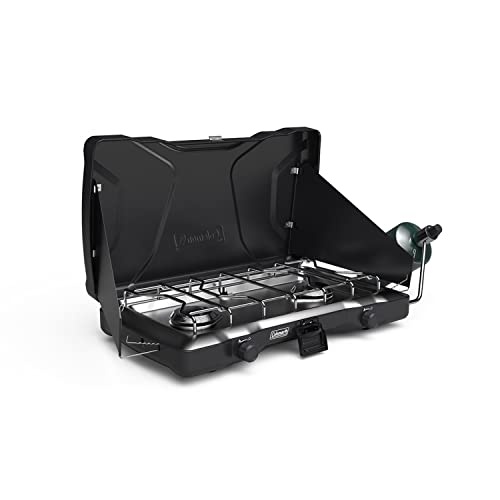
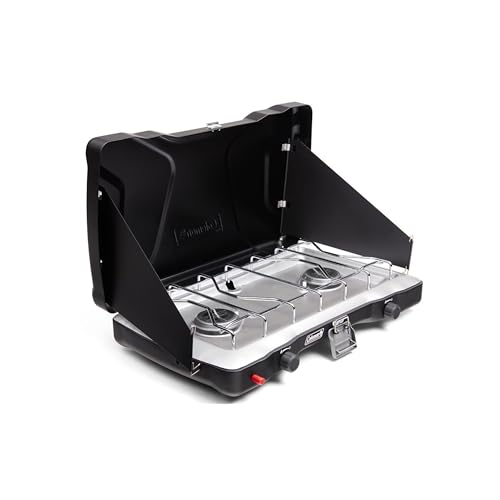
This is the format most families picture, with two burners under one lid, a windscreen on three sides, and a case that folds shut like a small suitcase. It handles a skillet and a pot at once, stores upright on a garage shelf, and sets up on any sturdy table. If your group is three to five people and you cook real meals rather than just boiling water, start here and compare control and grate fit. Shoppers in this lane may also want our guide to the best 2 burner camping stove across brands.
The Single Burner Type for Light Travel
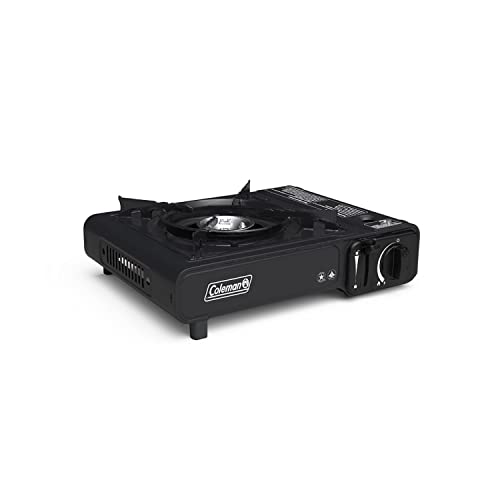
A single burner stove costs the least, sips storage space, and works well as a backup burner at home during a power outage. Output is enough for a kettle, a soup pot, or a small skillet, and setup takes a minute. The limit is obvious, since you cook in turns and a family meal becomes a queue. For one or two people who travel light and eat simply, that limit may never matter, and the money saved can go toward fuel and cookware.
The Three Burner and Grill Combo Type for Groups
Larger formats spread heat across three burners or pair burners with a grill or griddle surface, so a big group eats together instead of in shifts. You pay more up front, carry more weight, and give up more storage room at home. The payoff is capacity and flexibility for reunion trips, scout groups, and long weekends at a rented cabin. Buy this size only when your group size truly demands it, since an oversized stove that stays home helps no one.
What Shapes the Comparison
We compared the lineup using maker specifications for cooking area, output, size, and fuel, then weighed those facts against verified buyer feedback about ignition, simmer control, rust, and packing size. Ease of cleaning and the cost of fuel and common accessories also shaped the order above.
The Best Coleman Camping Stove Lineup Explained
Coleman organizes its stoves less by fancy tiers and more by burner count, fuel, and extra cooking surfaces. The classic two burner propane line is the core of the range and the starting point for most homes. Around it sit compact single burner models for light travel, larger three burner models for groups, and grill or griddle combos for cooks who want flat top style meals outside.
Names and trims change over time, and similar cases can hide different ignition systems, grate materials, or simmer control. That is why the checklist above matters more than a trim name. If you mostly cook at drive in sites with a vehicle nearby, our guide to the best camping stove for car camping shows how much size and weight you can accept before portability suffers.
At home, think about where the stove will live between trips. A folded two burner case needs a shelf spot roughly like a slim briefcase, while a three burner case needs a wider and deeper space.
Common Buying Mistakes to Avoid
- Buying by BTU alone: a high peak number will not help if low heat control scorches sauces and rice.
- Ignoring pan fit: two burners help little if your skillet and stockpot cannot sit flat at the same time.
- Forgetting fuel storage: canisters need a cool and ventilated spot at home, away from heat sources and living space.
- Storing the stove wet: closing a damp lid traps moisture and invites rust on the case, grate, and hinges.
- Skipping the regulator check: a bent or dirty connection can cause weak flames, so inspect it before the first trip.
Cost of Ownership and Care
Beyond the purchase price, budget for fuel, a replacement regulator or hose over the years, and basic cleaning supplies. Propane canisters bought in multipacks usually cost less per meal than single canisters bought at a campground store. Keep spare canisters only in the amount you will use within a season or two, and store them upright in a ventilated area.
Care is simple but steady. Wipe spills after cooking, wash the grate once it cools, and dry every surface before closing the lid. Our step by step guide on how to clean a camping stove walks through burner ports and stubborn grease. Check hoses and seals each season, and replace any part that cracks, leaks, or smells of gas when connected.
Your Questions, Answered
Which Coleman camping stove should I buy for a family of five?
Choose a two burner propane model with the widest grate you can store, since five people need a skillet and a pot working together. Look for strong simmer control, because family meals often include rice, pasta water, and a sauce at different heats. If breakfasts for the group are your main event, a griddle accessory that fits that stove adds more value than moving up to a three burner case.
Is Coleman a good camping stove brand for home backup use?
Yes, Coleman suits home backup cooking because the designs are simple, parts and fuel are widely sold, and most models need no electricity to run. Keep the stove, fuel, matches, and a lighter together in one labeled bin so an outage does not start with a search. Practice one full setup on a calm weekend, and never use any camping stove indoors or in a closed garage, since carbon monoxide can build up without warning.
How do you light a Coleman camping stove safely for the first time?
Set the stove outside on a flat and stable surface, connect the regulator and canister hand tight, then open the valve slowly and listen or smell for leaks before lighting. Turn one burner knob, use the ignition or a long lighter, and confirm a steady blue flame before placing a pan. Our guide on how to use a camping stove adds a first use checklist, including what to do if a burner lights with tall yellow flames.
How long does a Coleman camping stove last with regular care?
A steel case stove can serve for many seasons when you dry it after trips, keep burner ports clear, and store it indoors away from damp air. The parts that age first are usually seals, regulators, and ignition buttons rather than the case itself. Keeping one spare regulator on hand turns the most common failure into a quick swap instead of a ruined trip, and that small habit extends the useful life of the whole stove.
Can a Coleman camping stove replace a backyard grill?
Only partly. A stove excels at pots, skillets, and kettles, while a grill gives direct flame flavor and open grate marks that a flat burner cannot copy. Grill combo models narrow the gap for burgers and vegetables, but the cooking surface stays smaller than a typical backyard grill. Many households keep both, using the stove for side dishes outdoors and as the main cooker on trips, which spreads wear across two tools.
Final Thoughts
Start with your group size, your storage shelf, and the meals you cook most, then let burner count and fuel cost follow from those facts. For most households the best coleman camping stove is a two burner propane tabletop model with honest simmer control and a case that stores easily. Use the product table above to compare the formats side by side, confirm pan fit and folded size, and order with fuel and a lighter included in your budget.