Best Camping Stove Guide for 2026: Types, Fuel and Heat
Disclosure: We may earn a commission when you buy through links on this page, at no extra cost to you. As an Amazon Associate I earn from qualifying purchases. Learn more
Choose the best camping stove by burner type, fuel, heat output, and wind protection for your trips.
Picture a Saturday at a busy campground where breakfast for four needs to happen before the kids scatter to the trail. A stove that is too small, too weak in the wind, or awkward to set up turns that simple meal into a long wait. Choosing the best camping stove starts with how your household actually cooks outdoors: group size, the meals you make, and the space you have to store and carry gear.
This guide walks you through burner types, fuel choices, heat output, and budget ranges so you can match a stove to your routine instead of paying for features you will never use. Scan the comparison table below first, then use the checklist sections to narrow your choice.






Quick Answer: How to Choose in 30 Seconds
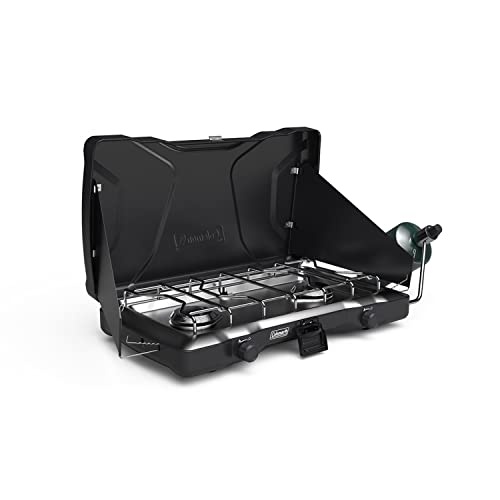
If you cook for a family or a small group at a drive in campsite, a two burner tabletop stove on propane is the default choice for most households. It runs a skillet and a pot at the same time, folds flat for storage, and uses fuel you can buy almost anywhere. Solo campers and couples who cook simple meals can save money and pack space with a single burner model instead.
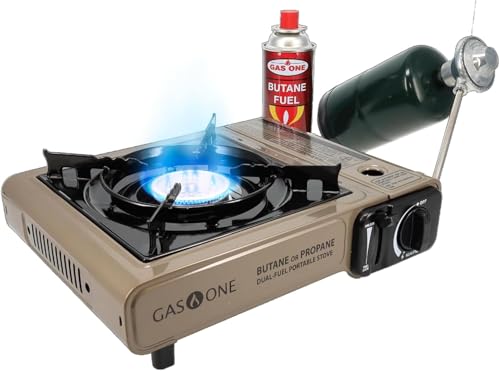
Your second decision is fuel. Propane is the easiest option for car based trips because canisters connect in seconds and work well in cool weather. Butane costs less per canister and suits mild weather cooking. Everything after those two choices, such as wind protection, simmer control, and grate size, is about matching the stove to your menu and your campsite conditions.
Before You Buy: A Checklist for the Best Camping Stove
Which Type Fits Your Routine
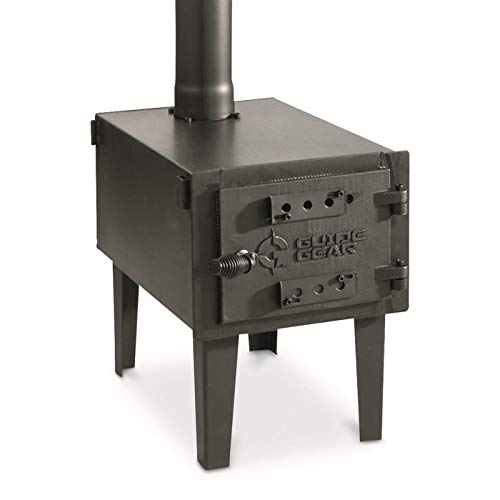
Two burner stoves are the workhorses of family camping because they let you boil water while eggs cook beside it. Three burner models add room for a wide griddle, but they are heavy and only make sense for large groups. Single burner stoves screw onto a small canister or sit as a compact tabletop unit, and they suit one pot meals, coffee, and rehydrating dried food. Backpacking stoves shrink further to pocket size and favor speed over pan space. Wood burning models remove fuel canisters from your pack list, yet they demand constant feeding and are banned during many fire restrictions, so check local rules first.
Features Worth Paying For and Ones to Skip
Pay for a windscreen or raised burner guards if you camp in open sites, because wind steals more heat than most shoppers expect and stretches every meal. Pay for fine simmer control if you cook sauces, rice, or pancakes that scorch on a burner that only runs hot. A push button ignition is worth a small premium for gloved or cold hands. Skip the bundled griddle and grill attachments unless you know you will cook on them weekly, since they add weight, storage bulk, and one more greasy surface to scrub. Built in stands only help if your usual picnic table is rough or slanted.
Fuel Type and Running Cost
Propane canisters cost more per ounce of fuel but burn steadily in cold mornings and at altitude, and the green one pound canisters are sold at nearly every grocery and sporting goods store. Butane canisters are cheaper and common in tabletop stoves, but output fades as temperatures drop toward freezing. Liquid fuel stoves cost the most to buy and need priming and more upkeep, yet they shine on long trips where refillable fuel beats hauling many canisters. Our explainer on butane vs propane stove walks through cold weather behavior and canister disposal in more depth if fuel choice is your main sticking point.
Cooking Space and BTU Output
BTU numbers describe maximum heat, not cooking quality. Most camp cooking needs about 8,000 to 12,000 BTU per burner for boiling and frying, and very high output mainly speeds up big pots of water. What matters more day to day is grate size and burner spacing. Measure your largest skillet and your coffee pot together, then check that both fit side by side without crowding. A stove rated for a 10 inch and a 12 inch pan at once will feel far roomier than its headline BTU figure suggests, while two powerful burners placed too close together leave you cooking one dish at a time anyway.
Build Materials and Rust Resistance
Most stove bodies are painted or powder coated steel, which holds up well if you dry the stove before storing it. Stainless steel cooking grates resist rust better than plain steel and clean up faster after spills. Aluminum parts cut weight for hikers but dent more easily in a packed car trunk. Look for a drip tray that lifts out, sturdy latches, and rubber feet that stop the stove sliding on a wet picnic table. Hinges and control knobs take the most abuse over a stove life, so they should feel solid rather than loose or gritty.
Realistic Budget Ranges
Under $50 buys a basic single burner or a simple two burner stove with modest wind protection, fine for occasional trips and simple menus. About $50 to $100 is the sweet spot for most families, adding better simmer control, stronger grates, and reliable ignition. About $100 to $200 brings larger cooking space, higher output for group meals, and tougher construction that suits frequent use across many seasons. Spending over $200 makes sense mainly for high output group systems or ultralight backpacking designs where every ounce counts. Fuel and a carry case are extra, so leave room in the budget for both.
Three Buying Profiles and What to Prioritize
Profile One: The Family Car Camper
You drive to the site, cook two or three real meals a day, and store the stove in a garage bin between trips. Prioritize a two burner propane stove with generous pan spacing, a windscreen, and a grate that handles a heavy skillet without flexing. Weight barely matters for this group, so spend on build quality and simmer control instead. If this sounds like your household, our guide to the best camping stove for car camping goes deeper on table space, storage, and cooking for groups at drive in sites.
Profile Two: The Solo Camper or Couple on a Budget
You cook one pot meals, boil water for coffee, and want gear that disappears into a small car or a single tote. A compact single burner stove keeps cost and bulk down, and butane or small propane canisters keep fuel simple. Prioritize a stable base and a wide pot support, because a top heavy pot on a narrow burner is the classic cause of spilled dinners. Shoppers comparing compact options can start with the best single burner camping stove guide for sizing and stability pointers.
Profile Three: The Long Term, Frequent User
You camp many weekends a year, cook in bad weather, and want one stove that lasts a decade. Prioritize replaceable parts such as regulators, hoses, and ignition modules, plus a brand track record of stocking spares. Choose coated or stainless surfaces that tolerate scrubbing, and budget for a padded case to protect knobs and latches in transit. A slightly larger stove with proven durability costs less over ten years than two cheap stoves that fail at the campsite, so treat this purchase as equipment rather than a disposable accessory.
Quick Guidance by Household and Space
Households of four or more who cook full breakfasts should start with two burners and the largest grate that still fits their storage bin. Couples who mostly reheat and boil can drop to one burner and put the savings toward better cookware. If your trips mix car camping with short hikes, a midsize two burner for the site plus a tiny canister stove for the trail covers both without compromise. Readers set on the classic family layout can compare layouts in the best 2 burner camping stove guide, which focuses on pan spacing and wind protection.
Storage space at home matters more than shoppers expect. A folded two burner stove is roughly the size of a slim briefcase and slides onto a garage shelf, while freestanding stoves with legs need a corner of their own. Measure your bin or shelf before ordering, and store fuel canisters away from heat sources, ideally in a ventilated garage or shed.
Common Buying Mistakes to Avoid
- Buying a stove too large for your group, which wastes fuel, pack space, and storage room on burners you rarely light.
- Ignoring wind protection, so meals take twice as long and canisters empty far faster than the rated burn time suggests.
- Choosing fuel that is hard to find near your usual campgrounds, leaving you with a stove you cannot run on a holiday weekend.
- Forgetting to test pan fit, then discovering your skillet and kettle cannot share the grate at the same time.
- Skipping a regulator and hose check before the first trip, which is when a loose connection or damaged seal usually shows up.
Cost of Ownership and Care
Running costs are mostly fuel. A family cooking three meals a day typically uses one to two one pound propane canisters per weekend, so frequent campers save money with an adapter hose and a refillable tank where local rules allow. Keep spare O rings and a backup ignition source in your camp kitchen kit, since both cost little and prevent the most common failures. After cooking, let the stove cool, wipe grease from the drip tray, and clear clogged burner ports with a soft brush. Our walkthrough on how to clean a camping stove covers deep cleaning steps and what to do about rust spots. Store the stove dry with the lid latched, and never store canisters attached.
Safety is part of care too. Use every camping stove outdoors or under open ventilation only, never inside a tent or enclosed vehicle, because burning fuel produces carbon monoxide that you cannot see or smell. Keep the stove on a stable, heat safe surface away from dry grass and overhanging branches, and let it cool fully before packing it against other gear.
Frequently Asked Questions
What is the most reliable camping stove brand?
Reliability depends more on design and care than on the name on the lid. Stoves with simple mechanical controls, metal knobs, and widely available spare regulators tend to last longest, whatever the badge. Check that replacement parts are sold openly and that the warranty runs at least a year. A well kept midrange stove will outlast a neglected premium one, so maintenance habits matter as much as the purchase itself.
How do you clean a camping stove?
Let the stove cool fully, remove the grate and drip tray, and wash them in hot soapy water before drying them completely. Wipe the burner heads with a damp cloth and clear blocked ports gently with a wooden toothpick rather than wire, which can enlarge the holes. One extra point worth knowing: clean the stove before storing it for winter, because old grease attracts pests in garages and sheds and can turn rancid by spring.
Is a camping stove worth it?
Yes, for anyone who camps more than once or twice a year and wants hot meals beyond what a campfire allows. Fire bans, rain, and slow fire starting make flame only cooking unreliable in many parks and seasons. A stove also gives you precise heat for morning coffee in minutes. If you camp once in a great while, borrowing or renting first helps you confirm which size fits your cooking style before you spend anything.
How long does a camping stove last?
A decent tabletop stove lasts about 10 years or more with basic care, and many run far longer. The parts that wear first are ignition modules, regulator hoses, and the seals where canisters connect, all of which are cheap to replace. Rust from wet storage is the main life shortener, so drying the stove after every trip does more for its lifespan than any premium coating. Replace any stove with a cracked fuel line or a burner that burns unevenly after cleaning.
What is the best camping stove for a family of four?
For most families of four, the right answer is a two burner propane stove with room for a 12 inch skillet beside a medium pot. That layout covers pancakes and eggs at once, boils pasta water fast, and still folds flat for the drive home. Look for a windscreen and true simmer control, since family menus lean on gentle heat. If your family cooks for visiting friends too, step up in grate size rather than raw BTU.
Final Thoughts
The right stove is the one that matches your group size, your menu, and your storage space, not the one with the biggest BTU number. Use the product table above to compare types side by side, then run your shortlist through the checklist on fuel, pan fit, and wind protection. Do that, and the best camping stove for your household becomes an easy pick for many seasons of camp meals.