Best Collapsible Chairs in 2026: Types Compared and How to Choose
Disclosure: We may earn a commission when you buy through links on this page, at no extra cost to you. As an Amazon Associate I earn from qualifying purchases. Learn more
Compare the best collapsible chairs by types, folded size, weight capacity and hinge quality.
A collapsible chair sounds simple until you shop for one. The same label covers slim metal chairs for extra dinner guests, padded seats built for long events, and wide camp chairs that live in a car trunk. This guide compares the types side by side so you can pick the best collapsible chairs for your space and habits instead of guessing from a product photo.
The comparison table below sums up each type by best use, strengths, limits, and typical price. After the table, we look at the details that separate a chair you will use for years from one that wobbles within months: folded size, real weight capacity, locking hardware, and joint quality.





Types of Collapsible Chairs Compared
Four types cover almost every reason people buy a chair that folds away. They all rely on hinges and a folding frame, but they differ in seat height, padding, folded shape, and how much wear the joints can take before they loosen.
| Type | Best For | Pros | Cons | Typical Price |
|---|---|---|---|---|
| Folding metal chair | Extra guests, events, halls | Slim fold, low price, easy to store in sets | Hard seat, plain look | About $15 to $30 |
| Padded folding chair | Long meetings, services, card games | Cushioned seat and back, still folds flat | Thicker fold, fabric needs care | About $30 to $60 |
| Camp chair | Camping, sidelines, festivals | Wide seat, armrests, carry bag included | Bulky bundle, low seat height | About $25 to $70 |
| Lawn and patio chair | Gardens, decks, outdoor visits | Weather tolerant frame, relaxed recline | Larger fold, seasonal storage | About $30 to $90 |
Folding Metal Chairs: The Slim Extra Seat
The classic folding metal chair uses a steel tube frame with a hard or lightly covered seat, and it folds down to just a few inches thick. That slim profile is the whole point: a set of four can hang on wall hooks, slide behind a door, or stand in the gap beside a wardrobe. They are the lightest type to carry in stacks and the cheapest to buy in quantity.
The trade off is comfort over time. A hard seat is fine for a meal or a short meeting, but most people start shifting around after about an hour. Choose this type when the headcount matters more than the sitting time, and look for welded cross braces and a powder coated finish if the chairs will be stored anywhere damp.
Padded Folding Chairs: Comfort for Longer Sits
Padded folding chairs keep the same flat folding frame and add foam to the seat and backrest, usually under vinyl or fabric upholstery. That cushion changes the chair from a short sit into something guests can stay in through a long dinner, a service, or an evening of card games. The fold is thicker than a bare metal chair, so measure your storage depth before you buy a full set.
Padding quality varies more than frame quality in this class. Thin foam over a hard board feels good in a showroom and flattens fast, so press the seat firmly with your hand and check that it pushes back. Stitching at the seat corners takes the most strain, and neat, tight seams are a simple sign the upholstery will hold up.
Camp and Lawn Chairs: Built for the Outdoors
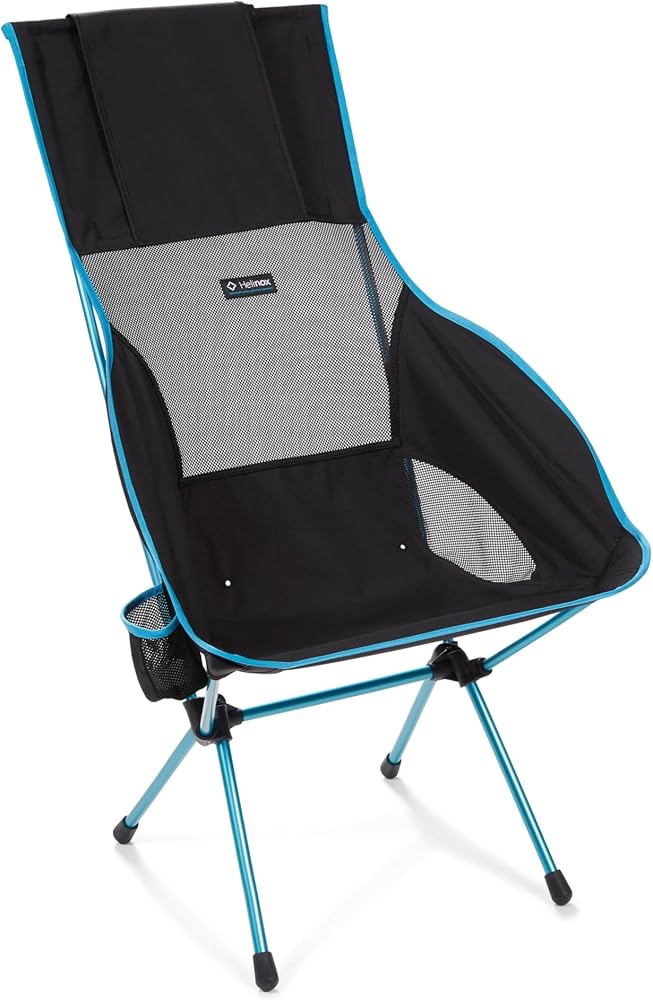
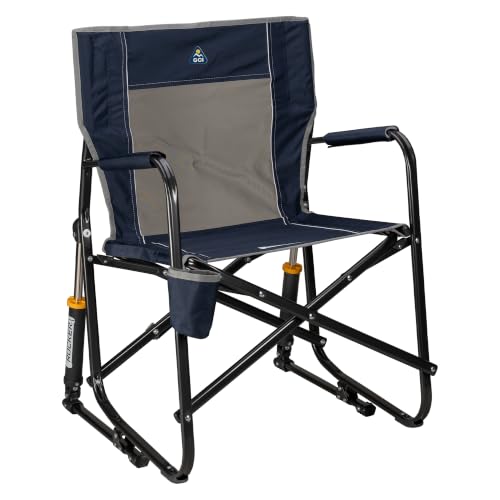
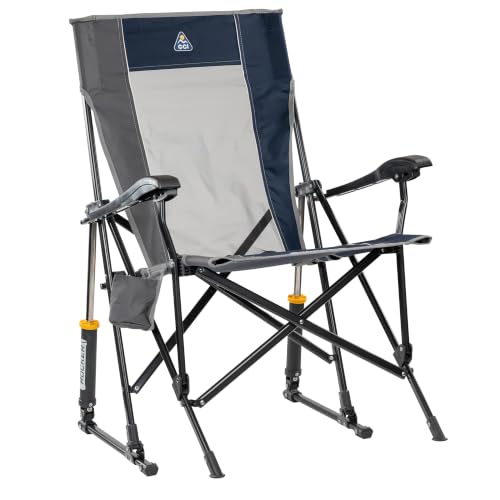
Camp chairs fold into a bundle rather than a flat slab, using a scissor style frame with a fabric sling seat, armrests, and often a cup holder. The seat sits low and relaxed, which suits a fire pit or a sideline far better than a dining table. If outdoor use is your main reason to buy, our guide to best outdoor collapsible chairs goes deeper on fabric weather resistance and carry weight.
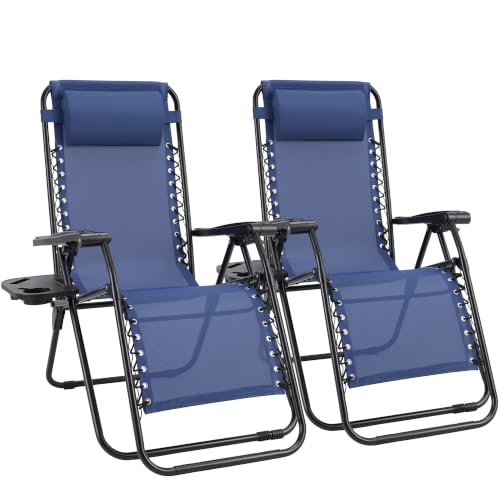
Lawn and patio chairs are the flat folding cousins of the camp chair, built with webbing or fabric panels on a metal frame and a more upright sit for conversation and meals outside. They store flatter than camp chairs but take more wall space. For deck and garden seating specifically, see how the best collapsible lawn chairs compare on frame finish and recline positions.
Padded Folding Chairs vs Camp Chairs: Which Should You Choose?
These two types get confused most often, because both promise comfort and both fold. The first difference is seat height: a padded folding chair sits at dining height, so your feet rest flat and you can pull it up to a table. A camp chair sits much lower and leans you back, which is relaxing outdoors and awkward at a meal.
The second difference is the folded shape. A padded chair folds into a flat slab that lines up neatly with others in a closet. A camp chair folds into a round bundle that fits a trunk or a storage bag but wastes shelf space.
The third difference is setting: padded chairs look at home indoors and shed crumbs easily, while camp fabrics handle dew, dust, and grass without complaint. Pick the padded type if the chair will live indoors and serve seated events. Pick the camp type if it will live in the car and serve the outdoors. If you host both kinds of gathering, the folding metal chair plus a couple of camp chairs often covers everything for less than a full set of either comfort type.
How to Choose the Right Collapsible Chair
Once you know the type, four checks separate the best collapsible chairs from the ones that disappoint. Run through them in this order, because the first check, folded size, can rule out whole types before comfort even enters the picture.
One boundary is worth drawing first. The chairs in this guide are general seating for adults and older children. Seating designed for young children is a different purchase with its own rules, so if you are shopping for best collapsible high chairs, treat that as a separate category, because child seating follows its own safety standards and always needs adult supervision.
Folded Size Is the Real Product
A collapsible chair spends most of its life folded, so the folded size is the measurement that decides whether you keep it. Measure the closet depth, the under bed clearance, or the corner of the trunk where the chair will actually live, then compare those numbers with the folded thickness and height in the listing. A chair that does not fit its storage spot ends up leaning in a hallway and then gets given away.
Folded shape matters as much as folded size. Flat folding chairs stack and line up, so a set of six takes little more room than a set of two. Bundle style camp chairs do not stack, and each one claims its own cylinder of space. Count your storage for the number of chairs you plan to own, not for the single chair in the photo.
Weight Capacity and Frame Strength
The weight capacity in a listing is a static figure: the load the frame is rated to carry with the weight placed gently and centered. Real use is dynamic. Sitting down hard, leaning back on two legs, or a guest dropping into the seat multiplies the force on the frame well past body weight. For that reason, buy capacity with a wide margin above your heaviest regular user rather than matching the number exactly.
Frame construction tells you more than the printed rating. Rivets and joints are where cheap frames fail first, because every fold cycle works them a little looser. Look for thick tube walls, tight rivets with no play when you wiggle the open chair, and cross bracing low on the legs. A chair that flexes and creaks on day one will not get sturdier with use.
Locks, Hinges, and Pinch Points
The safety facts on a folding chair are simple and worth treating as routine. Open the chair fully every time and press until the locking latch seats, because a frame that is almost locked can fold under shifting weight. Many metal folding chairs have a sliding ring or a latch under the seat for exactly this job, so learn where it is before the first use.
Hinges are also pinch points. Keep fingers on the outside edges of the frame when you open or fold the chair, and never reach into the scissor joints of a camp chair while it is moving. Show children how to carry a folded chair by its frame edge rather than by the moving parts. These habits take seconds and prevent the most common folding chair injury, a pinched finger.
Comfort, Seat Height, and Materials
Match seat height to the job: dining and desk use want a seat around standard chair height so knees bend comfortably and feet rest flat, while lounge and camp seating sits lower on purpose. Seat width matters for longer sits, and armrests add comfort outdoors but also add folded bulk and can stop a chair from pulling close to a table.
For materials, foam density decides padded comfort more than foam thickness, and dense foam keeps its shape longer. Fabric seats breathe better in heat, while vinyl wipes clean after meals and events. If chairs will be stored in a garage or shed, a powder coated or otherwise protected frame finish slows the rust that starts at scratches and joint edges.
Care and Maintenance Tips
A few minutes of care per season keeps folding chairs safe and quiet. Wipe frames down before storage and let fabric seats dry completely before folding a chair away, because trapped moisture is what mildews camp and lawn fabrics and starts rust at the joints. Store chairs folded in a dry spot off a bare concrete floor if you can, since cold damp floors wick moisture into feet and fabric.
Once or twice a year, open each chair and check the moving hardware: tighten any bolt that has worked loose, confirm the lock still seats with a firm click, and replace worn or missing foot caps, which are cheap and stop both floor scratches and wobble. Retire a chair with a bent tube or a cracked joint rather than straightening it, because a bent frame rarely holds its alignment or its rating again.
Frequently Asked Questions
How much weight can a collapsible chair really hold?
Treat the listed capacity as a ceiling for a still, centered load, and buy a chair rated comfortably above your heaviest regular user. Real sitting is harder on a frame than a still, centered weight: dropping into the seat or rocking back multiplies the force briefly. Uneven ground lowers real capacity too, because one leg takes more of the load, so a chair that feels solid on a patio may flex on grass. When in doubt, choose the type with the heavier frame rather than the higher printed number.
How do I know a folded chair will fit my storage space?
Measure the folded thickness and height in the listing against your actual storage spot before you buy. The step people miss is measuring the path, not the closet: the narrowest door swing, the turn at the top of the stairs, or the trunk opening decides whether the chair can reach its spot at all. For sets, multiply the thickness by the number of chairs, since flat folding chairs store as a stack of slabs. If space is tight, the folding metal type is almost always the easiest fit.
How long should a good collapsible chair last?
A well built folding chair used for occasional events can last many years, because hinges wear by cycle, not by birthday. A chair opened twice a year lives far longer than one folded daily, even from the same product line. Daily use chairs in offices, halls, or rental settings wear their joints and foot caps fastest and may need replacing within a few years. The first signs of the end are play in the joints, a lock that no longer seats firmly, and fabric tearing at the frame corners.
Are padded folding chairs worth the extra cost?
Yes, if your guests sit for more than about an hour, because cushioning is the difference between a pleasant evening and a restless one. The extra money only pays off when the foam is dense enough to keep its shape, though. Very thin padding over a hard seat board costs more than a plain metal chair and delivers barely more comfort, so press the seat hard before buying and favor chairs that list foam density or at least feel firm and springy. For short gatherings, plain metal chairs plus tie on cushions can be the smarter spend.
Why does my folding chair wobble, and can I fix it?
Start by checking the floor, because a chair that wobbles on an uneven patio may sit perfectly flat indoors. If it wobbles everywhere, look at the foot caps first: one worn or missing cap shortens a leg enough to rock the whole chair, and replacements are inexpensive. Next, tighten the bolts at the leg pivots and check for play in the rivets. If a leg tube is bent or a joint is cracked, retire the chair instead of forcing it straight, since a bent frame will not hold a safe load.
The Bottom Line
Choosing collapsible chairs well comes down to three checks: the folded size fits the storage you actually have, the capacity carries a real margin above your users, and the lock and hinges feel tight and positive from the first day. Match the type to the setting, metal for headcount, padded for long indoor sits, camp and lawn types for the outdoors, and the chair will earn its storage space. For the shortlist of types and prices, look back at the product table above and pick the best collapsible chairs for the way you will actually use them.