
Best Cold Weather Running Shoes 2026
Disclosure: We may earn a commission when you buy through links on this page, at no extra cost to you. As an Amazon Associate I earn from qualifying purchases. Learn more

Compare the best cold weather running shoes by traction, water resistance, warmth and fit for winter runs.
A road shoe that feels perfect in June can turn into a slippery, soggy problem by December, which is why the best cold weather running shoes are chosen differently from a summer pair. Cold air stiffens rubber and foam, slush soaks mesh in minutes, and a dark 6 a.m. start leaves no room for a wrong step. This guide explains what to look for in traction, water protection, warmth and fit, so the product table above makes sense at a glance.
The right pair depends on where you run more than on any brand name. A plowed neighborhood loop, a packed snow path and a muddy forest trail all ask for something different from the sole and the upper, and a shoe that handles all three equally well does not exist. Start with your usual route and your coldest regular morning, then work through the sections below.


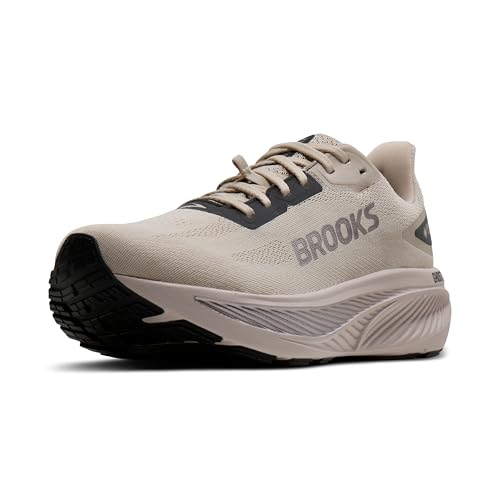
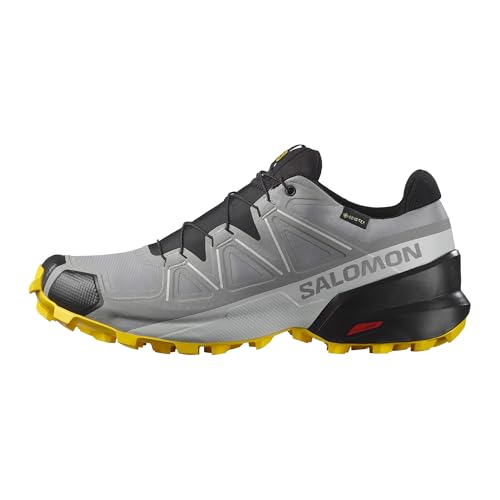
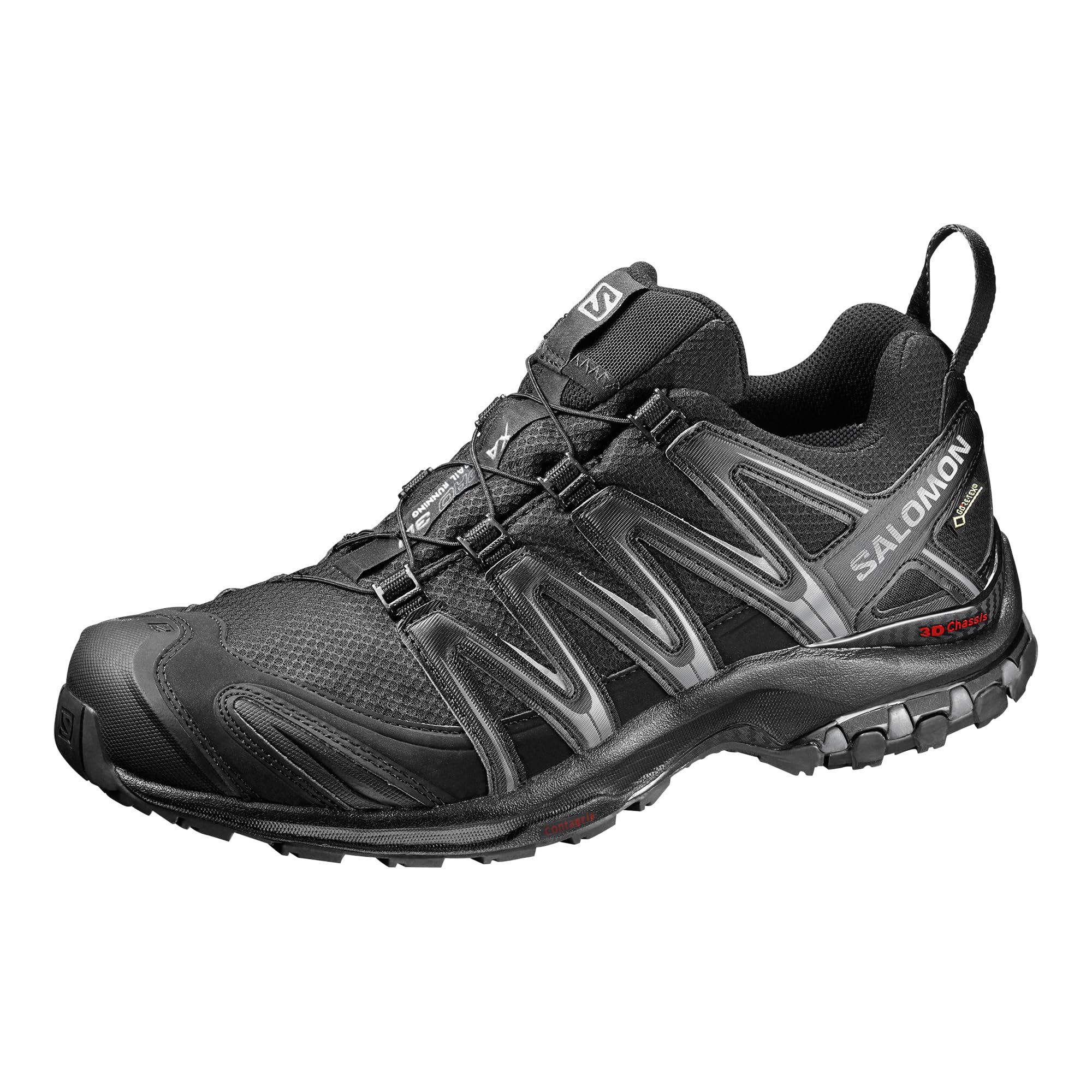

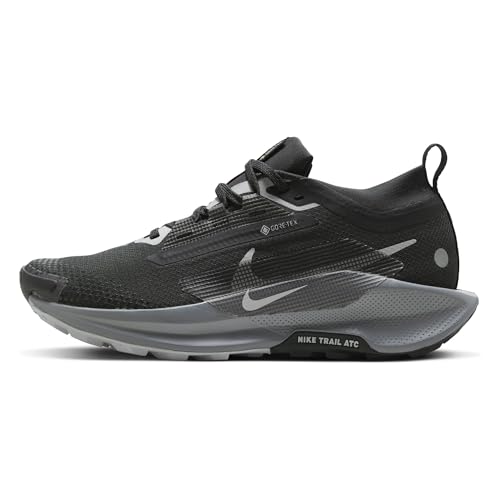
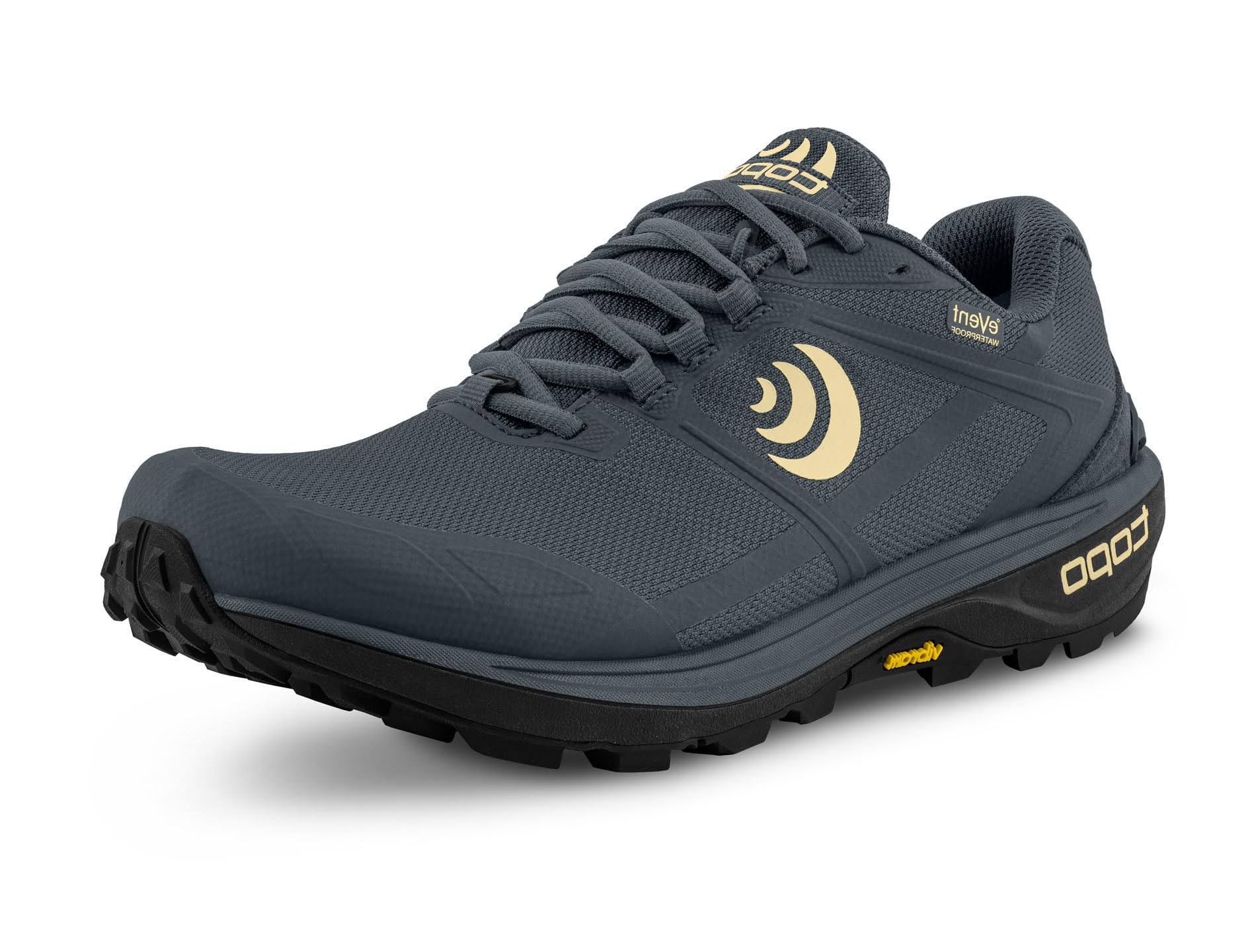

Match the Shoe to Your Winter Route
Most winter runners fall into one of three groups, and each group should weigh the same features differently.
Cleared Roads and Sidewalks
If the plow and the salt truck reach your route, you are mostly dealing with cold, wet pavement and the occasional frozen patch. A road shoe with a water resistant upper and a dense, grippy outsole is usually enough. The upper should block spray from puddles without turning the shoe into a sauna, and the midsole should stay reasonably soft below freezing so the ride does not feel like running on a board.
Packed Snow, Mud and Trail Paths
Once the surface turns soft or uneven, trail shoes earn their place. Deeper lugs bite into snow and mud, and a waterproof lining keeps meltwater out when you cross a wet section. Many of the options in the table above lean this way, because a waterproof membrane and an aggressive outsole are the two features that most obviously help once the ground stops being clean pavement.
Mixed Terrain and Early Morning Runs
Runners who start on the street and finish on a path want a compromise: moderate lugs that still feel smooth on asphalt, a protective upper and a sole that does not chatter on hard ground. Add reflective details if you run before sunrise or after work, since visibility matters as much as grip when the light is poor.
What Makes the Best Cold Weather Running Shoes Comfortable
Traction on Cold, Wet Surfaces
Rubber behaves differently when the temperature drops. A compound that feels sticky at room temperature can harden outside, and a shallow tread then slides on wet leaves or thin ice. Look for lugs that are spaced widely enough to shed snow instead of packing it flat, and for outsole rubber described as suited to wet or cold use. Even the best sole cannot promise grip on glare ice, so slow down on shiny patches and consider slip-on traction cleats for icy weeks.
Waterproof or Water Resistant Uppers
A waterproof membrane keeps slush and puddles out, which is a real benefit when the temperature hovers around freezing. The trade off is breathability: the more completely an upper blocks water, the slower it lets sweat escape. On a long, warm effort this can feel clammy, and a damp sock chills quickly once you slow down. Water resistant uppers breathe better and suit dry, cold days, while fully waterproof shoes suit wet snow and rain. If you run in both conditions, many people keep one of each and rotate.
Warmth Without Overheating
Running creates its own heat, so a heavily insulated shoe is rarely the answer. Your feet warm up within minutes, and the main job of the shoe is to cut wind and keep moisture out. A snug collar and a gusseted tongue help stop cold air and snow from entering at the ankle, and a thin merino wool sock does more for warmth than extra padding in the shoe. Save thick insulated models for slow walking or very still, cold work.
Fit With Winter Socks
Try shoes on with the socks you will actually wear in winter. Thicker socks take up space, and a pair that fit perfectly with summer socks can squeeze your toes and restrict circulation, which makes your feet feel colder, not warmer. Leave a thumb width of room in front of your longest toe, keep your heel locked in place, and walk downhill in the shoes at home to confirm your toes do not hit the front. If you are between sizes, the larger size with a thin sock is usually safer.
Cushioning, Stability and Weight
Cold foam feels firmer, so a shoe with generous cushioning may feel better in January than a minimal one. Waterproof trail shoes tend to weigh more than light road shoes, which is a fair price for protection, but heavy shoes tire your legs on long road runs. Choose the lightest shoe that still gives you the weather protection you need on your usual route.
Price Ranges for Winter Running Shoes
Everyday winter road shoes with a water resistant upper often sit in the moderate range, while waterproof trail models with a membrane and aggressive outsole usually cost more. Premium winter trail shoes add refined fit, durable materials and better traction compounds, and they make most sense if you run snowy trails several times a week. For a runner who only hits the pavement a few mornings a month, a standard road shoe plus a pair of good socks is often the smarter spend. Check the product table above for current pricing, and compare cost per month of winter running rather than the tag alone.
Mistakes That Make Winter Runs Miserable
- Buying the same size as a summer shoe, then discovering that thick socks crush the toes.
- Choosing a waterproof shoe for a long, warm run and ending up with soaked socks from sweat.
- Trusting a smooth road tread on packed snow, which turns the sole into a sled.
- Wearing cotton socks, which hold moisture and chill your feet as soon as you slow down.
- Skipping reflective details on dark mornings, when drivers cannot see you in time.
Care for Wet, Salty Shoes
Winter shoes deal with salt, grit and wet snow, so a little care after each run extends their life. Knock off packed snow before you step indoors, then remove the insoles and loosen the laces so air can reach the lining. Dry the shoes at room temperature with a fan or newspaper rather than on a radiator, because strong heat can warp foam and weaken glue. Wipe salt off the upper with a damp cloth, and rotate two pairs if you run most days so each one dries completely between runs.
Check the outsole every few weeks. Lugs that are worn smooth lose their bite, and a shoe with a leaking membrane or crushed midsole is ready for retirement. If your feet stay numb or painful after you warm up, or you notice skin changes after cold exposure, ask your doctor rather than assuming a thicker sock will fix it.
Related Reading
For general road models, the guide to the best running shoes is a useful starting point. If you want broader footwear advice for low temperatures, see the best shoes for cold weather, and for rain and wet roads in milder seasons, the guide to the best all weather running shoes covers a close relative of this topic.
Frequently Asked Questions
Should I size up for winter running socks?
Often half a size up helps, but fit shoes while wearing the sock you plan to use. A thin merino sock usually needs no extra room, while a thick sock can squeeze the forefoot. Your toes should lie flat and wiggle, and your heel should not slide.
Are waterproof running shoes too hot?
They can feel warm on long or mild days because the membrane slows the escape of sweat. In cold, wet conditions that same barrier keeps your feet drier. Many runners choose waterproof shoes for slush and rain and a breathable pair for dry, cold days.
What traction works best on ice?
No normal outsole grips smooth ice reliably. Aggressive lugs help on packed snow, while slip-on traction cleats with small studs or coils add real grip on icy stretches. Take cleats off when you reach bare pavement, since they wear quickly and feel awkward on hard ground.
How do I keep my feet warm on long runs?
Start with a wind blocking upper, a snug collar and a merino wool sock, and keep your core warm so your body sends heat to your feet. Change out of damp socks soon after you finish. Persistent numbness is a reason to ask a doctor.
Can I use trail shoes on roads in winter?
Yes, many runners do on mixed routes. Trail shoes grip better on snow and mud, but lugs wear faster on hard pavement and can feel firm on long road efforts. Use them when the surface is soft or wet and a road shoe when the route is mostly cleared.
Final Thoughts
Choose by route first, then check traction, water protection and fit with real winter socks, and keep warmth modest because running warms you up. Use the product table above to narrow your options, and remember that the best cold weather running shoes are the ones that keep you upright, dry and comfortable on the surface you run most.


