
Best All Weather Running Shoes: Buying Guide for 2026
Disclosure: We may earn a commission when you buy through links on this page, at no extra cost to you. As an Amazon Associate I earn from qualifying purchases. Learn more

Learn how to choose the best all weather running shoes, covering waterproofing, traction, fit, cushioning, and care for wet and cold training days.
Rain, slush, and cold wind do not have to cancel your training, but a regular road shoe with a thin mesh upper will soak through in minutes and slip on wet paint and leaves. The best all weather running shoes solve three problems at once: keeping water out, gripping slick ground, and staying comfortable for your normal mileage. This guide explains how to choose a pair that fits your climate and your stride.
Use the product table below to compare styles and prices at a glance. Then work through the buying guide sections, which cover each decision in the order most runners should make it.


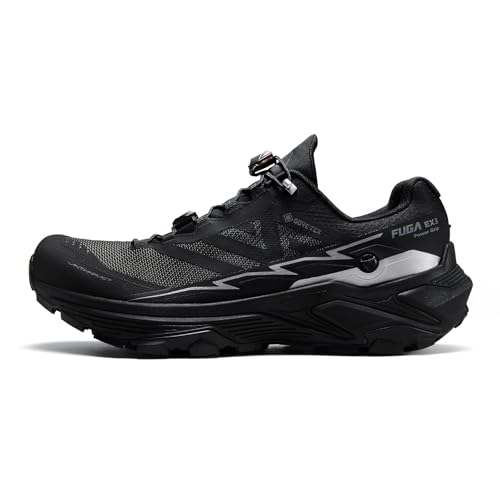

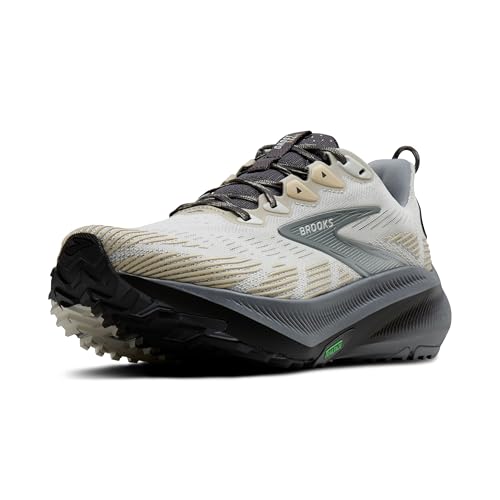


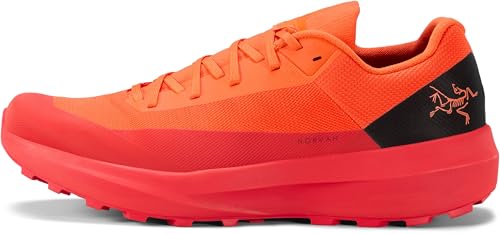
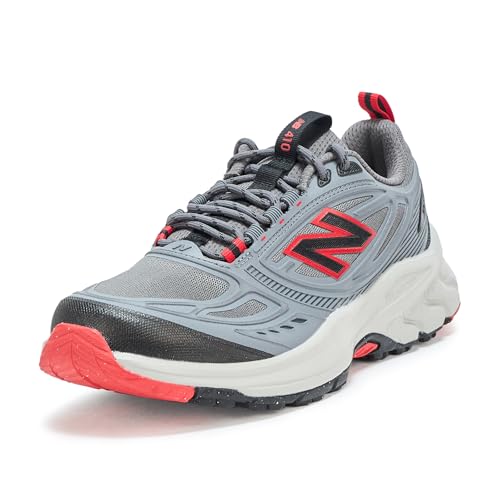
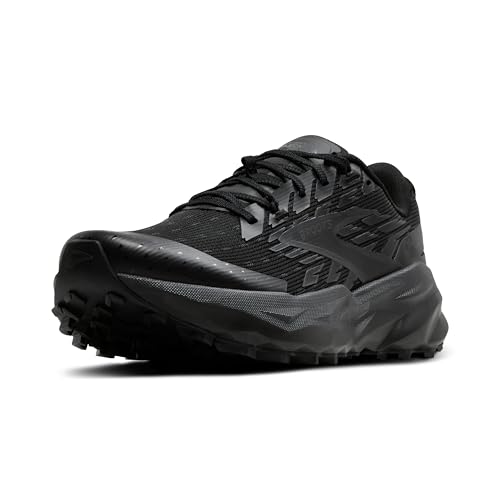
Three Price Tiers for the Best All Weather Running Shoes
Upper Midrange Tier
A balanced all around tier, often around $130 to $170, pairs a proven waterproof membrane with a grippy outsole and a midsole you would happily run in on dry days. This is the tier for runners who train four or more days a week through winter. Expect a fit close to the regular version of the same shoe, with slightly firmer material over the toes. The compromise is breathability on warm days, so many runners keep these for wet and cold months only.
Value Tier
Value tier pairs, around $90 to $130, usually offer water resistant uppers rather than full membranes, or a membrane paired with a simpler outsole. They suit runners in climates with light rain and cold mornings rather than months of standing water. Traction on wet pavement is typically good, while deep mud grip is limited. If most of your runs are on plowed roads and cleared paths, this tier covers the season at a fair price, especially if you rotate them with your dry weather shoes.
Premium Tier
Premium pairs, around $170 to $220, add the best membranes, cold weather rubber compounds that stay flexible in freezing temperatures, and details like gaiter attachments and reflective elements for dark winter runs. The midsoles tend to use newer foams that keep their cushioning in the cold instead of turning firm. Pay this level if you run trails in winter, train before dawn, or live where the wet season lasts half the year. Casual runners will get better value from the middle tier.
How to Choose Weather Running Shoes
The right choice starts with your routes. Pavement runners need wet grip and warmth, trail runners need lugs and drainage decisions, and everyone needs a fit that accounts for thicker winter socks. The best all weather running shoes for you will match those basics before any premium extra matters.
Fit, Sizing, and Toe Box
Try these shoes on in the afternoon with your winter running socks, which are usually thicker than summer pairs. You still want about a thumb width in front of your longest toe, because feet swell on long runs and toes need room on descents. Waterproof uppers stretch less than plain mesh, so a fit that feels borderline snug in the store will not loosen later. If you often run in the dark and cold, check that you can wiggle your toes freely, since cramped toes feel colder.
Outsole Traction and Terrain
For roads, look for plenty of rubber contact and a compound described as wet grip focused, because painted lines, manhole covers, and wet leaves are the real hazards. For trails, lugs of about 3 to 5 mm balance grip and road comfort, while deeper lugs suit mud but feel harsh on pavement. Rubber that stays soft in low temperatures grips better in winter, one reason premium winter models cost more. Match lug depth to the roughest surface you run weekly, not the roughest you might see once.
Upper Materials and Breathability
Membrane uppers use a laminated inner layer that blocks water while letting some vapor escape, and they feel warmer and stiffer than mesh. Tightly woven water resistant uppers breathe better and handle drizzle and splashes, but soak through in steady rain. Consider your temperature range honestly. In mild wet weather, an overly warm shoe leads to sweat soaked socks from the inside, which defeats the point. Runners comparing general daily trainers for dry days can see our main guide to the best running shoes for breathability focused options.
Break In Period and Comfort Out of the Box
Expect a short break in of two or three runs, mainly for the stiffer upper to shape around your forefoot. Start with a short easy run, not a long run, and check for rubbing at the ankle collar where waterproof materials can be less forgiving. Heel hold should feel secure from the first run. If you feel persistent pressure on top of the foot, loosen the midfoot laces and use a runner's loop at the top eyelet before deciding the size is wrong.
Waterproofing (Gore Tex and Membranes)
A full membrane keeps rain and slush out as long as water does not enter over the ankle, which is the weakness of every low cut waterproof shoe. Once water gets inside, a membrane shoe dries slowly, so pair it with wool socks that stay warm when damp and consider short gaiters for deep puddles or snow. Gore Tex is the best known membrane, and other brands offer similar systems. Choose a membrane for cold wet climates, and water resistance for mild ones where drying speed matters more.
Weight and Flexibility
Weatherproof versions usually weigh a little more than the same shoe in mesh, and that is normal. What matters is that the shoe still flexes at the toes rather than feeling like a board, because a stiff shoe changes your stride over long miles. If you do speed work in winter, compare weights across models, since heavy shoes blunt faster paces. Trail oriented winter shoes trade some flexibility for protection, which is a fair trade on rocky or root covered routes but tiring on smooth roads.
Cushioning and Support
Cold temperatures firm up many midsole foams, so a shoe that feels plush in the store may feel noticeably harder at freezing temperatures. Heel to toe drop in this category usually sits around 8 to 10 mm, which suits most runners, while lower drops load the calves more. Neutral cushioning works if your stride is balanced. Runners who overpronate should look at stability models with guide rails or firmer medial foam, because slippery surfaces amplify sloppy mechanics. If you are unsure of your type, a shoe store gait check is a practical first step.
Types of Weather Running Shoes
Stability and Support Shoes
Stability models add structure to guide the foot and limit inward roll. In winter versions they help runners whose form breaks down when they are tired or slipping. They suit overpronators and heavier runners who want control on uneven, wet ground. The trade off is a slightly firmer, heavier ride. Runners who also train in court shoes can compare crossover options in our guide to the best tennis shoes for running, though dedicated running shoes remain the better winter choice.
Neutral Shoes
Neutral models rely on cushioning without corrective structure, and they are the most common style in this category. They suit runners with a balanced stride and medium to high arches. Most membrane equipped daily trainers fall in this group, which makes them the easiest type to shop for. Men and women comparing fit differences can also check our guides to the best male running shoes and the best ladies running shoes for sizing notes that apply across seasons.
Waterproof Boots
High cut waterproof boots and boot style trail shoes cover the ankle, which keeps out snow and deep slush better than any low shoe. They suit winter hiking, snowshoe approaches, and very cold slow running or walking workouts. For faster running they feel heavy and restrict ankle motion, so treat them as a specialist option. If your winter training is mostly running rather than hiking, a low or mid cut shoe plus gaiters usually gives a better mix of protection and stride freedom.
Care and Maintenance Tips
- Replace running shoes every 300 to 500 miles, and sooner if the outsole lugs are worn smooth or the midsole feels dead in cold weather.
- Air dry wet shoes at room temperature away from direct heat, and remove the insoles so the inside dries fully and odor stays down.
- Rotate two pairs during wet weeks, because a membrane shoe can need a full day or more to dry between runs.
- Lace with a runner's loop to prevent heel slip, which is a common cause of blisters in stiffer waterproof uppers.
- Rinse road salt and trail mud off after runs, since salt degrades upper materials and grit inside the shoe wears the lining.
- Stuff shoes with newspaper after very wet runs to draw moisture out of the midsole area and help them hold their shape.
For runners whose main challenge is extreme cold rather than rain, our guide to the best cold weather running shoes focuses on insulation and winter rubber compounds in more depth.
Frequently Asked Questions
How should weather running shoes fit?
They should fit like your regular trainers, with a thumb width at the toes and a locked in heel, while allowing for thicker socks. Because membrane uppers stretch less, avoid buying a snug pair and hoping it relaxes. A useful extra check is to stand on one foot and twist gently. If your foot slides inside the shoe, that movement will become blisters and lost grip on wet corners, so try a different size or lacing pattern.
Can I wear them all day?
You can, and many people use them as winter walking shoes because of the grip and warmth. For all day wear, choose the more cushioned neutral models and avoid deep lugged trail versions on hard floors, which can feel unstable and noisy. One caution is heat. Indoors, membrane shoes feel warm fast, so they are better for days spent mostly outside. If you develop ongoing foot pain with all day wear, talk with a clinician about your personal needs.
How often should I replace my weather running shoes?
Use the same 300 to 500 mile guide as for regular trainers, but judge by feel in cold conditions, since foam that feels fine indoors may be worn out at low temperatures. Track the mileage of winter shoes separately, because they often serve several seasons of lower weekly use. A sudden increase in shin or knee soreness on familiar routes is a common sign the midsole is done, even if the upper still looks new.
Are expensive weather running shoes worth it?
They are worth it for runners who train through long wet or freezing seasons, because better membranes, cold friendly rubber, and durable uppers perform for more miles. The value case weakens for occasional rainy day use, where a value tier pair covers the need. Think in cost per run. A premium pair used four times a week all winter costs little per outing, while the same pair used twice a month does not justify itself.
Do I need waterproof shoes?
You need them if your routes are cold and wet, with puddles, slush, or steady rain, because dry feet stay warmer and blister less. You may skip them in mild climates where rain is brief and temperatures stay comfortable, since water resistant uppers breathe and dry better. One factor many runners miss is socks. Wool blend socks make even a non waterproof shoe workable in light rain, while cotton socks make any shoe miserable once wet.
Our Verdict
Decide by climate first: full membrane for cold and very wet training, water resistance for mild rain, and grip matched to roads or trails. Fit them with winter socks and do not accept a snug upper. The best all weather running shoes for you are the pair that keep your normal training rhythm going through the worst month of your year. Compare your final choices in the product table above and order from a retailer with easy returns.


