
Best Cold Weather Boots for Deer Hunting: Types, Fit and Care for 2026
Disclosure: We may earn a commission when you buy through links on this page, at no extra cost to you. As an Amazon Associate I earn from qualifying purchases. Learn more

Compare the best cold weather boots for deer hunting by type, insulation, waterproofing, fit and traction, with sizing and care tips for cold sits.
Cold mornings in a stand punish small choices. A boot that feels warm on a short walk can turn cold after two hours of sitting still, and a stiff sole that grips a ridge can feel clumsy in a swamp. The best cold weather boots for deer hunting solve that tension between warmth, quiet movement and steady footing. This guide compares boot types first, so you can use the product table with confidence.
Start with how you actually hunt. Note your usual distance on foot, how long you sit without moving, and whether your ground is dry ridges, creek bottoms or frozen fields. Those three answers point to insulation level, shaft height and sole pattern more reliably than price alone. The sections below match each hunting style to a boot type.


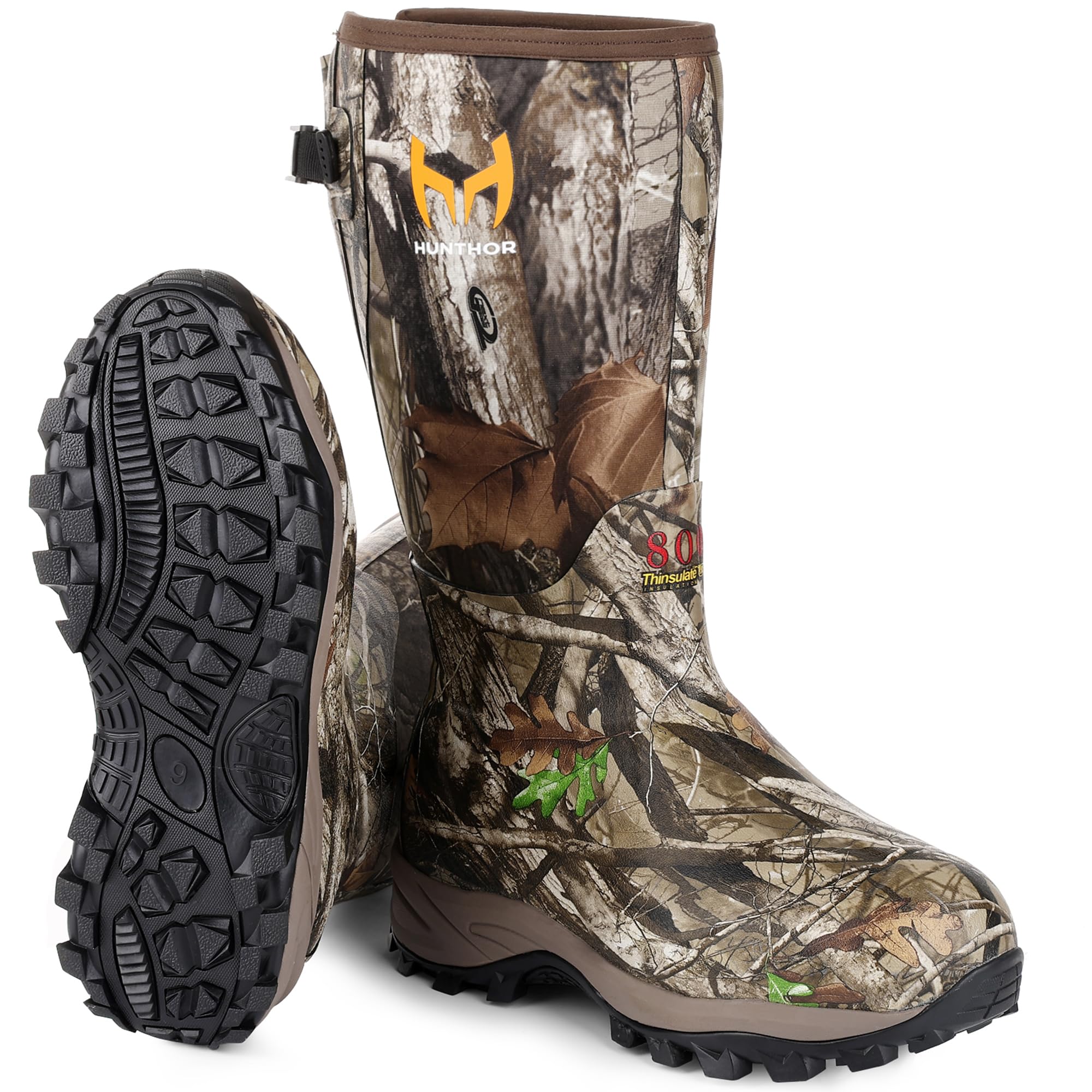

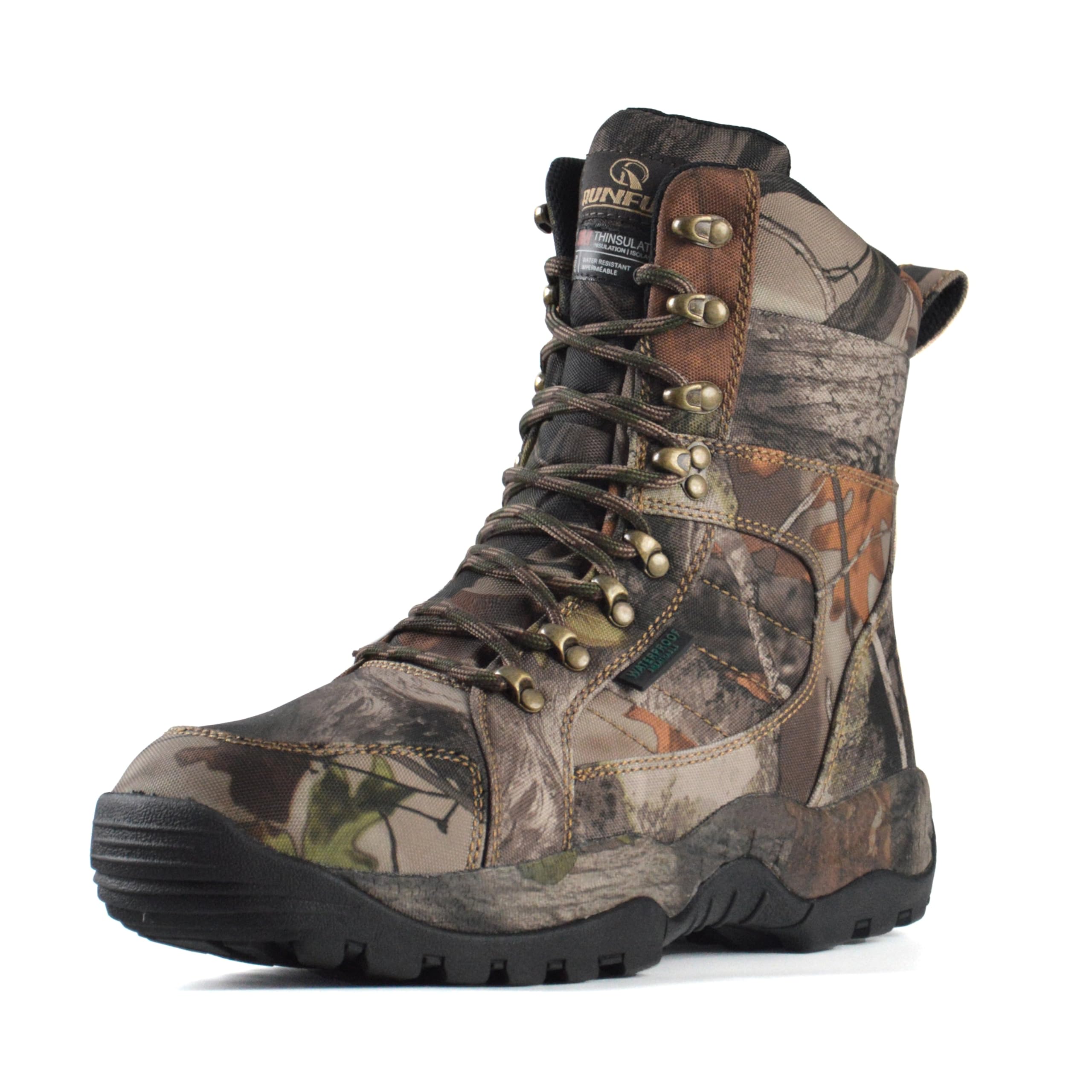
Types of Cold Weather Boots Compared
Three boot families cover almost every cold weather deer hunt. They differ in how they trap heat, handle water and carry scent, and those differences matter more than small styling changes. Judge each type against your own terrain and sitting time.
Insulated Leather Boots for Walking and Still Hunting
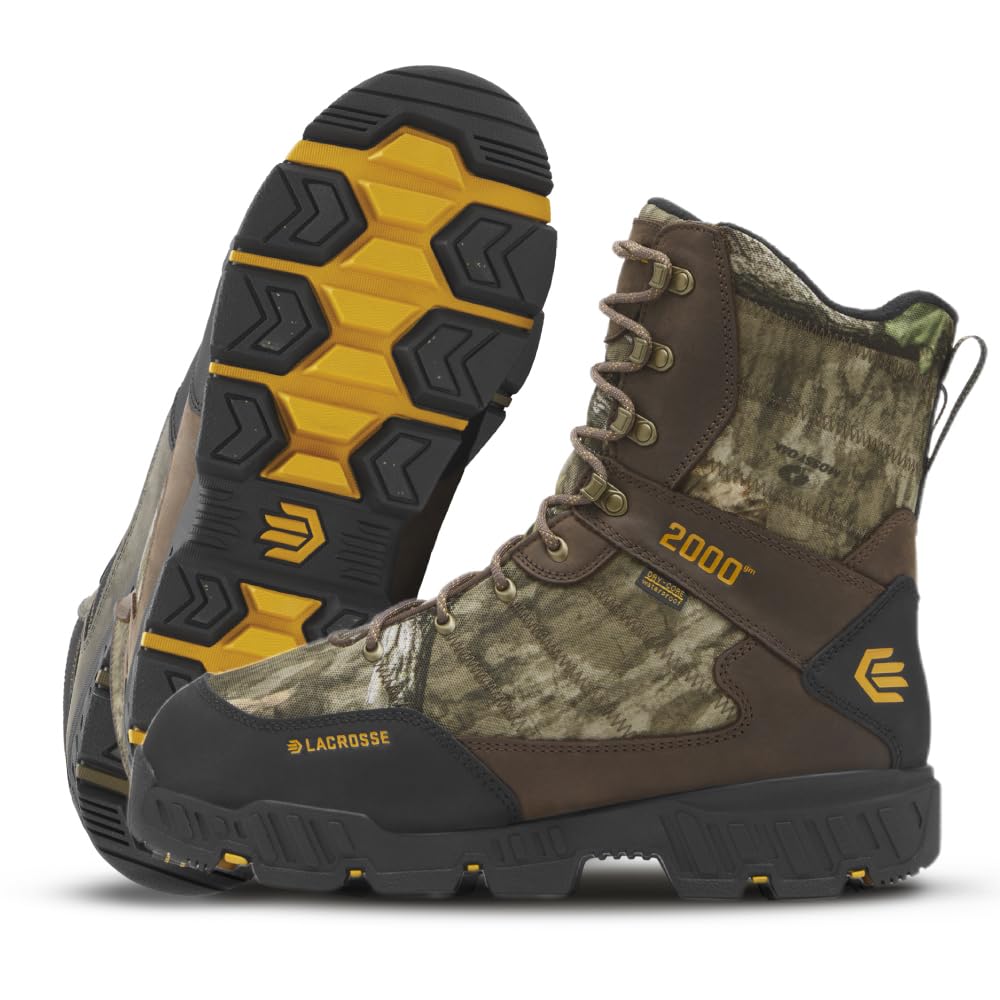
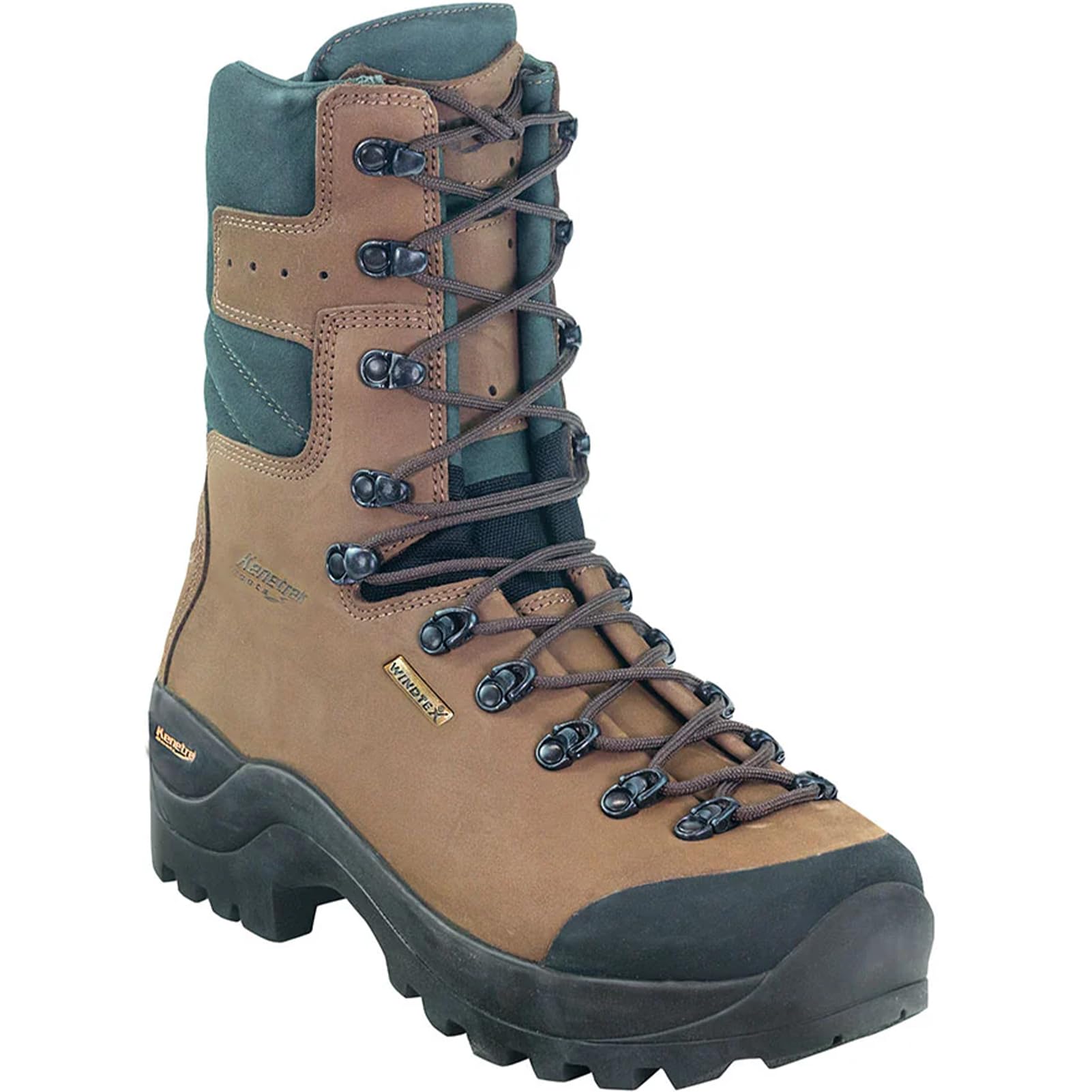
Leather boots with built in insulation suit hunters who walk ridges, climb to a stand and then sit for an hour or two. The lace system lets you tighten the heel for climbs and loosen the forefoot at rest, and a supportive midsole reduces strain on uneven ground. See our guide to the best insulated hunting boots for cold weather for lining choices, and choose this type when movement matters as much as warmth.
Rubber Boots for Wet Ground and Low Scent
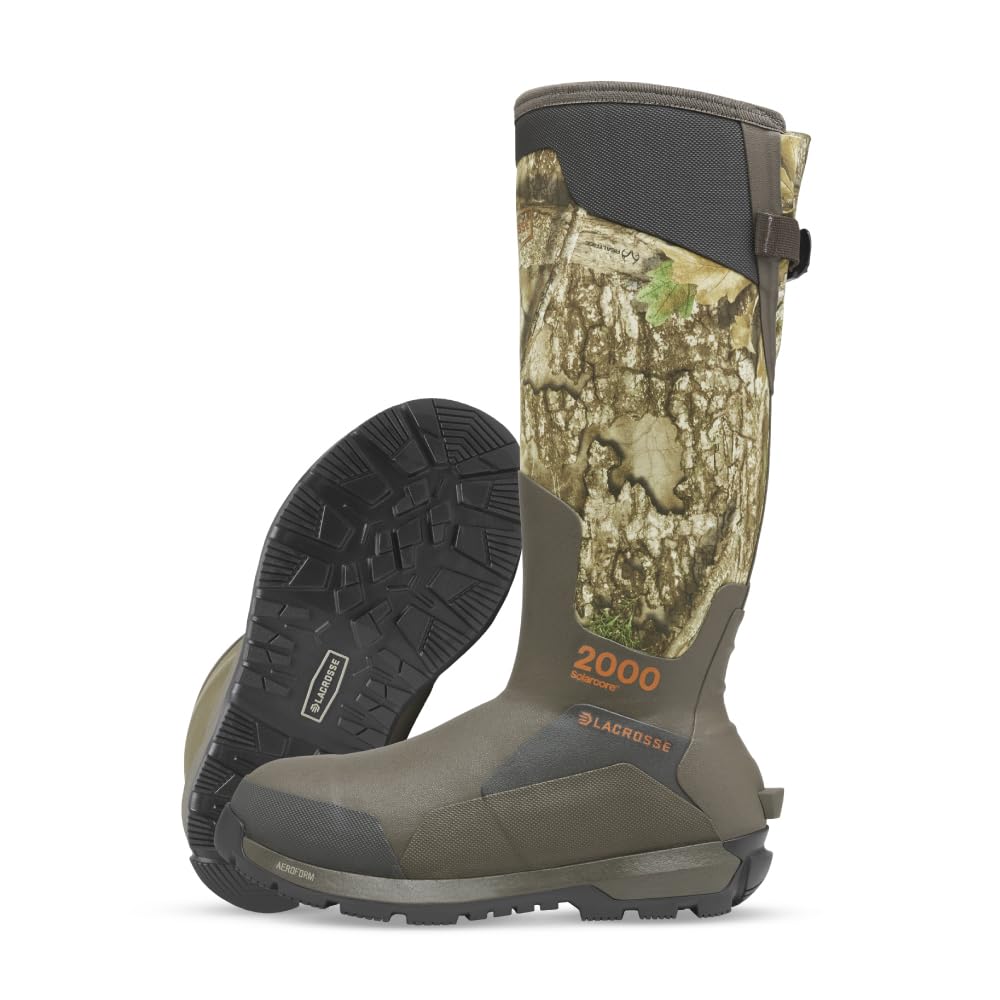
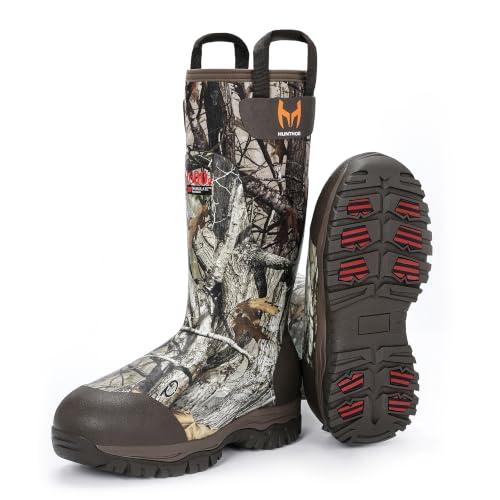
Rubber boots pull on without laces and shed water completely, which suits creek crossings, flooded timber and muddy field edges. The tall shaft keeps water and burrs out, and rubber holds less scent than leather, a real help when deer approach at close range. They flex less at the ankle and offer modest arch support, so long hill walks can tire your feet. See our guide to the best rubber hunting boots for cold weather if wet ground defines your season.
Pac Boots for Long Sits in Deep Cold
Pac boots pair a rubber lower section with a leather or fabric upper and a thick removable liner. That liner traps a deep layer of still air, so your feet stay warm during long motionless sits when blood flow slows. The trade off is bulk and weight, and the softer fit gives less ankle control on side hills. When temperatures stay well below freezing for days, see our guide to the best hunting boots for extreme cold weather.
Key Features to Compare for Deer Hunting
Once a type fits your hunting style, compare the details below in order. Each one changes warmth, comfort or safety on real ground, and a weakness in any one of them can end a hunt early.
Insulation Weight Matched to Your Activity Level
Insulation weight, usually listed in grams, tells you how much synthetic fill surrounds the foot. Around 200 to 400 grams suits active hunters who generate heat by walking. Around 600 to 1000 grams fits a mix of walking and sitting, while 1200 grams and above serves long still sits in deep cold. More fill adds bulk and can make feet sweat on the walk in. Match the rating to your stillest hour, not to your warmest walk.
Waterproofing, Gore Tex Membranes and Breathability
Waterproof boots rely on either a sealed membrane or a fully rubber shell. A membrane such as Gore Tex keeps rain and shallow water out while staying breathable enough for walking, which helps sweat escape before it chills your feet. Rubber blocks water completely but traps more vapor, so sock choice matters more with that design. Seams and the tongue gusset are common leak points, so check that the gusset reaches near the top of the laces.
Outsole Traction for Snow, Mud and Leaf Litter
The outsole pattern decides how surely you cross frosted logs, muddy slopes and wet leaf litter. Deep lugs of about 4 to 6 mm bite into soft ground and clear mud as you walk, while a defined heel helps you brake on descents. Hard rubber grips less on ice, while soft rubber wears faster on gravel. Look for tread with open channels at the edges, so packed mud sheds instead of building a flat sliding layer.
Shaft Height, Warmth and Scent Control
Shaft height shapes both warmth and protection. An 8 to 10 inch shaft suits dry upland walking and allows freer ankle movement. A 14 to 18 inch shaft guards against deep snow, creek water and brush, and it holds warmth around the calf where wind strips heat fastest. Taller shafts also reduce scent left on vegetation at ankle height. The cost is weight and stiffness, so choose height from your deepest crossing, not from habit.
Arch Support, Cushioning and Heel to Toe Drop
Arch support and cushioning decide how your feet feel at the end of a full day. A firm arch suits long walks on hard frozen ground, while softer cushioning eases pressure on soft soil. Heel to toe drop, the height difference between heel and forefoot, is often about 8 to 12 mm in hunting boots. A lower drop can feel steadier when you stand for long stretches.
Sizing and Fit Checks Before the Season
Measure both feet late in the day, when they are at their largest, and wear the thick socks you plan to hunt in. You want about a thumb width of space in the toe box so toes can move and warm air can circulate. That simple check does more for the best cold weather boots for deer hunting than any single feature, because a tight toe box restricts blood flow and cold follows quickly.
Walk a slope and some stairs in new boots before the season. Your heel should lift only slightly, and your toes should not strike the front when you step down. A boot that flexes at the ball of the foot will feel quieter and less tiring than one that bends mid arch.
Pay attention to noise as well as size. Soft outer fabrics brush past twigs and stand rails with less sound than hard glossy shells. Practice climbing into your stand at home, because a sole that feels fine on flat ground can catch on small metal steps.
Common Mistakes to Avoid
These errors look small at home and grow large in cold woods.
- Choosing insulation for the walk in rather than the sit leaves your feet cold once you stop moving and heat output drops.
- Buying your summer shoe size while planning thick socks leaves toes pressed against the front and slows circulation during cold sits.
- Wearing cotton socks under waterproof boots holds sweat against the skin and makes feet feel cold even inside warm insulation.
- Ignoring a stream crossing on your route and picking a short shaft lets water over the top and ends the hunt early.
- Skipping a break in period before opening day causes heel blisters that change your stride and add noise in the woods.
How to Make Cold Weather Deer Hunting Boots Last Longer
After each hunt, pull out removable liners and insoles and let every part air dry at room temperature, away from direct heat. Strong heat can crack leather and warp rubber, so patience protects the boot. Stuff loosely with dry newspaper if the inside feels soaked, then remove the paper so air can move.
Brush off dried mud, rinse rubber shells with plain water, and treat leather as the maker directs before storage. Stand boots upright in a dry place with the shafts open, and check seams and laces before the next season. If you hunt several days in a row, rotate two pairs so each boot dries fully between outings.
FAQ
What features matter most in cold weather boots for deer hunting during long sits?
Insulation matched to inactivity matters most, because a seated hunter produces far less body heat than a walking one. One point many hunters miss is the stand itself, since a metal platform draws heat from the sole all morning. A simple foam pad under your boots adds a barrier.
How often should you replace cold weather boots for deer hunting?
Replace cold weather deer hunting boots when they leak, the insulation feels flat and thin, or the lugs no longer grip wet ground. A worn removable liner can sometimes be replaced on its own, which restores warmth for a pac boot at lower cost than a full new pair.
How should cold weather boots for deer hunting fit with thick hunting socks?
Cold weather deer hunting boots should feel snug at the heel and midfoot, with clear space ahead of the toes when you wear your thickest hunting socks. Test the fit standing on a slope or a step down, not only on a flat floor. Toes that touch the front on a descent will ache on the walk out.
How long is the break in period for leather deer hunting boots?
The break in period for leather deer hunting boots is usually a few short walks spread over about one to two weeks. Start on easy ground and add distance as the leather softens around your ankle and forefoot. Rubber and pac boots need little break in time, but still test them with your hunting socks first.
Can you wear cold weather deer hunting boots all day?
Yes, you can wear cold weather deer hunting boots all day if the fit and insulation match your activity. Loosen the laces slightly once you settle in a stand so circulation stays strong. A spare dry pair of socks at midday can rescue comfort after a sweaty walk in.
Wrapping Up
Match insulation to your stillest hour, choose the boot type that fits your ground, and confirm the fit with your hunting socks before the season opens. Use the product table to compare shaft height, insulation weight and sole pattern side by side.
With those checks done, the best cold weather boots for deer hunting become a quiet and warm base for the whole hunt. Pick the simplest design that meets your coldest day, and spend the saved effort on time in the woods.


