
Best Cold Tubs: Choosing a Tub for Cold Water Soaking in 2026
Disclosure: We may earn a commission when you buy through links on this page, at no extra cost to you. As an Amazon Associate I earn from qualifying purchases. Learn more

Compare cold tub types by depth, insulation, running cost and space so the best cold tubs suit how you plan to soak.
Cold tubs are tubs made for sitting in chilly water, whether that means a collapsible ice bath you set up in the garage or a stainless steel soaking tub on the patio. The best cold tubs are the ones that match your budget, your available floor space, and how often you expect to use them. The product table lines up the main formats, and the sections below explain what separates them.
Most shoppers fall into one of three groups. Some want a cheap way to try cold water immersion without committing, some want a dependable tub for regular use at home, and a few want a permanent outdoor installation. Naming your group first keeps you from paying for features you will never touch or from buying a tub you will outgrow in a month.




Which Cold Tub Suits Which Buyer
The curious beginner
If you are not sure the habit will last, a foldable portable tub with a lid is the low risk option. You can set it up in a spare corner, fill it with a hose, and put it away when you are done. Expect to buy ice regularly, and treat the first month as a trial of the routine rather than a long term investment.
The regular home user
People who plan to use a tub several times a week usually do better with a rigid or well insulated tub that holds water temperature without constant ice. Pair it with a chiller if your budget allows. Comfort matters more here than novelty, so look at the seat height, the rim, and how easy it is to climb in and out when your hands are cold.
The permanent outdoor installation
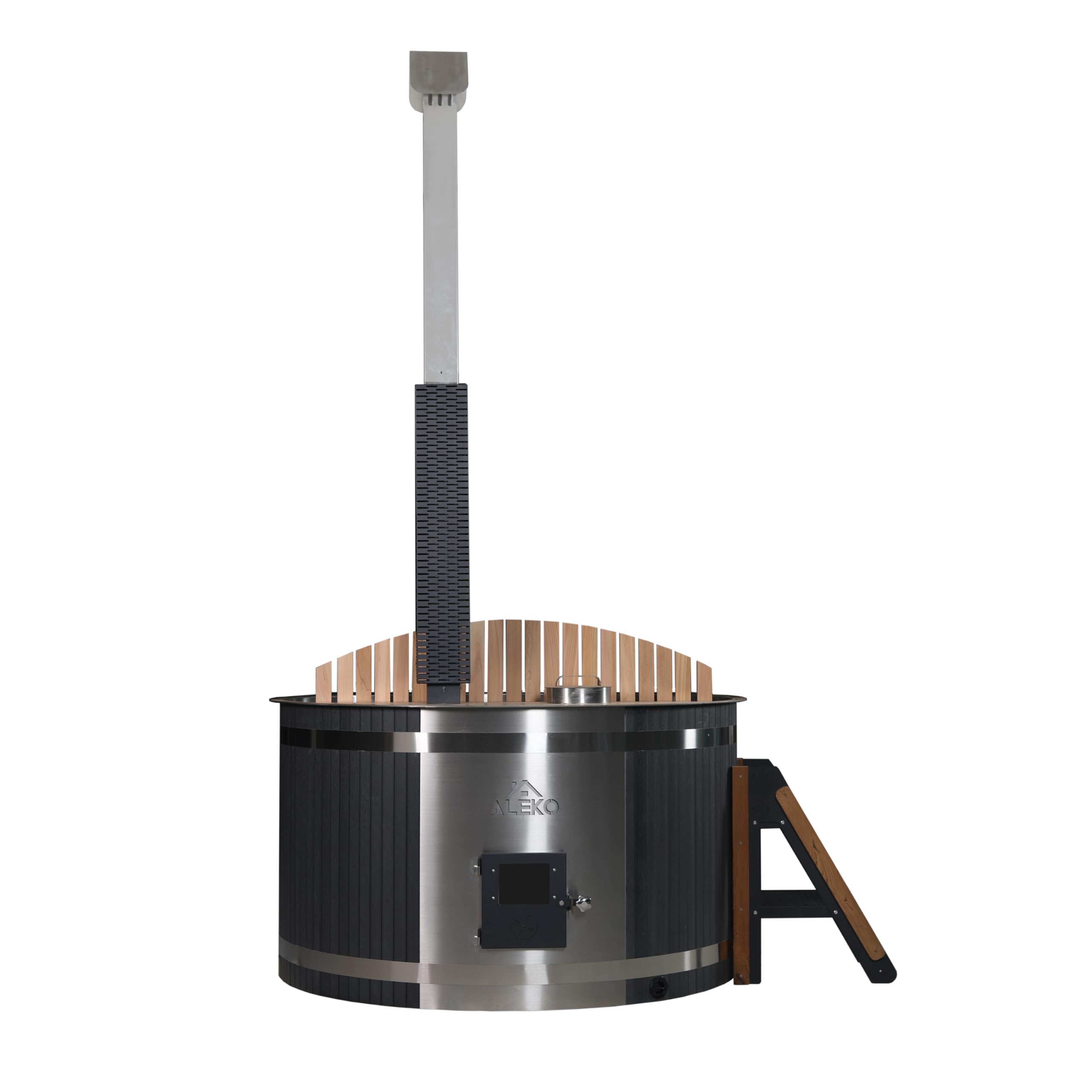
Stainless steel and cedar tubs are designed to stay outside in all weather and often serve as both hot and cold tubs. They need a level base, a drainage plan, and sometimes a dedicated electrical supply. Plan the installation before you buy, because moving a full tub is not realistic.
Key Features to Compare
- Insulation: thicker walls and a tight lid slow warming, which saves ice or chiller running time.
- Depth and shape: you need enough depth to sit with water at shoulder height, and oval shapes give taller people more leg room.
- Drain design: a built in drain plug or spout saves lifting buckets, which gets heavy fast.
- Cover: a fitted lid keeps debris out and slows warming between sessions.
- Chiller compatibility: some tubs have ports or space for a chiller hose, while others do not.
- Outdoor durability: UV resistant materials and sturdy seams matter if the tub lives outside.
Cold Tub Costs Beyond the Sticker Price
The tub is only the first expense. Ice is the biggest ongoing cost for casual users, and a busy week of plunges can use a lot of it. A chiller removes that cost but adds its own purchase price and electricity use. Water, cleaning supplies, a thermometer, a cover, and a mat for the floor are smaller items that add up. Add these to your budget before comparing tubs, because a cheap tub with high running costs can end up costing more than a better insulated one.
A fair way to compare is to estimate your yearly use. If you will plunge a few times a month, a basic foldable tub and bagged ice may be all you need. If you expect to plunge most days, put the money into insulation and a chiller, since those cut the work you do every session.
Space, Weight and Location
Cold tubs hold a lot of water, and water is heavy. Never place one on a weak deck, an upstairs floor, or a balcony without checking the load rating. A concrete garage floor, patio slab, or basement with a floor drain is the most forgiving place. Indoors, think about splashes and condensation, and protect the floor underneath with a waterproof mat.
Leave room around the tub for a towel hook, a place to sit afterward, and a path to the nearest drain. Outdoors, shade helps keep water cold in summer, but keep the tub clear of overhanging branches that drop debris.
Safety and Water Care
Cold water puts real strain on the heart and breathing, so build up gradually and never plunge alone. If you have heart disease, high blood pressure, breathing problems, or are pregnant, talk with your doctor first. Get out at once if you feel chest pain, trouble breathing, numbness that does not ease, or confusion, and warm up slowly afterward.
Keep the tub covered, skim off leaves, and replace cloudy water promptly. Rinse the walls with a cleaner made for spa and plunge tubs, and let the tub dry before folding or storing it. Drain it completely before a hard freeze.
Mistakes to Avoid
The most common error is buying a tub that is too shallow, which leaves your shoulders in the air. The second is forgetting about the running cost of ice. The third is skipping the floor load check. Buyers also tend to overlook the lid, but a good cover is what keeps the water clean and cold between sessions.
If you are comparing formats and want a closer look at one popular format, see best cold plunge tubs for a guide centered on plunge style tubs.
Frequently Asked Questions
How cold should a cold tub be?
There is no single right number, and what feels manageable varies from person to person. Many people start with water that feels very cool and short sessions, then adjust over time. Use a thermometer, follow the manufacturer guidance, and talk with your doctor if you are unsure what is appropriate for your health.
How often should I change the water?
Change it when it looks cloudy, smells off, or has collected debris. A covered tub in a clean indoor spot can go longer than an open outdoor tub. Adding a filter or a sanitizer made for plunge tubs can lengthen the interval, so follow the instructions for whichever product you use.
Can I use a cold tub outdoors in winter?
Yes, if the tub is designed for outdoor use and you drain it before it can freeze solid, since ice expansion can crack fittings. In cold weather the water chills quickly, so many people shorten sessions and warm up in a sheltered spot nearby.
Is a chiller worth the extra cost?
It is worth it if you plunge often and dislike buying ice. A chiller holds the water at a steady temperature and filters it, but it adds a purchase price, power use, and setup. If you plunge only now and then, ice in an insulated tub is usually enough.
How do I enter and exit safely?
Step in slowly with one hand on the rim, sit down carefully, and keep your first sessions short. When you get out, dry off, put on warm clothes, and move slowly while your body warms up. Use a non slip mat beside the tub, since wet surfaces and cold hands make slips more likely.
Final Thoughts
The best cold tubs balance depth, insulation, and running cost against the space you have and the way you plan to use them. Compare the options in the product table, plan for ice or a chiller, and put safety first. If you have any health concern, ask your doctor before you start.


