Best Cold Plunge Tubs: Types, Sizing and Setup Guide for 2026
Disclosure: We may earn a commission when you buy through links on this page, at no extra cost to you. As an Amazon Associate I earn from qualifying purchases. Learn more

Compare cold plunge tub types by depth, insulation, chilling and care, plus the safety basics to know before your first plunge.
A cold plunge tub is a deep, insulated or collapsible tub filled with cold water or ice so you can sit in it up to your shoulders. The best cold plunge tubs hold their temperature, drain easily, and fit the space where you plan to use them. The product table shows the main formats, and this guide explains how the choices differ in daily use.
Prices and styles vary enormously. At one end are foldable and inflatable tubs that cost less than a pair of running shoes and store in a closet. At the other are stainless steel and cedar tubs that stay outside year round and cost as much as a small car. Most buyers should start by deciding where the tub will sit, how often they plan to plunge, and whether they will add a chiller or rely on ice.





Cold Plunge Tub Types Compared
Foldable and inflatable tubs
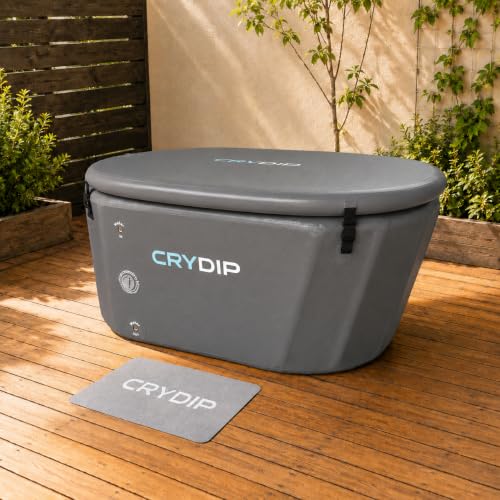
These tubs pack flat, set up in minutes, and usually come with an insulated cover. They are the sensible first step for anyone unsure how often they will plunge. Listings in the hub range from roughly 88 gallons to well over 200 gallons, so check the interior depth and your own height before you buy. Their walls insulate modestly, which means you will need ice or a chiller to hold the water cold for long.
Hard shell tubs
Rigid plastic or composite tubs keep their shape, hold heat out better than thin fabric walls, and feel steadier when you step in and out. They need permanent floor space, and moving them takes two people. They suit garages, patios, and gym corners where the tub can stay put.
Stainless steel and wood barrel tubs
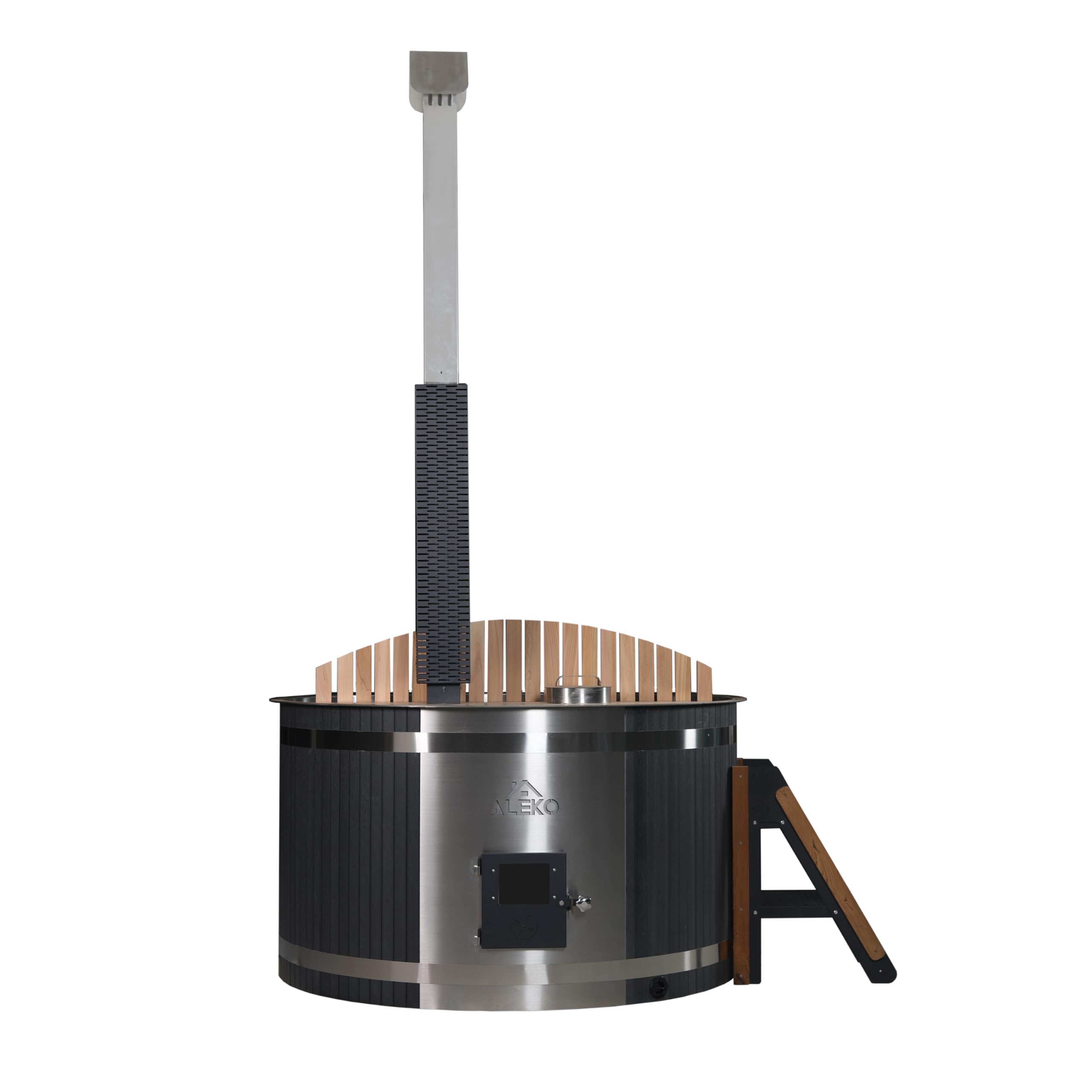
Premium stainless and cedar barrel tubs are built to live outdoors and often combine hot and cold use. They are heavy, need a level surface or reinforced deck, and cost far more than the other types. Buy one only if you know you will use it often and have planned the water supply, drainage, and electrical connection.
Insulation, Chilling and Water Temperature
Water warms quickly in a room or outdoors in summer, so insulation is the feature that decides how much ice or chilling you need. Look for thick double wall or foam backed construction and a tight fitting lid. If you want a steady temperature without hauling ice, pair the tub with a chiller made for plunge tubs, since a chiller circulates and cools the water through a filter. Chillers are a separate purchase with their own power and plumbing needs, so read the instructions before you commit.
Whichever method you choose, use a simple floating thermometer so you know the temperature before you step in. Guesswork leads to plunges that are either too mild to matter or colder than you planned for. Keep a towel, a dry robe, and non slip footwear within reach, and plan how you will warm up afterward.
Size, Depth and Fit
Depth matters more than length, because a plunge only works if the water reaches your shoulders while you sit. Measure from the floor to your shoulder when seated, then compare that number to the interior depth in the listing. Taller users should favor deeper tubs or oval shapes that allow stretched legs. Smaller households can use compact round tubs that squeeze into a corner but leave less room for another person.
Weight is the hidden constraint. A full tub holds hundreds of gallons of water, and water is heavy, so check the load rating of any deck, balcony, or upstairs floor. Concrete slabs, patios, and garage floors are the safest locations. Keep the tub away from plants that would suffer from drainage and from any slope that could let it slide.
Setup, Water Care and Maintenance
Level the ground, lay down a protective mat, and fill the tub slowly while checking the seams. Cold water slows algae growth, but standing water still turns cloudy within days. Cover the tub when it is not in use, skim off leaves and dust, and change the water on a schedule that suits your usage. People who plunge several times a week often add a filter or sanitizer designed for plunge tubs, while casual users may simply empty and rinse the tub after a few sessions.
Clean the walls with a mild cleaner made for hot tubs and cold plunges, rinse thoroughly, and dry the cover to prevent mildew. Store foldable tubs only after they are fully dry, folded loosely, and out of direct sun. Drain the tub completely before freezing weather arrives, since trapped water can crack fittings.
Cold Exposure Safety
Cold water puts strain on the heart and breathing, so start with short sessions and never plunge alone. People with heart disease, high blood pressure, breathing problems, or who are pregnant should talk with their doctor before trying a cold plunge. Get out at once if you feel chest pain, trouble breathing, numbness that does not ease, or confusion, and warm up slowly afterward. Follow the manufacturer instructions for the tub and any chiller.
Common Mistakes to Avoid
- Buying a tub that is too shallow, so your shoulders stay out of the water.
- Skipping the floor load check and placing a full tub on a deck or balcony.
- Ignoring ice costs, which add up quickly if you plunge several times a week in warm weather.
- Leaving the tub uncovered, which invites debris, algae, and warm water.
- Pushing the temperature or session length beyond what feels safe because of social media challenges.
Where Related Guides Fit In
If you are still deciding between formats, best cold tubs compares the broader category, and best quality tubs covers build quality across tub types. Buyers who want a tub that can run hot as well as cold should read best cold weather hot tubs and best inflatable hot tubs for cold weather, since many of the same insulation questions apply.
Frequently Asked Questions
How big should a cold plunge tub be?
Big enough that the water reaches your shoulders when you sit with your knees bent, and long enough that your legs are comfortable. For one person, a round tub of around 90 to 100 gallons often works, and taller people may prefer larger oval tubs. Measure your seated shoulder height and compare it to the interior depth before ordering.
Do I need a chiller for a cold plunge tub?
Not at first. Many people begin with ice added to an insulated tub and see whether the habit sticks. A chiller makes sense when you plunge often, want a consistent temperature, or are tired of buying ice. Check the chiller capacity against the water volume of your tub.
Can I use a regular bathtub for cold plunges?
You can use any tub that holds water safely, but a standard bathtub is usually shallow and loses cold quickly. A purpose made plunge tub is deeper and better insulated. Whatever you use, take the same safety steps and keep your first sessions short.
How often should I change the water?
It depends on use, location, and whether you use a filter or sanitizer. Cold water stays fresh longer than warm water, but outdoor tubs collect leaves and dust. Cover the tub, skim regularly, and replace the water as soon as it looks cloudy or smells off. Follow the care guidance that comes with your tub and filtration equipment.
Are cold plunge tubs safe for everyone?
No. Cold immersion is not suitable for everyone, particularly people with heart or circulation conditions, high blood pressure, or pregnancy. Talk with your doctor before you start, begin gradually, and never plunge alone.
Final Thoughts
The best cold plunge tubs are the ones you will actually use: deep enough for your height, insulated well enough for your climate, and simple enough to set up and clean without effort. Use the product table to compare formats, check the floor space and load, and plan your cooling method before you order. Start slowly, follow the manufacturer instructions, and ask your doctor if you have any health concern.