
Best Cold Hunting Boots: Matching the Right Model to Your Routine for 2026
Disclosure: We may earn a commission when you buy through links on this page, at no extra cost to you. As an Amazon Associate I earn from qualifying purchases. Learn more

Match insulation, fit, waterproofing and traction to your routine with this guide to the best cold hunting boots for long cold sits and walks.
There is no single pair that suits every hunter, because a long motionless sit, a slow stalk through wet timber, and a short walk to a nearby blind ask very different things of your feet. The best cold hunting boots for you are the ones matched to your routine, your terrain, and how still you stay once you get there. Warmth means little until you connect it to your socks and activity level.
This guide works through that matching process in plain order. You will sort yourself into a user group, compare the features that change warmth and comfort, and learn how insulation and shaft height trade against weight. Use the product table to compare insulation amounts, heights, and materials once you know your group.

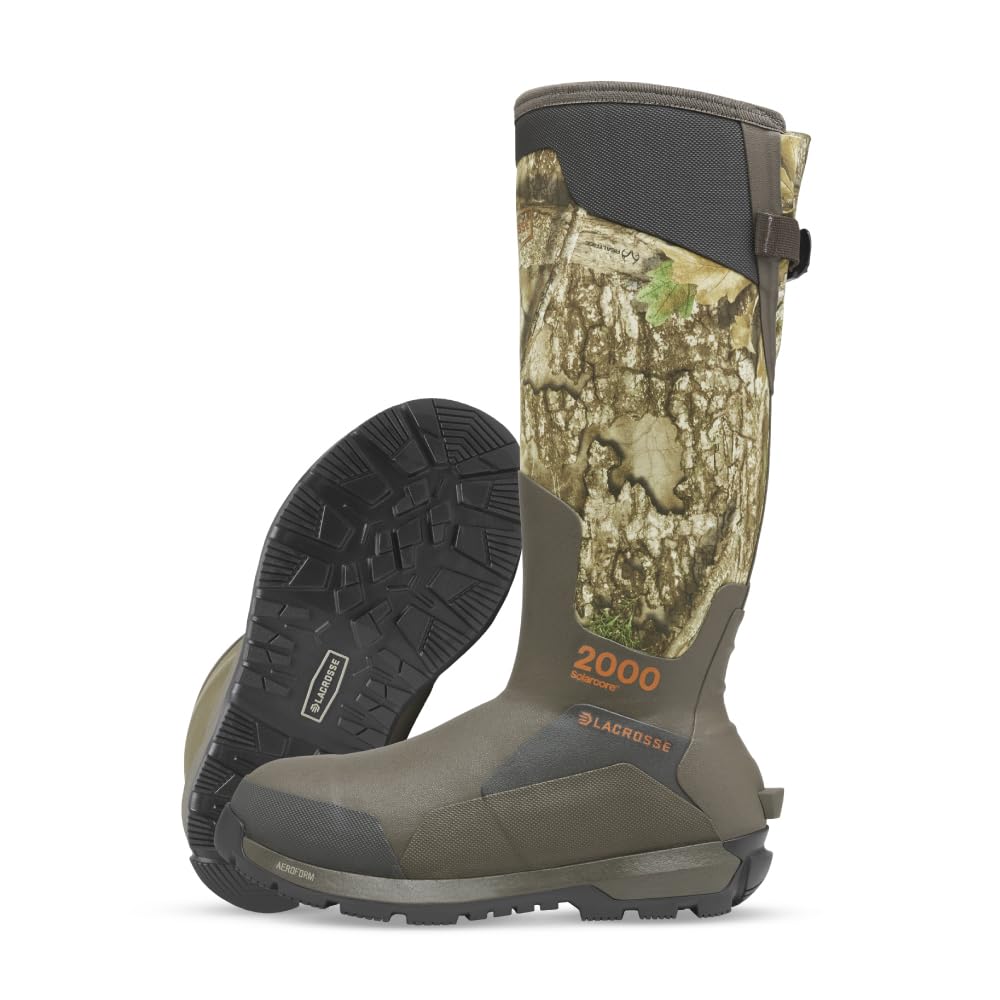

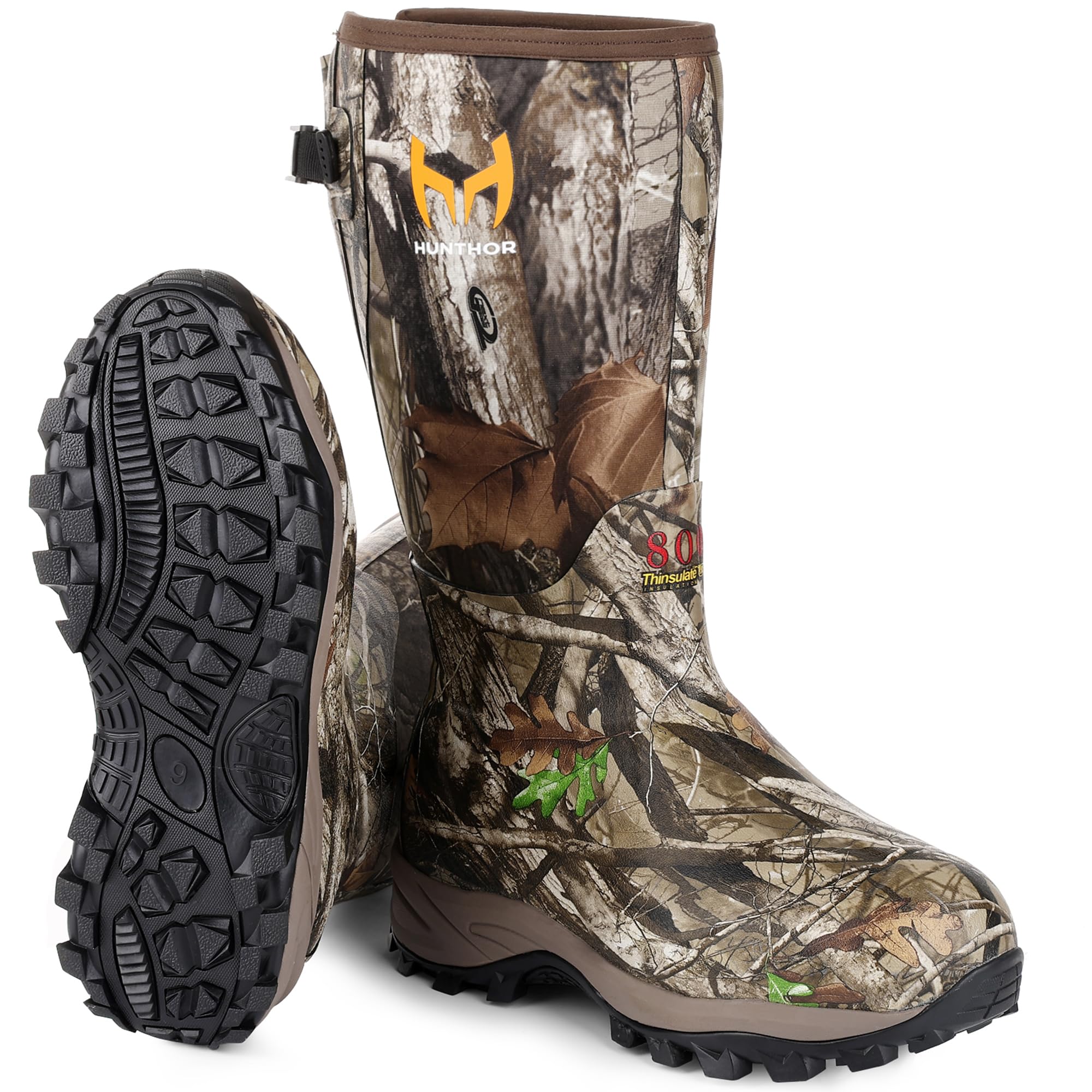
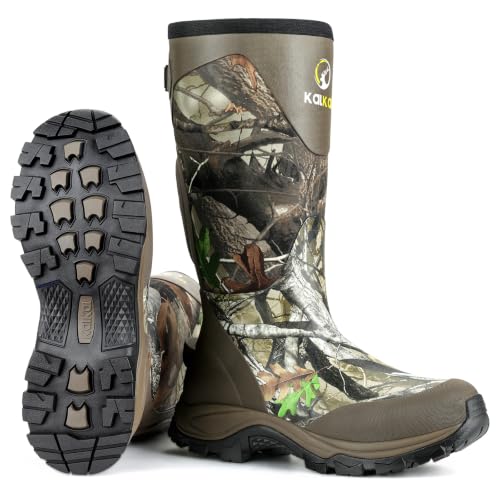

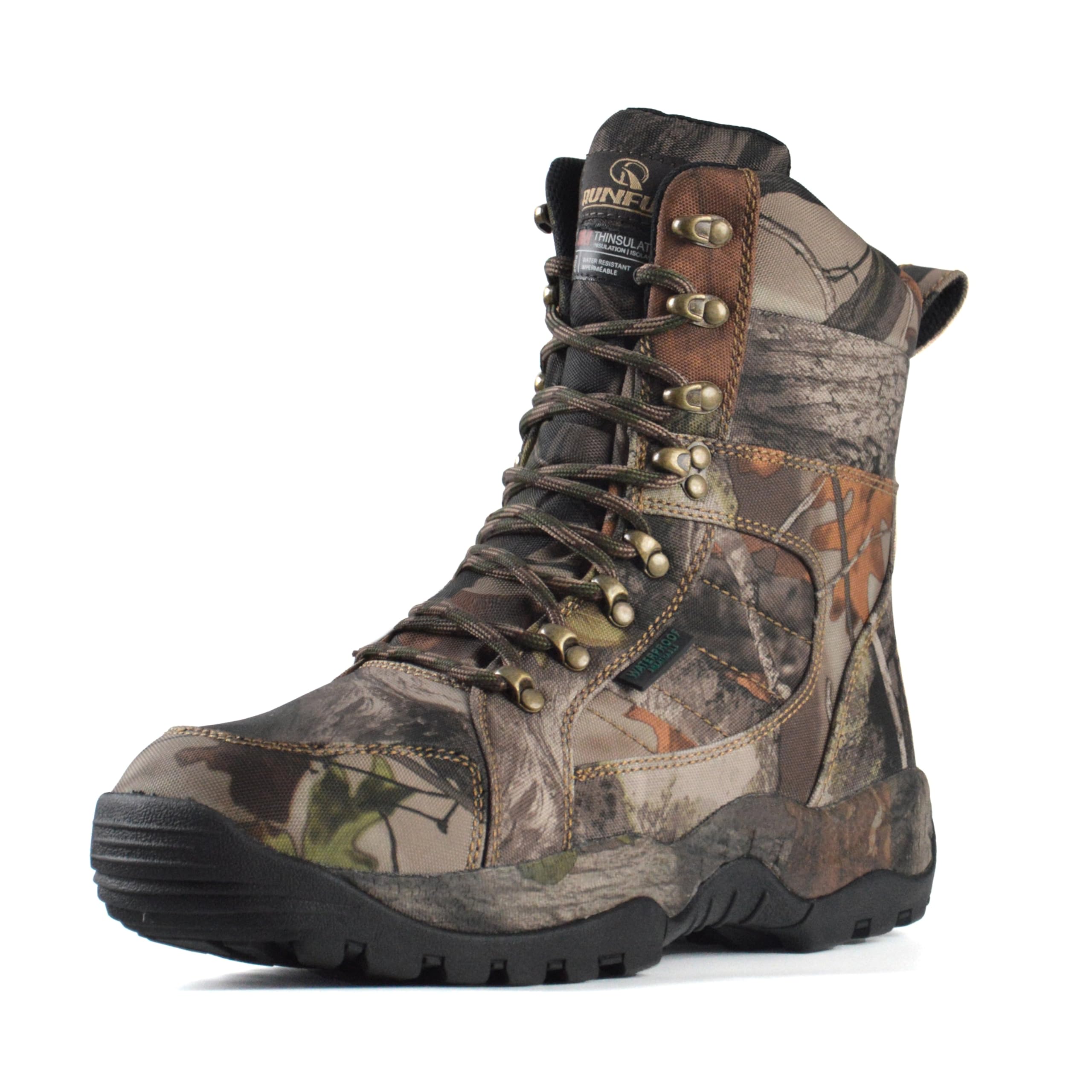
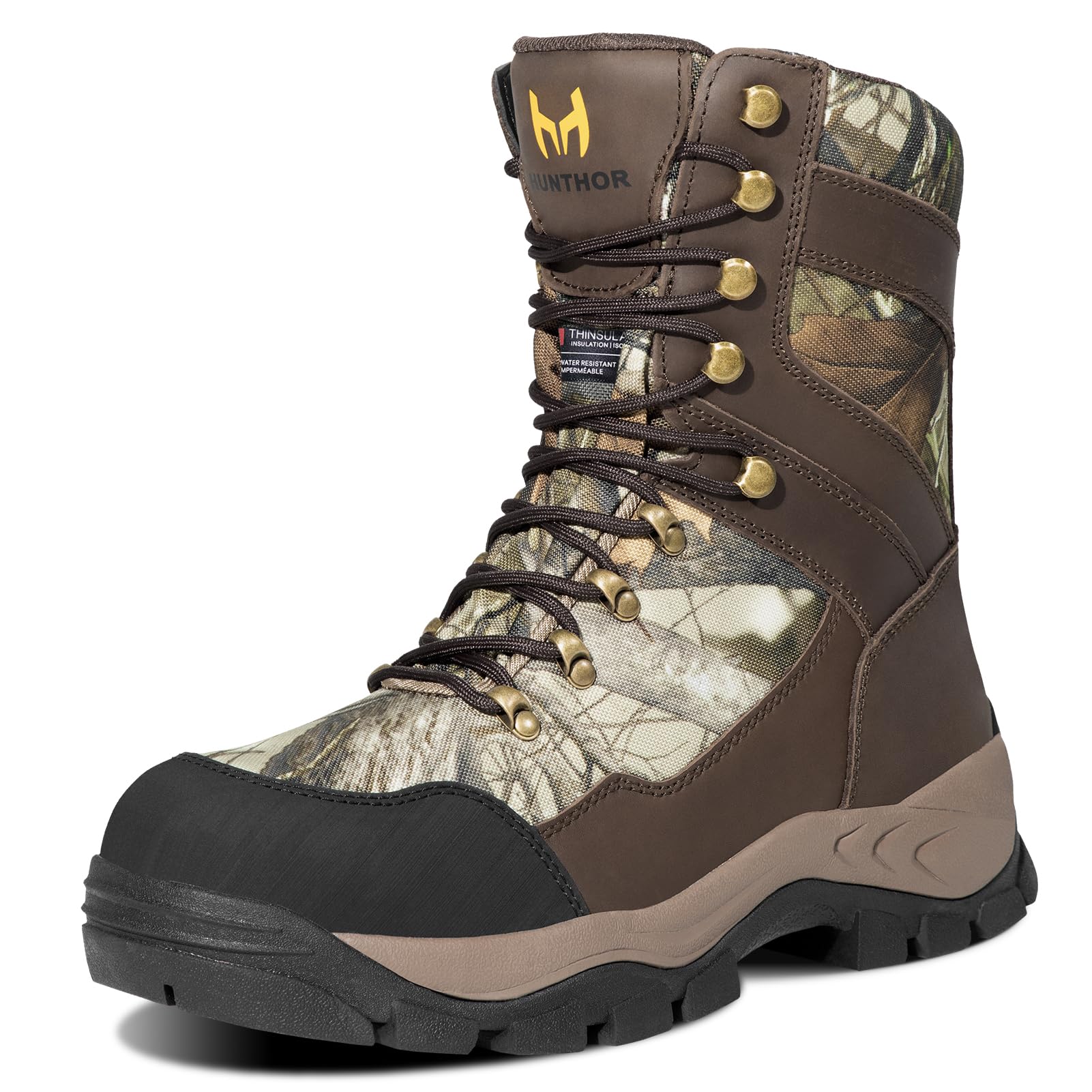
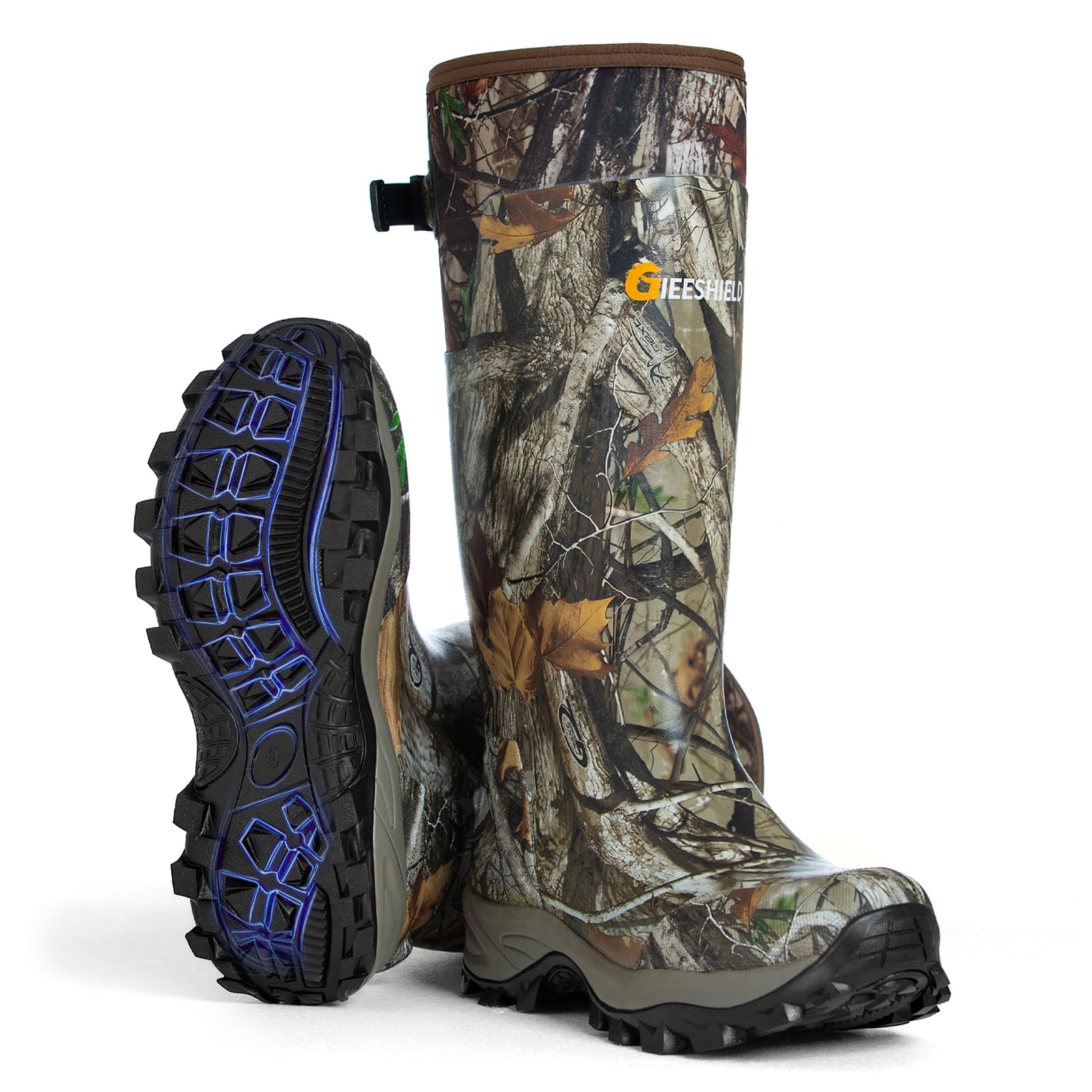
Who Should Buy Which Cold Hunting Boots?
Start with how you actually hunt, not with the warmest rating you can find. Moving hunters generate body heat and need moderate insulation with room to vent moisture. Sitting hunters lose heat fast and need far more insulation, plus a fit that never squeezes circulation. If you are unsure where you fall, our broader guide to the best cold weather hunting boots covers general choices, while the groups below narrow things down by routine.
For Bad Weather and Tough Conditions
If your season brings standing water, slush, creek crossings, and mud that pulls at every step, put waterproofing and shaft height first. Tall rubber or fully sealed leather boots keep water out when you cross wet ground slowly, and a higher shaft stops slush from spilling over the top. Look for sealed seams, a gusseted tongue on lace styles, and an outsole with deep lugs that clear mud instead of packing smooth. A leaking boot ends a hunt faster than a heavy one does.
For Frequent or Serious Users
If you hunt several days a week across a long season, you will feel small flaws that a casual hunter never notices. Prioritize a supportive midsole, dependable arch support, and a stable heel cup that keeps your foot from sliding on side slopes. Replaceable insoles help, because the factory insole often packs down long before the upper wears out. For the coldest weeks, see our guide to the best hunting boots for extreme cold weather, which focuses on the heavy insulation end of the range.
For Weekend Beginners
If you hunt a handful of weekends each season, keep the choice simple and forgiving. A mid height boot with moderate insulation around 400 to 800 grams covers most outings when you add the right socks, and it will feel less clumsy while you learn your ground. Choose a roomy fit you can adjust with lacing, and spend the money you save on good wool blend socks and a spare dry pair. Avoid the heaviest insulation at this stage, because bulky boots make quiet steps harder.
Key Features to Compare
The features below decide whether a boot that looks warm on paper stays warm on your feet. Read them in order, because fit affects insulation, and the outsole decides how safely you reach the place where warmth matters. The product table above lists the headline numbers, but the notes here explain what they feel like in use.
Fit, Sizing, and Toe Box
Measure your feet late in the day, when they are slightly swollen, and always try boots on with the thick socks you will hunt in. Your toes should wiggle freely inside the toe box, with about a thumb width of space in front of your longest toe. A snug fit that feels fine in thin socks will restrict blood flow in thick socks, and restricted circulation makes feet cold no matter how much insulation surrounds them. Women often find a narrower heel in a dedicated last, so see our guide to the best women's hunting boots for cold weather if unisex sizing leaves your heel slipping.
Waterproofing With Gore Tex and Other Membranes
A waterproof membrane such as Gore Tex sits inside the boot and blocks outside water while letting some sweat vapor escape, which is why these boots are described as breathable. That balance suits lace up leather and fabric boots used on damp ground, wet grass, and light snow. The trade off is that a membrane boot can still wet out from the inside if you sweat heavily on the walk in. Fully rubber boots block water completely but trap more moisture, so your routine decides which approach fits.
Outsole Traction and Terrain
The outsole is your only contact with frozen ground, so match lug shape to your terrain instead of chasing the deepest tread. Wide spaced deep lugs grip mud and snow and shed both as you walk, while tighter lugs feel steadier on rock and frozen ruts. A slightly soft rubber compound grips cold hard surfaces better than a very hard one, which can skate on ice. Look for a defined heel brake for downhill steps, and remember that no hunting outsole replaces careful footing on glare ice.
Break In Period and Comfort Out of the Box
Leather lace up boots usually need several short walks before the ankle and forefoot flex where your foot bends, while rubber and fabric boots feel closer to final fit right away. Wear new boots around the house first, then on short walks, and only then on a full hunt, so a hotspot never ruins a morning. Comfort also depends on heel to toe drop, the height difference between heel and forefoot. A moderate drop feels natural for walking, while a very flat boot can tire calves.
Insulation, Height, and Weight for Your Routine
Insulation is usually listed in grams, and the right amount depends mostly on how still you sit. Around 200 to 400 grams suits active hunters in mild cold, 600 to 1000 grams suits most sitting hunters in serious cold, and higher amounts suit long motionless sits in deep cold. These are starting points, not promises, because wind, socks, and your own circulation shift the result a lot. If insulation weight is your main decision, our guide to the best insulated hunting boots for cold weather goes deeper on how gram ratings compare across brands.
Shaft height works with insulation. A taller shaft keeps snow out, supports the ankle in ruts, and lets you cross shallow water without worry. It also adds weight and can feel stiff on long walks. Rubber styles take this trade the furthest, giving full waterproof coverage up to the knee with insulation built into the foot. If your ground is swamp, flooded timber, or wet snow all season, see our guide to the best rubber hunting boots for cold weather for how rubber compares with membrane boots.
Weight deserves honest thought, because every extra pound on your feet costs energy on the walk in and out. Lightweight boots with fabric panels help active hunters cover ground quietly, but they rarely match the warmth of a heavy insulated boot during a long sit. Many hunters dress for the walk and add insulation at the stand, with warmer socks or boot blankets carried in a pack. That only works if your fit leaves room for the extra layers.
Stability ties these choices together. A firm heel counter and a stiff shank keep your ankle from rolling on frozen uneven ground, and that stability matters more as the boot gets bulkier. Check that the boot flexes at the toes rather than in the middle of the arch, because midfoot flexing tires your feet and reduces arch support over a long day.
Common Mistakes to Avoid When Buying Cold Hunting Boots
- Buying by insulation rating alone, so an active hunter ends up sweating in boots built for motionless sits and then chills in damp socks.
- Sizing up too far for thick socks, so the heel lifts with every step and blisters form before you reach your spot.
- Choosing a snug fashion fit with no toe room, so circulation drops and feet feel cold within the first hour.
- Ignoring the outsole and hunting frozen ruts or mud in shallow tread, so one slip ends the day or worse.
- Skipping the warranty and care details, so a small seam leak in the first season becomes a full price replacement.
- Taking brand new boots straight on a long hunt, so a stiff ankle or hotspot turns a good morning into a short one.
Care and Maintenance Tips for Cold Hunting Boots
After each hunt, pull the insoles out and air dry your boots slowly at room temperature, away from direct heat such as a wood stove or radiator, because strong heat cracks leather and weakens adhesives. Stuffing loosely with newspaper helps draw moisture from the toe area overnight. Brush mud off once dry, since grit in flex points wears stitching faster.
Between hunts, treat leather uppers with the conditioner the maker suggests, and check membrane boots for cuts where water could enter. Store boots upright in a dry place with air flow, not sealed in a plastic tote while still damp, because trapped moisture grows odor and mildew. Rotate a second pair on back to back hunt days when you can, so each pair dries fully.
Frequently Asked Questions
How should cold hunting boots fit?
Cold hunting boots should fit snug at the heel and midfoot with clear wiggle room for your toes. Wear your hunting socks when you judge the fit, and walk downhill on an incline board if the store has one, because your toes should never jam the front. One useful extra check is to push your foot forward until your toes touch, then confirm you can slide one finger behind your heel, which confirms walking room without excess length.
Can you wear cold hunting boots all day?
Yes, you can wear cold hunting boots all day if the insulation matches your activity and you manage moisture. Sitting hunters do well in heavy insulation, but anyone walking far should loosen laces or change socks at midday to release trapped sweat. A point many hunters miss is that standing on cold metal stand platforms drains heat through the sole, so an insulated insole or a foam pad under your feet extends comfortable sitting time a lot.
How long is the break in period for cold hunting boots?
The break in period for cold hunting boots is usually one to two weeks of short walks for leather styles, and much shorter for rubber and fabric styles. Build up distance gradually and note any hotspot early, because tape or a sock change fixes a small rub while a blister does not heal mid season. If a boot still pinches the same spot after several outings, the last is likely wrong for your foot shape, and more time rarely fixes a shape mismatch.
Do you need waterproof cold hunting boots?
You need waterproof cold hunting boots whenever your route crosses creeks, slush, wet snow, or dew soaked grass, which covers most cold season ground. Dry frozen ground is the main exception, where a non waterproof insulated boot can feel slightly more breathable. Remember that waterproofing only works below the top of the shaft, so gaiters add real value on membrane boots in deep wet snow by stopping water and snow from entering over the collar.
How often should you replace cold hunting boots?
You should replace cold hunting boots when warmth, waterproofing, or traction fails, rather than on a fixed schedule. Clear signs include insulation that feels flat and cold after full drying, a leak you cannot seal, cracked uppers, or lugs worn smooth. One extra sign hunters overlook is a midsole gone soft in the middle, because once the boot flexes under the arch instead of at the toes, long walks leave your feet aching.
Final Thoughts
Match the boot to the routine first, then check fit with your real socks, and only then compare insulation numbers in the product table above. Sitting hunters should favor warmth and toe room, active hunters should favor moderate insulation and lower weight, and wet ground hunters should favor height and full waterproofing. Get those calls right and the best cold hunting boots for your season become a simple short list. Order early enough to break them in before opening day.


