
Best Cold Towels: How to Choose a Cooling Towel That Works in 2026
Disclosure: We may earn a commission when you buy through links on this page, at no extra cost to you. As an Amazon Associate I earn from qualifying purchases. Learn more

Learn how to choose the best cold towels for workouts, work, and hot days, with clear guidance on fabric, size, cooling time, activation, and care.
A cold towel sounds simple, but the difference between one that cools you down for an hour and one that feels like a damp rag in ten minutes comes down to fabric, size, and how the towel holds water. If you train outdoors, work in the heat, or travel in summer, choosing the best cold towels for your routine saves money and frustration.
This guide explains how cooling towels work, which fabrics stay cold longest, and what size fits your neck and shoulders. Use the product table to line up sizes and materials, then read on for the details listings rarely explain.



Who Should Buy a Cooling Towel?
Cooling towels are not medical devices, and they do not replace shade, rest, or drinking water. They are a comfort tool that pulls heat away from your skin while water evaporates from the fabric. The groups below get the most from them.
Runners, Cyclists, and Gym Regulars
You finish hard efforts feeling flushed and overheated, and you want relief that starts in seconds rather than after a cold shower. A midsize towel draped around your neck cools the skin where you feel heat most, and it can be wet again at any water fountain. If you train at midday in summer, look for a towel long enough to cover your neck and shoulders at once.
Outdoor Workers and Gardeners
You spend hours in direct sun with few chances to step inside, so a towel you can reactivate at a hose or cooler fits your day better than a short lived ice pack. Choose a durable fabric that tolerates daily washing and rough handling in a tool bag or truck cab. A darker color also hides work grime between washes.
Travelers, Spectators, and Theme Park Visitors
You walk long distances in crowded, hot places and need something that packs into a small pouch and weighs almost nothing when dry. A cooling towel beats carrying a battery fan once the day stretches past a few hours, because it only needs water to work again. Parents at youth sports like the same trait, since one towel serves through a whole tournament day with a few trips to a water station.
One safety note applies to every group. A cooling towel helps you feel more comfortable, but confusion, dizziness, nausea, a racing pulse, or skin that stops sweating in the heat are warning signs of heat illness that need shade, rest, and medical help right away. If you have a heart condition, take medication that affects heat tolerance, or care for someone who does, talk with a clinician about safe heat limits before relying on any cooling aid.
Key Features to Compare
The product table above lists sizes and fabrics side by side, but the points below explain what those specs mean in daily use. Listings for the best cold towels often lead with bold cooling claims, yet fabric, size, absorbency, and packability decide whether those claims match your routine.
Fabric and How It Cools
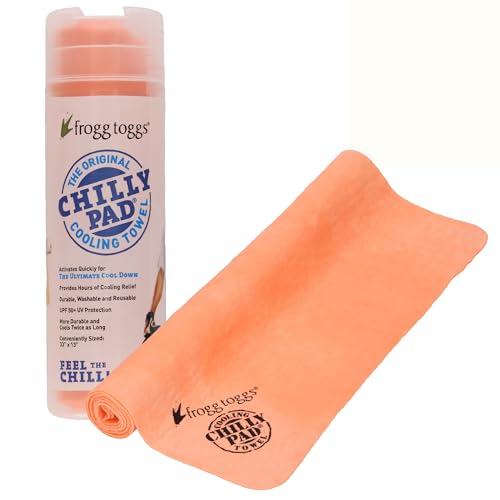
Most cooling towels use one of three fabrics. Microfiber blends of polyester and nylon split into fine fibers that hold water across a wide surface, so evaporation cools steadily for one to three hours in dry air. Mesh knit versions feel lighter and breathe better in humid weather, though they hold less water and cool for a shorter stretch. PVA towels, the sponge like sheets sold in tubes, absorb the most water and feel coldest at first, but they dry rigid and must be stored damp, suiting home or gym use more than travel.
Size and Coverage
Length matters more than width for most buyers. A towel around 40 inches long wraps your neck with both ends resting on your chest, while shorter 24 to 30 inch versions suit a quick face and neck wipe during a workout. Oversized towels near 50 inches cover shoulders and upper back, which helps after long runs or during yard work, but the extra wet fabric adds weight around your neck.
Absorbency and Quick Dry Behavior
Absorbency decides how much water the towel can hold, and that water is the fuel for cooling. A towel that drinks up water evenly, without dry patches, cools evenly too. Between uses, quick dry fabric is a real advantage, because a towel that dries within an hour or two in open air is far less likely to smell musty in a gym bag. Quick drying and long cooling pull in opposite directions, so pick by your day: long cooling for outdoor work, faster drying for workouts and travel.
Packability and Carry Options
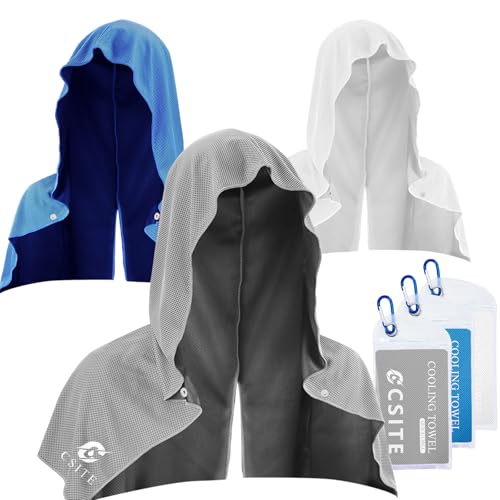
Many cooling towels ship with a small pouch, a silicone sleeve, or a carabiner bottle that clips to a bag. These extras sound minor until you carry a wet towel away from a trailhead or ball field. A ventilated pouch lets the towel breathe so it does not sour before you get home, while a sealed container keeps your bag dry but traps odor if forgotten. With multipacks, check whether each towel gets its own case.
Skin Feel and Certifications
A cooling towel sits on your face and neck for long stretches, so surface feel and fabric safety are worth a look. Smooth microfiber feels gentle on sun warmed skin, while textured weaves grip better and stay put during movement. If fabric safety matters to you, look for OEKO TEX Standard 100 certification, which means the finished textile was checked against a list of restricted substances. It does not make the towel cool any better, but it is a reasonable tiebreaker for towels that children or people with sensitive skin will use.
How to Activate a Cooling Towel
Activation takes under a minute and follows the same steps for nearly every fabric. Soak the towel fully until no dry spots remain, since dry fibers cannot evaporate and cool. Wring it out until it feels damp rather than dripping, because excess water runs down your back without adding cooling time. Then snap or shake the towel in the air for five to ten seconds, which spreads the water through the fibers and starts evaporation, and drape it around your neck.
When the cooling fades, you rarely need to soak the towel again from scratch. Shaking it in moving air restarts evaporation for a while, and a quick pass under a tap restores full cooling once the fabric has mostly dried.
Cooling Towels Versus the Towels Already in Your Closet
A regular cotton bath towel can feel cool for a few minutes when wet, but its thick loops hold water in heavy clumps, dry slowly, and turn clammy against your skin. That is why purpose made cooling fabrics exist. Still, your bathroom towels remain the right tool after showers and baths, and if you are stocking a guest bath, see our guide to the best bathroom towels for sizes and weights that suit daily drying. Shoppers comparing plush cotton options often start with the best quality towels for long staple cotton picks, or narrow the search with the best quality bath towels when absorbency is the top priority.
Families ask a fair question here: can a cooling towel help a small child cool down? For babies, skip cooling towels entirely, since infants regulate temperature poorly and a cold wet cloth can chill them too fast. Gentle options made for delicate skin are covered in our guide to the best towels for newborns, and parents of slightly older babies will find soft hooded styles in the best infant towels guide. For any child who seems ill in the heat, with unusual sleepiness, vomiting, or a high temperature, contact a pediatrician or urgent care rather than relying on a towel.
Common Mistakes to Avoid
- Storing a wet towel sealed in its case for days, which grows mildew and a sour smell that washing may not fully remove.
- Wringing the towel almost dry before wearing it, which leaves too little water for sustained evaporation and cooling.
- Choosing the longest towel for running, which adds swinging wet weight that annoys you within the first mile.
- Using fabric softener on microfiber towels, which coats the fibers and cuts both absorbency and cooling power.
- Expecting strong cooling in heavy humidity, which slows evaporation no matter which fabric you bought.
- Treating a cooling towel as protection against heat illness, which delays the shade, rest, and water you actually need.
How to Make Your Cold Towel Last Longer
Care for a cooling towel is simple, and it protects the absorbency that makes the towel work. Wash a new towel before its first use to remove loose fibers and any factory finish that blocks water uptake. After that, machine wash in cool or warm water with a mild detergent, and wash it separately or with similar synthetic fabrics, since cotton lint clings to microfiber and dulls its performance.
Skip fabric softener and dryer sheets for the life of the towel, because their coating builds up on fine fibers and the towel slowly stops absorbing. Air drying is gentlest and takes little time with these thin fabrics, though a low heat dryer cycle suits most microfiber blends. PVA towels are the storage exception: keep them slightly damp in their tube so they stay soft, and soak a stiffened one in warm water to restore it. Let any used towel dry fully in open air before folding it away, and replace towels that keep a musty smell after washing or show thinning and tears.
Frequently Asked Questions
How long does a cold towel stay cold after activation?
Most microfiber cooling towels feel noticeably cool for about one to three hours, depending on heat, humidity, and airflow around you. Dry desert air stretches that window, while still humid air shortens it. One point listings rarely mention: the towel usually feels coolest against skin that is already warm, so after a break in the shade it may seem weaker until your skin warms up again during activity.
Can you put a cold towel in the freezer for extra cooling?
Yes, a damp cooling towel can go in the freezer for a short boost, and it feels intensely cold for the first minutes afterward. The tradeoff is stiffness: a frozen towel will not drape around your neck until it softens, and repeated freezing can crack PVA towels over time. For most outings, cold tap water plus a good shake gives nearly the same comfort with less planning.
What size cold towel works best for workouts?
A midsize towel around 35 to 40 inches long suits most workouts, covering your neck while leaving your arms and form unobstructed. Shorter towels are fine for wiping your face between sets but slide off during movement. A sizing trick worth knowing: measure a scarf or light towel you already like wearing around your neck and match that length, since personal torso size changes what feels right more than any chart.
Why does a cold towel stop working in humid weather?
Cooling towels work through evaporation, and humid air is already loaded with moisture, so water leaves the fabric slowly and takes less heat with it. The towel is not broken; the physics just gets harder. In humid conditions, placing the towel where air moves, such as near a fan or on a breezy sideline, restores much of the effect, and thinner mesh fabrics often outperform thick ones because they expose more surface to that moving air.
How often should you wash a cold towel?
Wash a cooling towel after every two or three uses in summer, and after any single use where it soaked up heavy sweat or sunscreen. Sunscreen is the hidden factor here: its oils clog fine fibers faster than sweat does, so a towel used at the beach or pool may need washing after one outing. A quick rinse alone is fine between same day uses, as long as the towel dries fully afterward.
Final Thoughts
Start with fabric, since microfiber, mesh, and PVA each cool differently, then match the length to how you will wear it, and favor quick drying if the towel will live in a gym bag. The product table above pulls those details together so you can compare at a glance. Choose well and the best cold towels for your routine become the gear you grab without thinking every time the temperature climbs.


