Best Coffee Makers for Office Use (2026): Work Guide
Disclosure: We may earn a commission when you buy through links on this page, at no extra cost to you. As an Amazon Associate I earn from qualifying purchases. Learn more

Capacity at peak times, drink range and a clear cleaning owner: how to pick the best coffee makers for office use for a busy team.
A shared office brewer must please many people at once, so best coffee makers for office use should favour reliability, capacity, and simple cleaning over exotic features. Teams want coffee fast at peak times, with enough range to cover black coffee lovers and milky drink fans alike. The product table below can help you compare brewer types for a workplace before you buy.
This guide differs from a home buying guide because shared use changes every priority. Cleaning, refilling, and durability matter more, while fine flavour tuning matters less when ten people share one machine. Plan for the busiest morning, not the quietest afternoon, and choose a brewer the whole team can use without training.



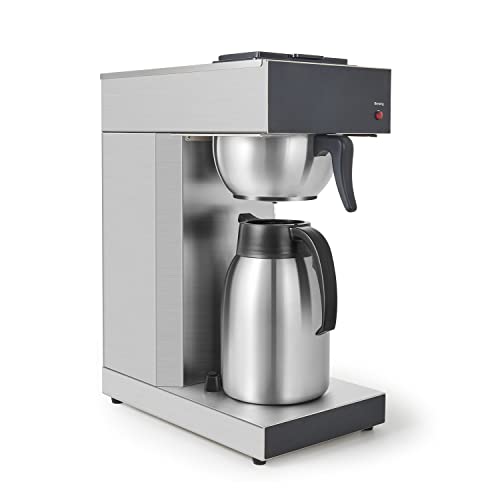

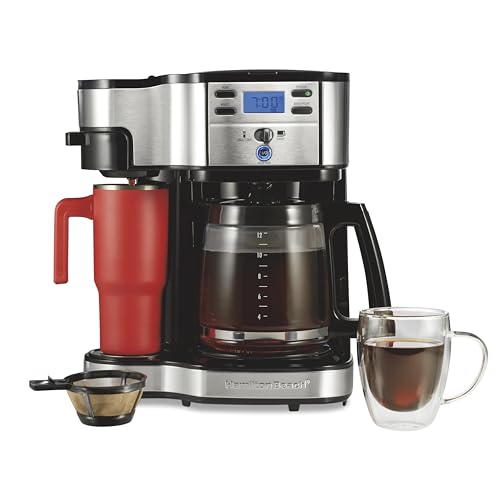
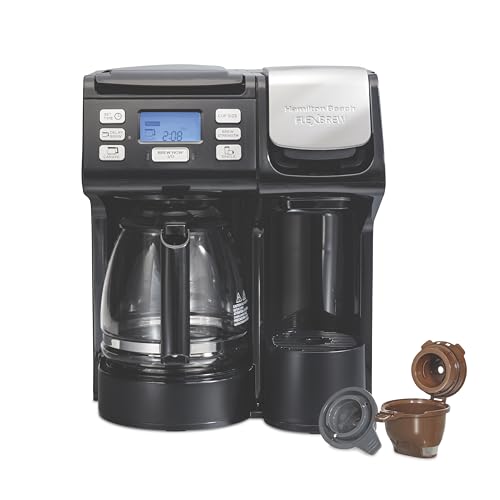
Who Should Buy an Office Coffee Maker
Office coffee makers suit workplaces where several people drink coffee daily and a home brewer would wear out or cause queues. Small teams often do well with a sturdy drip maker or a bean to cup machine, while larger offices may need higher capacity or a plumbed model. If your office drinks fewer than ten cups a day, a good home brewer may serve you better for less money.
They are less ideal for single person offices, where a personal brewer gives better coffee with less cleaning. Offices with strict food policies or no cleaning owner should also think carefully, since shared machines need regular care. Match the machine to real daily use and to whoever will maintain it, or the purchase will disappoint.
Key Features of the Best Coffee Makers for Office Use
Capacity and Peak Speed
For the best coffee makers for office use, count daily cups over a normal week and check peak demand, since morning rushes stress a machine more than total volume. A large drip brewer serves many cups at once, while single cup machines avoid queues only when they brew fast. Recovery time between cups matters for pod and espresso machines, since slow recovery creates a line. Choose capacity for your busiest hour, not just your daily total.
Drink Range and Simplicity
Bean to cup machines cover black and milky drinks from one unit, which pleases varied teams without barista skill. Drip makers excel at black coffee but leave milky drink fans to add milk themselves. Pod machines offer variety with little cleaning, though pod costs grow fast at office volumes. Survey the team briefly, since one popular drink can decide the purchase, then favour simple controls everyone can learn.
Cleaning Ownership
Shared machines need a clear cleaning owner, whether a rota, a facilities colleague, or a service plan. Daily tasks like emptying drip trays and rinsing milk parts take minutes, while weekly deep cleaning and descaling need more time. Machines with removable brew groups and dishwasher safe parts make the job far easier. Post a simple cleaning card on the machine, because a machine nobody owns soon tastes stale.
Getting the Most From an Office Maker
Place the maker near water, cups, and a bin, with room for milk and cleaning supplies, so use stays tidy. Keep beans, filters, or pods stocked and set a simple rule for reporting faults or low supplies. Clean daily touchpoints and descale on schedule even when the machine seems fine. A short welcome note showing brewing, refilling, and reporting steps saves endless questions in the first weeks.
Mistakes to Avoid
The most common mistake is buying the cheapest machine and paying later in breakdowns and complaints. Another mistake is choosing a complex machine nobody learns to clean, so milk parts sour and taste suffers. Finally, do not place the machine far from water, since refilling becomes a chore and the tank runs dry at peak times. Plan placement, cleaning, and supplies before you buy, not after the machine arrives.
Related Buying Guides
Teams of a handful of people may prefer the lighter machines in best coffee makers for small office. For batch brewing, best coffee pot makers compares carafe sizes, while best coffee machine makers covers bean to cup and espresso machines. If the same machine must serve different drinks, see best multi use coffee makers and best dual use coffee makers.
Living With a Shared Office Maker
Shared office makers work best when use feels effortless and fair, with clear cups, milk, and cleaning supplies always at hand. Teams develop unspoken rules quickly, such as rinsing after milky drinks and reporting empty supplies, which keep the machine pleasant. A short welcome note for new starters prevents repeated questions and accidental misuse. When everyone knows the basics, the machine hums along without a manager.
Breakdown days strain office patience, so a backup plan matters more than most teams admit. A simple pour over kit or a nearby café list covers the gap while repairs happen, keeping morale steady. Report faults promptly rather than hoping someone else will, since early reports shorten downtime. A team that owns its machine collectively enjoys it far more than one that treats it as someone else's problem.
Year end routines deserve attention too, since holiday shutdowns leave milk and water to stale if ignored. Empty tanks, clean milk parts, and run a rinse cycle before long breaks, so January starts fresh. Review running costs yearly, comparing bean, pod, and service totals against alternatives. A yearly review keeps the office coffee choice honest rather than habitual.
A Final Check Before You Order
Before ordering, confirm the machine fits your office power, water, and drainage realities, since spec sheets ignore awkward kitchens. Measure the planned spot including door swing and cup clearance, and check noise levels for open plan spaces. Loud grinders at 8am annoy neighbours, while quieter machines suit shared floors better. Visit a demo if possible, so you can taste the drinks and hear the machine in person.
Agree cleaning ownership in writing before delivery, whether a rota, a facilities colleague, or a service contract. Vague ownership fails reliably, while named responsibility succeeds even with simple machines. Budget for a full year of running costs, including milk and cleaning supplies that buyers often forget. A complete budget avoids mid year surprises that sour the team on the machine.
Plan the launch week carefully, with a short demo, a cleaning card, and a fault reporting note on the machine. Train two or three champions who can help colleagues and spot early problems. Keep packaging until the trial ends, and log any faults promptly for warranty. A thoughtful launch turns a new appliance into a valued office perk quickly.
Frequently Asked Questions
What size office coffee maker do I need?
Size depends on daily cups and peak demand, so count real use over a normal week before you shop. Small teams of five to ten people often need twenty to forty cups a day, which a sturdy drip maker or bean to cup machine handles well. Larger offices may need a high capacity or plumbed machine to avoid queues and constant refilling. Choose for your busiest hour as well as your daily total, since morning rushes matter most.
Are pod machines good for offices?
Pod machines suit offices with light use and varied tastes, since they offer many drinks with little cleaning. At higher volumes, pod costs add up quickly and waste disposal becomes a chore, so bean or drip machines cost less per cup. Pod machines also brew one cup at a time, which can queue at peak times. Calculate yearly pod costs before you choose, not just the upfront machine price.
How do I keep an office coffee maker clean?
Assign cleaning clearly to a rota or a facilities colleague, and post a simple card showing daily and weekly tasks. Daily tasks include emptying drip trays, rinsing milk parts, and wiping surfaces, while weekly tasks include deep cleaning and checking filters. Descale on the maker schedule, since scale harms taste and lifespan. A machine with removable, dishwasher safe parts makes the whole routine far easier to keep up.
Should the office machine make milky drinks?
Milky drinks matter if several team members drink lattes or cappuccinos, since a drip maker alone leaves them to add cold milk. Bean to cup machines cover milky drinks well, while pod machines offer milky pods at higher per cup cost. Survey the team briefly before you buy, since drink preference decides the machine type more than any feature list. If only one person wants milky drinks, a separate milk frother may solve it cheaply.
What does an office coffee maker cost to run?
Running costs include beans or pods, filters, milk, cleaning supplies, descaling, and occasional service, not just the machine price. Bean machines cost more upfront but far less per cup than pod machines at office volumes. Drip makers cost least overall for black coffee, while service plans add predictable cost for larger machines. Estimate a full year of running costs before you choose, since the cheapest machine rarely stays cheapest.
Final Thoughts
The best office coffee maker matches your daily cups, covers the drinks your team wants, and stays easy to clean with a clear owner. Reliability and simple controls beat exotic features in a shared space. Use the product table above to compare capacity, drink range, and cleaning demands.
Plan placement, supplies, and cleaning before the machine arrives, and the team will thank you daily. With that groundwork, best coffee makers for office use becomes a reliable perk that smooths mornings for everyone.